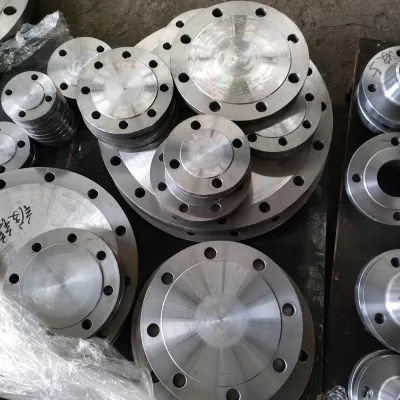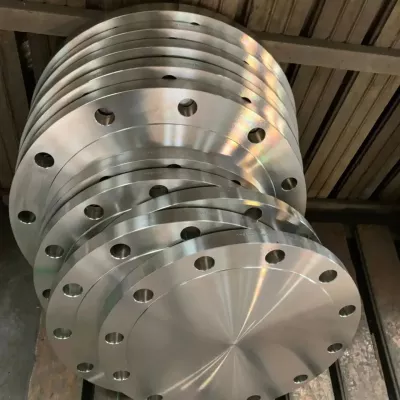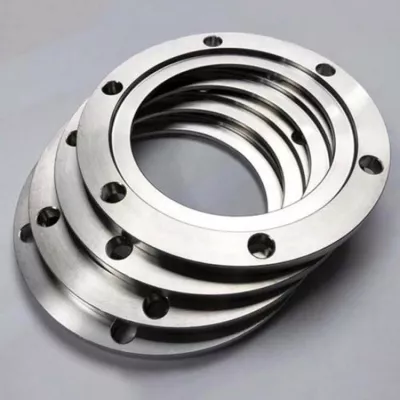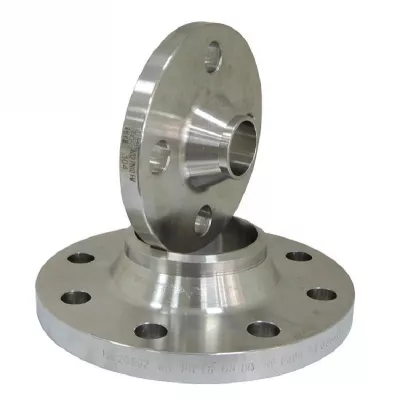
EN1092-1 Socket-Weld, Slip-On or Plate Pipe Flange Enquiry
For industrial sourcing
Prepare a clearer RFQ
Include the details below so RELIA can understand the part and discuss the next step with you.
- Drawing, sample, or reference standard
- Material grade and preferred process
- Dimensions, tolerances, and surface finish
- Application, target quantity, and destination
Production timing, packing, and shipping terms are confirmed for each project after specifications and trade terms are agreed.
-
warranty1 yearcustomized supportOEM, ODM, OBM
-
model numberflange 0364TechnicCasting
-
ConnectivityWeldingshapeReducing
-
head codeRoundOverall Length4 in
-
Height2Surface TreatmentSmooth
-
PressureLow PressureSystem of Measurementinch
-
Mounting hole diameter0.25 inPipe FeaturesFlexible, Corrosion-resistant, Chemical Resistant
-
Pipe Class150Applicationpetrochemical industry, Construction Engineering, Shipbuilding
-
Thread TypesNPT
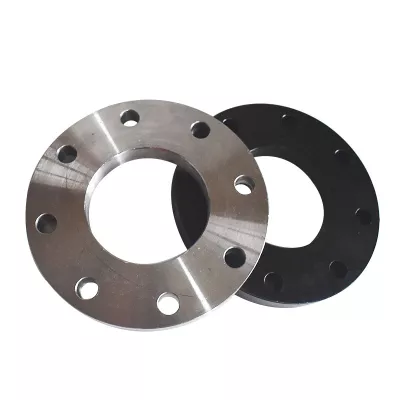
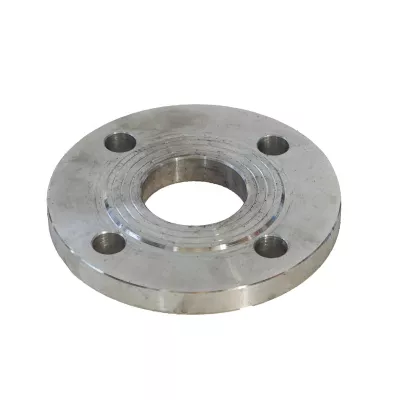
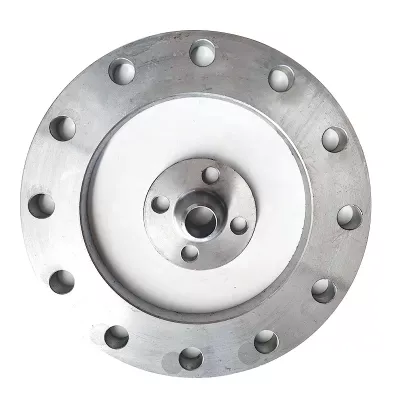
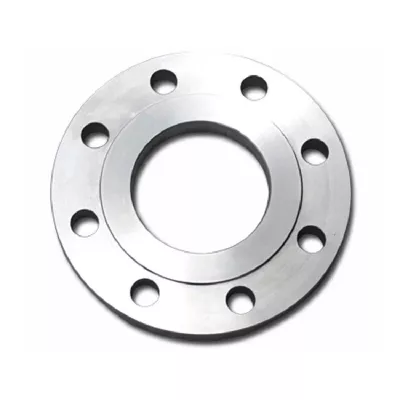
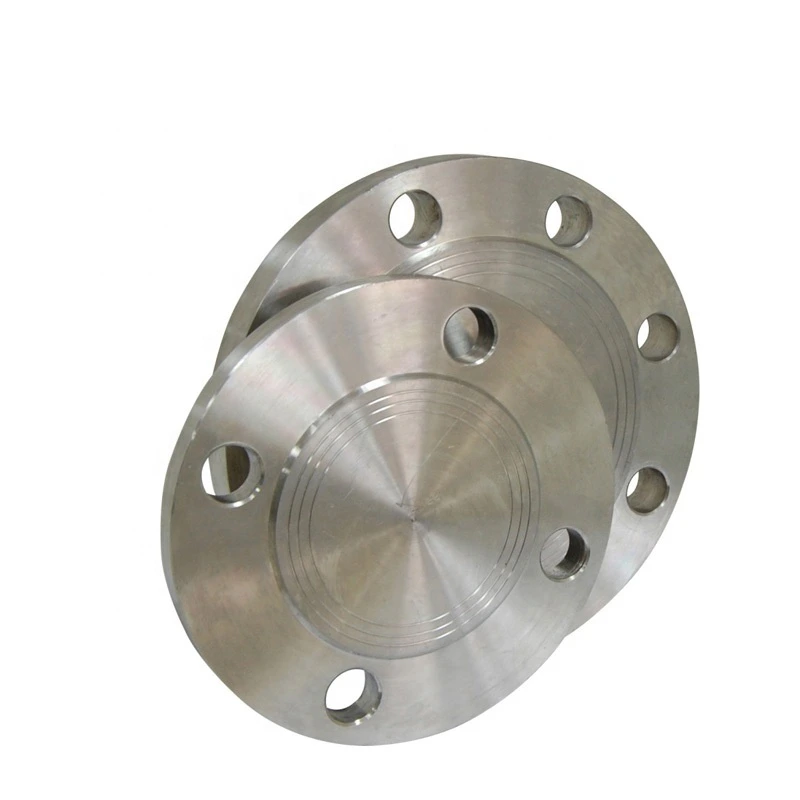
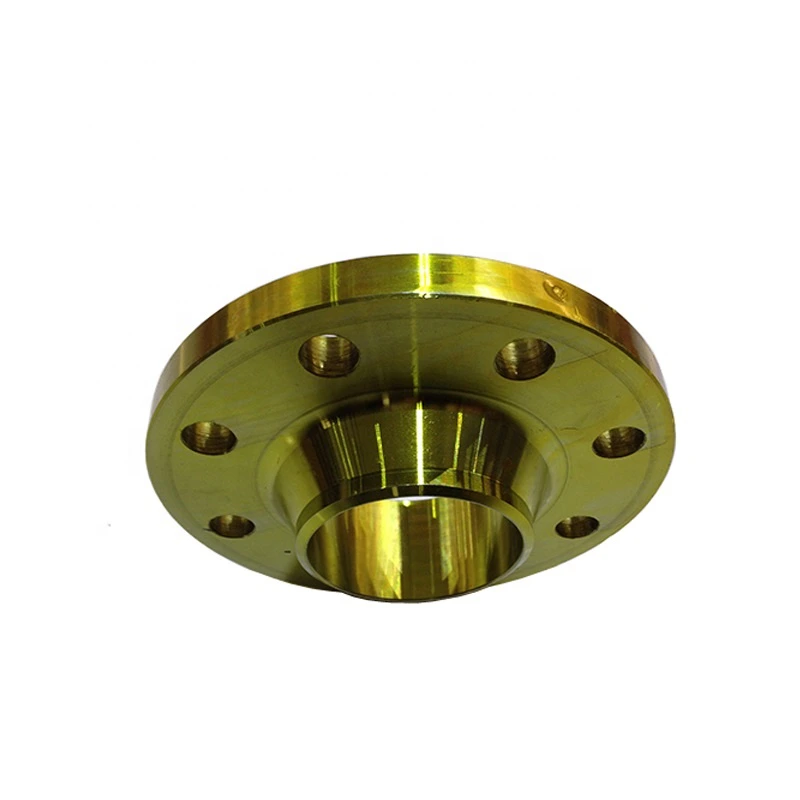
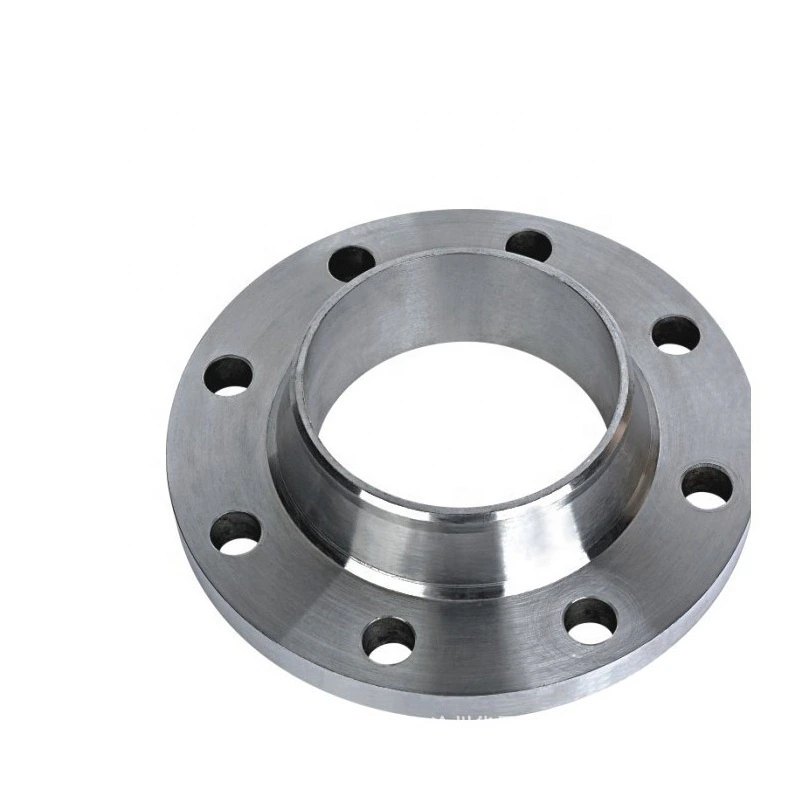
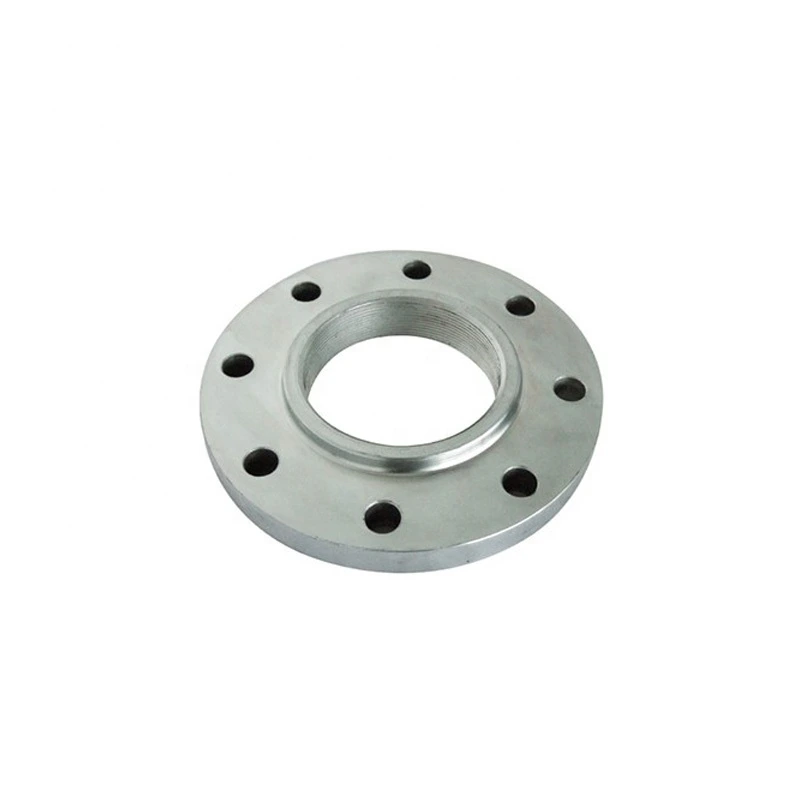
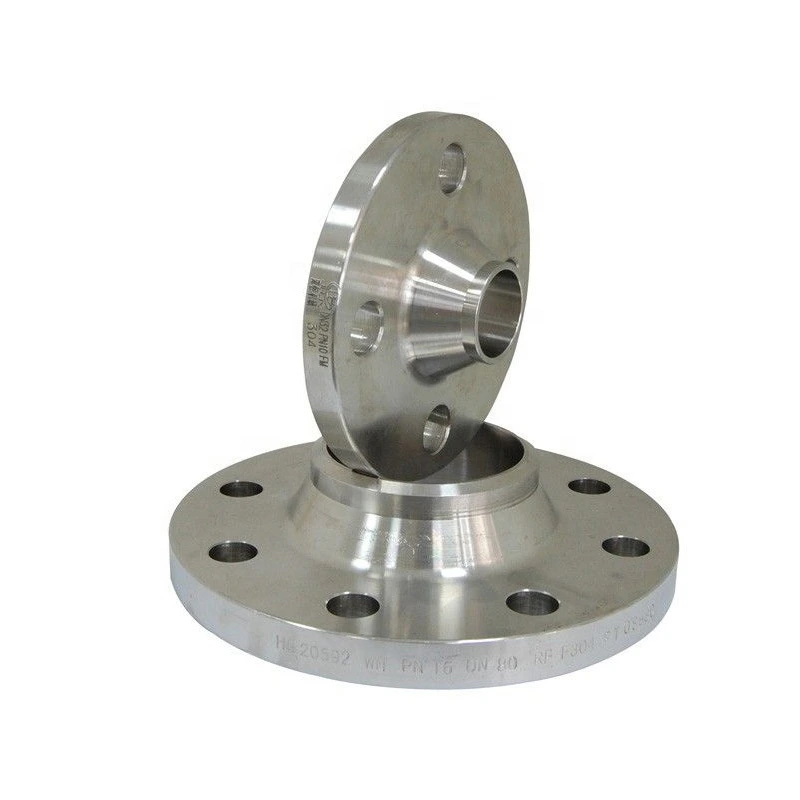
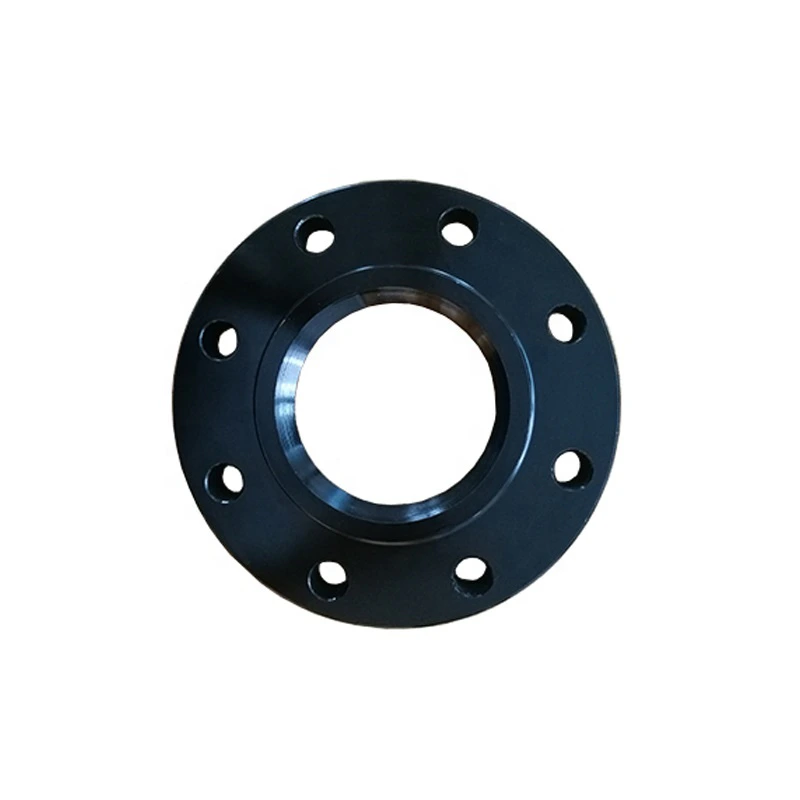
This EN1092-1 pipe flange enquiry starts with identifying the required flange form. Specify whether your piping connection calls for a socket-weld, slip-on or plate arrangement, then confirm the dimensions and material of the selected component. Establishing the form first gives the enquiry a clear basis for checking the pipe attachment and bolted interface.
Define the flange form before comparing sizes
Provide the required type designation and a sketch of the connection. For a socket-weld requirement, request the socket dimensions and pipe insertion arrangement. For a slip-on or plate requirement, identify the bore and intended attachment details. These features need confirmation on the drawing for the actual flange being considered; a general product image does not define every connection feature.
Check the complete EN1092-1 interface
State the required standard edition, nominal size and pressure designation. Request the outside diameter, bolt circle, hole count and diameter, facing geometry and flange thickness together. Compare them with the mating flange drawing and the intended gasket and fasteners. A matching size label alone is insufficient to establish the complete interface, and a pressure class should not be substituted for a different designation without the applicable documentation.
Complete the material and service enquiry
Name the exact material specification and required construction for the selected flange. Ask for confirmation of those requirements alongside the dimensional drawing, rather than relying on surface appearance. Include the medium, design pressure and temperature so suitability can be assessed for the same configuration. Before accepting a replacement, confirm the flange type, pipe attachment, bolted geometry and operating envelope together. Keep the enquiry drawing tied to the selected material and size so later specification changes can be checked against the mating equipment.
Technical information for every product inquiry
Prepare the requirement before final product confirmation.
The product page is a starting point. Drawings, samples, interfaces, materials, quantities and acceptance requirements are reviewed before stock matching or custom production is confirmed.
Discuss this product in your project context.
Share the available drawing, sample, reference, target quantity and application information. Unknown items can remain open for review.