
Distributor sourcing guide
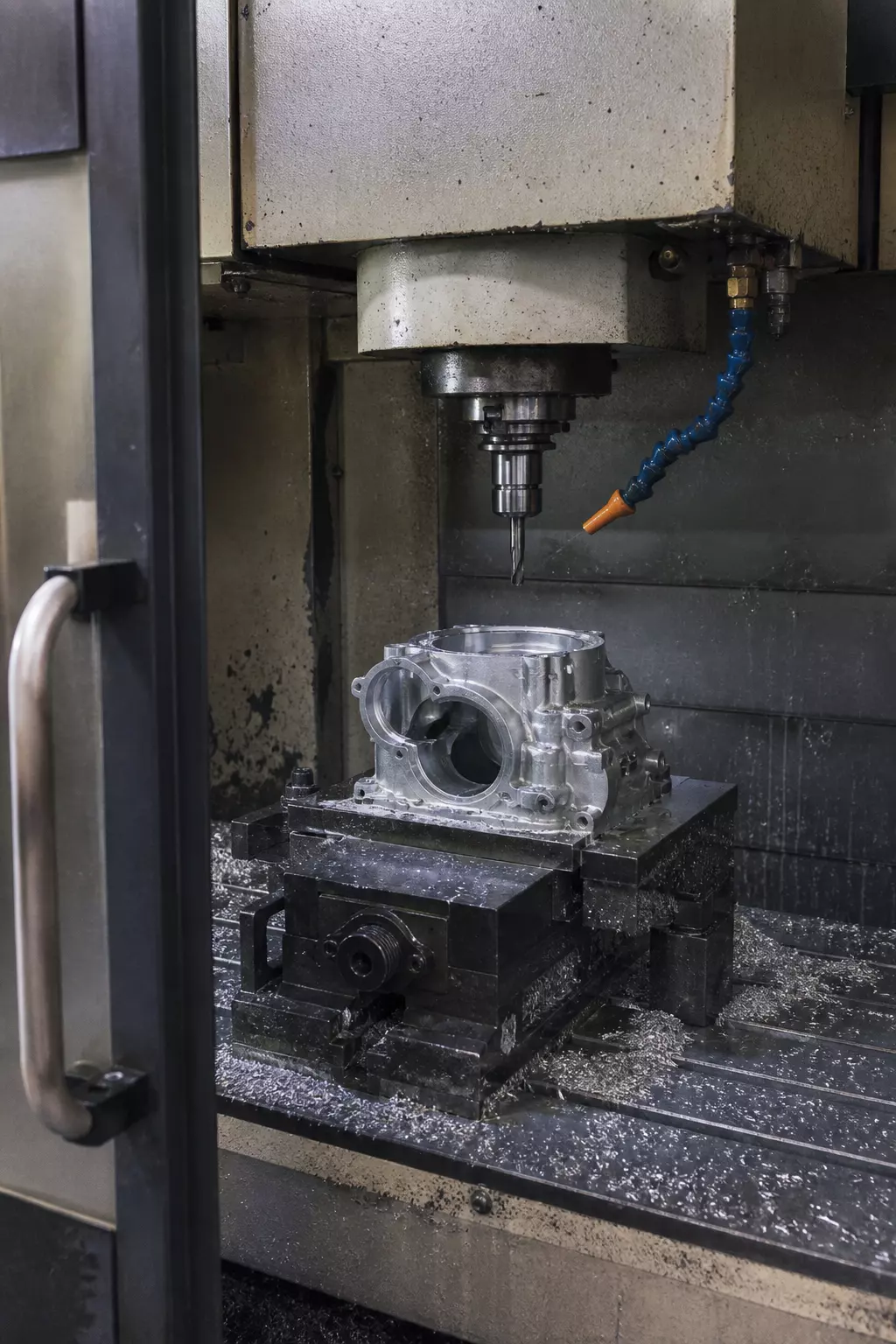
Combine header cutting parts, reviewed as a system.
A visual route for buyers comparing knife guards, knife sections and chopper blades for bulk aftermarket programs.
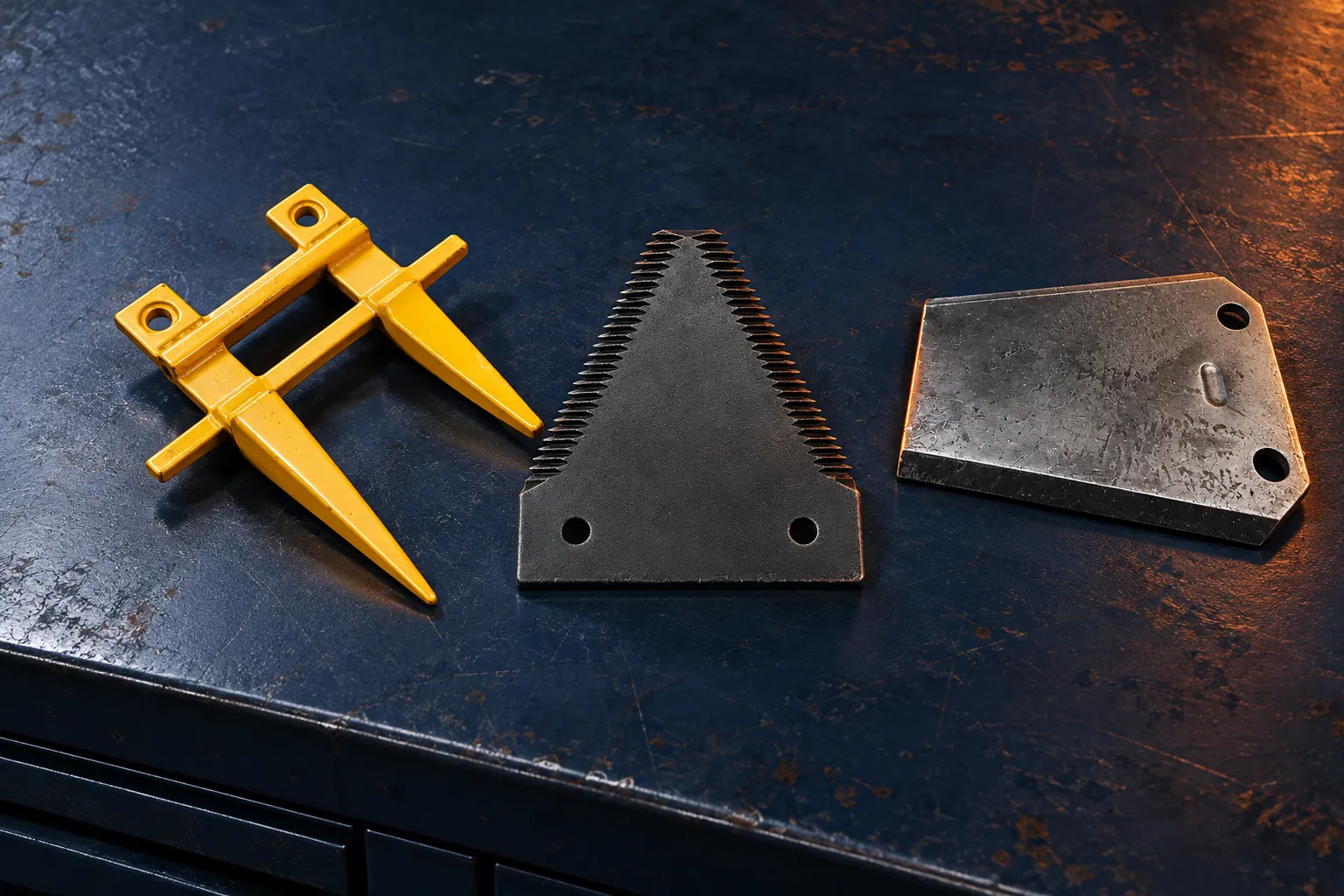
one cutting system
Start with the family
Do not source every cutting part the same way.
Each family has a different interface, wear pattern and approval question. Select the route before discussing price.
Fit validation
Appearance can start identification. It cannot finish it.
A machine brand alone is not enough. Freeze a repeatable part reference before sample approval.
Reference
OE, casting, stamped or supplier number
Application
Machine, header system, position and market
Geometry
Mounting holes, working profile and mating parts
Controlled basis
Approved drawing, specification or retained sample
Material and wear
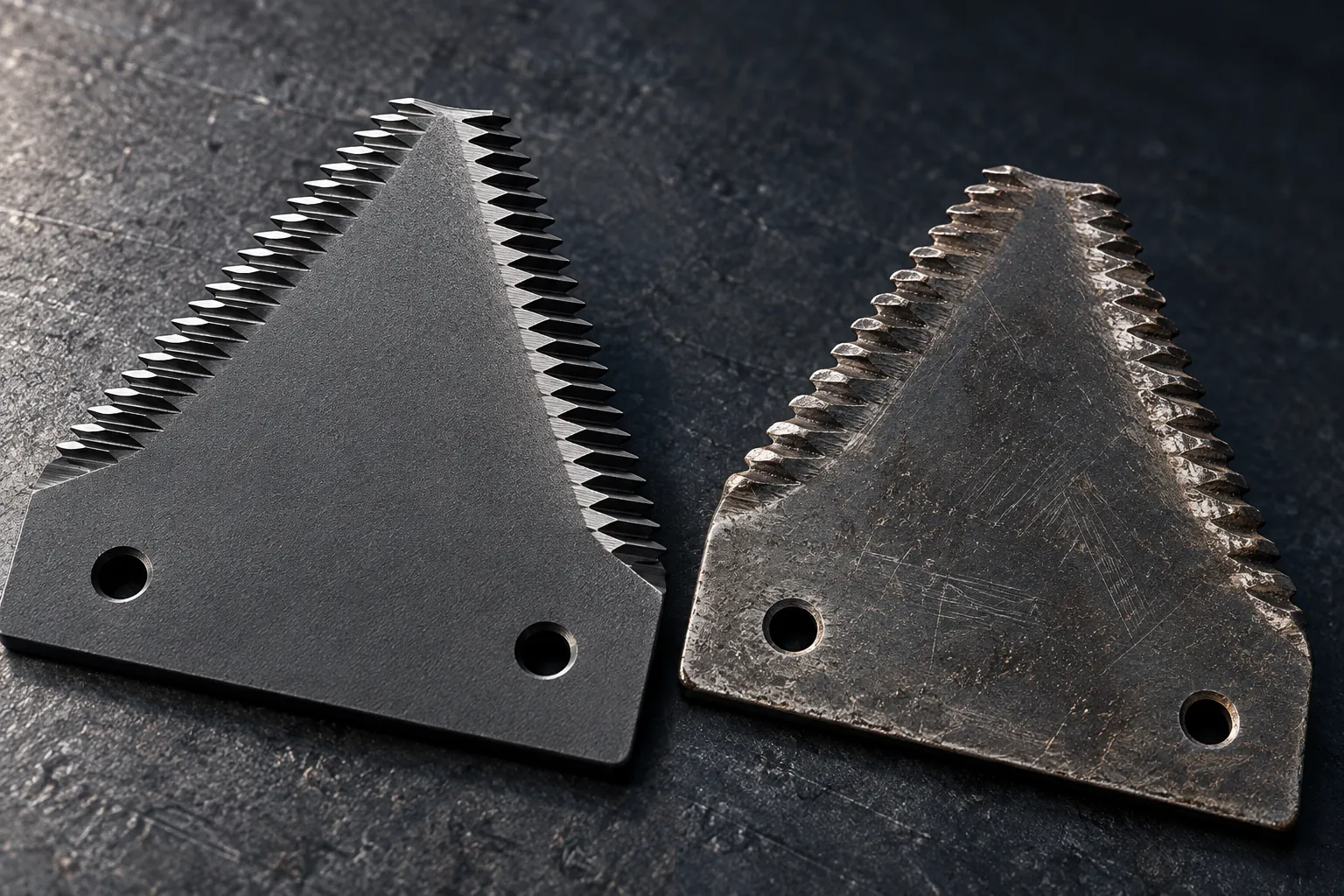
A harder number is not automatically a longer life.
Material, treatment, edge geometry, abrasion and impact must be reviewed together. Ask what property the process controls for your actual application.
Inspection route
Make every batch traceable to the approved reference.
The useful question is not “Is quality good?” It is “What was checked, against what, and where is the record?”
RECORD
RELEASE
Bulk order control
Packing is part of SKU accuracy.
For distributor orders, confirm how parts stay identified from production through warehouse receiving.
Confirm every packing detail in the quotation.
A faster technical review
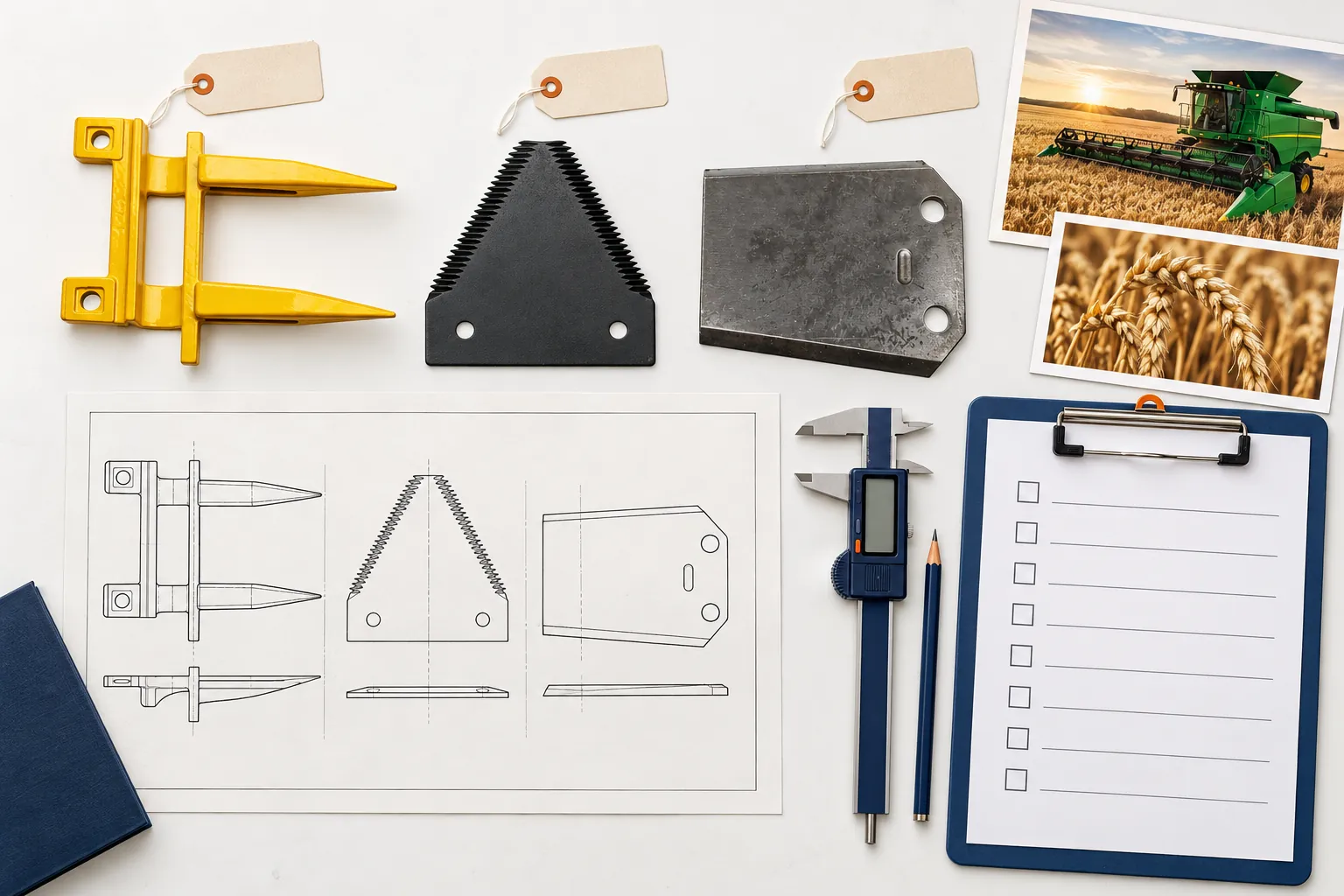
Send one clear input set per SKU.
Unknown items can remain open. What matters is separating confirmed facts from assumptions.
Buyer questions
Four checks before a supplier moves forward.
This visual decision map keeps fit, evidence, quantity and delivery connected.
Can RELIA review parts from a drawing or physical sample?
Yes. References, drawings, photos and samples can support review. Worn or repaired areas must be separated from stable geometry before approval.
Is machine brand and model enough to confirm fit?
No. Add the header or cutterbar system, part position, hole pattern, critical dimensions and mating-part details.
What records should a distributor request?
Agree the records needed for the SKU and batch, such as material evidence, first-article dimensions, hardness results, final inspection and packing release.
Can several SKUs be combined in one order?
Confirm total MOQ, minimum per SKU, production coordination, physical separation, labels and consolidated shipment in writing.
What are the sample and production lead times?
Ask for separate timing for samples, tooling, first bulk and repeat orders, including the approval point that starts each lead-time clock.
Your next step
Turn a part list into a controlled sourcing review.
Send references, machine and header details, quantities, destination and packing needs. RELIA can organize the open technical questions before quotation.