Custom Bolts and Screws for Drawing-Based OEM Equipment
RELIA reviews a drawing-based OEM bolt together with its mating joint before quotation, so the sample and bulk order follow one approval basis.
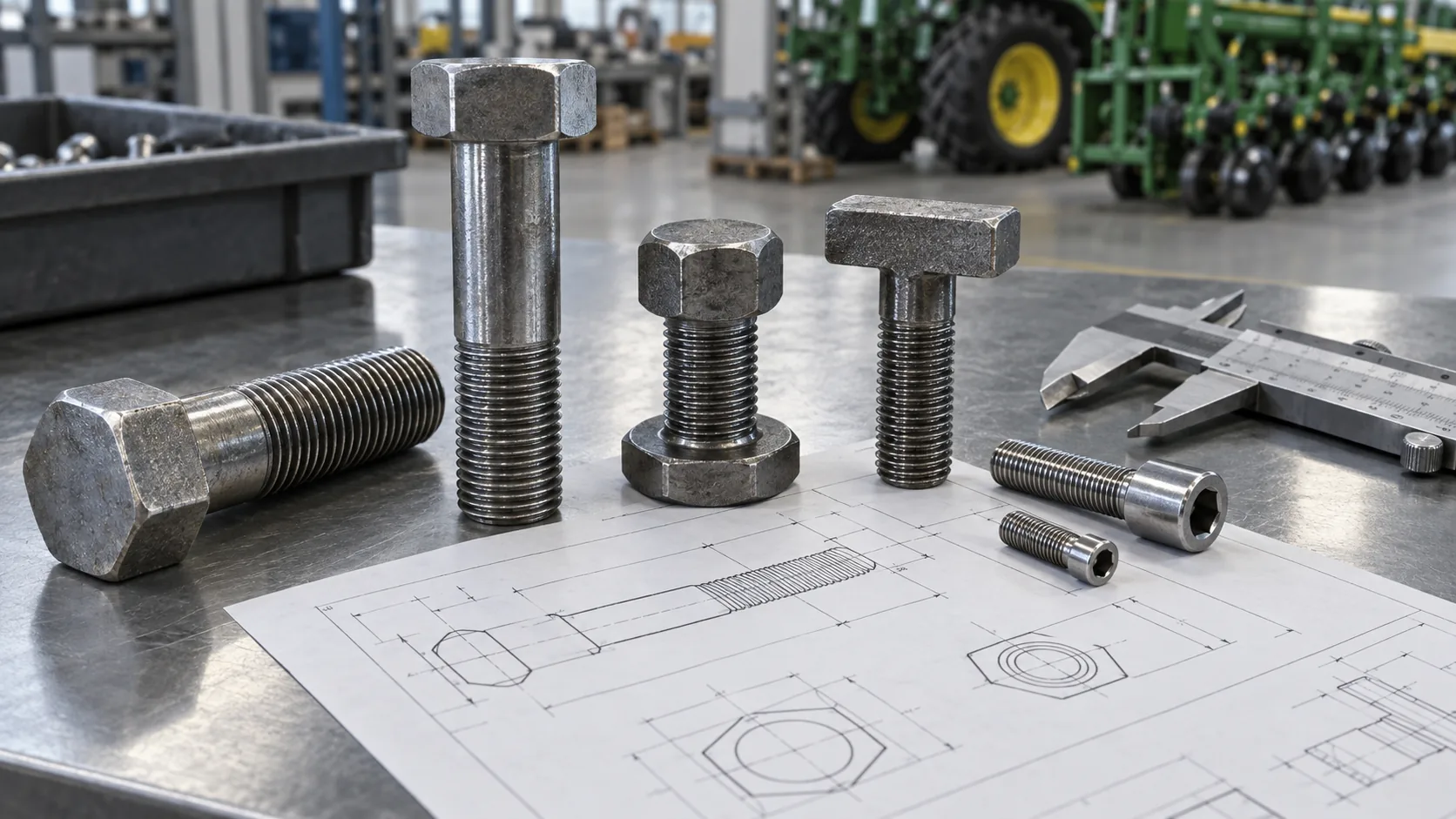
If you need non-standard equipment bolts or screws, we can review your drawing against our custom fastener examples. Our product pages include customized hex bolts and T-head bolt variants. Those listings give you starting points, while your approved drawing determines whether we can quote the actual part.
First, decide whether your joint needs a modified catalog form or a completely defined new fastener. We start with the assembly interface and critical dimensions, then discuss a production plan and sample against the drawing rather than promise a custom bolt from its name.
Your Assembly Defines the Fastener
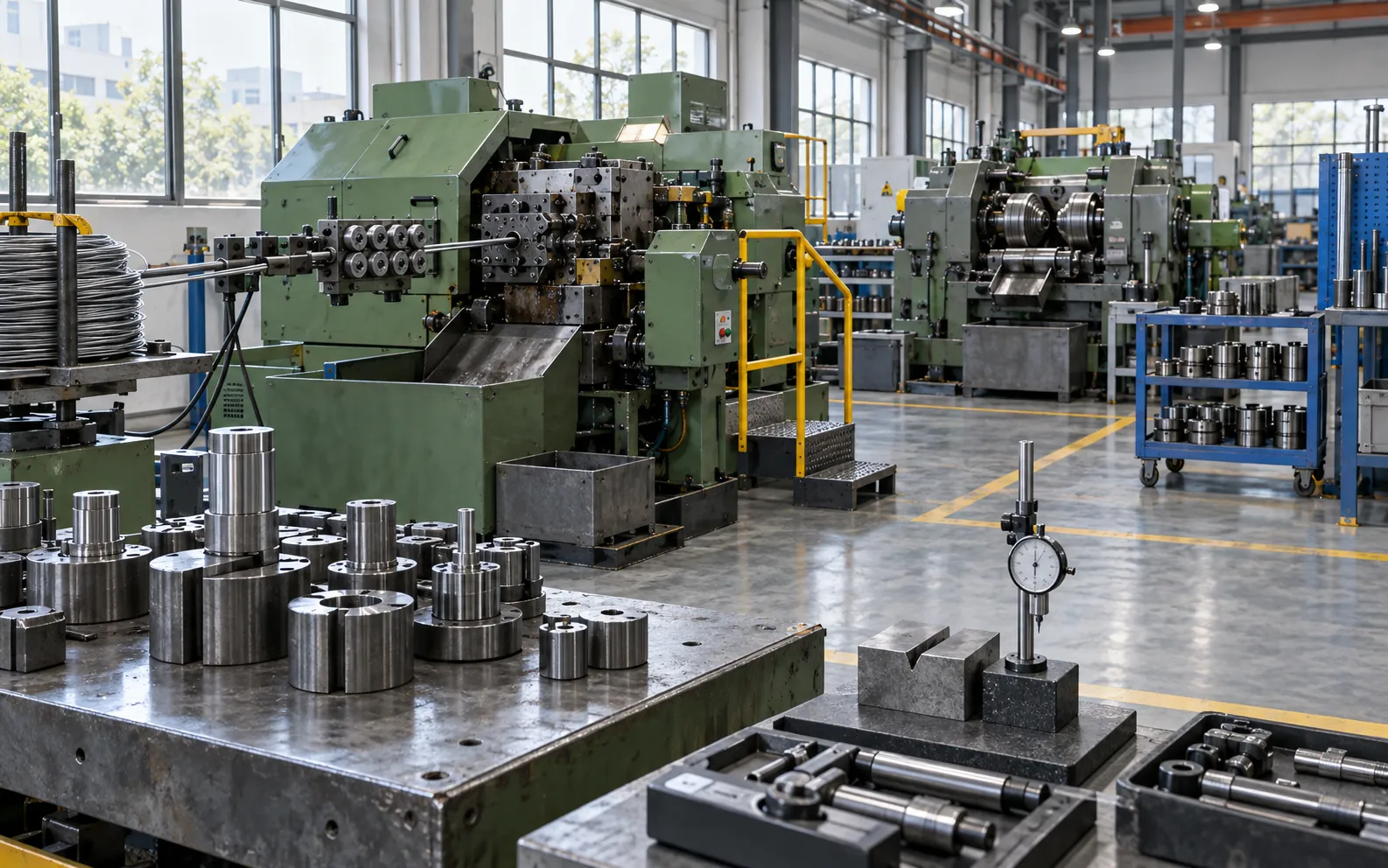
For your assembly, we can review those controlling features with the mating parts before discussing a route. We confirm the production route, inspection scope and order terms against the exact drawing before sampling.
Two Bolt Forms Set Different Starting Points
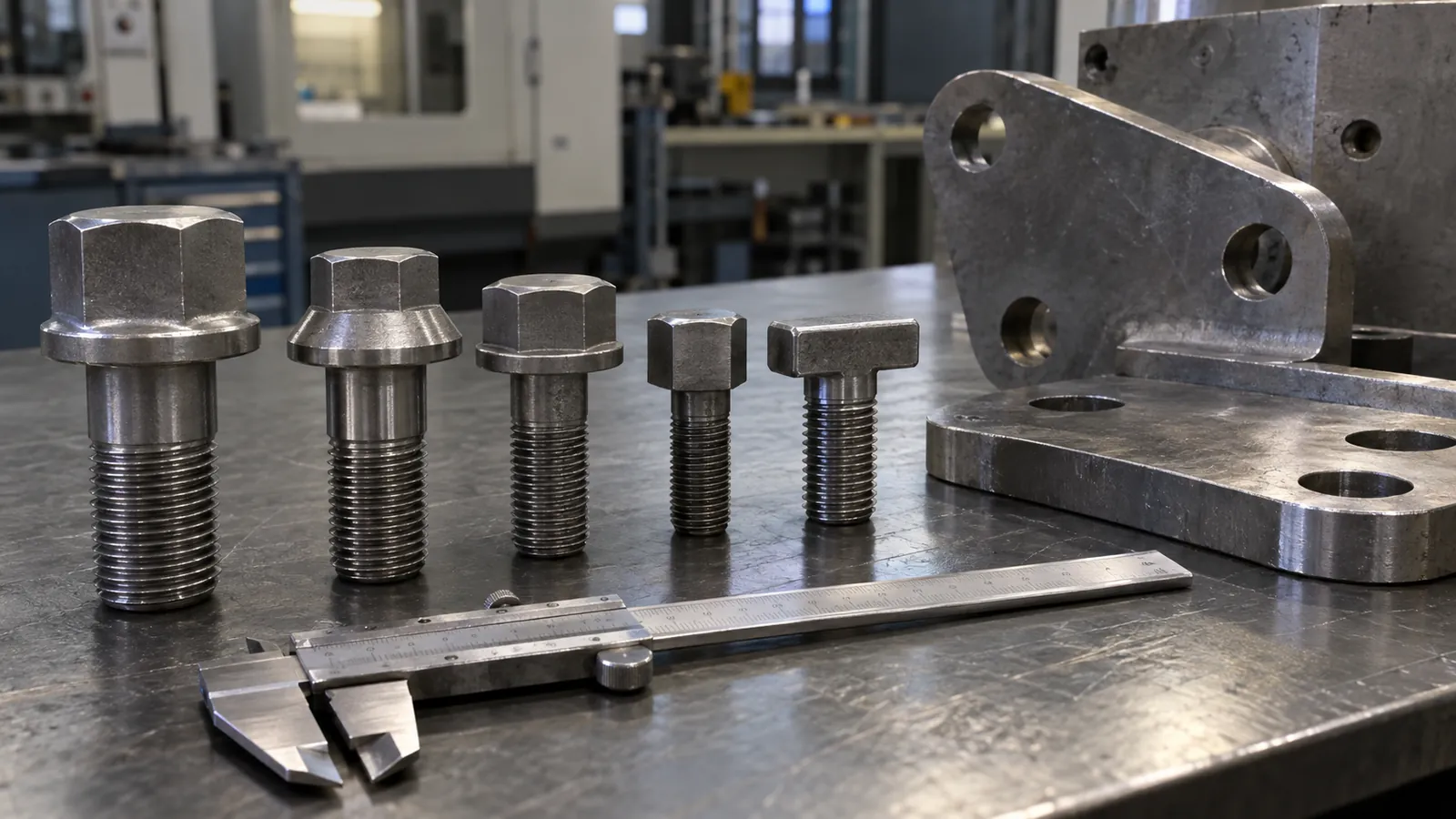
If the joint uses a conventional bearing face, the listed hex form is the first shape to compare. If the head is captured in a rail or slot, the listed T-head form is the more relevant reference.
If neither reproduces the mating geometry, your drawing defines a new part. We can discuss the corresponding route only after material, thread and critical dimensions are named. If you are deciding whether to adapt a listed shape or define a new one, compare the bolt forms in our catalog first, then mark the dimensions that your drawing must change.
Thread and Joint Interfaces Come First
Send the mating-part drawing or a measured sample alongside the fastener drawing to avoid approving a part that cannot be installed.
Material and Finish Depend on the Working Environment
State load, temperature, moisture and any chemical or salt exposure before selecting a material or coating. A product title that names stainless steel or zinc finish does not confirm the service life of your finished joint.
We can review those choices against the requirements you provide rather than promise one finish for every machine. If corrosion is part of the duty, use the fastener finish reference to name the finish you want us to evaluate for this joint.
The Drawing Needs a Clear Revision
Mark functional dimensions, tolerances, material and finish on one current drawing version. If a sample differs from the file, show which source governs.
Our custom fastener RFQ guide shows how those inputs form a reviewable manufacturing brief. That keeps tooling, quotation and later inspection tied to the same part.
Critical Features Set the Sample Checks
Our company profile describes drawing-based metal production and inspection. The quotation names the inspection methods and records that follow your exact fastener.
A Sample Can Test the Real Joint
You can evaluate the part in its intended assembly before treating a batch quotation as a guarantee of fit.
Agree on the drawing revision and the observations you will make during trial installation. A cosmetic match alone will not establish thread fit, clearance or mechanical suitability.
From Drawing Review to Approved Fastener Supply
For your fastener, we connect the joint, drawing, material, finish and inspection basis before moving from sample to repeat supply.
Approve the drawing revision, joint interfaces, material and finish, sample checks and the named supply route before a bulk order.
RELIA manufactures standard and custom fasteners in its own factory, including bolts, screws, nuts, washers and solid rivets. The confirmed range covers M3–M64 and 5–600 mm length, with special projects assessable to M80 and more than 500 specifications available.
Real order RL-FS-2401: a German agricultural-equipment buyer approved 40Cr / grade 10.9 M12–M24 hex bolts after dimensions, threads, hardness, tensile performance and a corrected coating result were checked. In 2024, 200 samples were completed in 25 days before repeat demand of 50,000–100,000 pieces per month.
Before release, keep the exact drawing or SKU, quotation and inspection record together so receiving can trace the fastener it approved. Review the company profile or request the current ISO certificate copies.
Send the Assembly and Part Drawings
Send your current drawing, mating-part reference, estimated quantity, desired material and operating environment. Point out the features that have failed or caused delays with another source. Share these details with us so we can discuss a defined part rather than quote a generic bolt.