Harvester
How to Identify Harvester Cutting Parts
Combine reference numbers, machine information, part position, photographs and measurements to reduce a false match.
Requirement package
Create an identification package that survives a worn sample
For how to identify harvester cutting parts, send confirmed values with their units and source. Mark an unknown as “to be confirmed” instead of converting it into a guessed production requirement.
A review can begin from all visible markings, machine and header model, top, bottom and side photos. RELIA can then separate information suitable for product-range matching from decisions that require custom production or further technical confirmation.
Buyer questions
Identification questions for harvester cutting parts
These answers help prepare and compare a how to identify harvester cutting parts requirement. Final ratings, dimensions and acceptance remain tied to the actual project data supplied for review.
What information is needed to identify a knife guard?
Provide all markings, machine and header model, guard position, top, bottom and side photographs, mounting-hole centers and diameters, overall length, finger or throat geometry and details of the mating knife section. For the next review, attach or state mating guard/section details.
What information is needed to identify a knife section?
Provide markings, machine and header model, top and side photographs, hole pattern, overall width and length, thickness, serration direction and count, cutting-edge form and the mating guard or knife-back arrangement. For the next review, attach or state mating guard/section details.
Why is machine brand alone insufficient for compatibility confirmation?
A single brand can use several cutting systems across models, years, headers and markets. Confirm the actual interface and part position so a visually similar guard or section is not treated as interchangeable. For the next review, attach or state all visible markings.
How should an OEM reference number be used without relying on it alone?
Use the OEM number as a strong search key, but cross-check supersessions, machine context, physical geometry and mounting dimensions. A partial or reused number should not override contradictory measurements. For the next review, attach or state all visible markings.
Which photographs best support part identification?
Use square-on top, bottom and side views, close-ups of markings and wear, the part installed in context, and at least one image with a scale. Avoid relying on a perspective-only photo for dimensions. For the next review, attach or state top, bottom and side photos.
Decision map
Identify the part through independent clues
Begin with “Brand alone rarely identifies the exact cutting system” and keep the remaining conditions connected to the same requirement.
| Decision | Why it changes the review | Useful buyer input |
|---|---|---|
| Brand alone rarely identifies the exact cutting system | Use markings and equipment references to narrow the search, then cross-check photographs, location and controlled measurements. A brand, model or similar appearance is useful evidence, but it is not final proof of interchangeability. | all visible markings |
| Stamped numbers may be partial, superseded or shared | For how to identify harvester cutting parts, define “stamped numbers may be partial, superseded or shared” through function, interface and an observable acceptance method. Keep an unknown value visible as an open item so it can be confirmed before it becomes a manufacturing or purchasing requirement. | machine and header model |
| Left/right/center position can change geometry | Measure from stable reference surfaces and state units, datum direction and sample condition. For a worn or deformed sample, identify which surfaces remain trustworthy and which dimensions need an unworn reference or engineering confirmation. | mounting-hole spacing |
| Worn samples hide original edges and dimensions | Measure from stable reference surfaces and state units, datum direction and sample condition. For a worn or deformed sample, identify which surfaces remain trustworthy and which dimensions need an unworn reference or engineering confirmation. | mounting-hole spacing |
| Adjacent components provide compatibility clues | For how to identify harvester cutting parts, define “adjacent components provide compatibility clues” through function, interface and an observable acceptance method. Keep an unknown value visible as an open item so it can be confirmed before it becomes a manufacturing or purchasing requirement. | overall geometry |
Review sequence
Cross-check reference, position, geometry and mating parts
This sequence allows an early discussion of how to identify harvester cutting parts without hiding missing information. It keeps confirmed inputs, quotation assumptions and remaining decisions visible to both buyer and supplier.
Define the Part Identification task
State what how to identify harvester cutting parts must accomplish and how it connects to the surrounding system.
Separate confirmed inputs from open items
Record all visible markings, machine and header model, top, bottom and side photos and clearly mark values still requiring confirmation.
Review the factors that control Part Identification
Connect brand alone rarely identifies the exact cutting system, stamped numbers may be partial, superseded or shared, left/right/center position can change geometry to drawings, samples or acceptance notes.
Release one controlled Part Identification requirement
Carry the same approved how to identify harvester cutting parts revision and assumptions into quotation, sample review, production and inspection.
Decision boundary
Why a photograph or model name is not final proof
This how to identify harvester cutting parts page provides a disciplined starting point, not a substitute for the buyer's design authority, applicable code or final project approval.
Use this guide to prepare the Part Identification review
- organize the known all visible markings and machine and header model
- compare proposals using the same assumptions
- identify dimensions, duty or records still missing
- choose between product-range review and custom-production review
Final Part Identification approval stays with the project specification
- final size, material, rating, process or configuration
- compatibility with the complete operating and installation environment
- applicable code, end-user or design-authority approval
- order-specific sampling, testing, documents, packing and delivery terms
Factory context for this technical guide
Identification Evidence Becomes a Traceable Cutting-Part Record
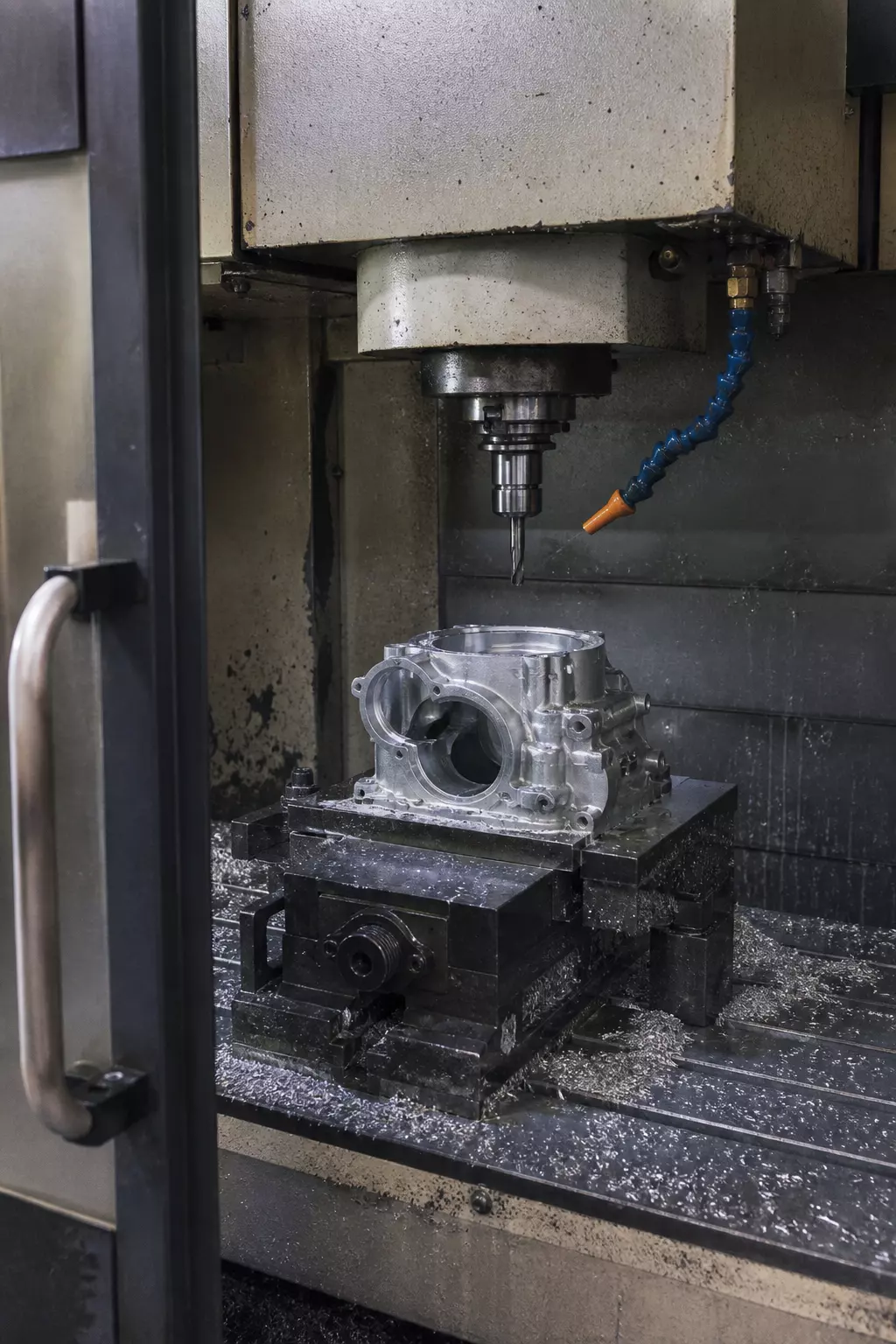
RELIA uses the OEM number, machine model, photographs and stable dimensions to connect a candidate cutting part with its production and inspection route.
When a number is missing, unworn datums and mating-part geometry become the starting reference. The approved candidate keeps that evidence through sampling, packing and repeat supply.
Project-specific review
Send the information available for how to identify harvester cutting parts.
RELIA can organize all visible markings and machine and header model, return a list of open items, and review whether the request should proceed through an available product range or custom production.
For a how to identify harvester cutting parts inquiry, applicable ISO 9001, ISO 14001 and other supplier-qualification documents can be discussed and current copies provided on request. These management-system records do not replace order-specific product acceptance.