
Harvester
Harvester Part Materials, Heat Treatment and Wear
Discuss the performance dimensions behind cutting-part durability even when a listing does not publish a single hardness value.
Decision map
Balance the material and process chain for Harvester Part Materials, Heat Treatment and Wear
Begin with “Material chemistry and manufacturing route” and keep the remaining conditions connected to the same requirement.
| Decision | Why it changes the review | Useful buyer input |
|---|---|---|
| Material chemistry and manufacturing route | Define the required performance first, then align grade, manufacturing route, heat treatment, hardness method and inspection location. A higher grade or harder surface is not automatically better when toughness, fatigue, wear pattern and manufacturability also control service behavior. | impact history |
| Heat-treatment condition and section response | State the continuous condition, excursions and the point at which the value applies. Temperature can change material behavior, sealing, strength, coating performance and allowable movement, so it must be reviewed with the full service or manufacturing route. | application and crop conditions |
| Hardness range plus method and location | Define the required performance first, then align grade, manufacturing route, heat treatment, hardness method and inspection location. A higher grade or harder surface is not automatically better when toughness, fatigue, wear pattern and manufacturability also control service behavior. | impact history |
| Wear resistance balanced with impact toughness | Describe how load reaches the component: magnitude, direction, distribution, repetition, shock and abnormal conditions. The review can then balance material, section, heat treatment and verification rather than selecting from one headline strength value. | impact history |
| Surface condition, edge geometry and inspection | Measure from stable reference surfaces and state units, datum direction and sample condition. For a worn or deformed sample, identify which surfaces remain trustworthy and which dimensions need an unworn reference or engineering confirmation. | soil/abrasion exposure |
Buyer questions
Material and performance questions for Harvester Part Materials, Heat Treatment and Wear
These answers help prepare and compare a harvester part materials, heat treatment and wear requirement. Final ratings, dimensions and acceptance remain tied to the actual project data supplied for review.
Why should hardness still be discussed when no catalog value is listed?
Because hardness is one dimension of wear and impact performance even when the final value is project-specific. Discuss the required behavior, material route, heat treatment, test scale, location and acceptable range, then confirm the actual requirement from the drawing, sample or agreed specification. For the next review, attach or state impact history.
How do material, forging or forming, heat treatment, and surface condition interact?
Material chemistry establishes the response available; forming or forging changes flow and geometry; heat treatment develops strength, hardness and toughness; surface and edge condition affect contact and wear. These stages should be reviewed as one process chain. For the next review, attach or state impact history.
Why is maximum hardness not automatically the best target?
Maximum hardness is not a universal objective. The part must retain enough toughness for impact and bending while providing the required wear resistance, and the useful balance depends on section thickness, geometry, process consistency and field conditions. For the next review, attach or state impact history.
How can wear resistance and impact toughness conflict?
Increasing hardness or hard-phase content can improve abrasive resistance but may reduce tolerance for shock, misalignment or stress concentration. Define the dominant wear and impact conditions before choosing the material and heat-treatment target. For the next review, attach or state impact history.
What inspection records can be requested for cutting parts?
Depending on the controlled requirement, buyers can request material identification, heat-treatment or hardness records, dimensional reports, surface or edge inspection and sampling scope. Agree the exact characteristic, method, location and acceptance criterion before production. For the next review, attach or state inspection documents needed.
Requirement package
Describe the required performance before naming a grade
For harvester part materials, heat treatment and wear, send confirmed values with their units and source. Mark an unknown as “to be confirmed” instead of converting it into a guessed production requirement.
A review can begin from application and crop conditions, soil/abrasion exposure, impact history. RELIA can then separate information suitable for product-range matching from decisions that require custom production or further technical confirmation.
Review sequence
Connect material, treatment, finish and inspection
This sequence allows an early discussion of harvester part materials, heat treatment and wear without hiding missing information. It keeps confirmed inputs, quotation assumptions and remaining decisions visible to both buyer and supplier.
Define the Materials & Wear task
State what harvester part materials, heat treatment and wear must accomplish and how it connects to the surrounding system.
Separate confirmed inputs from open items
Record application and crop conditions, soil/abrasion exposure, impact history and clearly mark values still requiring confirmation.
Review the factors that control Materials & Wear
Connect material chemistry and manufacturing route, heat-treatment condition and section response, hardness range plus method and location to drawings, samples or acceptance notes.
Release one controlled Materials & Wear requirement
Carry the same approved harvester part materials, heat treatment and wear revision and assumptions into quotation, sample review, production and inspection.
Decision boundary
Where a material name cannot predict service performance
This harvester part materials, heat treatment and wear page provides a disciplined starting point, not a substitute for the buyer's design authority, applicable code or final project approval.
Use this guide to prepare the Materials & Wear review
- organize the known application and crop conditions and soil/abrasion exposure
- compare proposals using the same assumptions
- identify dimensions, duty or records still missing
- choose between product-range review and custom-production review
Final Materials & Wear approval stays with the project specification
- final size, material, rating, process or configuration
- compatibility with the complete operating and installation environment
- applicable code, end-user or design-authority approval
- order-specific sampling, testing, documents, packing and delivery terms
Factory context for this technical guide
Material, Heat Treatment and Field Fit Form One Wear-Control Route
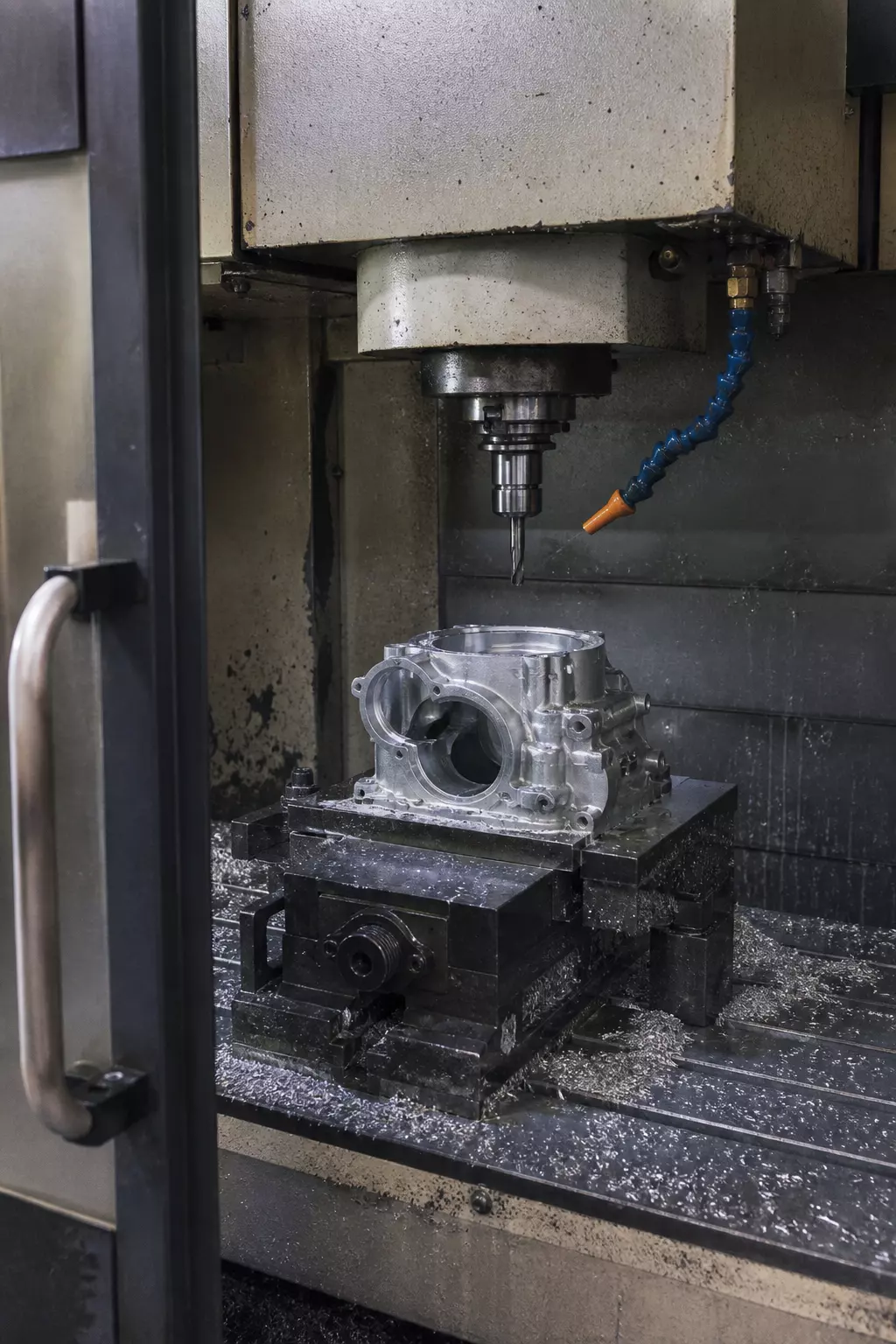
RELIA manufactures cutting parts in its own factory. Typical knife-section hardness is HRC 45–58, depending on the approved material and heat-treatment route.
For RL-HK-2401, 500 samples were completed in 20 days after the heat-treatment curve was adjusted. Field fit passed before the part moved into annual purchasing and volume planning.
Project-specific review
Send the information available for harvester part materials, heat treatment and wear.
RELIA can organize application and crop conditions and soil/abrasion exposure, return a list of open items, and review whether the request should proceed through an available product range or custom production.
For a harvester part materials, heat treatment and wear inquiry, applicable ISO 9001, ISO 14001 and other supplier-qualification documents can be discussed and current copies provided on request. These management-system records do not replace order-specific product acceptance.