
Drawing-Based Forged Hooks and Brackets for Farm Equipment
RELIA develops forged hooks and brackets from drawings that define load, shape, material and finishing requirements.
For a forged farm-equipment component, we can review assembly loads, drawing and finished interfaces before discussing a route. Our product pages include a forged towing-hook example and other forged-part families. An example listing cannot approve your hook or bracket for a specified load. The drawing, application and acceptance plan must do that work.
We can start with the attachment and load path of your equipment component, then compare a forged product example to the required finished shape. A project proposal should explain how the forged form, later operations and your acceptance checks work together.
The Equipment Duty Defines the Part
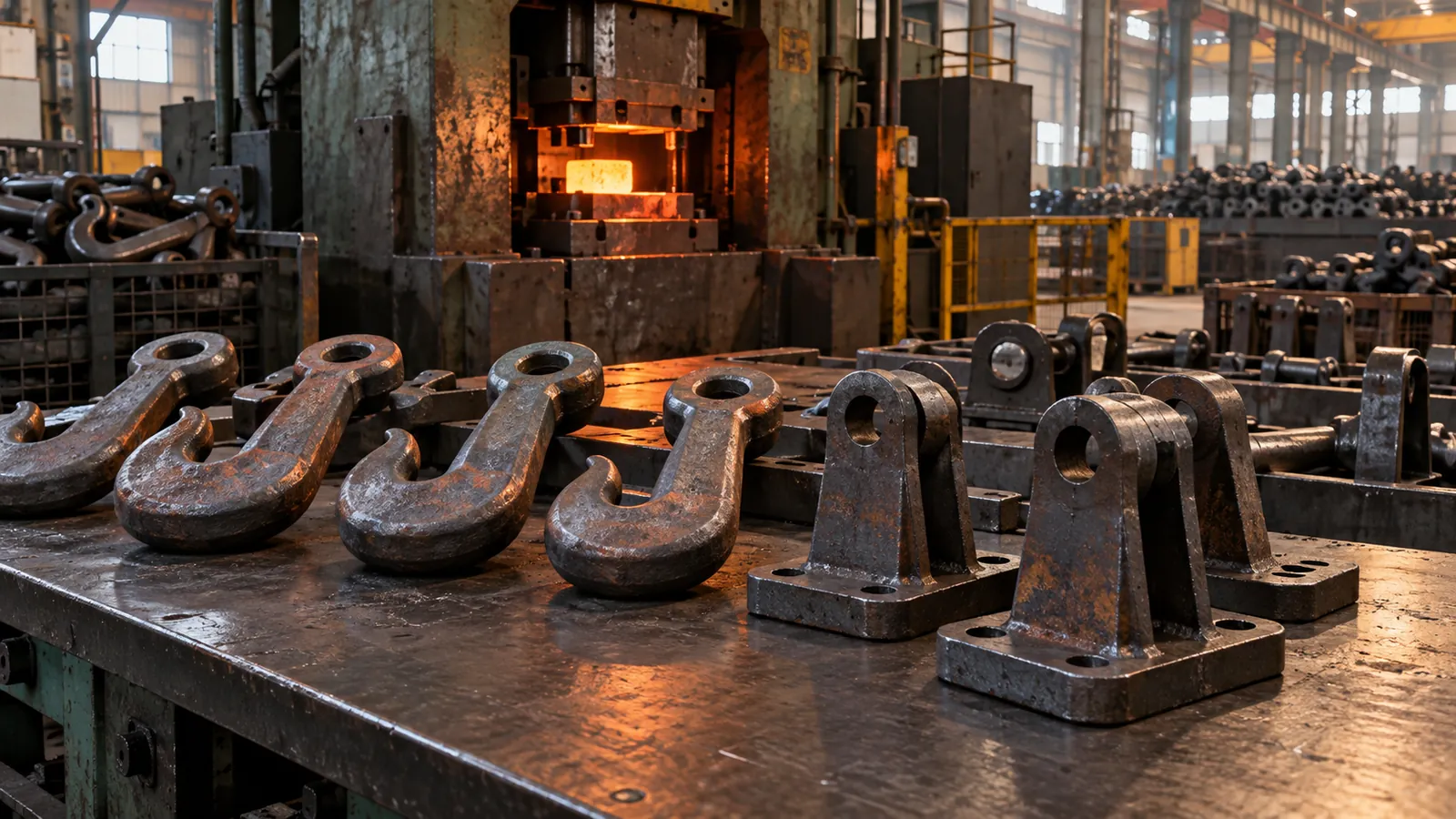
We can use your attachment drawing and load case to discuss the forged shape, later interfaces and checks as one part. A towing connection and a support bracket still need different order-specific acceptance criteria.
Shape and Attachment Need a Shared Review
Mark the forged outline, holes, weld zones or machined interfaces and their relationship to the assembly. A similar hook image may help describe form but does not confirm attachment suitability.
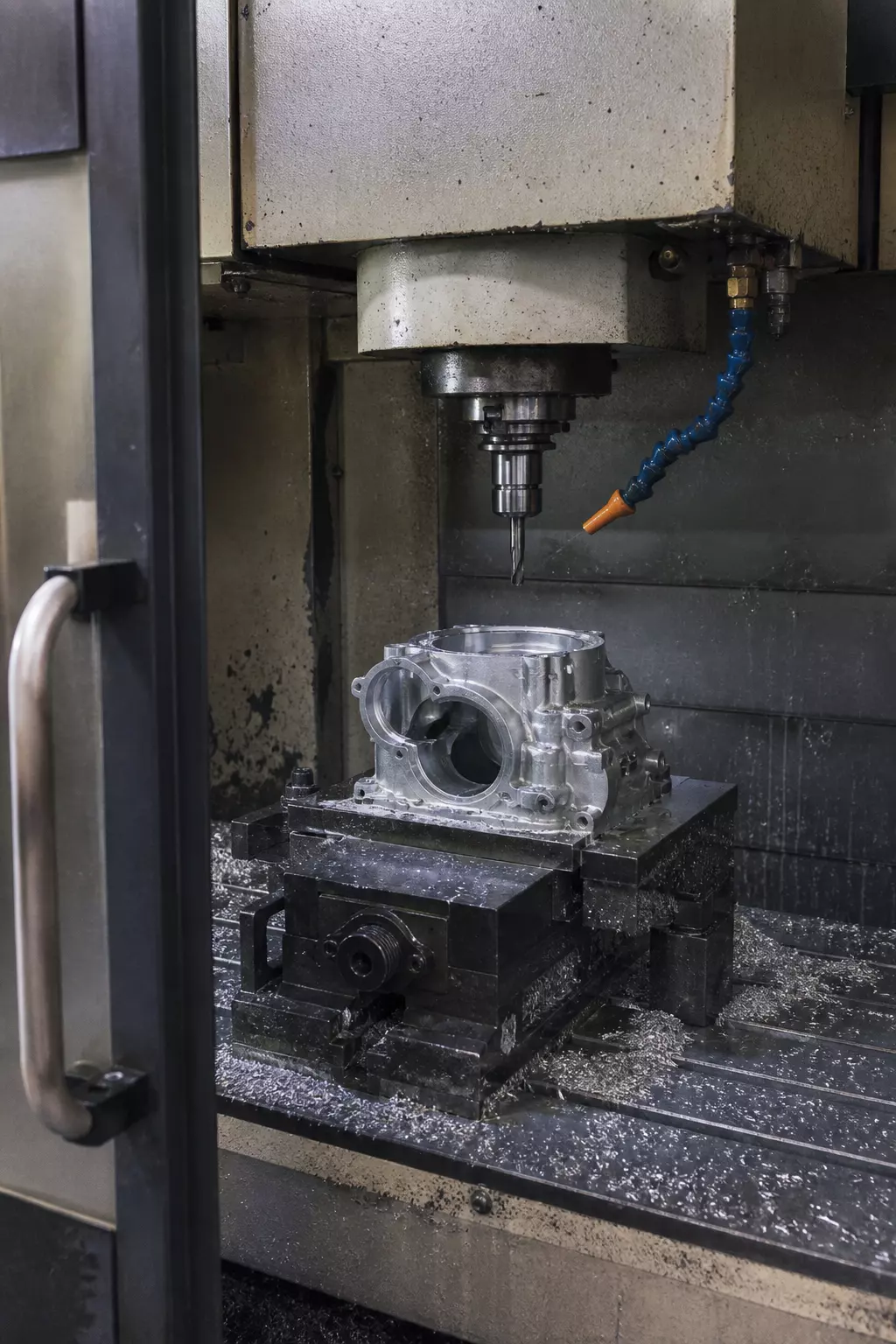
Include mating equipment details with the component print. Our drawing reference guide helps identify the critical features. Compare the OEM metal-part examples for a shape reference, then identify the attachment and load features that your hook or bracket drawing must retain.
Specify the Delivered Forged-Part Grade
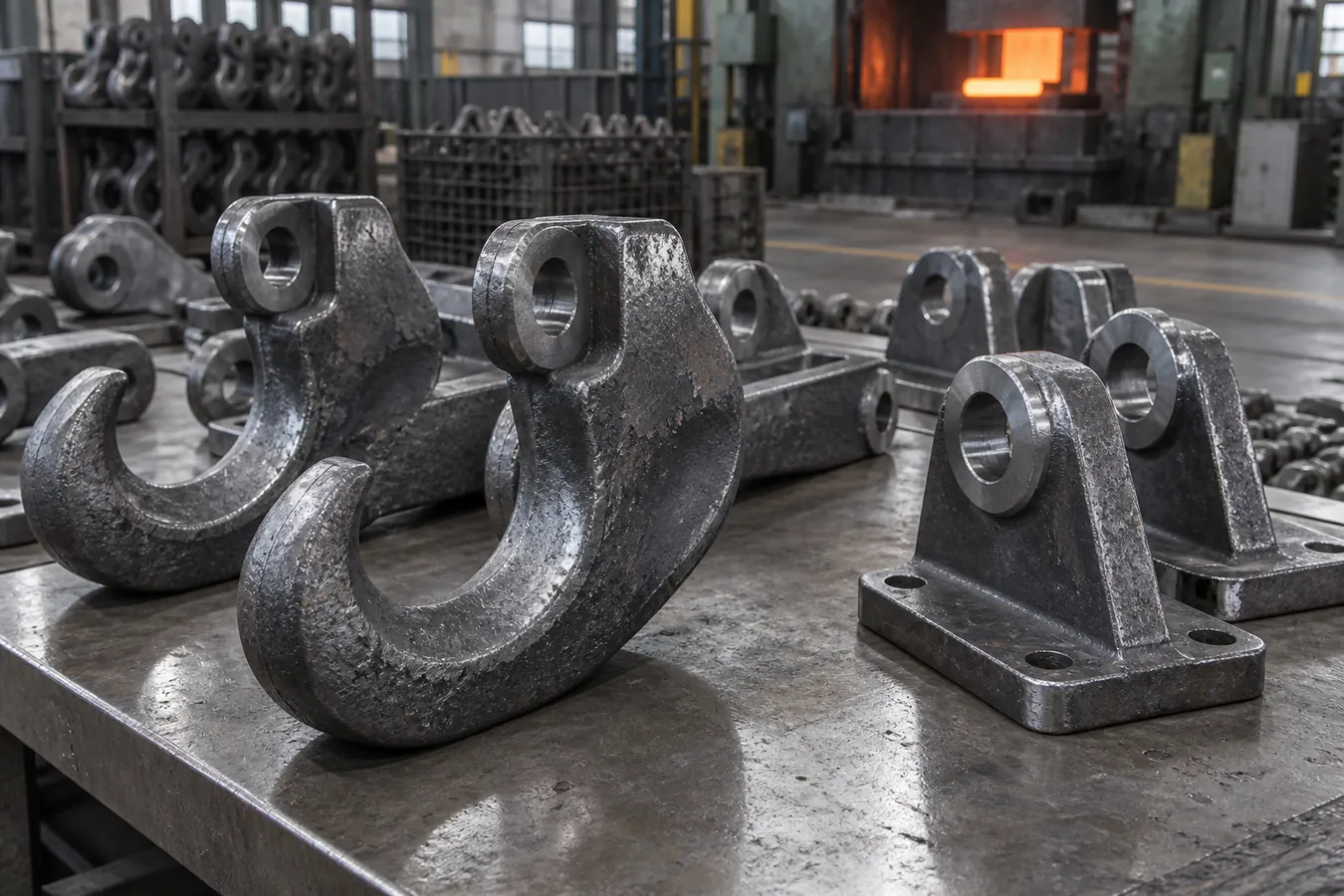
The linked catalog example names a steel grade, but that is a listing attribute, not an approved material for your design.
Forging and Later Operations Form One Delivered Item
If the part requires machining, welding preparation or finishing, state the delivered condition. A rough forged shape may need different controls from the final installed component. Keep those operations within one acceptance reference.
Strength Cannot Be Inferred from the Process Name
The word forged does not confirm a safe working load or fatigue life. Tell us the load case and evidence your engineering team requires.
The Forged Part Follows One Drawing-Controlled Route
For your forged part, the duty, material, forming route and finished interfaces are reviewed as one production decision.
Approve the drawing, equipment duty, material, forging route, machined features and inspection points. Any heat treatment, coating or third-party test is named in the project scope.
RELIA performs forging and machining in its own factory with one to three die-forging machines. Die forgings cover 0.2–100 kg, and special open-die projects up to 1,000 kg can be assessed.
Forging and finishing follow the approved drawing and material route, with inspection records tied to the released part.
Before release, match the drawing, material, process scope and inspection records to the exact forged part. Review the company profile or request the current ISO certificate copies.
Trial Parts Need an Assembly Test
Assess the sample in its actual attachment position and measure the interfaces named on the drawing. Keep the trial results with the accepted revision. A part that looks like the old hook may still alter clearance or fit.
Send the Load and Attachment Drawings
Send the component and assembly drawings, intended material, load information, annual demand and required inspection basis. Mark all welded or machined interfaces. Share these details with us for a project-specific review.