A Coordinated Metal-Part Enquiry for Multi-Process OEM Projects
RELIA can coordinate cast, forged, machined and fastening parts in one OEM enquiry while keeping each part on its own production and inspection route.
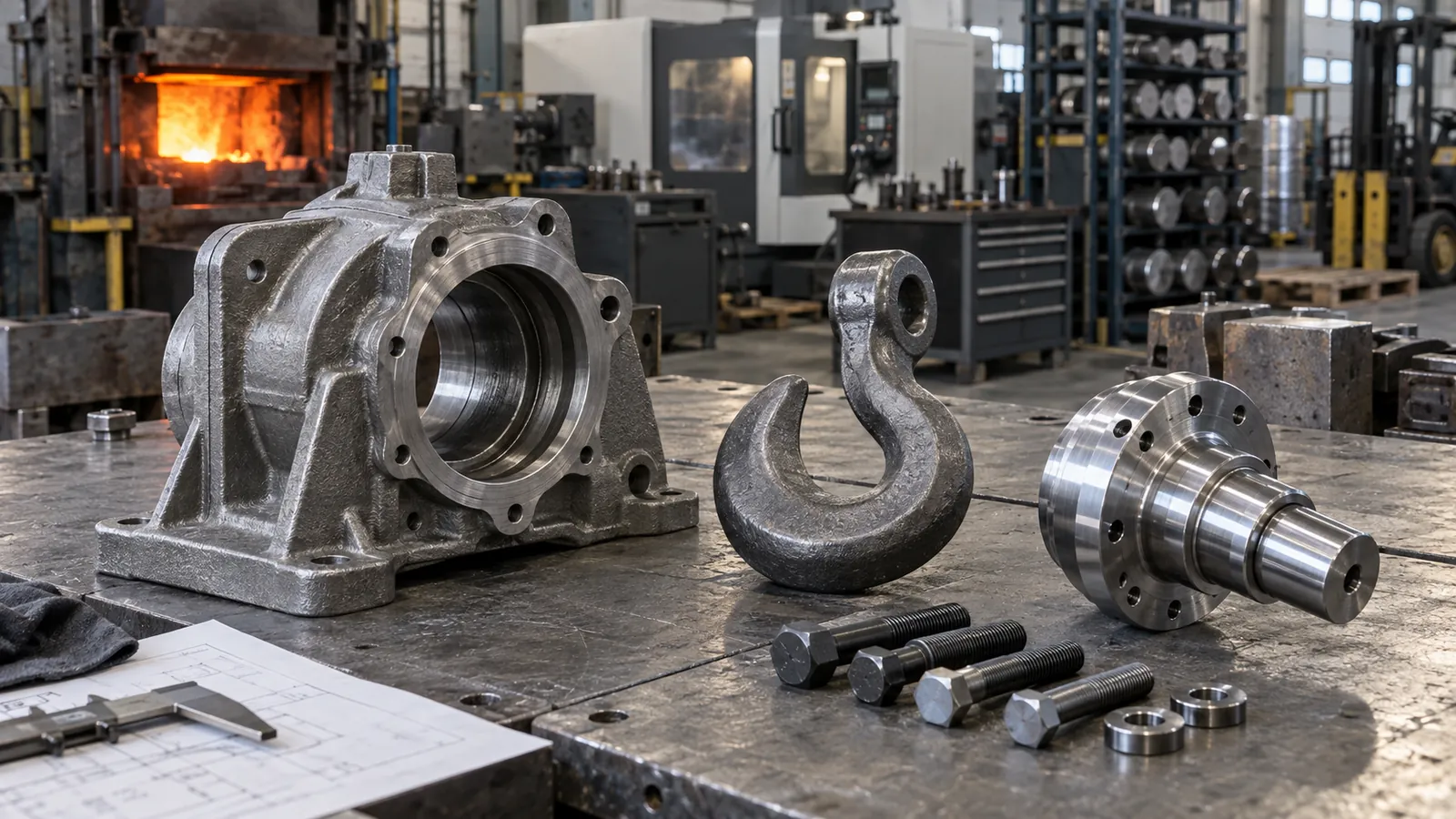
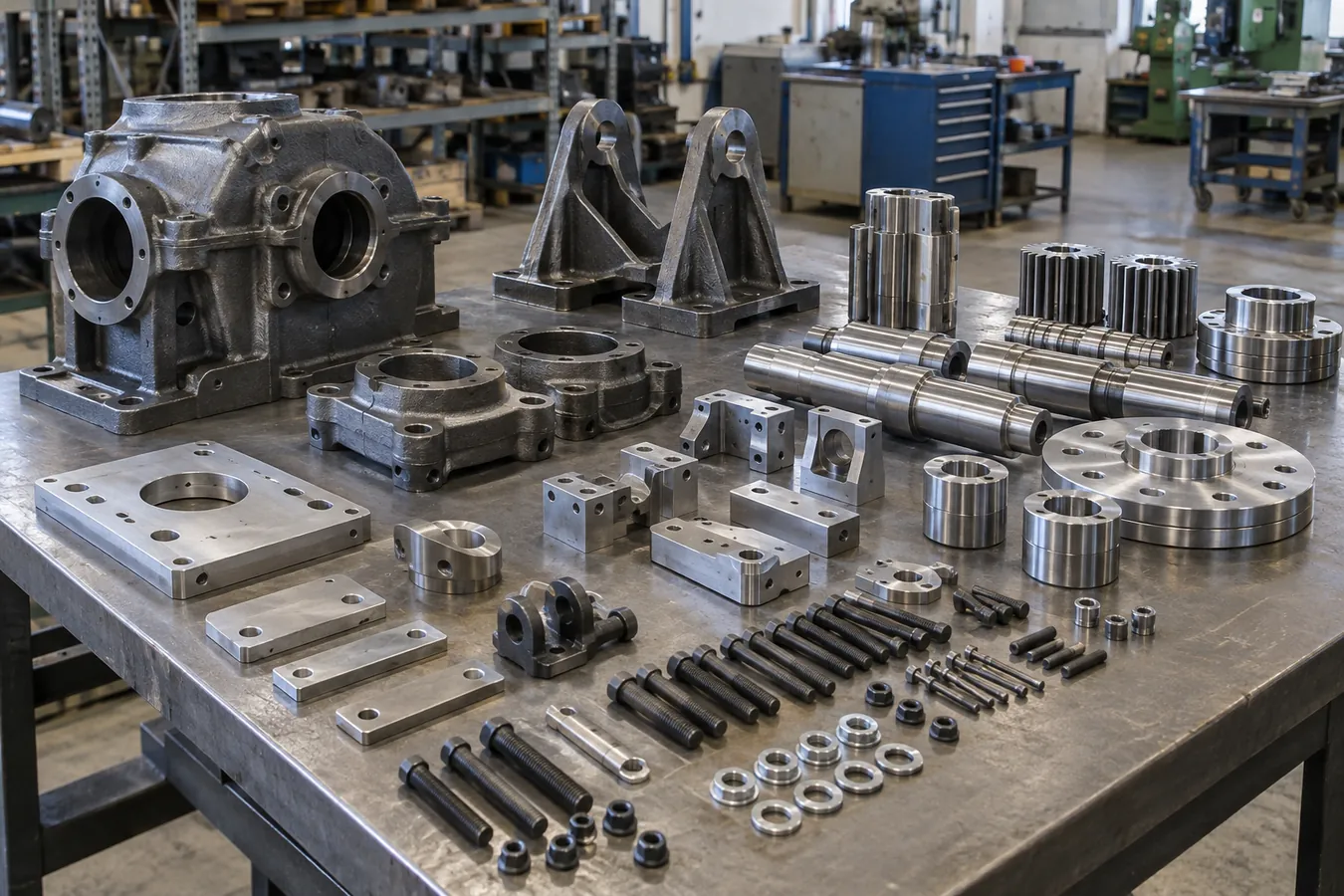
For an OEM program spanning several metal-part families, we can review each drawing and the proposed production responsibility as one project. The catalog includes cast-and-machined examples, forged torsion arms and fasteners. Catalog breadth supports an enquiry, but one-partner responsibility, production origin and coordinated delivery must be confirmed for your bill of materials.
We can look at the program as connected assemblies rather than a mixed request for processes. This helps your team name shared interfaces, keep one approval revision per part and understand who owns each production and inspection step inside one coordinated program.
The Project Bill of Materials Is the Starting Point
We can review shared interfaces while keeping the distinct production and inspection routes visible. The profile states the broad scope, while your project response must define who owns each delivered component.
Cast Components Need Finished-Part Definitions
For a casting, provide the material, geometry, machining allowance and finished acceptance features. A raw casting photo cannot confirm a complete delivered part. Mark its mounting or locating surfaces in the OEM assembly. Use the casting part examples to describe the cast family in your bill of materials, then supply the finished-part requirements for each housing.
Forged Components Need Load Context
State the duty and attachment for each forging. A forged-product title does not certify load or durability for a new design. The production proposal should respond to the drawing and the inspection needs of that part.
Machined Interfaces Tie the Program Together
Identify bores, faces and datums that mate with another supplied item. If two parts are sourced under one programme, their interface is a shared risk.
Fasteners Need a Joint Schedule
Specify bolts, nuts, washers or inserts by connection location. A fastener chosen separately from the metal parts it joins may have the wrong length or thread. Send the assembly bill of materials rather than a loose list of nominal sizes.
Every Metal Part Follows the Process It Needs
For a mixed metal-parts program, every item keeps its own drawing, process route and inspection record while your team works through one enquiry.
Use one revision-controlled list to name the route, drawing, inspection points and external operations for every part. A shared project does not make all components follow one process.
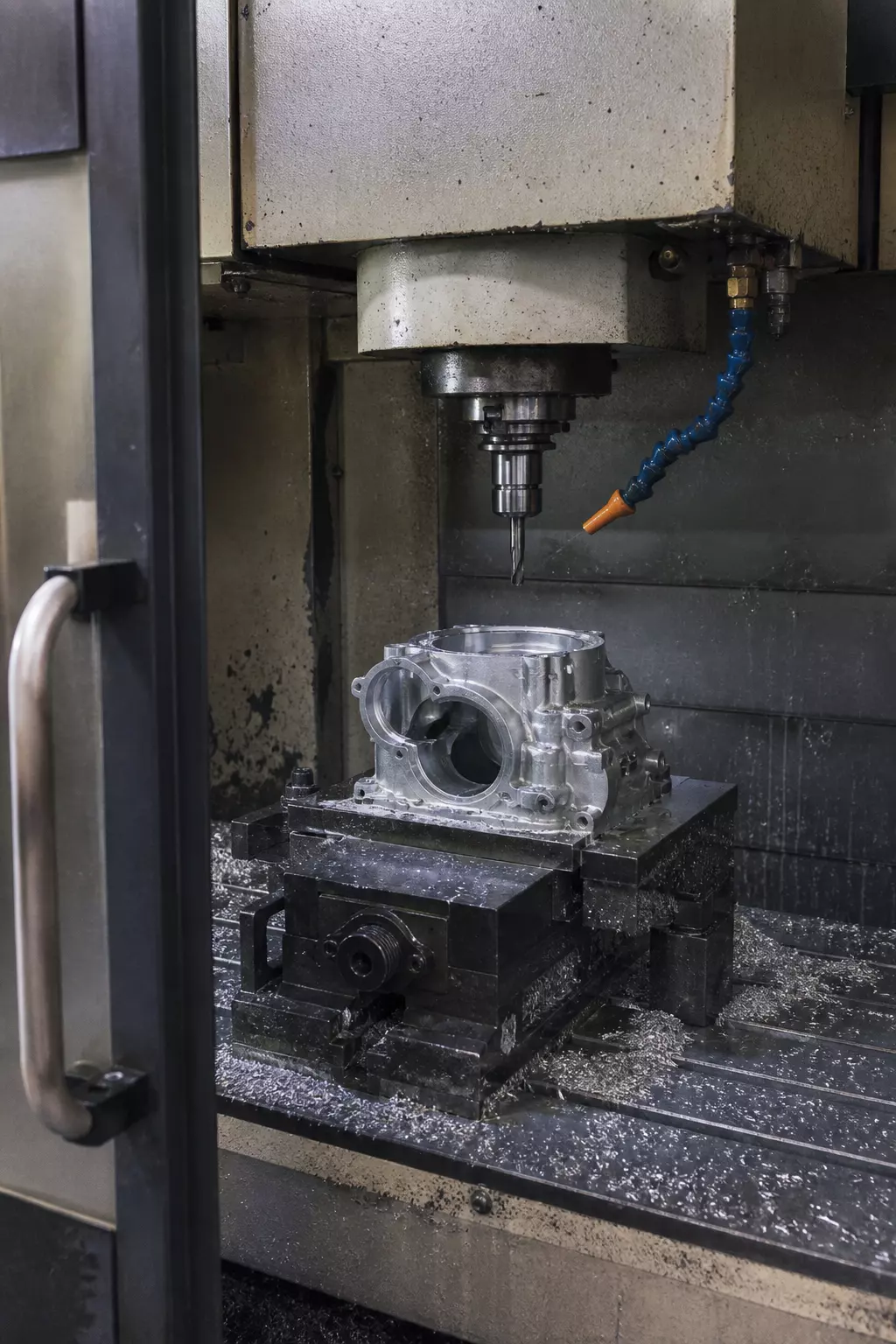
RELIA operates casting, forging, more than 30 CNC machines and fastener production in its own factory. Three CMMs, two spectrometers and project-specific inspection plans support release decisions.
Each part follows its approved process route and inspection plan, even when several manufacturing methods share one project schedule.
Before release, keep each item tied to its own drawing, process route, quotation and inspection record. Review the company profile or request the current ISO certificate copies.
One Approval Reference Is Needed Per Part
Each part requires its own current drawing and acceptance criteria. A single project approval cannot hide an unresolved bore, forging load or thread condition. Our inspection records guide supports the evidence plan. Keep approved parts in a revision-controlled program list.
Shared Interfaces Need Joint Trials
Where a cast body, machined shaft and fastener meet, trial them as an assembly if practical.
Timing and Commercial Terms Follow the Routes
Different processes may have different tooling, quantity and scheduling conditions. A catalog snapshot cannot prove one lead time or minimum order for the whole project.
Request a written schedule and assumptions for each part family before planning your launch. Include the part-number identification you need for receiving. Any kit or combined packing must also be confirmed for this order.
Written Scope Defines One-Partner Value
RELIA's broad metal scope supports one coordinated review, while each drawing still receives its own confirmed production and inspection route. Choose a sole partner when the written scope shows who will resolve shared interface and delivery issues across the program.
Send a Revision-Controlled Project List
Send drawings, assembly relationships, target quantities, material and inspection needs for each part, plus your intended delivery sequence. Mark the parts that must be evaluated together. Share these details with us for a defined project response.