
Certificates & test reports
If you’re reviewing RELIA for an industrial-parts order, start here. Download our ISO 9001:2015 and BRCGS certificates and SGS test report, see how RELIA manufactures your parts, and use the checklists to agree the material, dimensions and inspection records before ordering.
Your parts, our manufacturing work
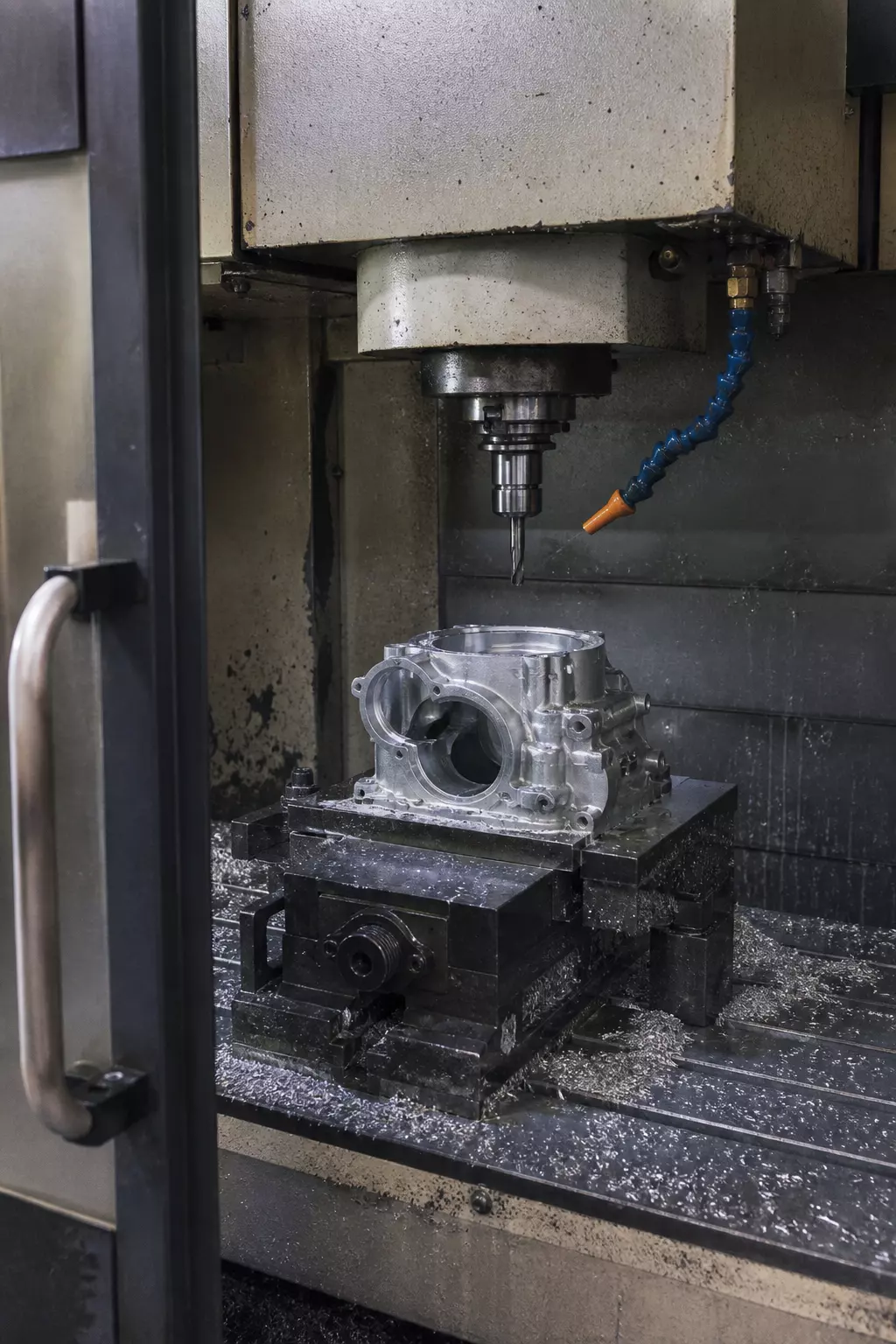
RELIA is Qingdao Relia Industries Co., Ltd., a China-based manufacturer. RELIA connects the product you need with the production route and inspection requirements before your order is agreed.
Flanges
In-house forging and machining.
Butt-weld fittings
In-house forming and end processing.
Gaskets
Spiral-wound, metal-ring and nonmetallic production.
Steel pipe
In-house industrial pipe manufacturing.
Industrial valves
In-house machining, assembly and testing.
For a first supplier review, use the company name shown in the PDFs. For a specific part, start with your drawing or product reference.
Explore RELIA’s manufacturing capabilities →Keep the original documents in your supplier file
Choose the PDF your purchasing or quality team needs. The preview and download button open the same original file.
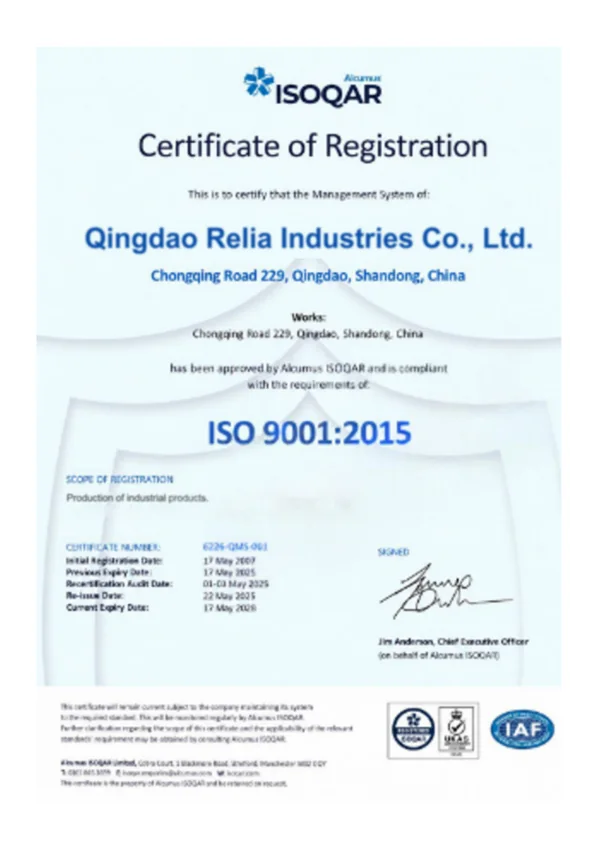
ISO 9001:2015 certificate
Quality-management documentation for your supplier review.
- Issued by
- Alcumus ISOQAR
- Scope or report coverage
- Production of industrial products.
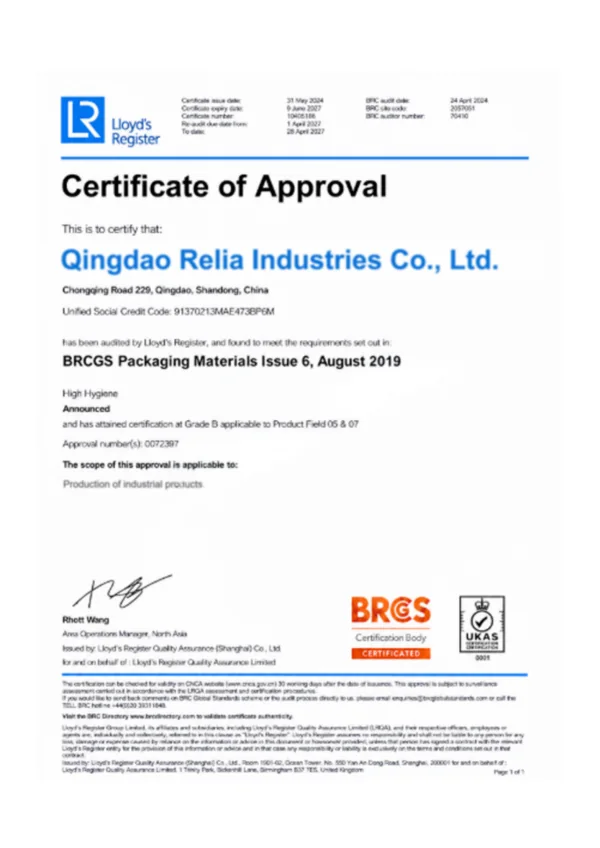
BRCGS certificate
Certificate of approval to BRCGS Packaging Materials Issue 6.
- Issued by
- Lloyd’s Register
- Scope or report coverage
- Production of industrial products.
SGS test report
The original report for checking the tested item and reported results.
- Issued by
- SGS
- Scope or report coverage
- Refer to the item, method and results in the PDF.
A company certificate and an order-specific inspection record serve different purposes. Check the scope in each document; use the agreed drawing and specification to define the records for your part.
See how the manufacturing route affects your part
RELIA’s process review starts with the material and the features that matter in your assembly. These routes show the main steps; detailed operations and any required heat treatment follow the agreed product specification.
Forged flanges
- Material selection
- Forging
- Face & hole machining
What this means for your orderThe bore, bolt-hole pattern and sealing face must work together with the mating flange.
Butt-weld fittings
- Material selection
- Forming
- Bevel & end processing
What this means for your orderThe fitting geometry, wall requirement and prepared ends must match the pipe connection.
Sealing gaskets
- Component materials
- Winding or shaping
- Finished dimensions
What this means for your orderThe filler, metal components and finished geometry must match the flange and operating conditions.
Dimensional checks, material documents and pre-shipment condition form the starting inspection scope. Additional testing is agreed for the individual order.
Agree the parameters that decide suitability
A product name is a useful starting point. Your application, connection dimensions and required records complete the specification. Open the relevant product checklist below.
- MaterialGrade and component roles
- InterfaceDimensions and connection
- ServiceFluid, load and temperature
- EvidenceChecks and required records
Flanges · material and mating geometry
Name the material grade and drawing revision, then match the bore, bolt-hole pattern and sealing-face form. A pressure-class designation alone does not define suitability for every temperature or material.
- Material grade and product standard
- Size, bore, drilling and sealing face
- Rating, service temperature and drawing revision
Butt-weld fittings · shape and pipe connection
For elbows, agree the angle and radius. For tees and reducers, identify the main and branch or large and small ends. The pipe outside diameter, wall requirement and end preparation need to be checked together.
- Fitting type, angle or end sizes
- Pipe outside diameter and wall requirement
- Material grade and weld-end preparation
Gaskets · four component roles
A spiral-wound gasket can use different materials for the winding, filler, inner ring and outer ring. An SS316 winding with graphite filler describes two of those roles; it does not specify both rings or confirm suitability for the fluid.
- Winding metal and filler
- Inner-ring and outer-ring materials
- Flange size, rating and service conditions
Steel pipe · dimensions and manufacturing route
Specify the outside diameter and wall thickness or schedule with the material grade, length and end condition. The required seamless or welded route and inspection documents need to be identified separately.
- Outside diameter, wall and length
- Material grade and required pipe route
- End condition and document requirements
Valves · connection and operating duty
Provide the valve type, connection and pressure or temperature duty with the fluid and operating method. RELIA reviews machining, assembly and test requirements against that duty before confirming the order.
- Valve type, size and end connection
- Body, trim and sealing requirements
- Fluid, temperature, pressure and test scope
For applicable dimensional and gasket requirements, reference the specified edition of ASME B16.5, ASME B16.9 or ASME B16.20. These references describe standards, rather than certifying a particular order.
Connect the company document to your actual order
Your quality team needs to know which evidence answers which question. Keep the supplier review, part definition and order checks connected rather than treating one certificate as proof of everything.
Identify the supplier
Use the legal company name and the relevant PDF scope in your supplier review.
Review the original PDFsDefine the part
Connect the product reference to the drawing revision, material and critical dimensions.
Follow the drawing-review guideAgree the checks
Specify which dimensional, material-document and pre-shipment records your team needs.
Plan your inspection recordsConfirm before dispatch
Keep the approved requirements, required records and packing expectations together.
Review the enquiry-to-delivery steps
RELIA can provide actual production and inspection photos and anonymised drawings or inspection records for review. Material identification, non-destructive examination, pressure testing and witness requirements are confirmed by project.
Make the first enquiry useful for both teams
You can start with a drawing, a product reference or an existing assembly. RELIA reviews the missing details with you before the production and document requirements are agreed.
OEM drawing review
Send the latest drawing, material grade and critical mating dimensions. Use the review to settle the manufacturing route and inspection points.
Prepare a custom-flange enquiry →Distributor replenishment
Identify each product reference, quantity and packing requirement. Confirm the agreed specification so repeat orders start from the same definition.
Review butt-weld fitting requirements →Project or maintenance supply
Start with the installed connection, fluid and operating conditions. Match the part and records to the project’s acceptance requirements.
Review flange-gasket selection →- 01 Share the requirement
- 02 Review fit and process
- 03 Agree checks and records
- 04 Confirm packing and dispatch
Bring a product reference into the conversation
These catalogue references help identify the product form. RELIA will confirm the material, dimensions and required tests for your enquiry; the image alone does not establish those details.
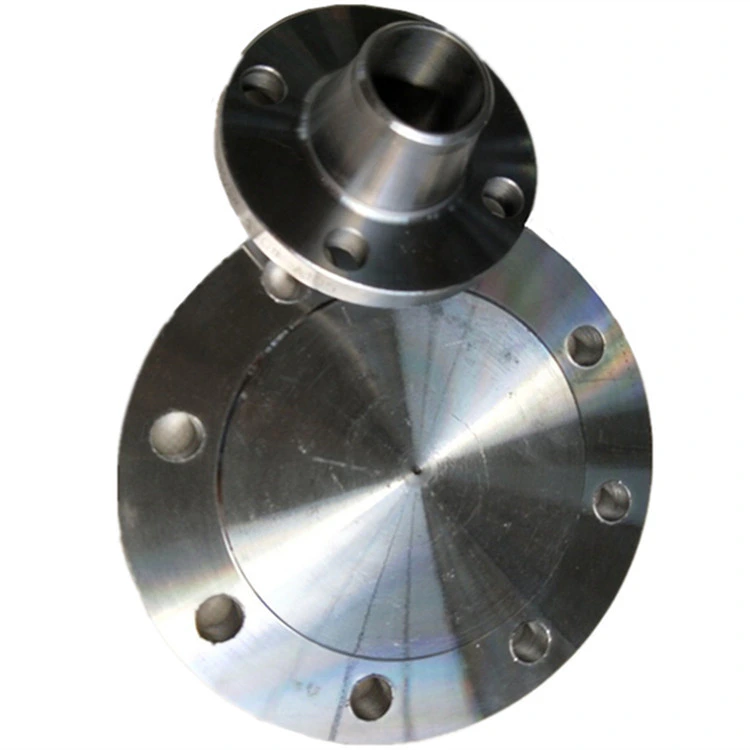
Pipe flanges
Start with the flange form, then confirm the material, mating dimensions and sealing face.
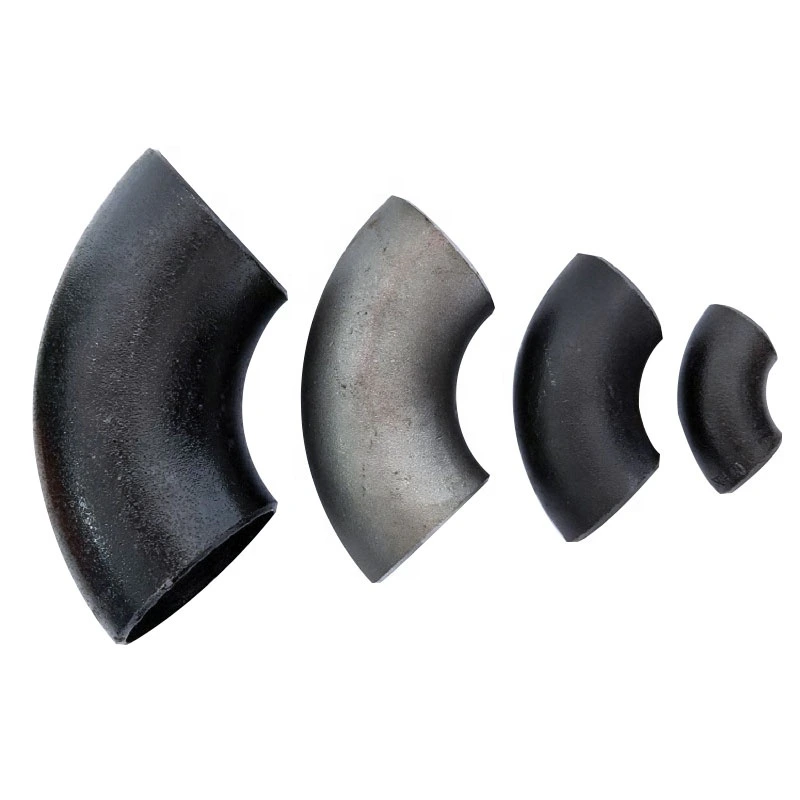
Butt-weld elbows
Use an elbow reference to discuss the angle, radius, pipe size and wall requirement.
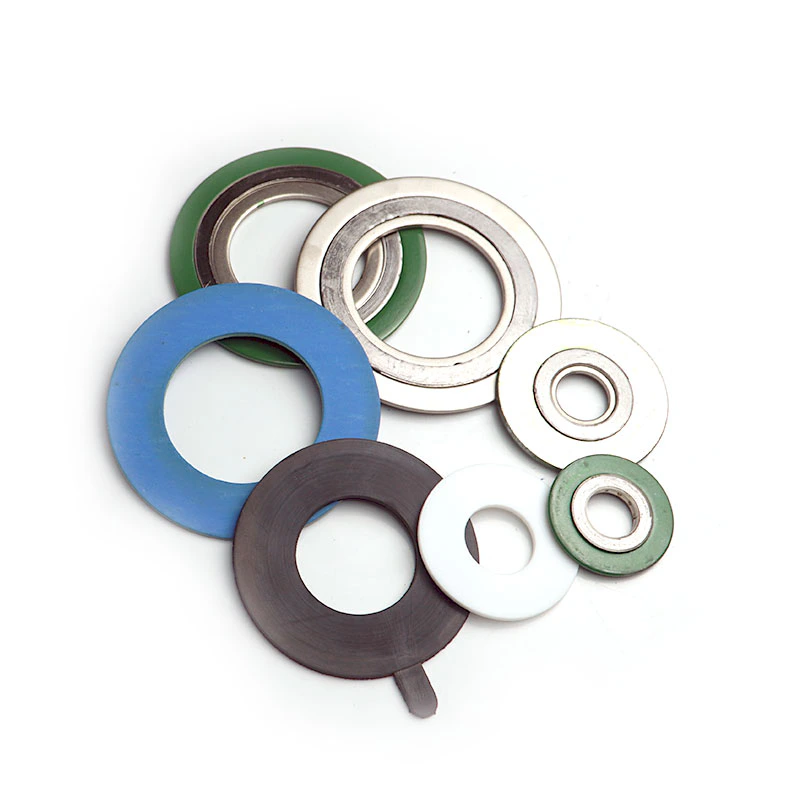
Flange gaskets
Identify the gasket form and component materials before matching the flange and service.
Send the part and the documents you need
Share what you already have. A drawing or product link, the quantity and your inspection requirements give RELIA a useful starting point for the technical review.