Harvester cutting system
Identify the cutterbar system before choosing a similar-looking part.
A guard, knife section or related cutting part must match the machine interface and the parts working beside it. Use the OEM reference when reliable, then confirm position, hole pattern, dimensions, section profile and wear condition.
Component-role map
The parts operate as a system
Replacing one worn item without reviewing its mating surfaces can leave poor cutting, heat, drag or repeat failure. The selection should consider how the section passes through the guard and how the hold-down, ledger area and drive alignment control that movement.
Knife guard
Confirm single or double finger form, mounting pattern, throat geometry, ledger configuration, position and any left/right distinction.
Knife section
Confirm length, width, hole spacing, serration or edge style, thickness, rivet or bolt connection and mating guard system.
Hold-down and related parts
Review clearance, wear, deformation, mounting and whether another component is forcing the knife away from its intended path.
Identification passport
Build evidence that survives a model-name mismatch
Machine brands can use different cutterbar systems across models, years and markets. A complete identification record reduces the risk of selecting from appearance alone.

Material and process
Wear resistance is a balance, not a single hardness claim
Material condition, forming, heat treatment, edge geometry and inspection influence service behavior. Higher hardness alone does not guarantee better performance if toughness, impact, alignment or mating-part wear is unsuitable.
Where a listing does not publish a project-specific hardness or process value, the requirement can still be discussed and confirmed from the application, drawing, sample and acceptance plan.
Selection sequence
Move from evidence to a controlled match
Collect numbers, machine and part position.
Use stable surfaces and record units.
Check the complete hole and profile pattern.
Separate original geometry from service damage.
Choose stock matching or custom production review.
Buyer questions
Common identification questions
Is the machine brand enough to choose a knife guard?
No. The same brand may use different cutterbar systems. Include the model, reference number, mounting pattern, dimensions and photographs of the actual position.
Can RELIA work from a worn sample?
A worn sample can support identification or custom review, but the original geometry must be separated from wear, bending and repair. Stable interfaces and mating parts may also need measurement.
Does a higher hardness always mean longer service life?
No. Cutting performance and wear depend on hardness together with toughness, geometry, alignment, crop and field conditions, mating parts and installation. The suitable balance should be confirmed for the application.
Factory context for this technical guide
Compatibility Data Connects the Cutterbar System to Repeat Production
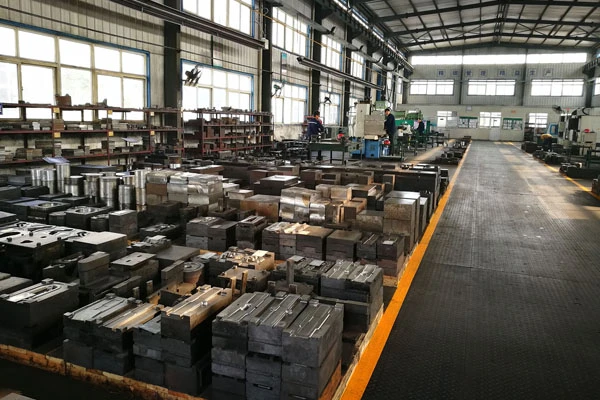
RELIA manufactures knife sections, guards, chopper blades and knife bars in its own factory. The identification steps in this guide become the fit and inspection basis for the approved SKU.
References cover major brands such as John Deere, CLAAS, New Holland, Case IH, Massey Ferguson and Fendt. Compatibility is confirmed from the exact model, OEM reference and cutterbar geometry.
Parts identification
Send the evidence already available.
Provide the OEM or casting number, machine model, part position, key dimensions, photographs, quantity and any cutting problem. RELIA can review a stock match or custom manufacturing route.
Complete route
Choose the next decision within harvester cutting parts
The routes below divide harvester questions into selection, measurement, troubleshooting or sourcing tasks. Open the narrowest useful page rather than reading the whole library in sequence.