
Fasteners
Fastener Type Comparison
Compare bolts, screws, nuts, pins, rivets, washers, springs, clamps, anchors and studs by the joint behavior they provide.
Decision map
Compare functions before comparing Fastener Type Comparison options
Begin with “Permanent versus removable joint” and keep the remaining conditions connected to the same requirement.
| Decision | Why it changes the review | Useful buyer input |
|---|---|---|
| Permanent versus removable joint | For fastener type comparison, define “permanent versus removable joint” through function, interface and an observable acceptance method. Keep an unknown value visible as an open item so it can be confirmed before it becomes a manufacturing or purchasing requirement. | joint function |
| Threaded clamping versus location or pivot | Specify the complete thread system, diameter, pitch or TPI, handedness, fit class, engagement and inspection condition. Coated threads should be accepted in the finished condition using the agreed gauge or measurement method. | access conditions |
| Access from one or two sides | Show the installed arrangement, supports, restraints, clearances and adjacent services. A correctly selected component can still fail to perform when installation transfers unintended load or blocks the movement it was intended to accommodate. | access conditions |
| Load distribution and retention | Describe how load reaches the component: magnitude, direction, distribution, repetition, shock and abnormal conditions. The review can then balance material, section, heat treatment and verification rather than selecting from one headline strength value. | load direction |
| Assembly speed and serviceability | Provide operating speeds or forcing frequencies, equipment condition and the response that must be reduced. Isolation is a system relationship between load, stiffness, deflection, frequency and connected services—not a property of the mount name alone. | service/removal need |
Buyer questions
Practical comparison questions about Fastener Type Comparison
These answers help prepare and compare a fastener type comparison requirement. Final ratings, dimensions and acceptance remain tied to the actual project data supplied for review.
What information is needed for bolts, screws, nuts, pins, rivets, washers, springs, anchors, and studs?
Start with joint function, access from one or two sides, load path, removability, dimensions, material, environment and assembly method. Then identify the fastener family, standard or drawing, thread, finish, quantity and inspection needs. For the next review, attach or state access conditions.
How do bolts and screws differ in joint design and procurement?
Bolts are commonly used with a nut or defined clamped assembly, while screws may engage a tapped feature or form their own mating thread. Procurement should follow the actual joint and standard; the everyday names alone do not fully define the part. For the next review, attach or state joint function.
When are pins or rivets more appropriate than threaded fasteners?
Pins suit location, pivot or shear functions, while rivets create a permanent or semi-permanent formed joint. Compare access, removability, load direction, hole condition and assembly process before replacing a threaded fastener with either option. For the next review, attach or state load direction.
Requirement package
Describe the installation and motion that drive the choice
For fastener type comparison, send confirmed values with their units and source. Mark an unknown as “to be confirmed” instead of converting it into a guessed production requirement.
A review can begin from joint function, access conditions, load direction. RELIA can then separate information suitable for product-range matching from decisions that require custom production or further technical confirmation.
Review sequence
Use function, interface and duty to narrow the alternatives
This sequence allows an early discussion of fastener type comparison without hiding missing information. It keeps confirmed inputs, quotation assumptions and remaining decisions visible to both buyer and supplier.
Define the job
State what fastener type comparison must accomplish before naming an option.
Compare the interfaces
Review joint function, access conditions, load direction against the real installation rather than visual similarity.
Test the trade-offs
For fastener type comparison, compare flexibility, restraint, maintenance, material and verification needs under the same operating assumptions.
Document the selected route
Record the chosen concept and the remaining values that must be confirmed before release.
Decision boundary
The point where a general comparison must become a project review
This fastener type comparison page provides a disciplined starting point, not a substitute for the buyer's design authority, applicable code or final project approval.
Use this guide to prepare the Type Comparison review
- organize the known joint function and access conditions
- compare proposals using the same assumptions
- identify dimensions, duty or records still missing
- choose between product-range review and custom-production review
Final Type Comparison approval stays with the project specification
- final size, material, rating, process or configuration
- compatibility with the complete operating and installation environment
- applicable code, end-user or design-authority approval
- order-specific sampling, testing, documents, packing and delivery terms
Factory context for this technical guide
Fastener Type Selection Stays Connected to the Joint and Process Route
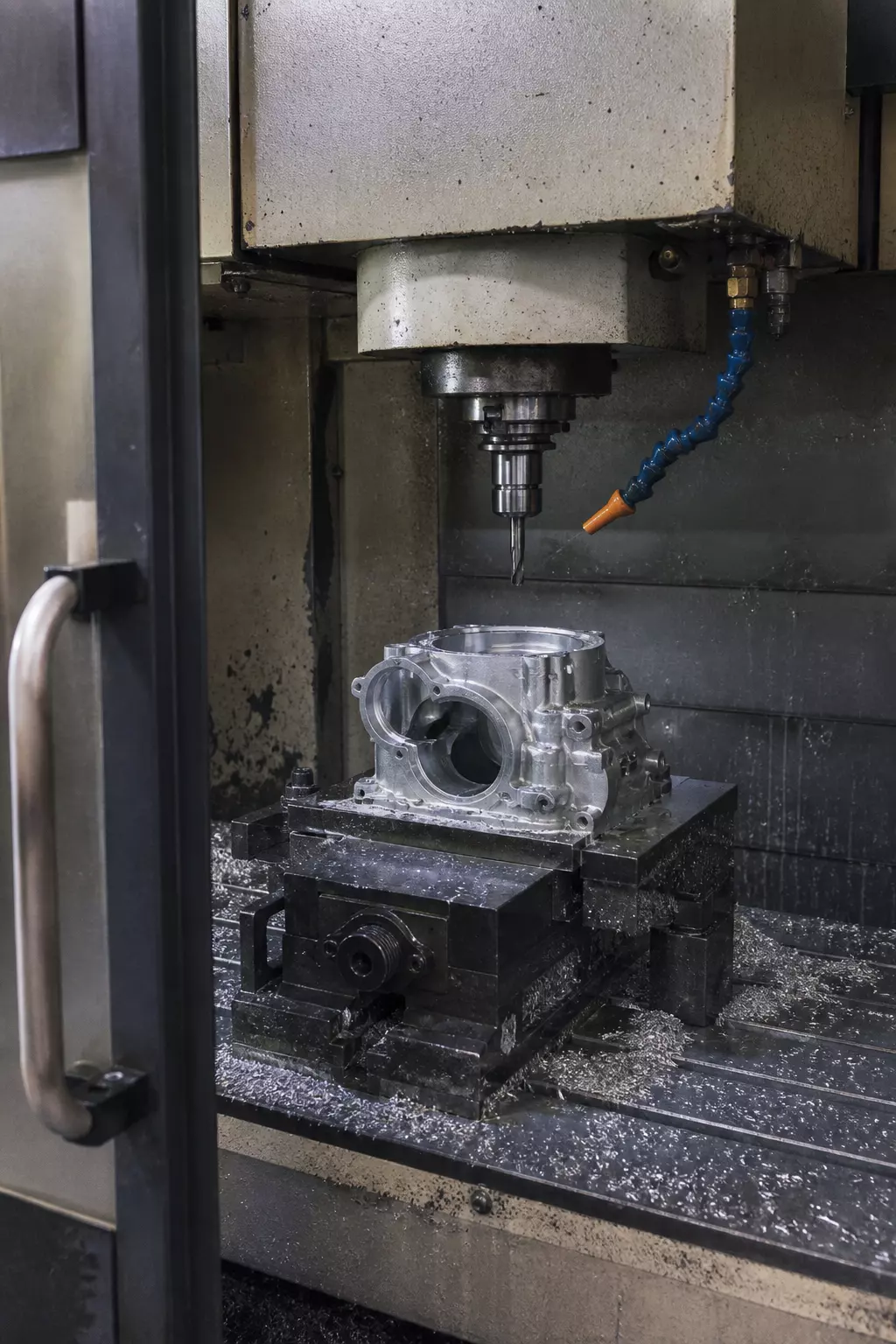
RELIA manufactures multiple fastener families in its own factory. The comparison in this guide becomes a controlled choice of load path, geometry, thread, material and assembly method.
A similar outline is not treated as interchangeability. The selected type keeps its joint function, approved dimensions, finish and inspection points through production and repeat ordering.
Project-specific review
Send the information available for fastener type comparison.
RELIA can organize joint function and access conditions, return a list of open items, and review whether the request should proceed through an available product range or custom production.
For a fastener type comparison inquiry, applicable ISO 9001, ISO 14001 and other supplier-qualification documents can be discussed and current copies provided on request. These management-system records do not replace order-specific product acceptance.