
Industrial sourcing
A useful RFQ separates confirmed requirements from open questions.
Industrial components are often sourced from drawings, samples, existing references or partial operating information. A controlled sourcing process makes those inputs visible, decides whether stock matching or custom production is appropriate, and carries the same assumptions into quotation, sampling and inspection.
RFQ to repeat production
Keep one requirement trail through five stages
Requirement intake
Collect files, references, project conditions, quantity and destination.
Technical clarification
Separate confirmed values, conflicts, assumptions and missing interfaces.
Quotation route
Compare available products with custom manufacture and define scope.
Sample & approval
Confirm revision, acceptance features and any approved reference sample.
Production & delivery
Carry the approved requirement into inspection, packing and shipment.
RFQ input board
Incomplete does not mean unusable
Send the information already available. Unknown items should be marked as open rather than filled with assumptions. RELIA can identify which gaps block quotation and which can be confirmed later.

Commercial and quality alignment
The quotation should state what is included
Technical scope, inspection documents, marking, packaging and delivery assumptions affect cost and execution. They should be visible in the quotation instead of being discovered after production.
For custom items, the approved drawing or sample and agreed inspection scope should remain linked to the order so repeat production follows the same controlled reference.
Quality communication
Ask for evidence that matches the order risk
Specification record
The controlled drawing, standard, sample reference and written clarifications define what is being purchased.
Inspection evidence
Material documents, dimensional results, process records or tests should correspond to agreed critical requirements.
Shipment confirmation
Quantity, identification, packing, documents and destination requirements are checked before release.
ISO 9001 and ISO 14001 relate to management systems; they are not product certifications. Relevant company documentation can be requested from RELIA and reviewed against the legal entity, scope and current validity required for the sourcing project.
Buyer questions
Questions buyers ask before sending an RFQ
Can RELIA quote when some technical data is missing?
Often yes, depending on which data is missing. Send confirmed information and mark open items. RELIA can identify what is needed for a reliable stock match or custom quotation.
When is a sample required?
A sample may be useful for identification, measurement or approval when drawings are unavailable or the existing part is the practical reference. Its wear and condition must be considered.
Which inspection documents should be requested?
Request documents that correspond to the actual risk and contract requirement. The suitable scope may include material, dimensions, process, performance, appearance, quantity or packing records.
Are ISO 9001 and ISO 14001 product certificates?
No. They are management-system standards. Product conformity must be assessed against the applicable product specification, drawing, test and order requirements.
Factory context for this technical guide
The RFQ Can Be Checked Against Real Factory Scope Before Quotation
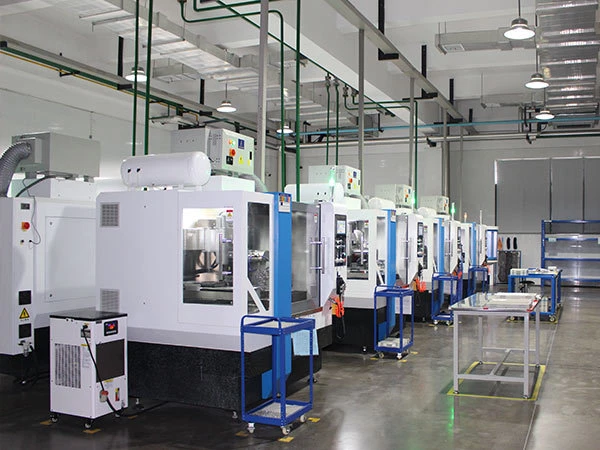
Qingdao Relia Industries Co., Ltd., established in 2006, handles the enquiry, technical review and commercial response. RELIA directly operates its approximately 600,000 m² production site in Qingdao.
The RFQ should identify which drawing, process and inspection requirement applies to each item. We then keep open assumptions visible before sample, quotation and production approval.
RFQ preparation
Send the project files you already have.
RELIA will organize confirmed data and open questions, compare stock and custom routes, and clarify the information needed before quotation, sampling or production review.
Complete route
Choose the next decision within component sourcing and rfq preparation
The routes below divide quality questions into selection, measurement, troubleshooting or sourcing tasks. Open the narrowest useful page rather than reading the whole library in sequence.