
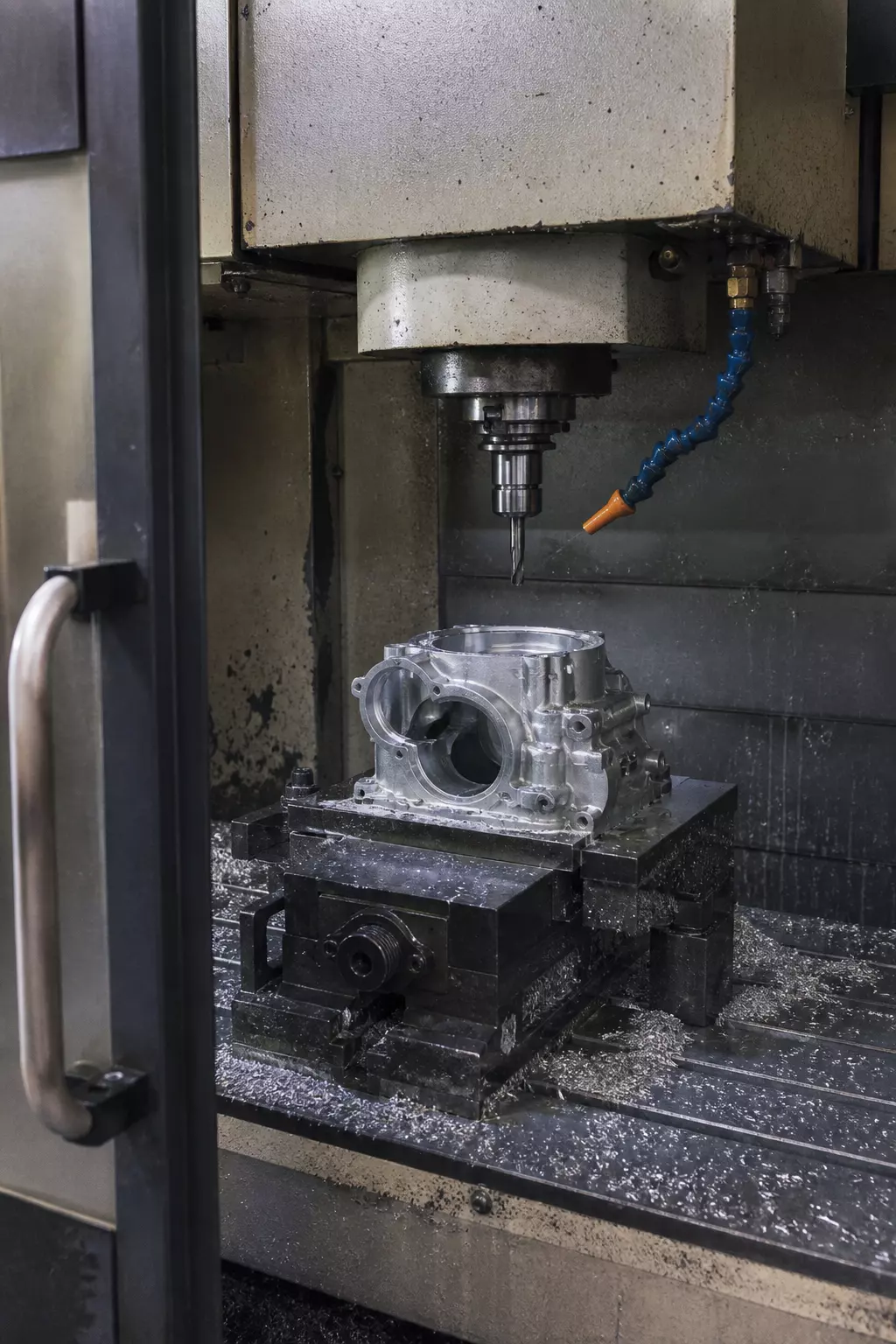
Bulk Metal Parts for Established Machinery Distributor SKUs
RELIA can supply established distributor metal-part SKUs in bulk after the drawing, process route and inspection basis are confirmed per item.
If you sell established agricultural-machinery metal parts in volume, you can review us as a Qingdao supplier for repeating a defined SKU with its existing fit, drawing and receiving requirements. Our company profile describes casting, forging and custom metal work, and the store shows casting and forged-part examples. We can start with your part number, drawing or usable sample, compare the finished features customers rely on, and discuss a route and quantity basis for the matched item.
The wholesale decision is whether we can repeat the finished part your customers recognize, at a quantity and inspection basis you can put behind that SKU. We use a catalog shape only as a starting point. Before you buy, we confirm the agricultural fit, current availability and production route for that exact item. So we keep your replacement decision separate from a new drawing-led OEM project.
Keep Existing Supply Separate from New OEM Development
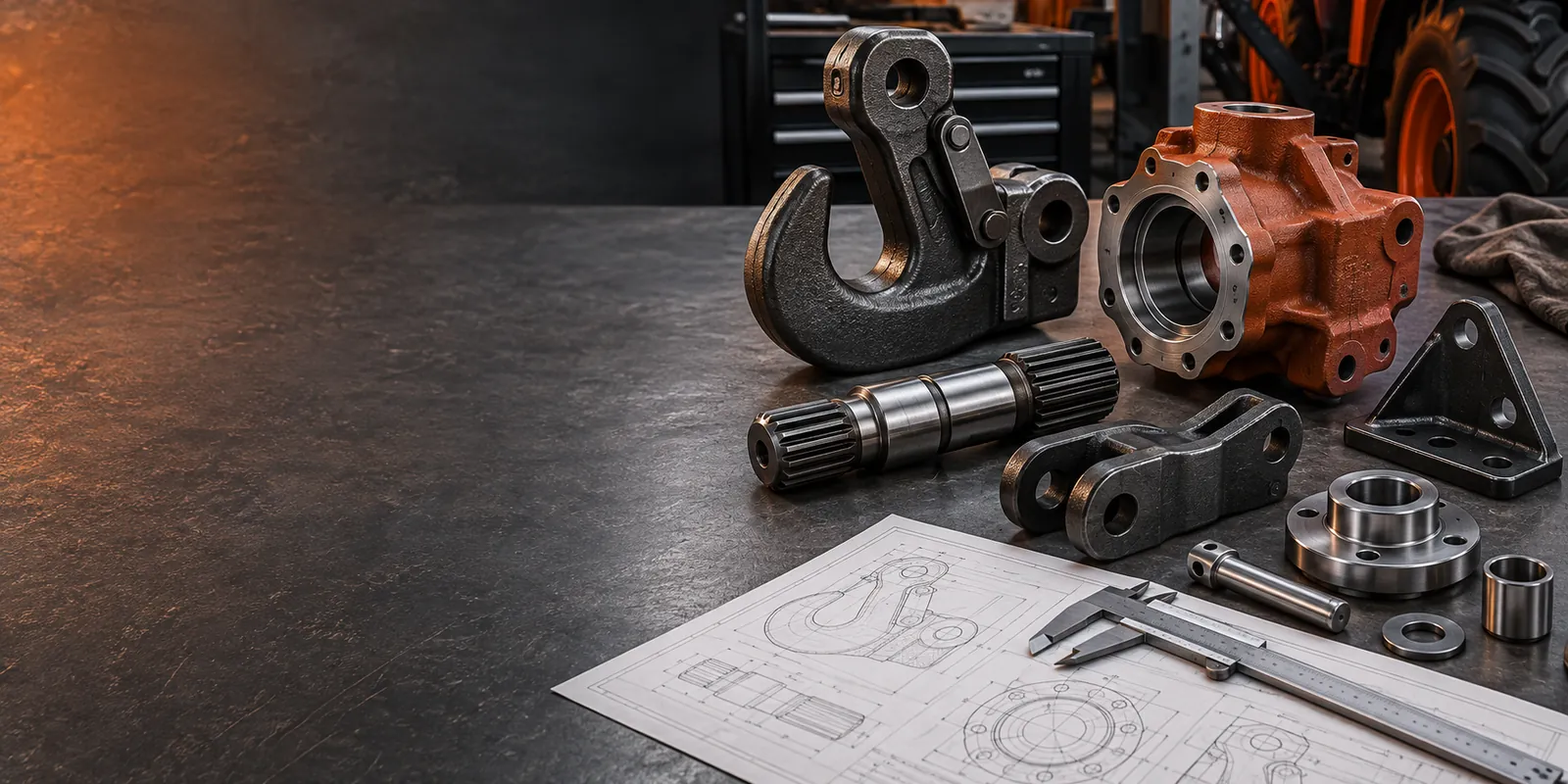
An existing distributor SKU may begin with a part number, an approved drawing or a serviceable sample. Its procurement task is to identify the same delivered part, agree the supply route and control later batches. A new product design needs decisions about geometry, tooling and approval before any repeat order is meaningful. High volume alone does not turn development into ordinary wholesale replenishment.
We can discuss both routes with you, but they should not share one quotation line or one promised lead time. Our multi-process OEM guide covers a new drawing-led program. Keep your wholesale replenishment list with the metal parts your business already recognizes.
Let Your Customer Orders Define the Metal-Part Range
The brackets, hooks, housings, shafts or other metal parts that your machinery customers reorder set the range. Machine and installation position help us distinguish two similar parts whose finished interfaces differ. Our OEM metal product range offers examples of shapes and process families; your sales history decides which of them deserves a replacement comparison and which would be a new-development enquiry.
A casting, forging and spindle in separate catalog results do not automatically make a coherent aftermarket assortment. We would keep candidate listings tied to your own SKU and avoid treating a familiar product name as proof that the finished part fits your customer's machine.
Define the Delivered Part Beyond Its Process Name
For each SKU, keep the current drawing revision or measured reference, material requirement, finished dimensions, mounting surfaces, holes, fits and any surface treatment that matters after installation. You sell a finished usable component, not a casting or forging identified only by its first process. When we review the item with you, we can use the delivered-part reference to compare catalog candidates and identify the operations that still stand between a rough form and your customer's assembly.
Our review can separate the features that govern machine fit from features that are only cosmetic. The response should state which reference controls the offered part and which dimensions still need to be checked before you order a batch for resale.
Every Metal-Part SKU Keeps Its Drawing and Process Route
For a mixed metal-parts program, every item keeps its own drawing, process route and inspection record while your team works through one enquiry.
Each existing SKU keeps its drawing or sample reference, material, finished condition, route, inspection points and pack identity. External operations are named separately.
RELIA operates casting, forging, more than 30 CNC machines and fastener production in its own factory. Three CMMs, two spectrometers and project-specific inspection plans support release decisions.
Each part follows its approved process route and inspection plan, even when several manufacturing methods share one project schedule.
Before release, keep each item tied to its own drawing, process route, quotation and inspection record. Review the company profile or request the current ISO certificate copies.
Approve a Reference Before the First Bulk Run
When you provide a first sample or technically defined reference, we can compare the proposed part with the one your customers already accept. Together we can record mating dimensions, material evidence and any feature linked to past returns. If the old sample is worn or repaired, mark those areas so we do not turn wear into a new production specification.
Once you approve a version, keep that revision with the SKU and the first bulk quotation. Later changes to material, interface geometry or finishing should return to technical review instead of passing unnoticed through a repeat purchase.
Let Past Fit Complaints Set the Inspection Focus
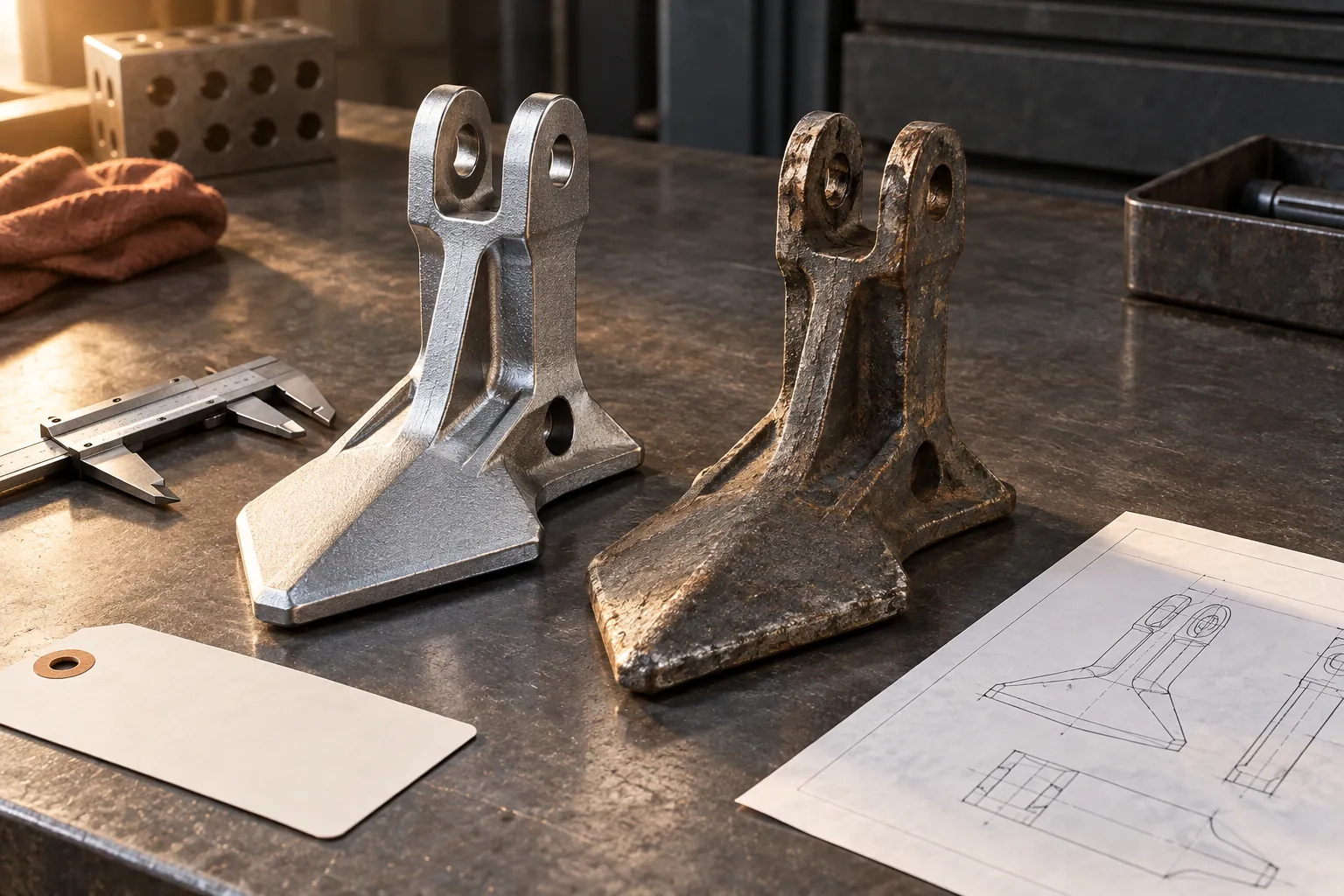
Your return notes can tell us more about an established machinery SKU than a generic quality claim. If customers have reported a tight bore, misaligned hole or unfinished mounting face, show that issue beside the approved reference. We can discuss whether those features need a first-sample check, an in-process check or a final batch record for the offered part. That connects manufacturing control to the complaint you are trying to prevent.
Our inspection-records guide explains how a requirement can be connected to a record. The actual inspection scope and available result must be agreed for the selected configuration; the guide alone cannot prove that a past return cause has been controlled in a new batch.
Treat Tooling and Per-SKU Volume as Quote Inputs
Your first batch and later replenishment can carry different conditions if tooling, a sample revision or process setup is involved. Place initial quantity, expected repeat quantity and required delivery window beside the approved part reference. We can then discuss a commercial basis for that configuration and identify where tooling or an unresolved feature still blocks a production schedule. Packaging unit, destination and an accepted substitution belong on the same line.
We do not convert a website example into a fixed wholesale price, minimum order or lead time. A useful quote identifies the approved reference, tooling responsibility, quantity basis and the condition that starts the production schedule.
Keep the Approved Part Visible Through Receiving
Your warehouse may receive several forged or cast items that share a short commercial name. The part revision, finished specification and unit count should travel with your SKU on the receiving record. We would discuss how the selected lines are identified on cartons and documents, and name the actual maker or supplier for each. A private label or consolidated pack is an order condition to confirm, not a capability proven by the catalog.
If a customer later reports a fit problem, the receiving identity gives both of us a concrete starting point: the sold revision, the supplied batch and the approved feature that should be checked. That is more useful than a company-wide claim of traceability with no identified part.
Distributor Metal-Part Ordering Details
These points help your purchasing team keep MOQ, packing and repeat orders clear at SKU level.
Existing distributor parts stay separate from new development
A repeat SKU follows its approved drawing and process route, while a new part receives its own sample and quotation path.
MOQ follows the process and annual demand
Cast, forged and machined parts carry different setup and tooling needs, so the commercial basis is confirmed per item.
Past complaints can define inspection priorities
Fit, surface or receiving problems from the current supply can be translated into named checks for the replacement source.
Send the Metal-Part List You Already Sell
When you send your existing SKUs with machine applications, part numbers, drawings or serviceable samples, finished-part requirements, quantities, packing needs and destination, we can review the part you already sell instead of starting from a generic product name. Mark exact replacements separately from reviewed alternatives. We can distinguish matched part candidates, technically unresolved lines and genuine new-development work, then discuss commercial terms for the lines with a defined delivered part. That gives you a clearer basis for choosing a supplier for the SKUs you already sell.
Send your existing part list, email the references or share them on WhatsApp. Keep the current revision or sample with each line so the response addresses the metal parts you actually distribute.