
Rubber Expansion Joint Candidates for Multi-Size Water Projects
RELIA matches rubber expansion joints to the actual pipe schedule, movement, pressure and connection details of each water project.
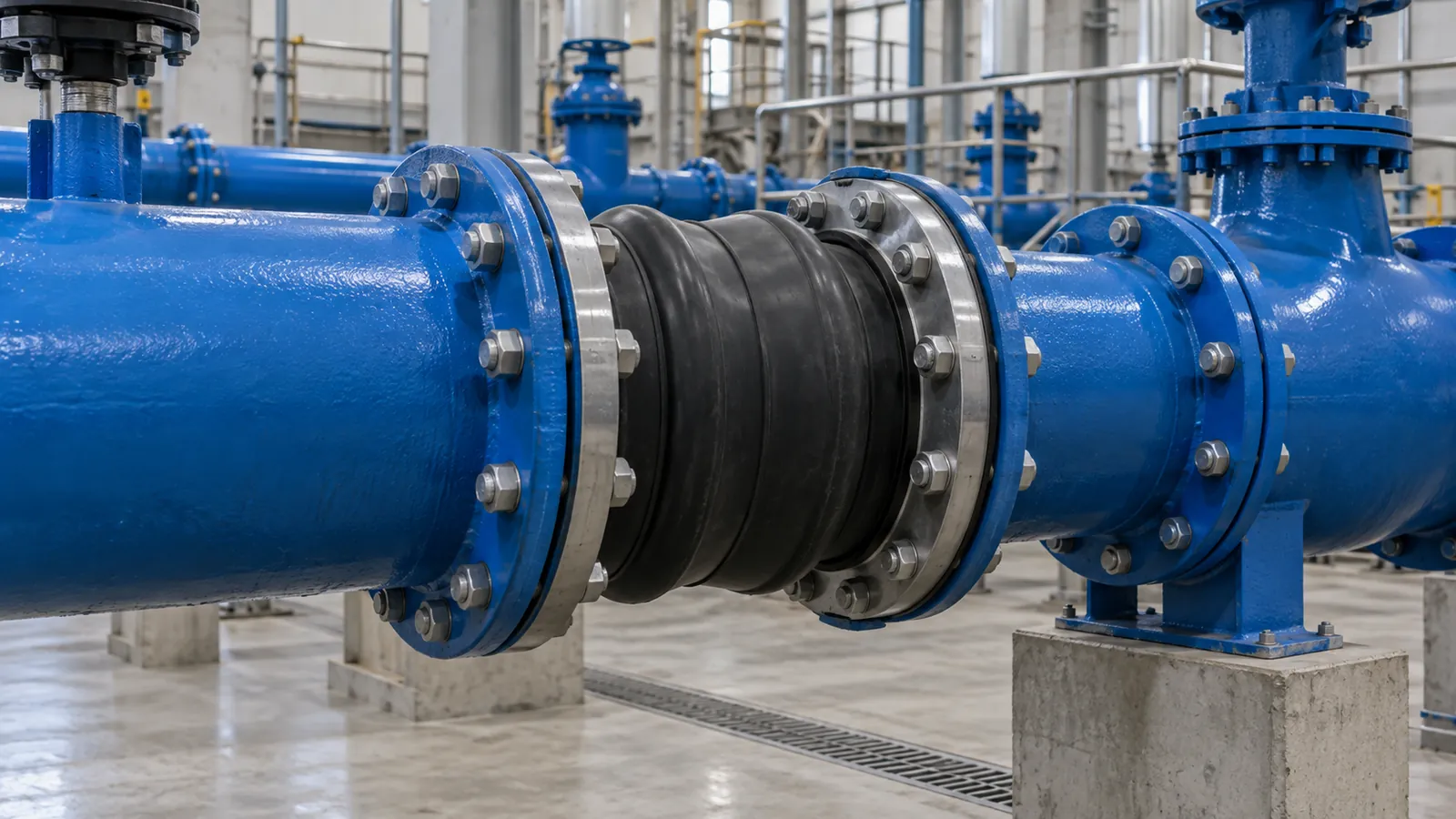
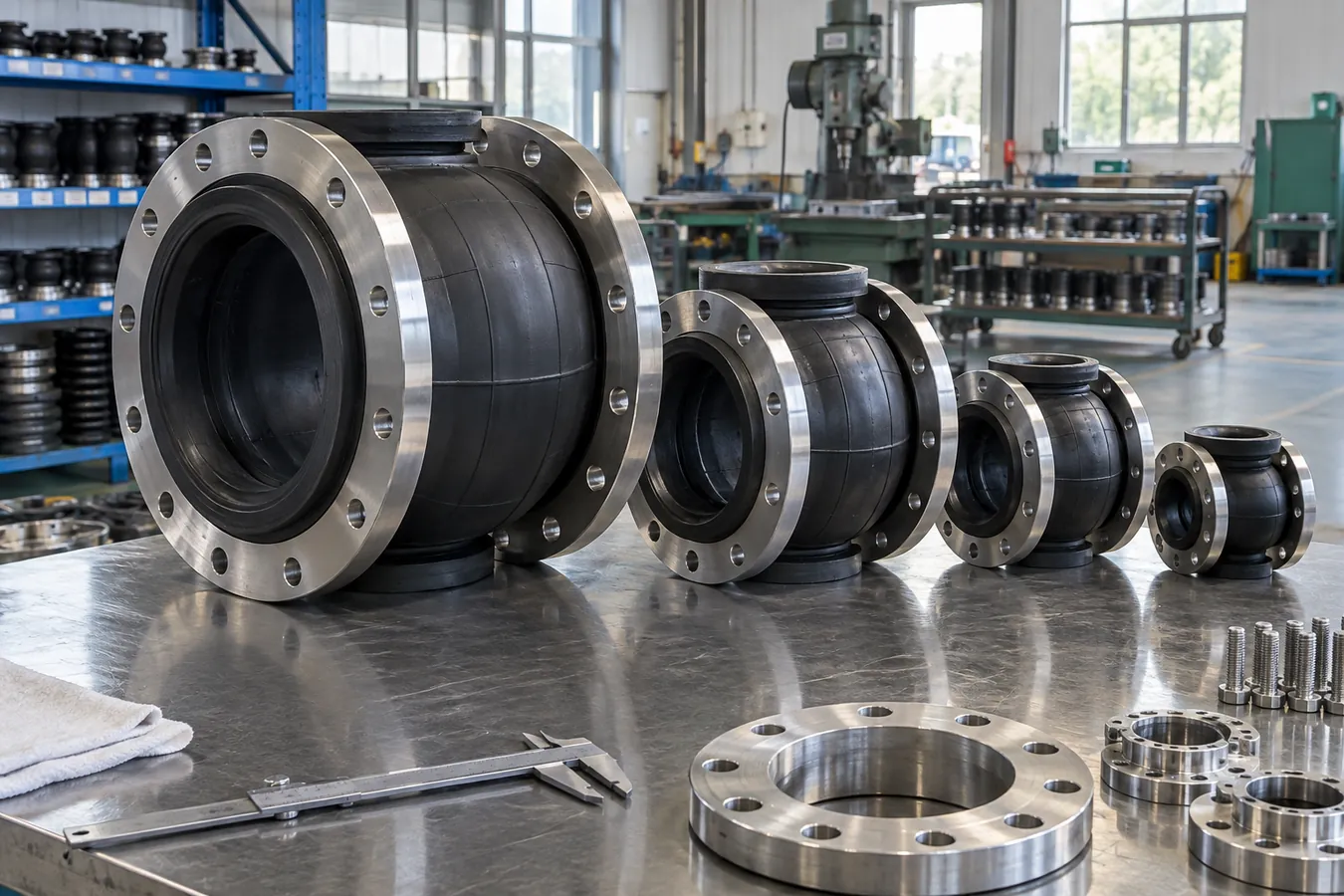
For a water project with several pipe sizes, we can compare rubber-joint candidates position by position against the line schedule. Our product pages show double-sphere flanged joints and single-sphere flanged examples. Size, flange, medium and operating conditions must be confirmed for each location before a product becomes a project recommendation.
For your water-project schedule, we can review each installation position against one exact joint configuration rather than promise a universal range. That gives your procurement team a clearer size list and keeps the flange and movement conditions attached to the correct line.
A Pipe-Size Schedule Is Better Than One Range
List every installation position with nominal size, measured pipe or flange details and required quantity. A broad DN range in a title does not prove every size is available in the exact configuration you need.
Connection Standards Need an Exact Match
Send flange drilling, facing, pressure class and face-to-face length. Two joints sharing a nominal size may not connect to the same flanges. A project proposal should name the actual end connection for each chosen item.
Medium and Temperature Shape the Material Review
Tell us what flows through the pipe and the operating and exceptional temperatures. EPDM in a listing is a specific catalog phrase, not an approval for every water-treatment medium or chemical condition. Confirm the supplied elastomer and its project suitability.
Movement Needs Direction and Magnitude
Describe the movement the system design expects at each joint, including axial, lateral or angular requirements where applicable. A product photograph cannot supply that duty.
Anchoring Remains Part of the Installation
Provide the locations of anchors, guides and nearby pumps or valves. A rubber joint cannot safely replace a missing restraint or correct any arbitrary misalignment. The recommended configuration depends on the system around it.
Several Sites May Need Different Joint Types
A single-sphere example and a double-sphere example should not be treated as universal alternatives. Compare them only against the dimensions and movement needs of a specific position.
Each Rubber Joint Needs Its Own Technical Data
Request the technical specification and any evidence your water-project team requires for the selected size and joint. The site catalog is first-party material, not independent certification of your installation. Do not carry a pressure or material phrase from one listing to another.
Every Rubber Joint Position Keeps Its Own Service Data
For your pipeline item, the actual position, dimensions, medium, pressure and connection details stay with the quoted configuration and inspection record.
Each joint position needs pipe size, flange, medium, temperature, pressure basis, movement, quantity and required evidence. Test values are only stated when supported by the applicable project record.
RELIA manufactures rubber joints, metal bellows, industrial and dredging hoses, valves, pipe connections and repair products in its own factory. A pressure and leak test bench supports project inspection, and each line is approved against its own service conditions and test plan.
Typical rubber-joint capability includes 20–30 mm axial compression, 10–20 mm axial extension, 10–40 mm lateral movement and PN10–PN25. Burst pressure is normally at least three times working pressure; project fatigue validation is typically above 100,000 cycles.
Before release, match the actual line position, approved configuration, quotation and test record to the item you plan to install. Review the company profile or request the current ISO certificate copies.
Send the Joint Location Schedule
Send location, size, flange details, medium, pressure, temperature, movement, supports and quantity for each line. Mark any existing joint you are replacing. Share these details with us for a position-by-position proposal.