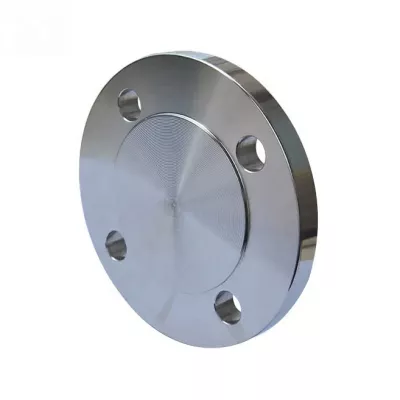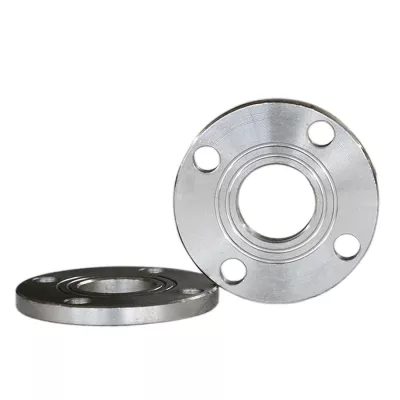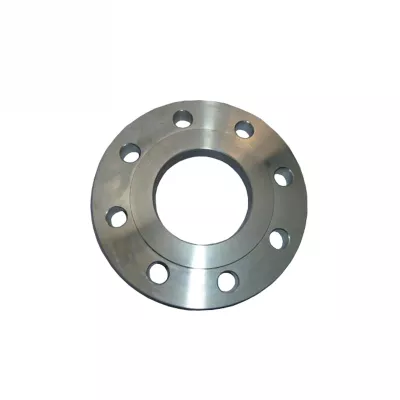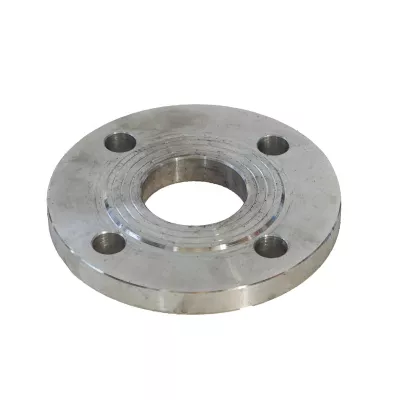
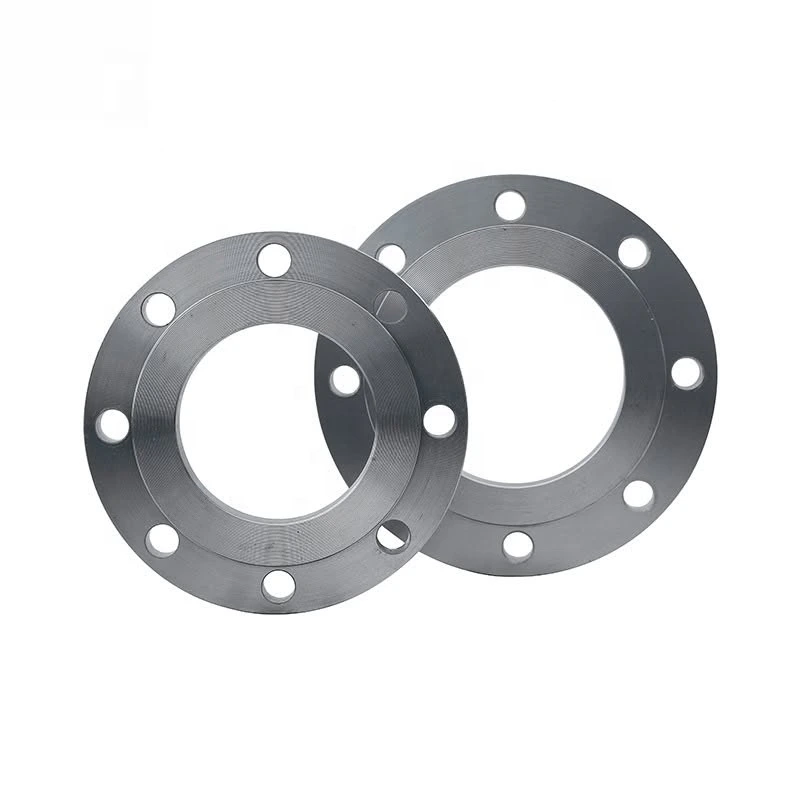
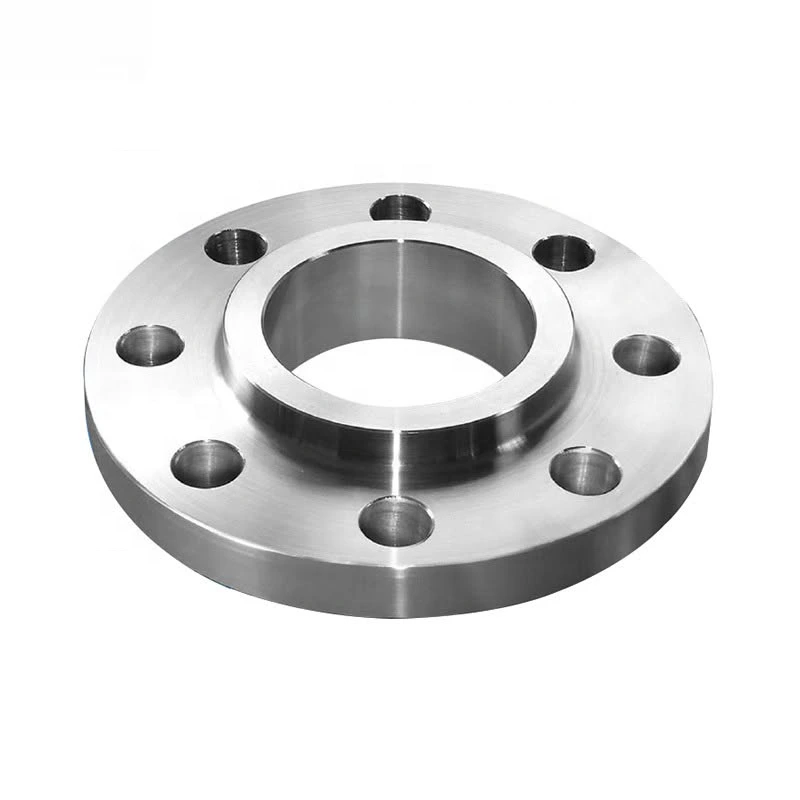
PN16 Carbon Steel Weld Neck Flange for Oil and Gas
For industrial sourcing
Prepare a clearer RFQ
Include the details below so RELIA can understand the part and discuss the next step with you.
- Drawing, sample, or reference standard
- Material grade and preferred process
- Dimensions, tolerances, and surface finish
- Application, target quantity, and destination
Production timing, packing, and shipping terms are confirmed for each project after specifications and trade terms are agreed.
-
Surface TreatmentPolishedApplicationIndustrial Equipment
-
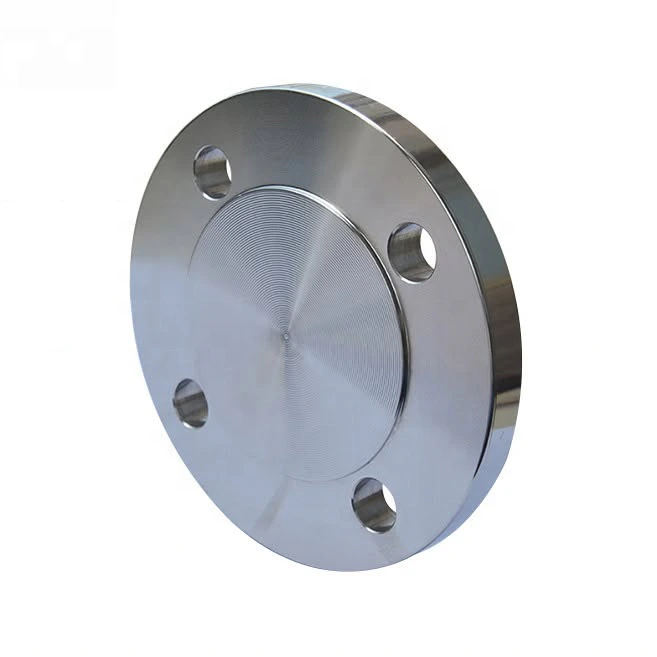
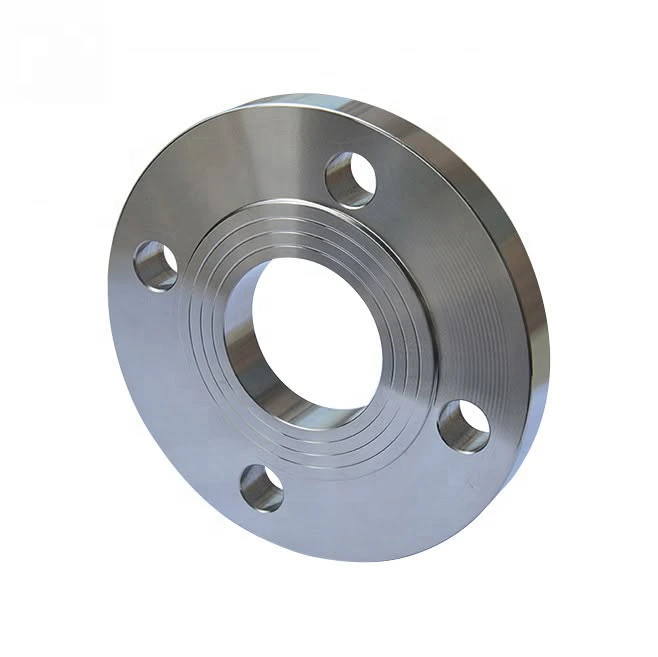
Bolt Hole Diameter1/2"Bolt Hole Quantity4
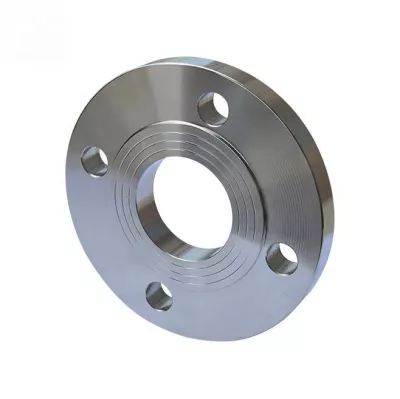
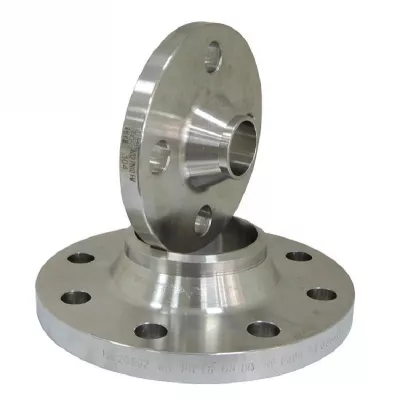
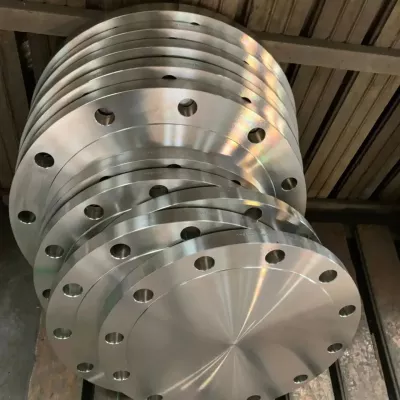
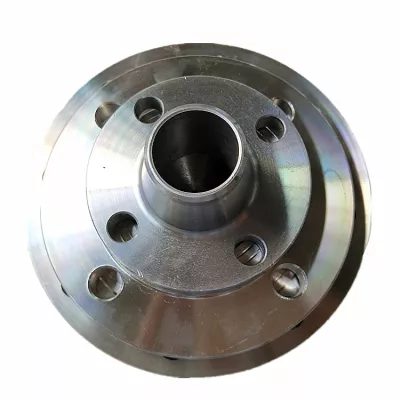
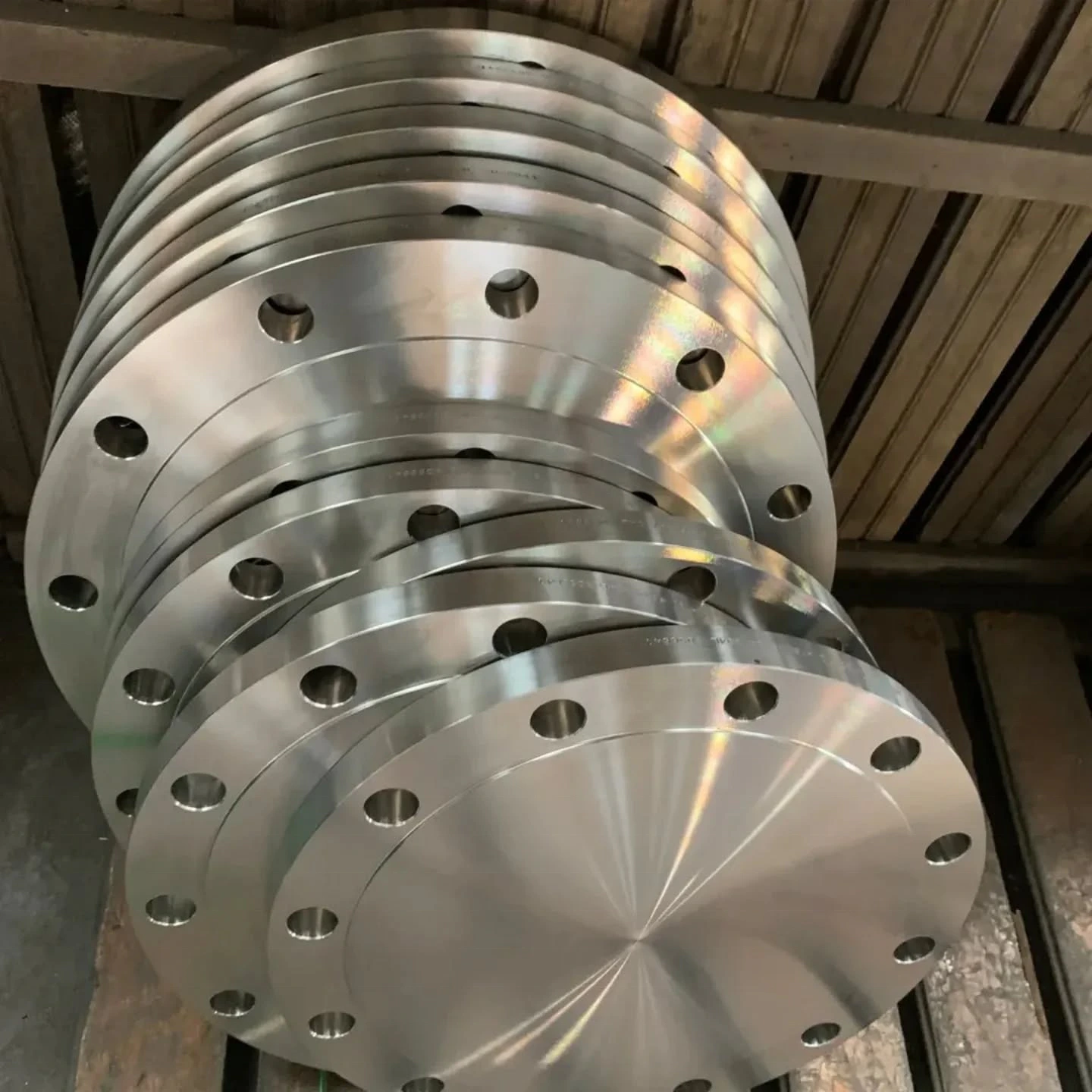
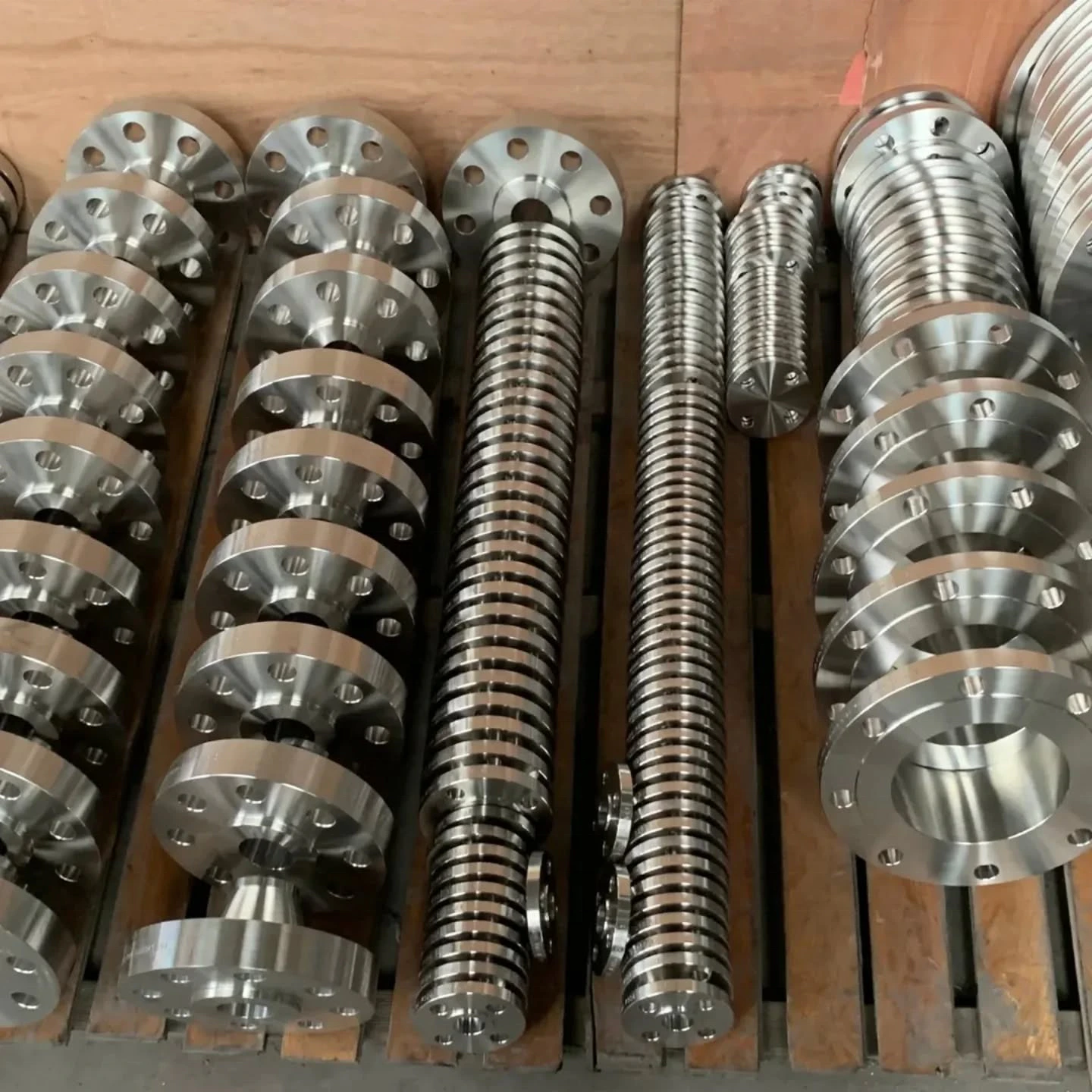
This oil and gas piping listing describes a PN16 carbon steel weld neck flange with an EN 1092-1 reference. The actual catalog contains a Carbon Steel and Weld Neck Flange combination alongside other options. Confirm the selected standard, size and material before defining the mating joint.
Specify the EN flange and welding geometry
Identify the applicable EN 1092-1 edition, flange type, nominal size, facing and requirements for the chosen design. Match the neck, hub, bore, wall and bevel to the adjoining pipe and welding specification. The broad inch-size option does not establish a complete nominal-diameter mapping or measured end dimensions.
Confirm the exact combination within the shared 1/2–120 inch range and its availability. Check flange thickness, bolt circle, hole count and diameter on the approved drawing. Four half-inch holes appear in the table, but that pattern should not be extended to every size, material and type in the catalog.
Verify material and PN16 acceptance
Request the actual carbon steel grade, condition, chemistry and traceability, with production and inspection records required by the purchase specification. The generic material option does not establish a particular grade or certified EN conformity. Other selectable flange materials and types should not replace the selected weld neck configuration without review.
PN16 is a title designation rather than a universal allowable pressure at every temperature. Confirm the applicable pressure-temperature requirements for the actual material and design. State the oil or gas composition, water and contaminants, cycles and loads needed for the joint assessment.
Agree finish and pipeline supply requirements
Clarify the numerical finish or other surface requirements beyond Polished. The wording does not establish corrosion performance or sour-service or hydrogen qualification. Review the flange, weld, gasket and bolting requirements for the project, then confirm dimensional inspection, marking, preservation, quantity, material documents and delivery timing.
Technical information for every product inquiry
Prepare the requirement before final product confirmation.
The product page is a starting point. Drawings, samples, interfaces, materials, quantities and acceptance requirements are reviewed before stock matching or custom production is confirmed.
Discuss this product in your project context.
Share the available drawing, sample, reference, target quantity and application information. Unknown items can remain open for review.