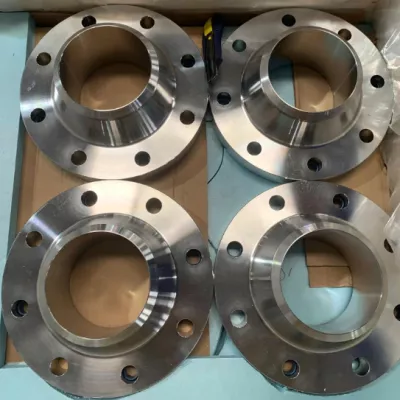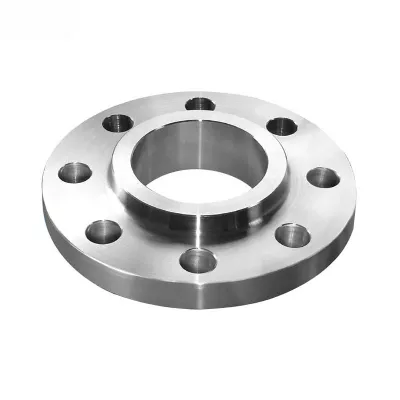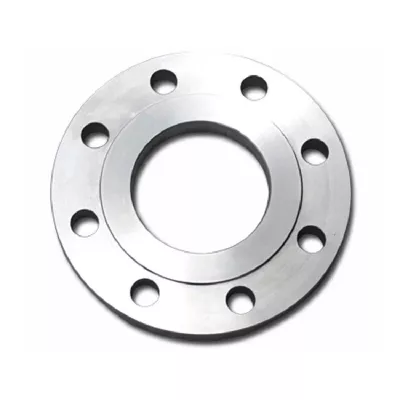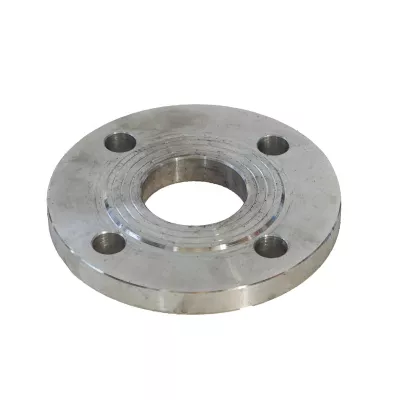
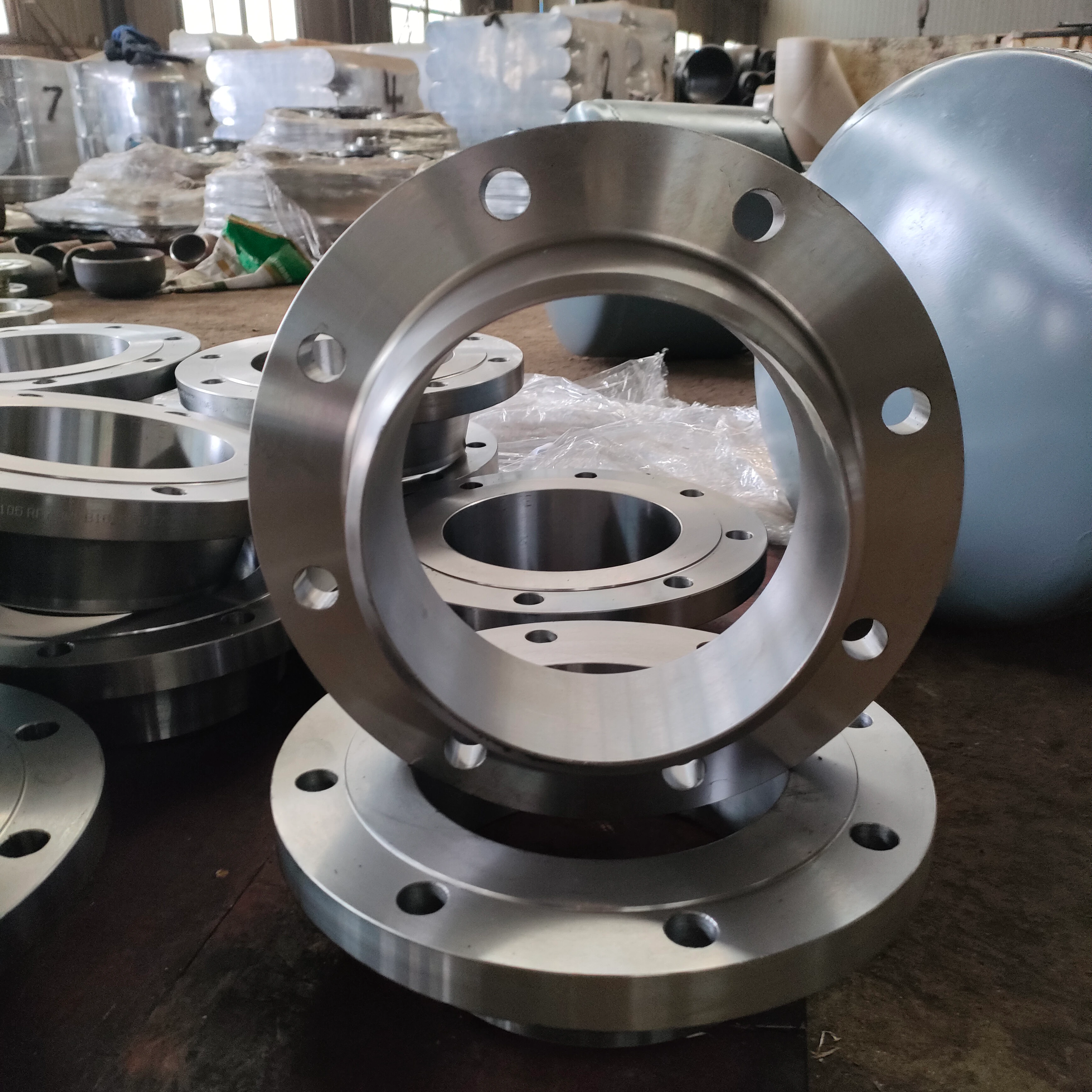
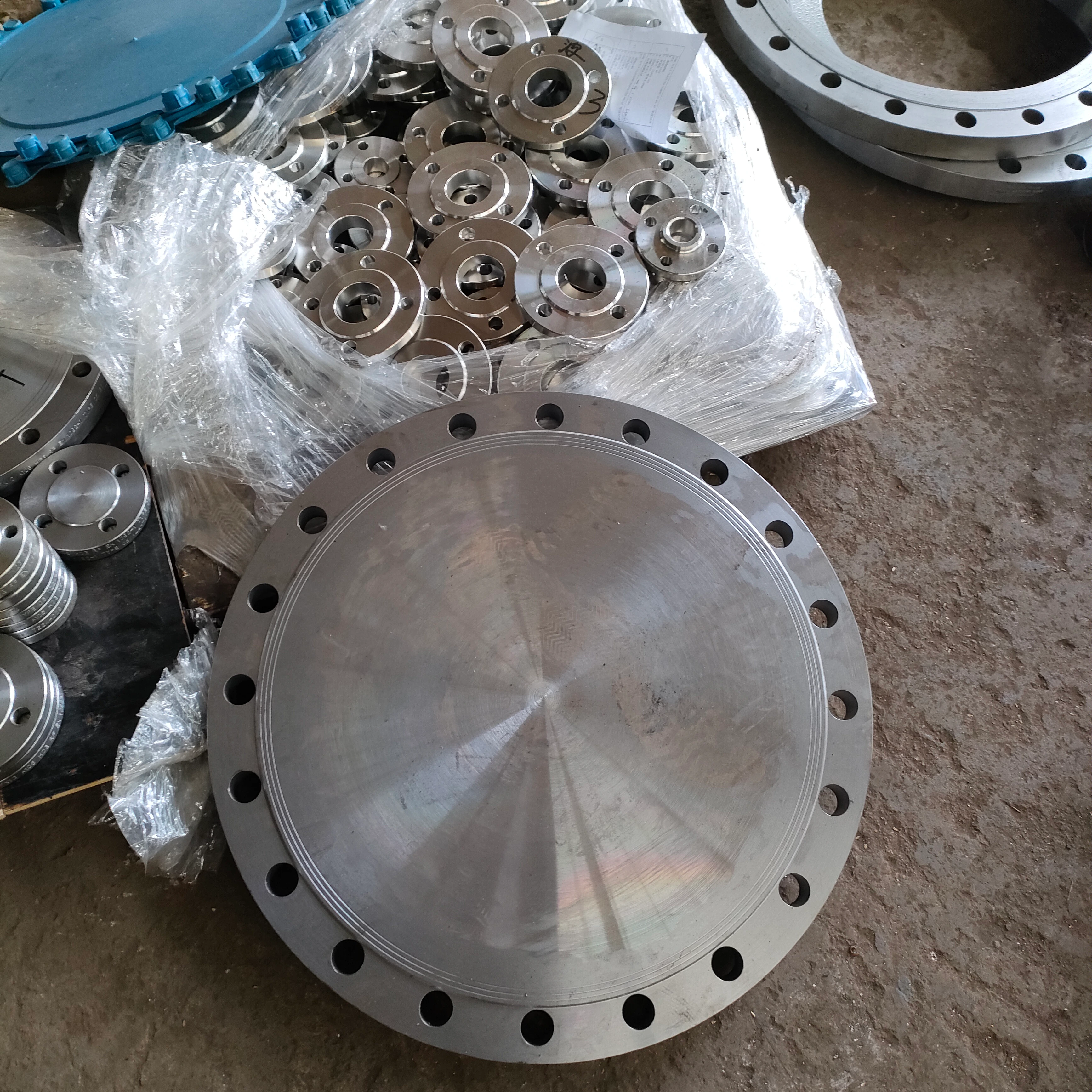
ANSI Class 1500 Flange | Material and Connection Enquiry
For industrial sourcing
Prepare a clearer RFQ
Include the details below so RELIA can understand the part and discuss the next step with you.
- Drawing, sample, or reference standard
- Material grade and preferred process
- Dimensions, tolerances, and surface finish
- Application, target quantity, and destination
Production timing, packing, and shipping terms are confirmed for each project after specifications and trade terms are agreed.
-
Surface TreatmentFFmodel number1/2''-108''
-
ApplicationConstruction, Chemical Industry, Air Conditioning, Agricultural Irrigation, Environmental Engineering, Fiber Optic Co MMunication, Food And BeverageBolt Hole Diameter11 mm(0.43in)
-
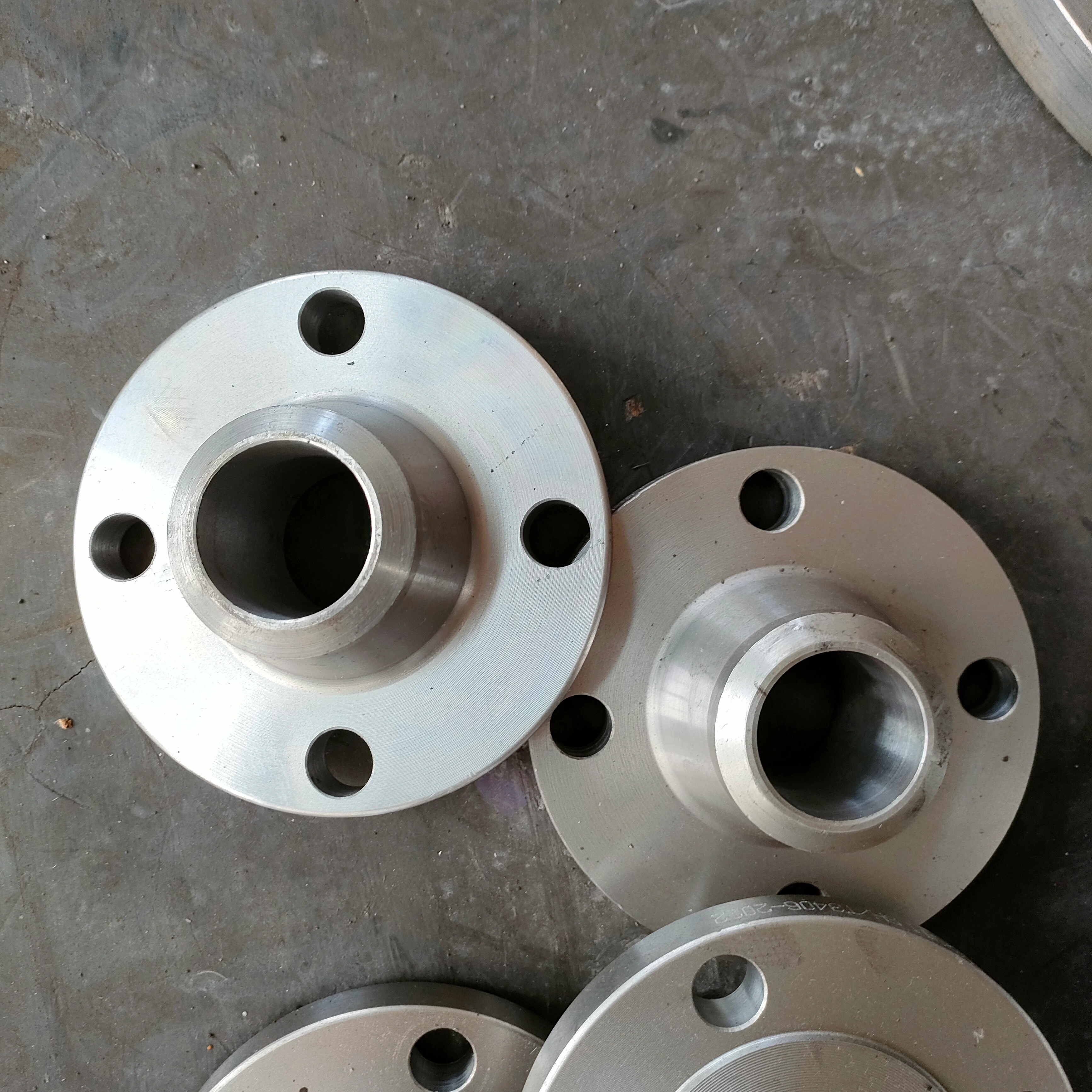
Bolt Hole Quantity4, 6Materialstainless steel
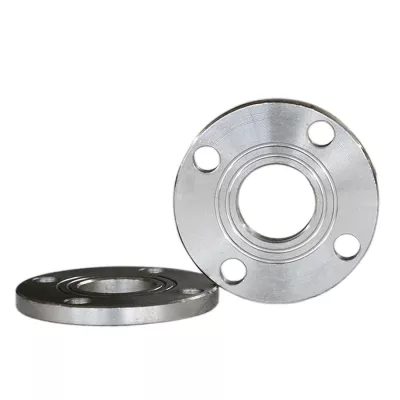
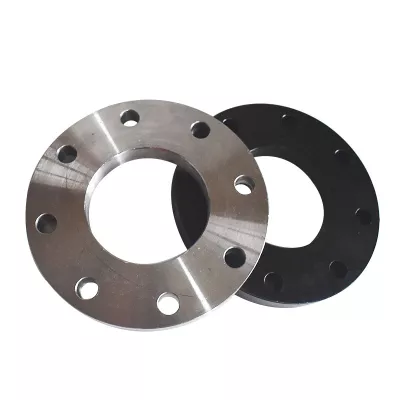
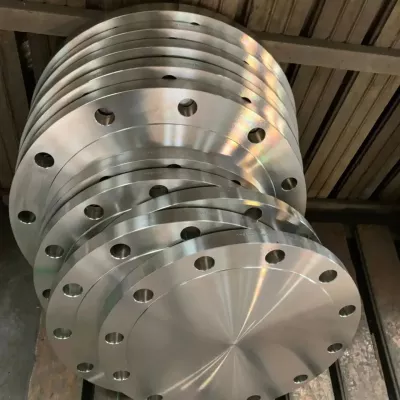
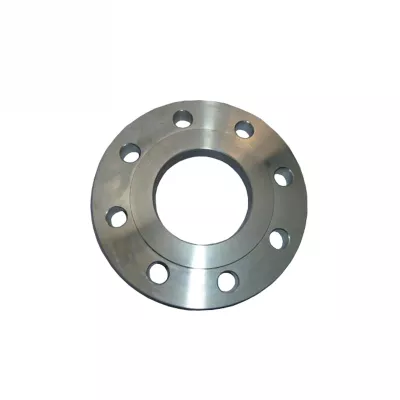
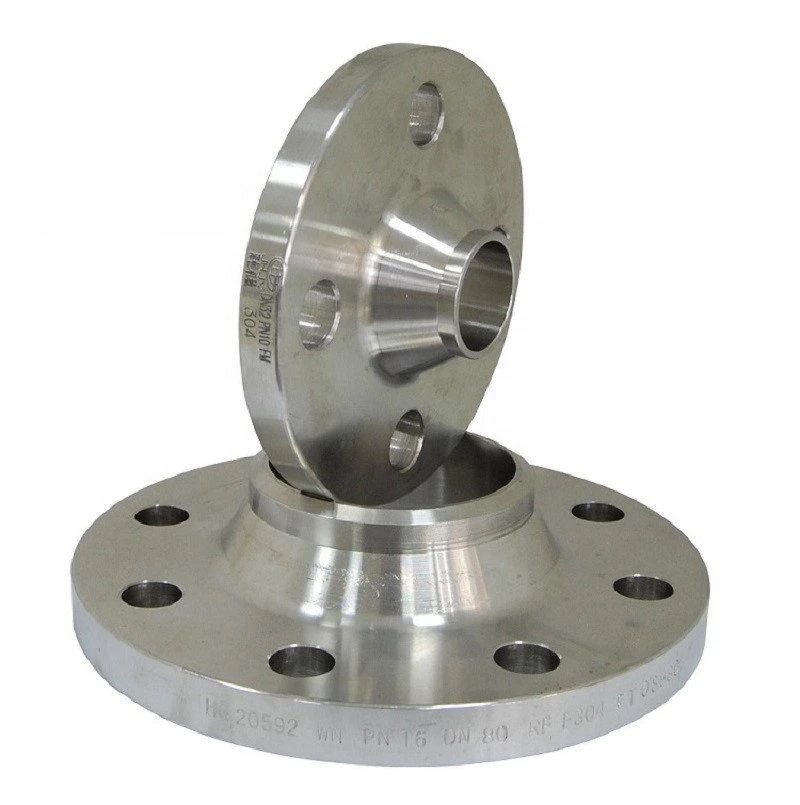
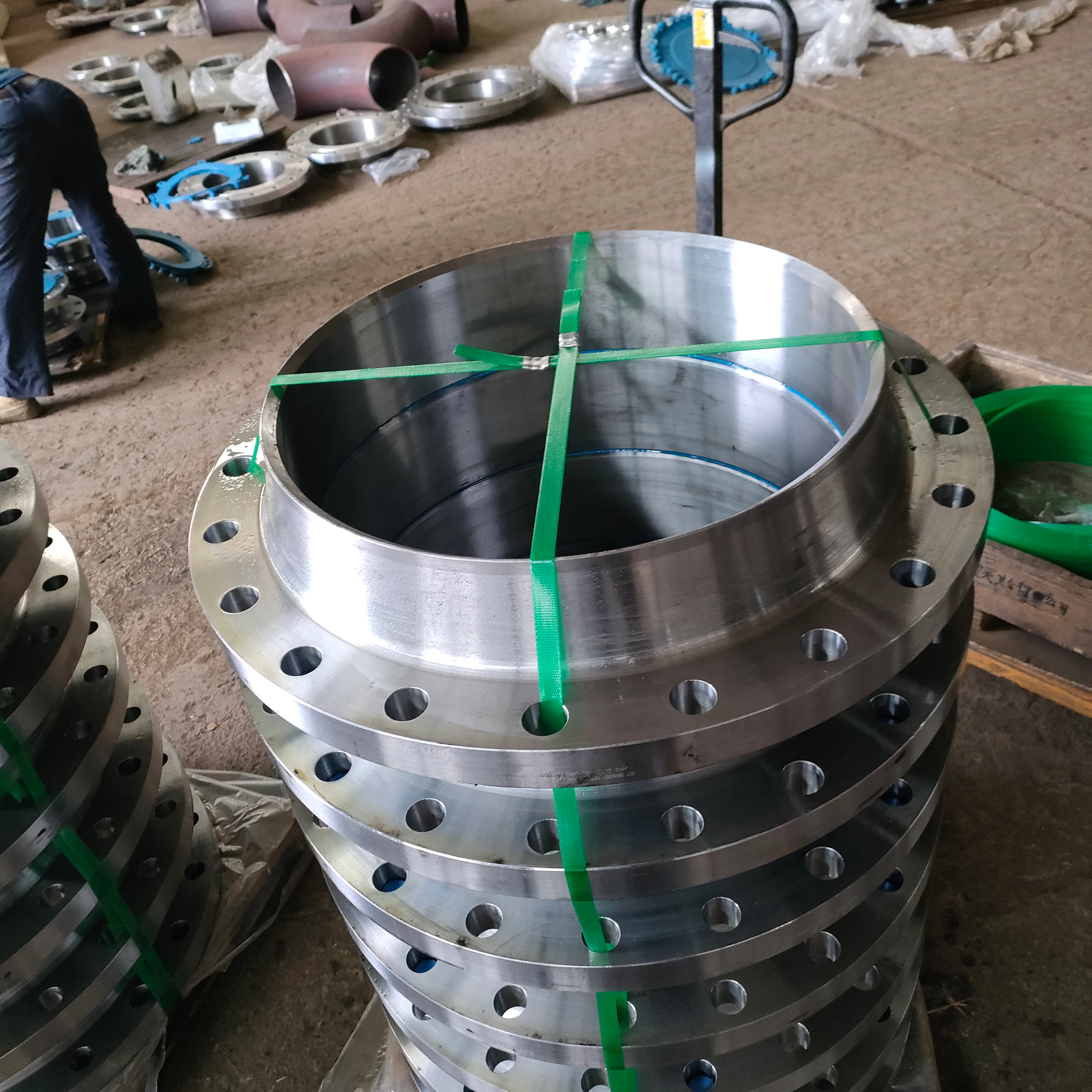
A flange enquiry for this listing should start by identifying the actual component and its intended connection function. Resolve the selected construction and material before comparing class or application references. A model-linked drawing and material record provide the basis for checking the flange against the proposed mating joint and operating requirements.
Resolve the Flange Construction and Exact Material
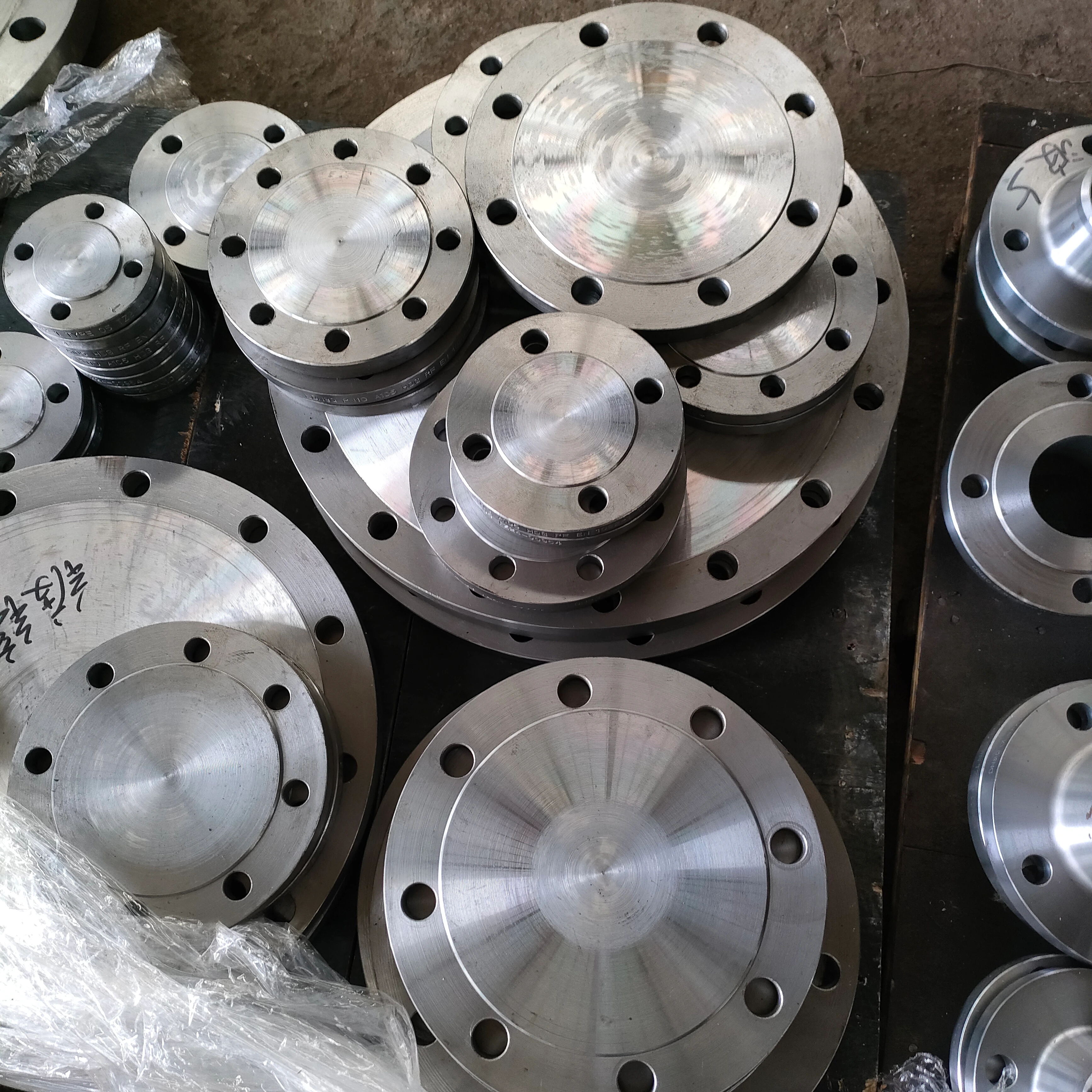
State whether the project requires a threaded connection, a blind closure or another flange form, and obtain a drawing of that selected model. Identify the exact material designation and supporting record; general stainless-steel and carbon-steel labels do not describe the same material requirement. Verify that the quotation, drawing and material documentation refer to one construction. Product appearance alone cannot establish the connection type, grade or qualified application scope.
Specify One Size and the Complete Mating Interface
Give the individual nominal size and the dimensions of the mating pipe or flange. Broad size ranges do not establish the dimensions or availability of every item within them. Request flange diameter, thickness, facing, bolt circle, hole quantity and hole diameter, together with the bore or closure detail appropriate to the selected form. Compare the sealing and connection interfaces as a complete joint rather than accepting isolated hole or facing labels.
Define the Standard, Class and Application Evidence
Identify the exact ANSI-referenced standard and edition, then state the required class and request its material-dependent pressure-temperature basis. Provide the actual fluid, operating pressure and temperature and any installation requirements. For a sector with specific material, cleanliness or acceptance criteria, include those criteria explicitly and obtain supporting evidence. An application list or Class 1500 reference alone does not qualify the proposed assembly. Complete the enquiry with the resolved model, grade, interface drawing and documented joint/service scope.
Technical information for every product inquiry
Prepare the requirement before final product confirmation.
The product page is a starting point. Drawings, samples, interfaces, materials, quantities and acceptance requirements are reviewed before stock matching or custom production is confirmed.
Discuss this product in your project context.
Share the available drawing, sample, reference, target quantity and application information. Unknown items can remain open for review.