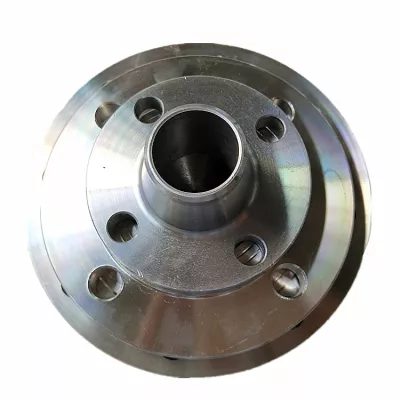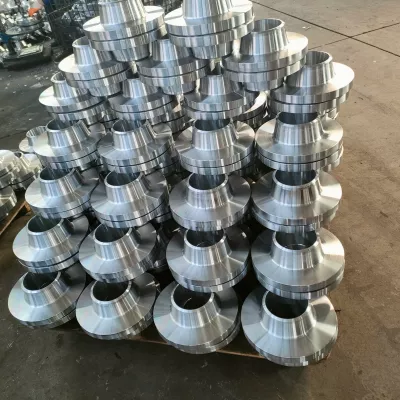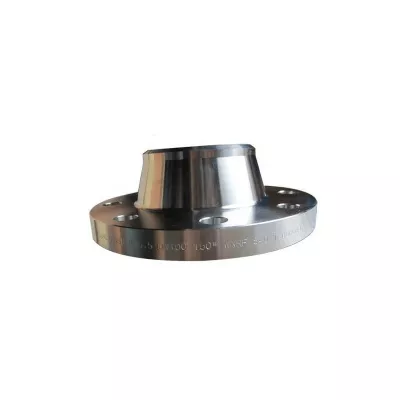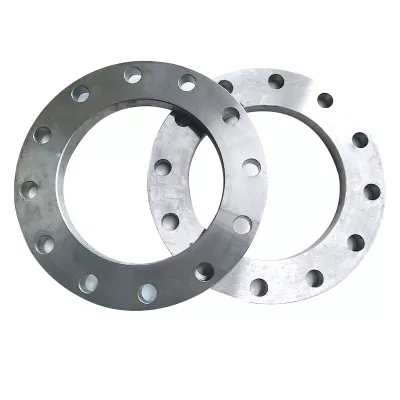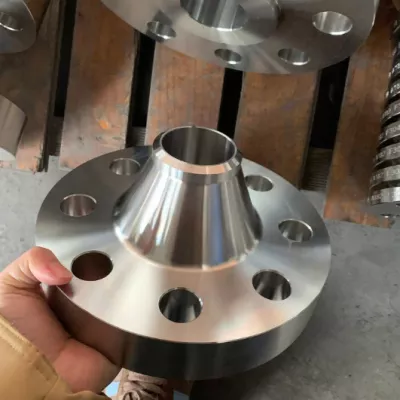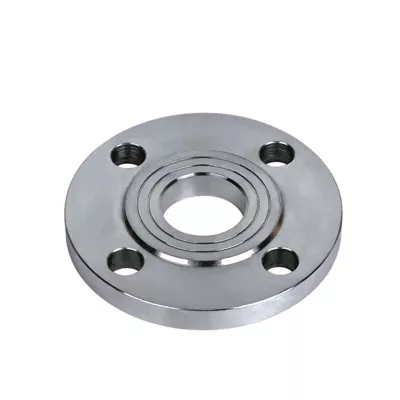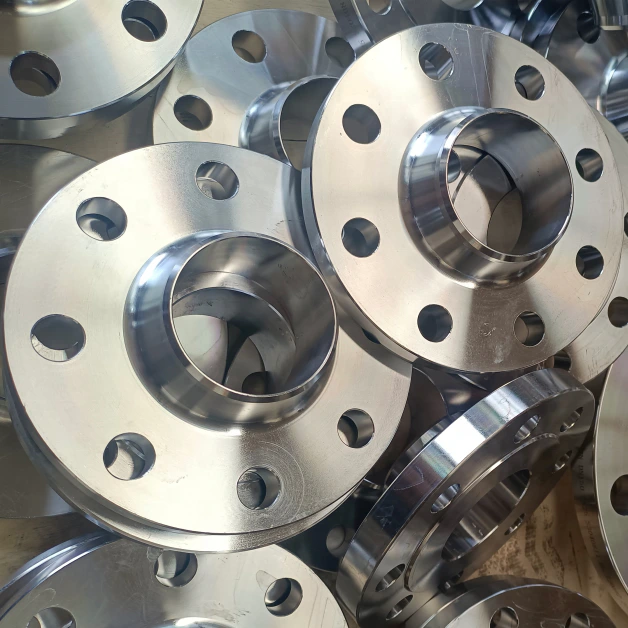
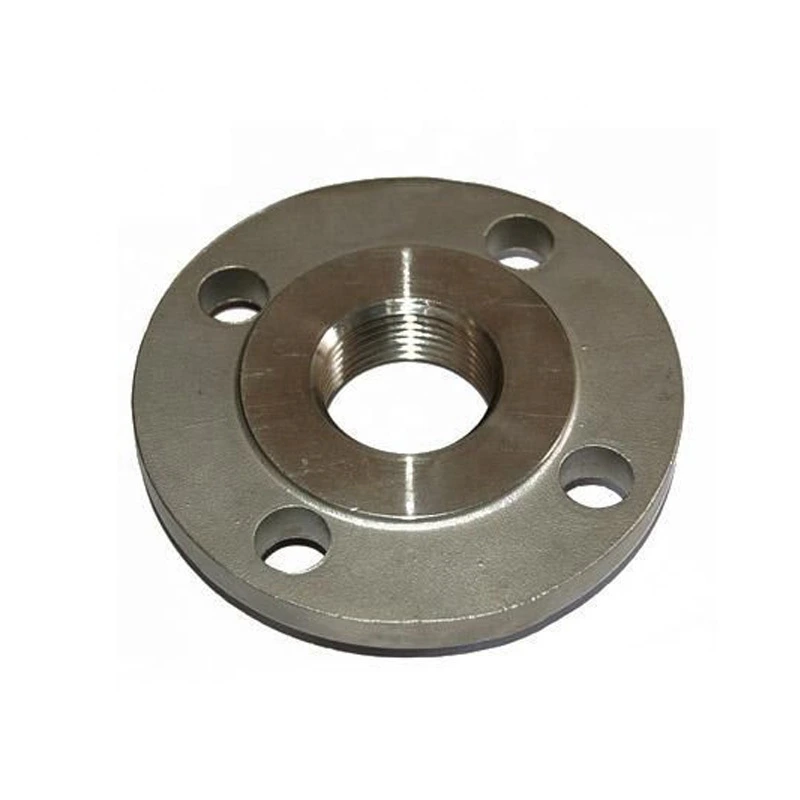
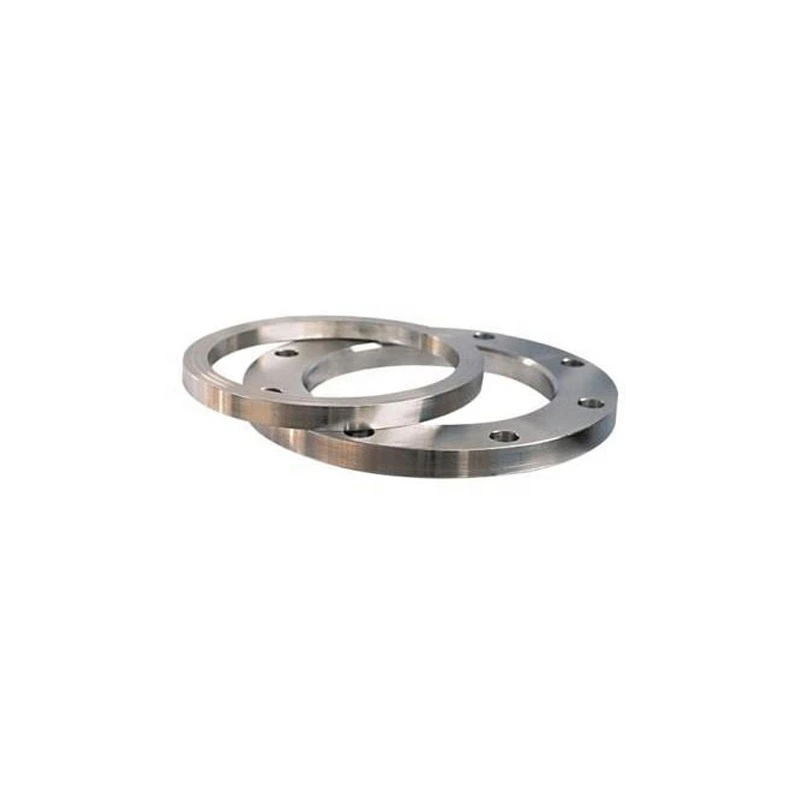
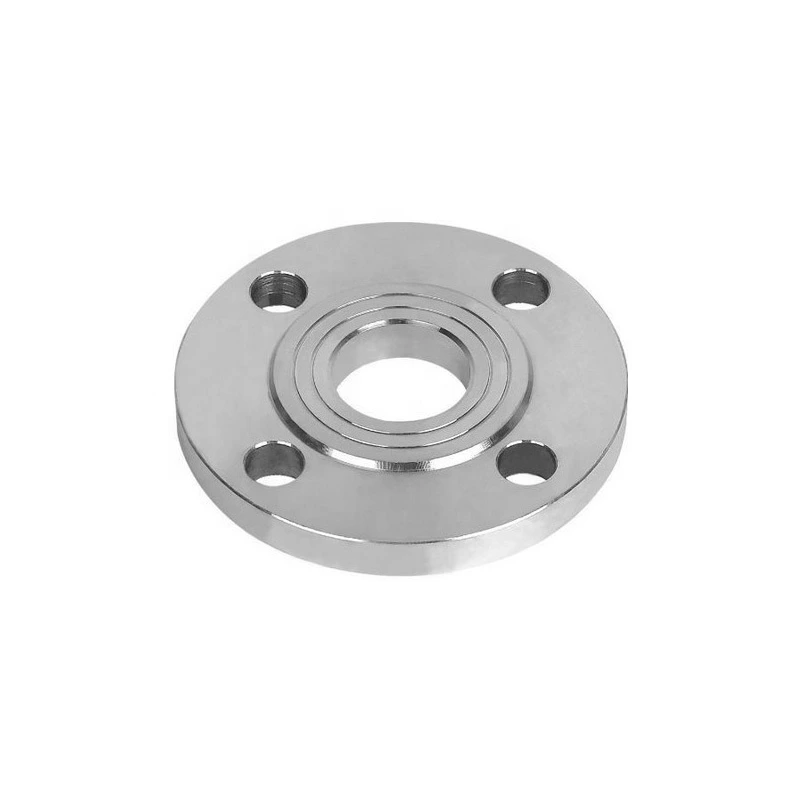
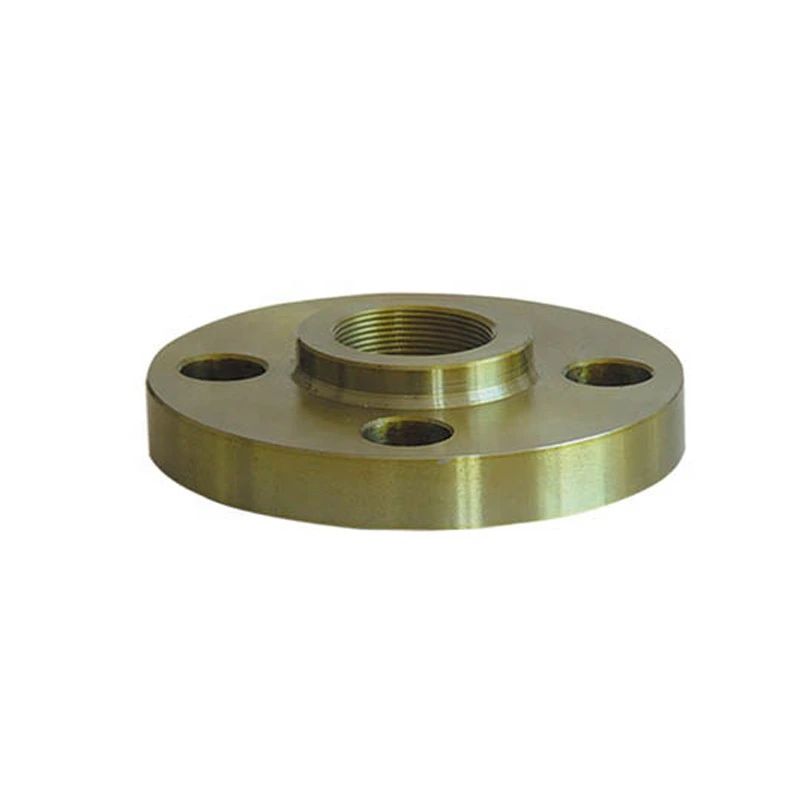
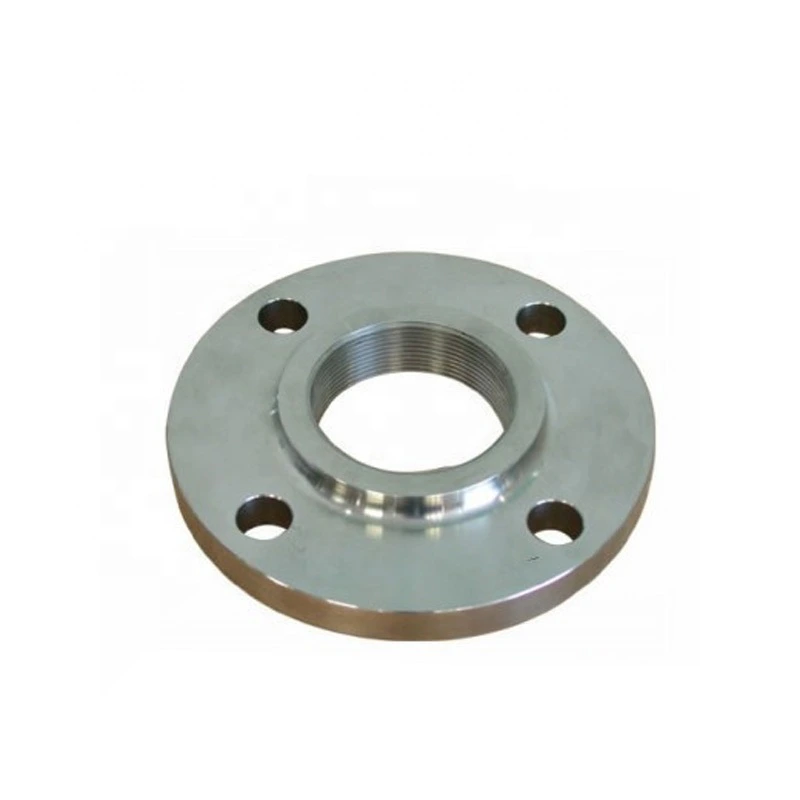
LF2 Carbon Steel Socket-Weld Flange for Low-Temperature Use
For industrial sourcing
Prepare a clearer RFQ
Include the details below so RELIA can understand the part and discuss the next step with you.
- Drawing, sample, or reference standard
- Material grade and preferred process
- Dimensions, tolerances, and surface finish
- Application, target quantity, and destination
Production timing, packing, and shipping terms are confirmed for each project after specifications and trade terms are agreed.
-
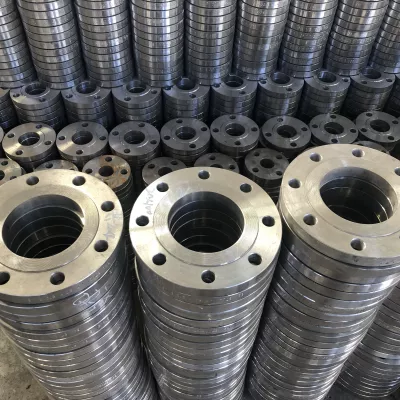
Surface TreatmentPolishedApplicationAgricultural Irrigation, Air Conditioning, Chemical Industry, Construction, Environmental Engineering, Fiber Optic Co MMunication, Food And Beverage, HVAC, Mining, nuclear power, Oil And Gas, paper industry, Pharmaceutical, Power Generation, Shipbuilding, Steel Industry, Textile Industry, Wastewater Treatment, water supply, Industrial Equipment
-
Bolt Hole Diameter1/2"Bolt Hole Quantity4
This LF2 carbon steel socket-weld flange enquiry follows the A350, B16.5 and low-temperature title references. The title includes forged, polished and Class 300–1500 wording. Confirm the selected carbon socket-weld configuration and actual temperature requirements before approving the material or component for service.
Specify the socket-weld configuration and individual drawing
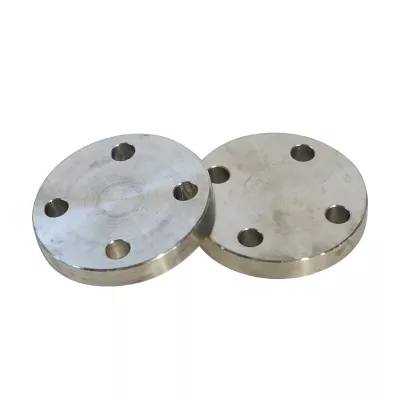
The record has 36 variants across four materials and nine flange types. Alloy Steel, Aluminum, Carbon Steel and Stainless Steel pair with integral, weld neck, slip-on, socket-weld, lap-joint, threaded, blind, orifice and spectacle blind types. LF2 and socket-weld title details concern the matching subset.
Choose one nominal size from the half-inch to 120-inch range and identify the required class. Request socket, bore, mating pipe dimensions, wall, outside dimensions, face and tolerances. Allocate the listed four half-inch bolt holes to the selected drawing; the bolt reference does not specify nominal flange size.
Verify LF2 supply and the claimed conformity package
Obtain the complete material designation and condition, governing A350 and B16.5 documents and editions, actual component scope, forging evidence, certificates and traceability. The record does not select a further grade subdesignation. Request the exact ISO standard, certificate, scope and validity behind ISO Certified wording before asserting certification.
Define measurable polished-finish acceptance, connection preparation, mating interface, sealing, bolting and examination. Confirm the selected material/temperature rating basis and delivery protection. The class range does not establish every size/class combination or translate directly into operating pressure.
Qualify the actual low-temperature operating conditions
Specify minimum and maximum temperatures, medium composition, pressure, cycling, exposure and loads. Require material, toughness, joint and rating evidence for those conditions rather than relying on Low Temp alone. Agree the selected drawing, conformity and inspection/testing package; the broad industry list does not establish approval for every application.
Technical information for every product inquiry
Prepare the requirement before final product confirmation.
The product page is a starting point. Drawings, samples, interfaces, materials, quantities and acceptance requirements are reviewed before stock matching or custom production is confirmed.
Discuss this product in your project context.
Share the available drawing, sample, reference, target quantity and application information. Unknown items can remain open for review.