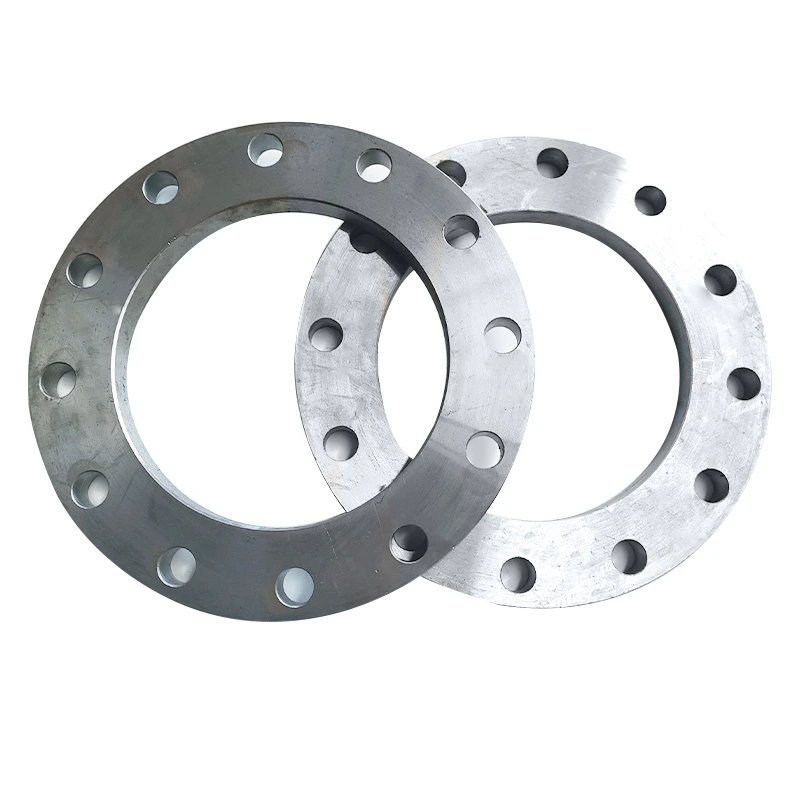
Carbon and Stainless Steel Plate Flange Specification Enquiry
For industrial sourcing
Prepare a clearer RFQ
Include the details below so RELIA can understand the part and discuss the next step with you.
- Drawing, sample, or reference standard
- Material grade and preferred process
- Dimensions, tolerances, and surface finish
- Application, target quantity, and destination
Production timing, packing, and shipping terms are confirmed for each project after specifications and trade terms are agreed.
-
warranty1 yearcustomized supportOEM, ODM, OBM
-
model number2TechnicForged
-
ConnectivityWeldingshapeEqual
-
head codeHexagonOverall Length4 in
-
Height3Surface TreatmentPainting
-
PressureHigh PressureSystem of Measurementinch
-
Mounting hole diameter0.25 inPipe FeaturesFlexible, Corrosion-resistant, Chemical Resistant, Uv Resistant, underground rated
-
Pipe Class3000SizeCustomized Size
-
Product nameElbow
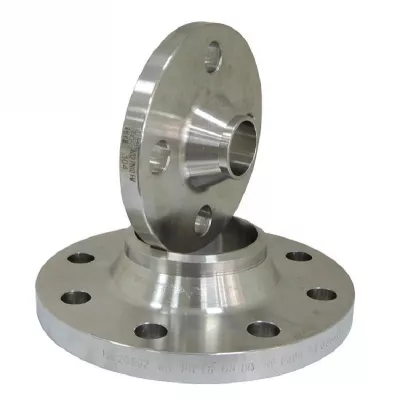
A plate-flange enquiry should define the flange profile and joint interfaces before assigning a material or rating. Stainless Steel, Alloy and Carbon Steel are available as distinct selector choices for this product, while the exact plate-form dimensions need confirmation.
Give the flange plate a complete profile drawing
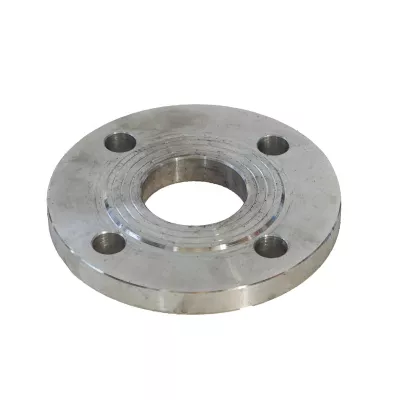
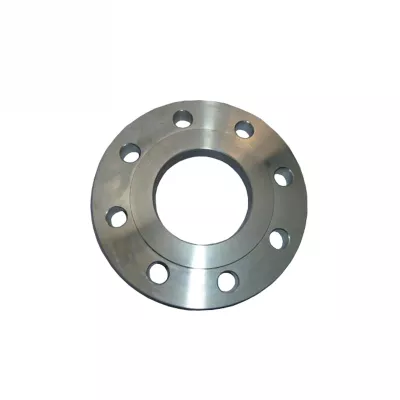
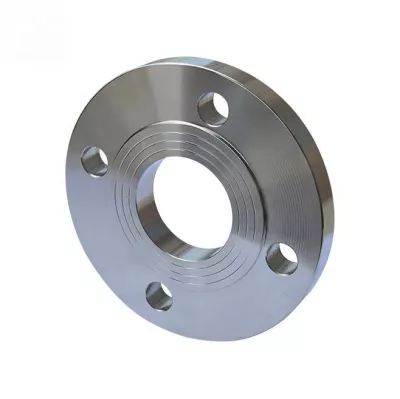
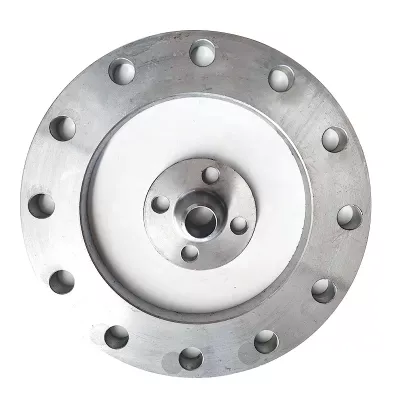
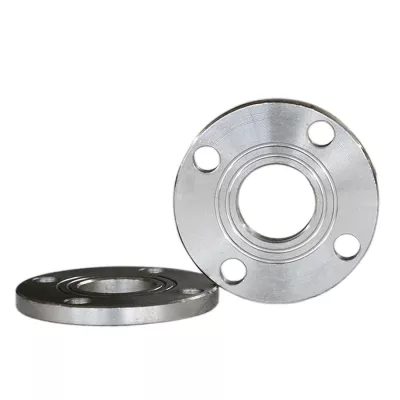
Specify the bore, plate thickness and any hub or facing details that the requested form requires. Include dimensional tolerances and the pipe relationship on the same drawing. A flat drilled reference flange can help communicate the intended family, but its appearance cannot establish the dimensions or construction of the selected part. Confirm the plate profile rather than treating a general shape or length label as a complete flange specification.
Connect pipe attachment with the bolted interface
Describe the required attachment to the pipe and provide the facing, bolt-circle diameter and hole arrangement for the opposing flange. Check the two interfaces together so the plate form is reviewed as part of one joint. A pipe-size selector alone does not establish bore clearance, drilling or facing compatibility. Identify the exact nominal size and dimensional reference that govern the flange needed for the assembly.
Check standard applicability before accepting a rating
For an ANSI B16.5 requirement, obtain confirmation that the applicable edition covers the proposed flange form and dimensions. Specify the steel grade within the chosen material family, then provide the medium and design conditions for the rating review. A high-pressure label or an unbound class number is not a verified pressure-temperature capability. Request the relevant material and technical documentation for the same plate flange so its profile, attachment and service requirements can be assessed together.
Technical information for every product inquiry
Prepare the requirement before final product confirmation.
The product page is a starting point. Drawings, samples, interfaces, materials, quantities and acceptance requirements are reviewed before stock matching or custom production is confirmed.
Discuss this product in your project context.
Share the available drawing, sample, reference, target quantity and application information. Unknown items can remain open for review.