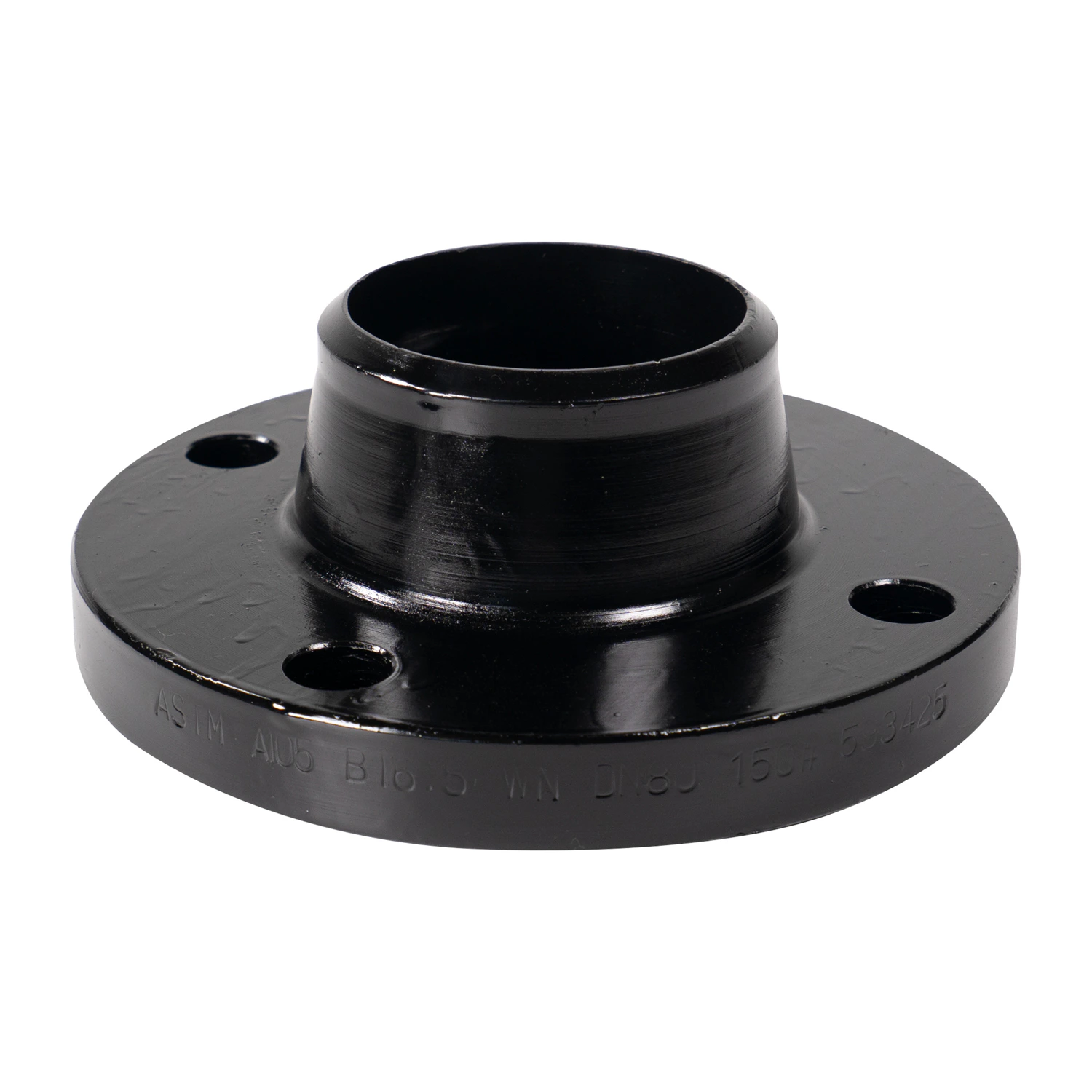
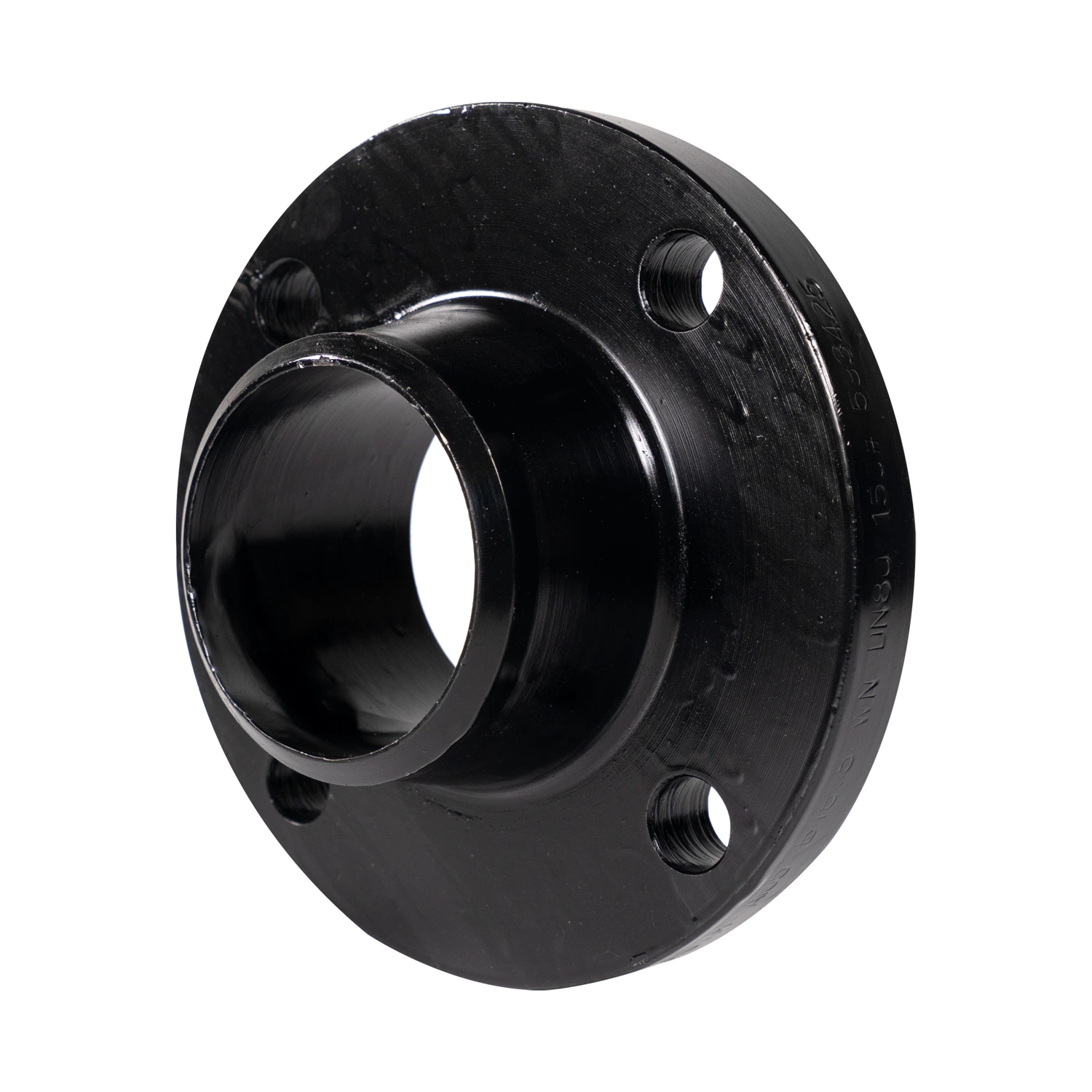
Carbon Steel Flanges: Slip-On, Weld Neck and Blind Choices
For industrial sourcing
Prepare a clearer RFQ
Include the details below so RELIA can understand the part and discuss the next step with you.
- Drawing, sample, or reference standard
- Material grade and preferred process
- Dimensions, tolerances, and surface finish
- Application, target quantity, and destination
Production timing, packing, and shipping terms are confirmed for each project after specifications and trade terms are agreed.
-
Surface TreatmentPolishedmodel numberDN15-DN1200
-
Product nameAll Kinds of Flanges/carbon Steel Flanges/sorf/wnrf/blind FlangesMaterialA105
-
StandardASTMpassISO9001:2008
-
packingwooden case or palletsloading portTianjin xingang port
-
shipmentby seapayment termsT/T or L/C
-
delivery time5-60daysCertificateISO9001
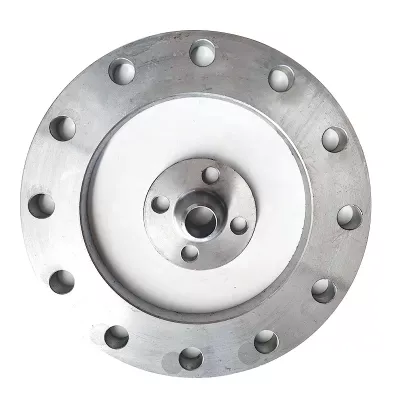
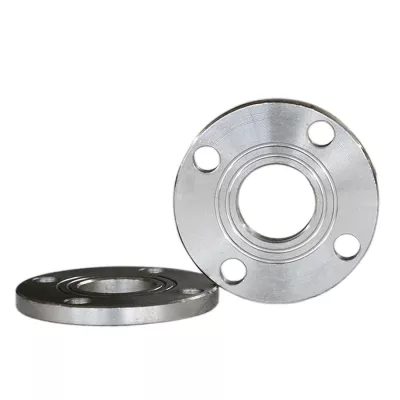
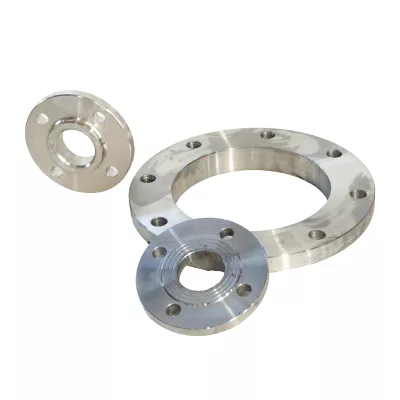
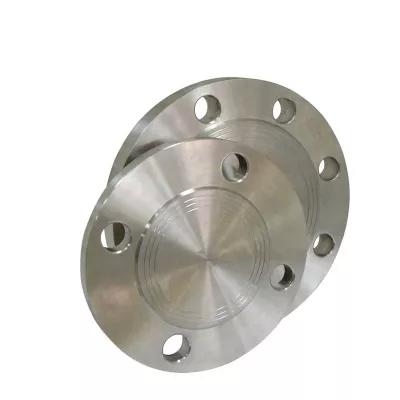
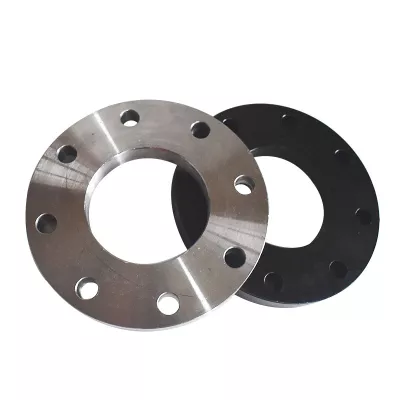
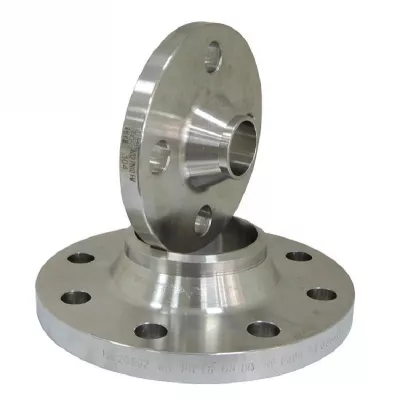
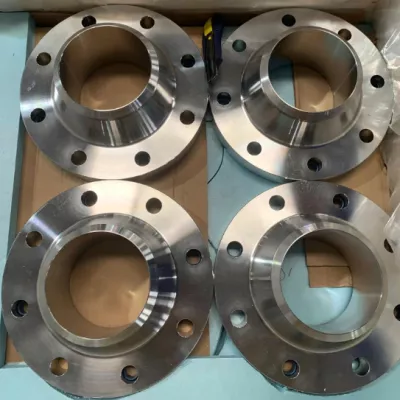
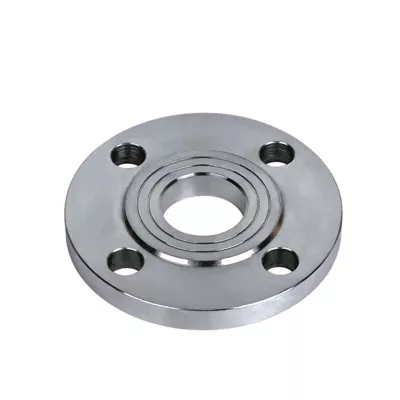
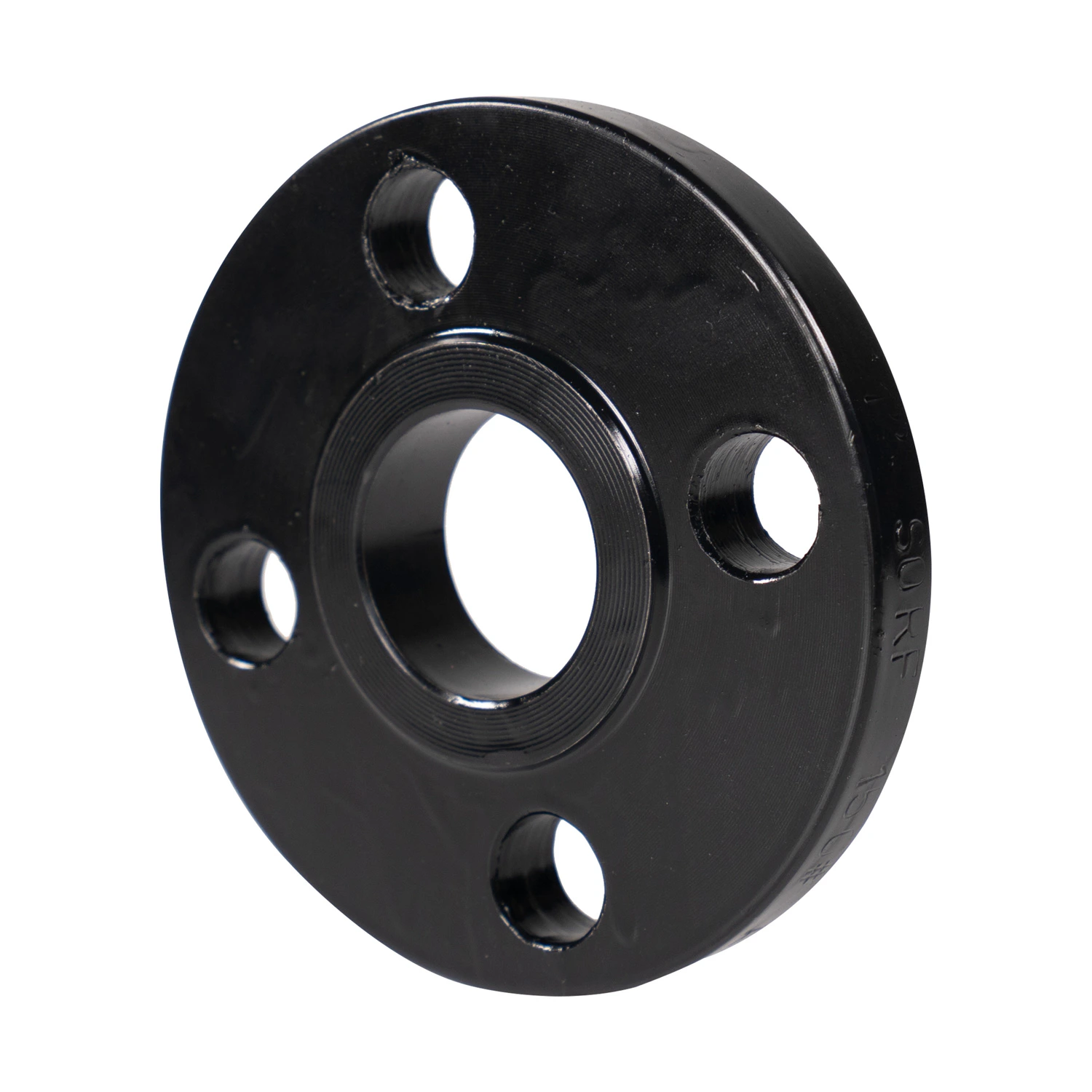
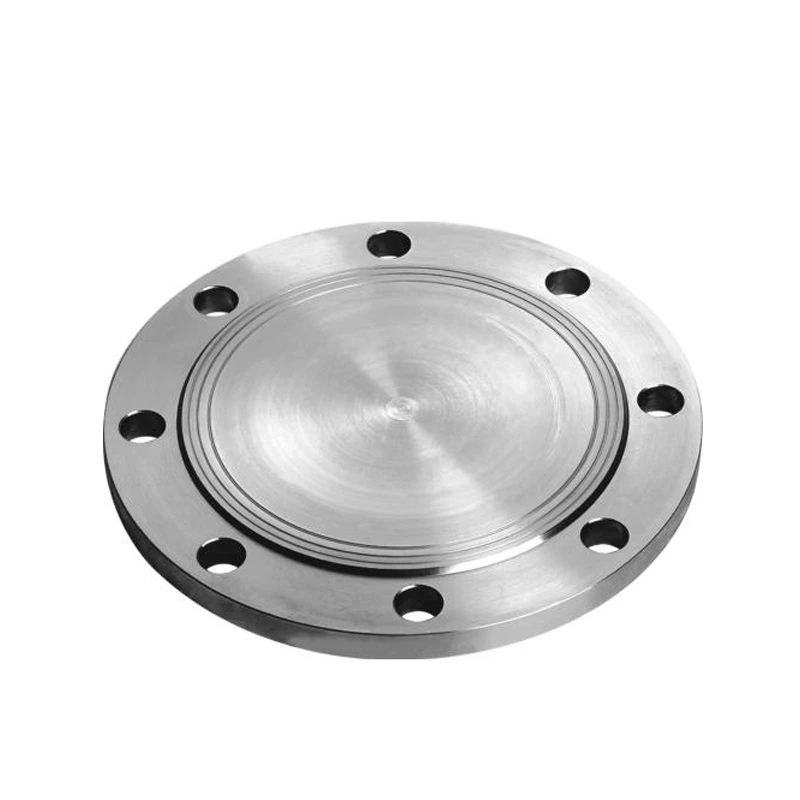
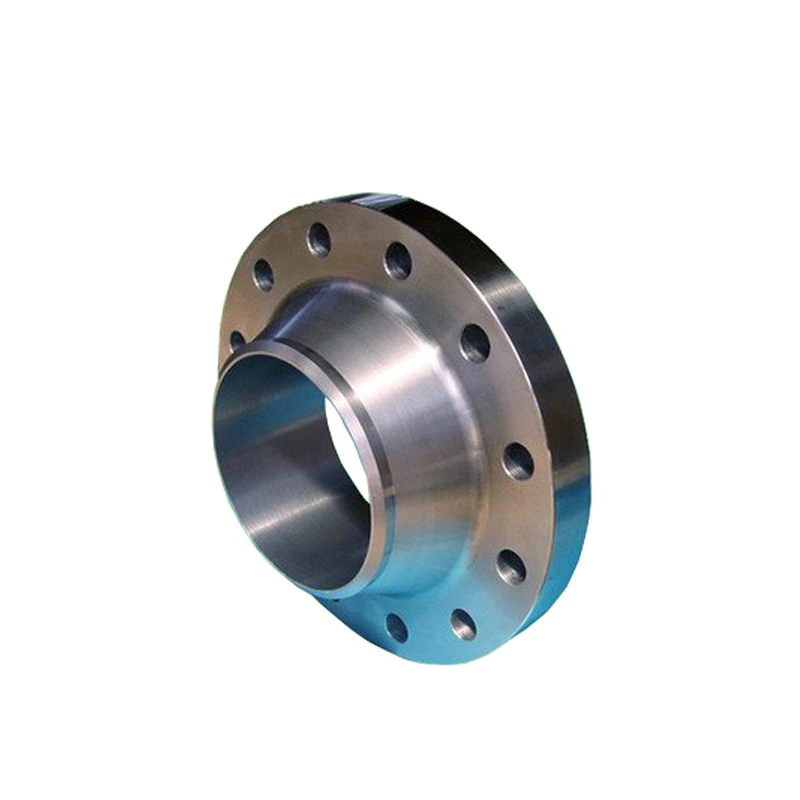
Carbon steel flanges should be selected by the role they serve in the joint. This product includes weld-neck, slip-on and blind choices alongside other flange forms, so the first step is to identify the exact connection or closure required.
Turn SORF and WNRF requirements into a defined form
For a slip-on or weld-neck request, describe the intended pipe attachment and facing together. If SORF or WNRF is required, confirm the raised-face geometry for the chosen connection form. A blind closure has a different role from either open-bore connection, while socket-weld, threaded and lap-joint choices introduce their own interface requirements. Keep the selected form explicit rather than treating the flange names as substitutes.
Give the selected flange its own dimensional reference
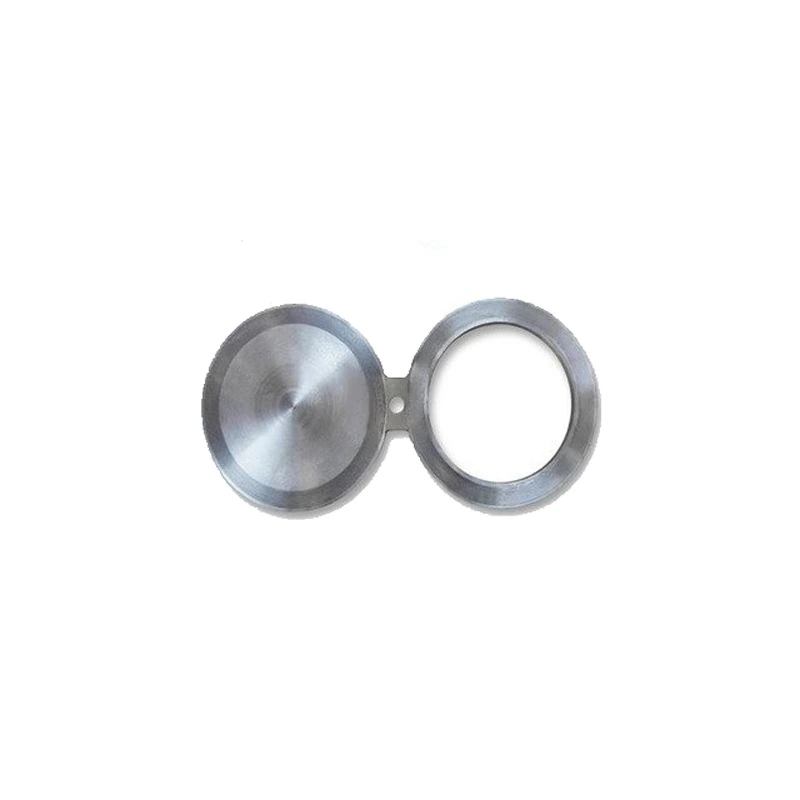
Supply a joint drawing with the nominal size, bore where applicable, thickness, bolt circle and hole dimensions. Include the facing details and the applicable flange standard and edition. For an orifice or spectacle-blind requirement, define the exact assembly scope as well as its interface. A broad size range or a generic plate, pipe or round-flange label should be narrowed to the dimensions of the part being requested.
Confirm the steel specification for the joint duty
State any A105 material requirement and request confirmation for the selected flange form and dimensions. Identify the grade, inspection documentation and applicable pressure-temperature rating alongside the service medium and design conditions. The same joint drawing should govern the material and rating discussion; neither a general standards label nor a polished appearance establishes operating suitability. A precise carbon steel flange enquiry keeps form, facing and joint duty connected throughout selection.
Technical information for every product inquiry
Prepare the requirement before final product confirmation.
The product page is a starting point. Drawings, samples, interfaces, materials, quantities and acceptance requirements are reviewed before stock matching or custom production is confirmed.
Discuss this product in your project context.
Share the available drawing, sample, reference, target quantity and application information. Unknown items can remain open for review.