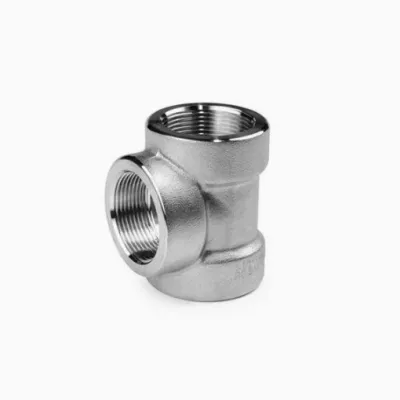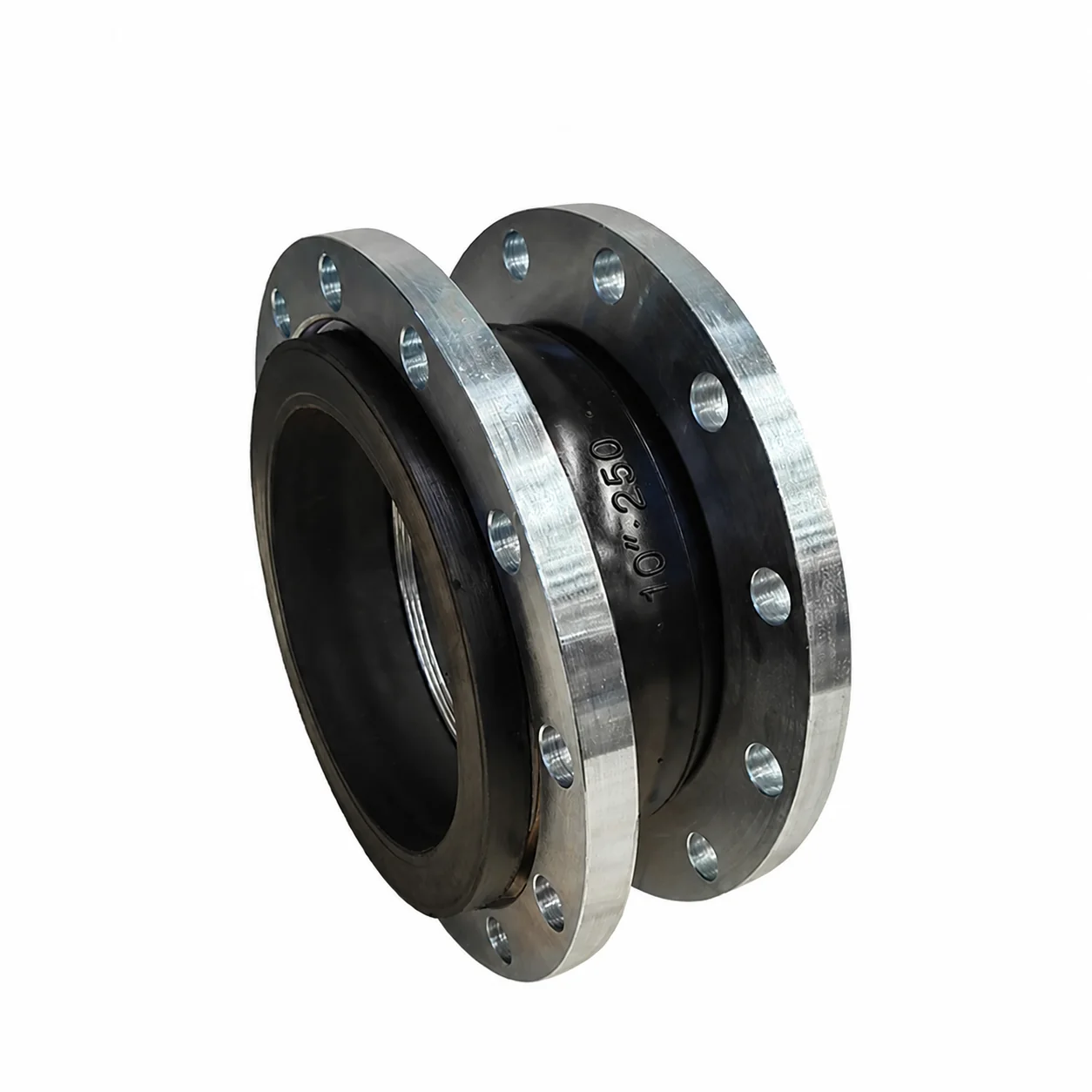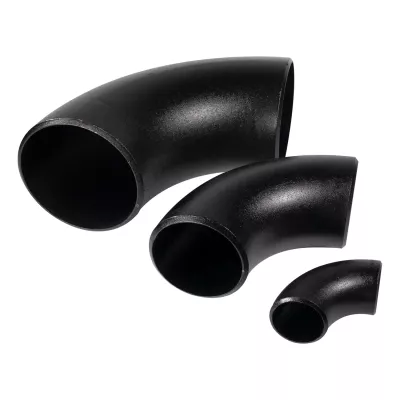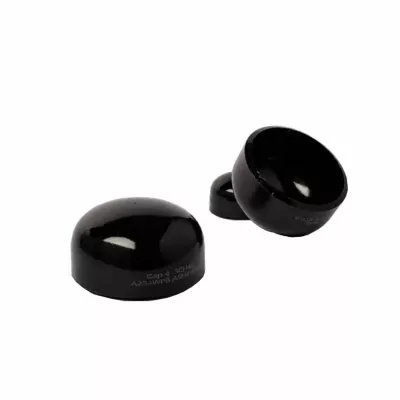

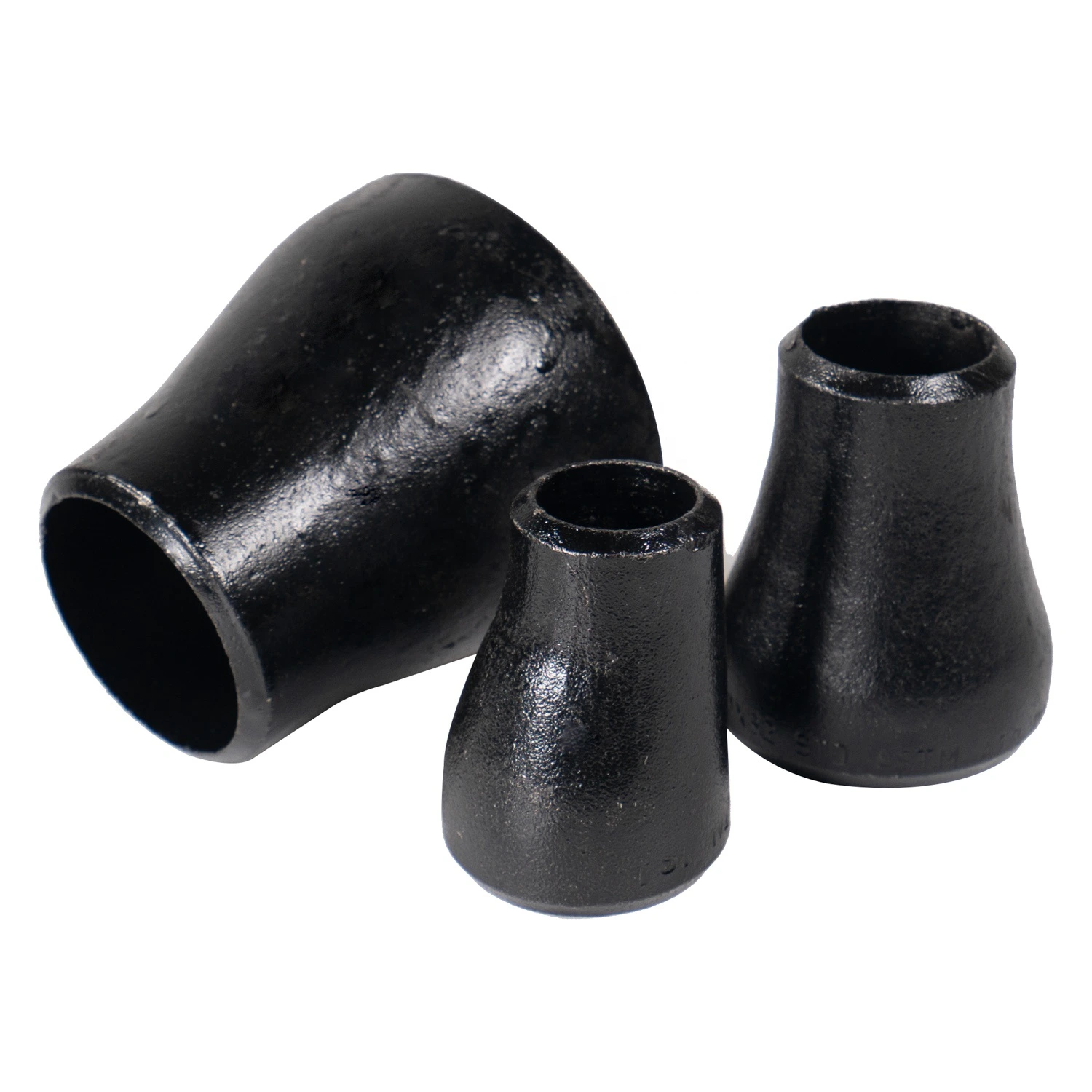
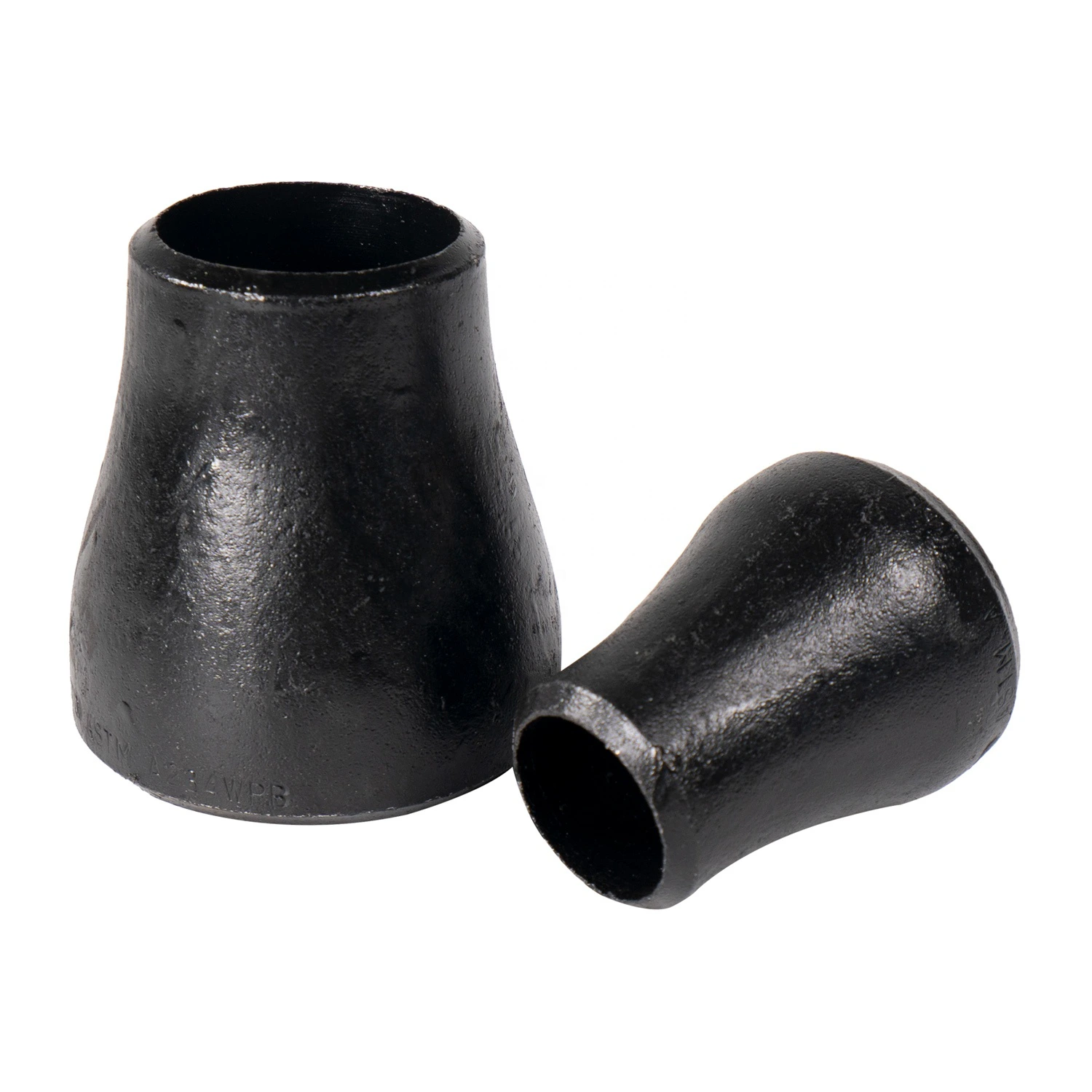
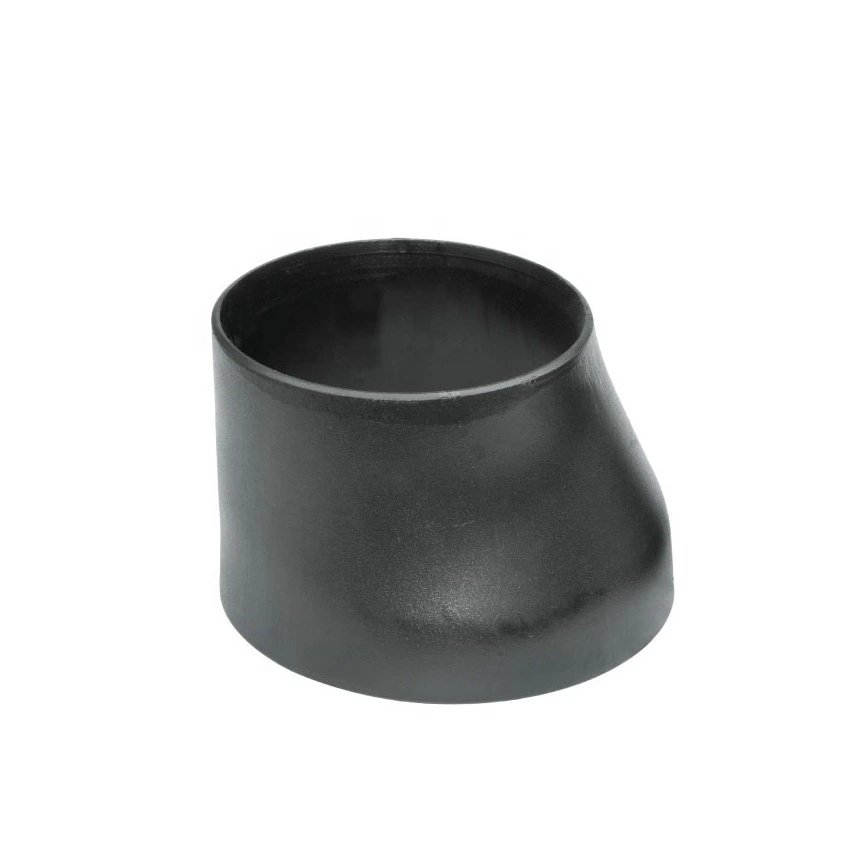
Carbon Steel Eccentric and Concentric Reducer
For industrial sourcing
Prepare a clearer RFQ
Include the details below so RELIA can understand the part and discuss the next step with you.
- Drawing, sample, or reference standard
- Material grade and preferred process
- Dimensions, tolerances, and surface finish
- Application, target quantity, and destination
Production timing, packing, and shipping terms are confirmed for each project after specifications and trade terms are agreed.
-
warranty3 Yearscustomized supportOEM, odm
-
TechnicForgedConnectivityWelding
-
shapeReducinghead codeOther
-
Overall Length1/2"-4"Height1/2"-4"
-
Surface TreatmentPolishedPressureLow Pressure
-
System of MeasurementMetricMounting hole diameter1/2"-4"
-
Pipe FeaturesCorrosion-resistantPipe ClassOther
-
ApplicationOtherThread TypesNPT
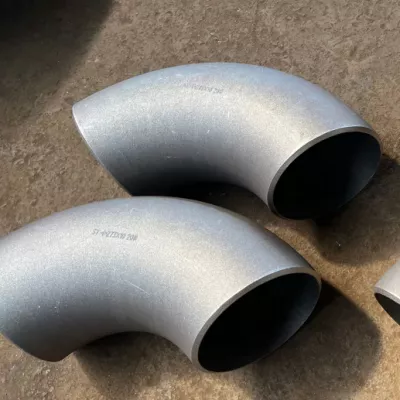
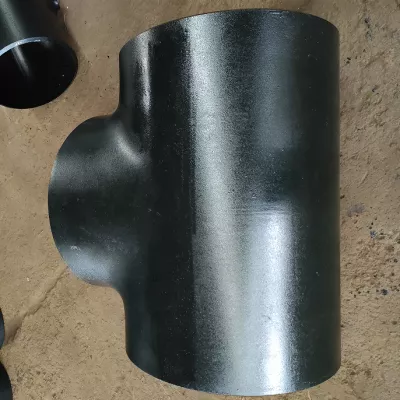
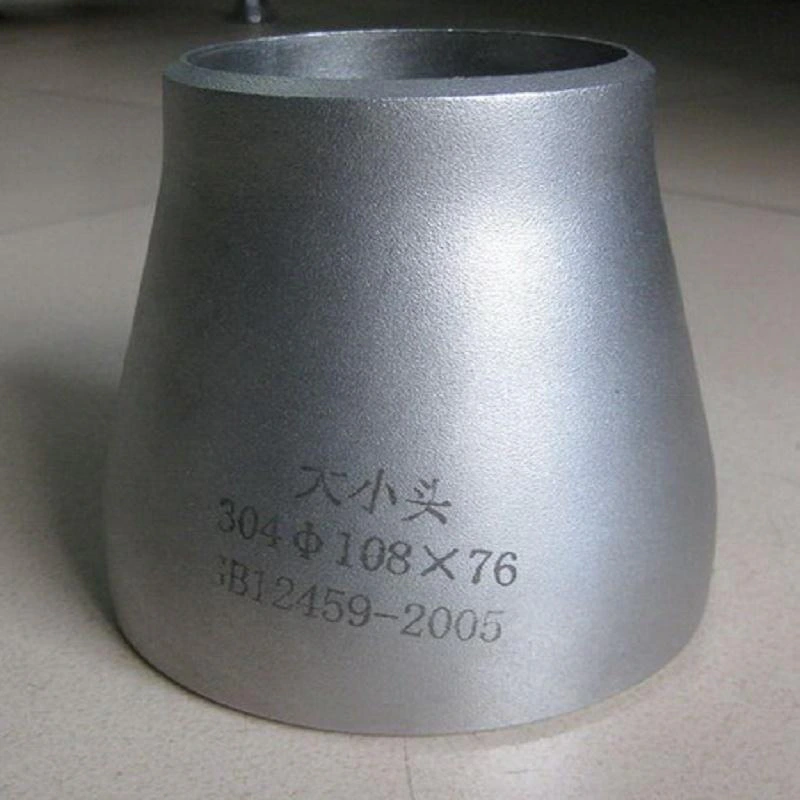
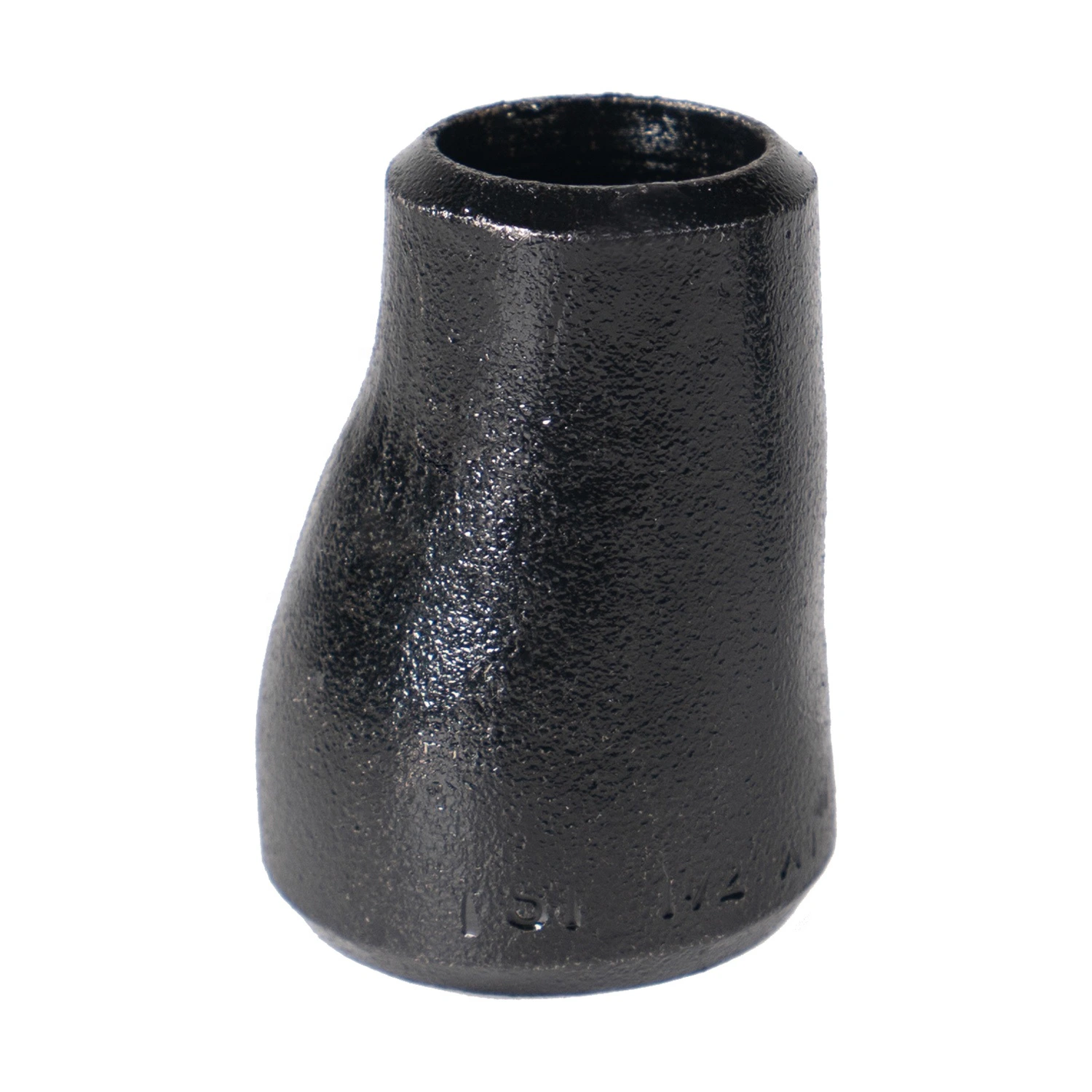
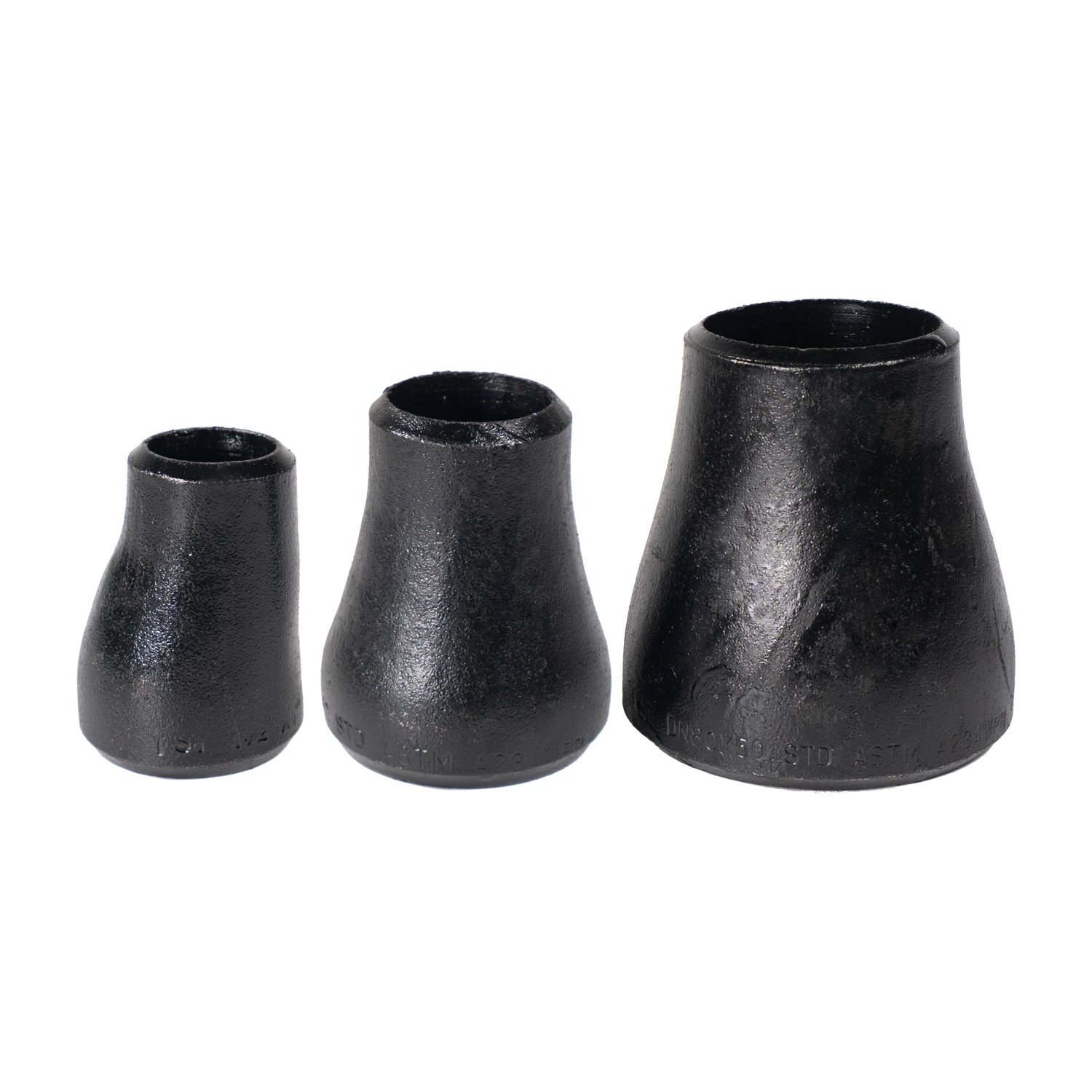
This carbon steel reducer listing covers eccentric and concentric enquiries with DN150, DN125 and DN100 choices. Each actual variant provides one nominal label, rather than a complete reducing pair. Specify both larger and smaller ends and the required geometry before ordering.
Choose the reducer profile and end arrangement
Confirm eccentric or concentric construction on an approved drawing. Where relevant, define offset and installation orientation alongside transition length, profile, outside diameters, bores, wall thickness and tolerances. The current options do not separately select geometry or establish a measured diameter from the DN label.
The title mentions threaded construction, and the table includes NPT alongside Welding connectivity. Obtain the actual supplied end design and mating pipe details. These fields do not prove a combined threaded/welded fitting. Agree end preparation, joining procedure and inspection for the selected configuration.
Allocate dimensions and carbon steel records
Overall Length, Height and Mounting hole diameter repeat half-inch-to4-inch ranges, while variants use different nominal DN choices. Request explicit drawing allocation instead of converting the entries into actual dimensions or assuming a hole feature. Confirm availability of the individual reducing pair.
Specify the full carbon steel grade, condition and governing material/dimensional documents. Obtain traceability, certificates and evidence for forged construction. Define polished surfaces and finish acceptance; neither polishing nor a generic corrosion-resistant feature certifies compatibility with the proposed medium.
Establish service and installation requirements
Low Pressure and the Other class entry do not supply numerical operating limits. State medium, pressure, temperature, cycling, loads, corrosion allowance and installation constraints. Obtain complete system acceptance for both pipe interfaces. Agree alignment, inspection, marking, required records and quotation scope; the Other application field does not define a specific service.
Technical information for every product inquiry
Prepare the requirement before final product confirmation.
The product page is a starting point. Drawings, samples, interfaces, materials, quantities and acceptance requirements are reviewed before stock matching or custom production is confirmed.
Discuss this product in your project context.
Share the available drawing, sample, reference, target quantity and application information. Unknown items can remain open for review.