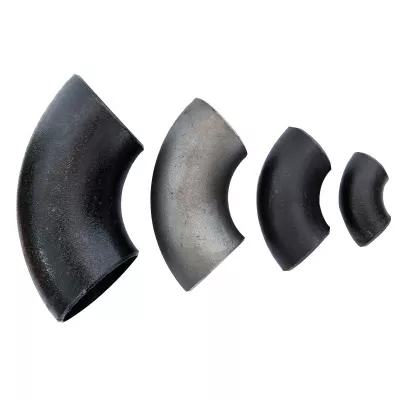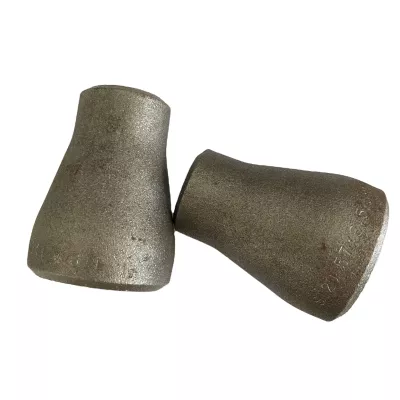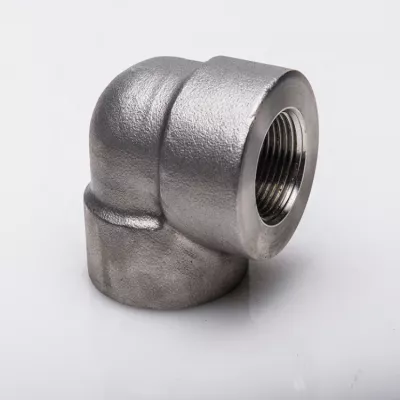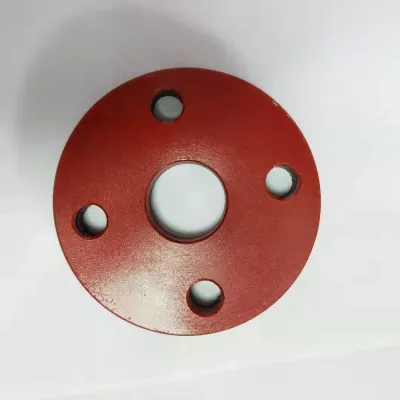
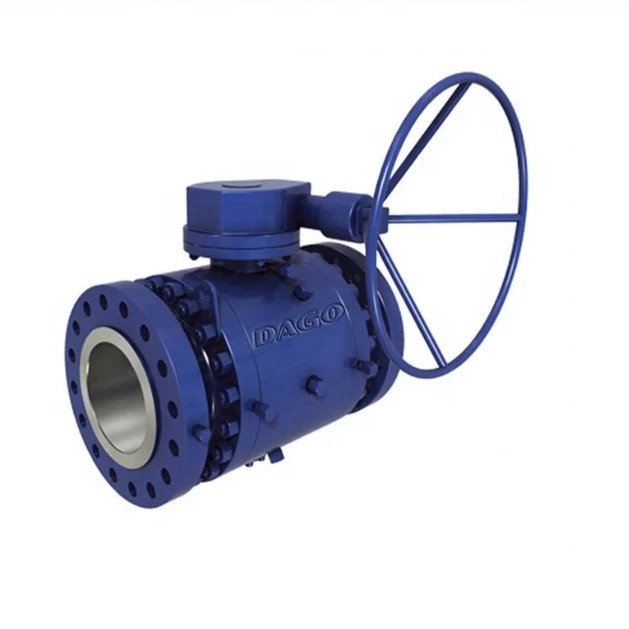
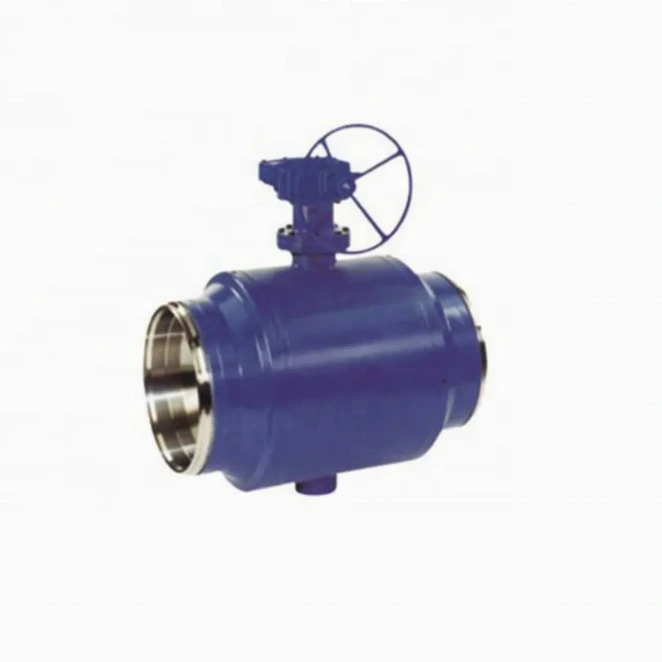
Forged Carbon or Stainless Steel Top Entry Flanged Ball Valve
For industrial sourcing
Prepare a clearer RFQ
Include the details below so RELIA can understand the part and discuss the next step with you.
- Drawing, sample, or reference standard
- Material grade and preferred process
- Dimensions, tolerances, and surface finish
- Application, target quantity, and destination
Production timing, packing, and shipping terms are confirmed for each project after specifications and trade terms are agreed.
-
applicationGeneralBall MaterialCarbon Steel
-
Connection TypeflangemediaBASE
-
Port Size1/4in - 4instructureControl
-
model numberball valveConnection Size1/4in - 4in
-
customized supportOEM, odmFlow Rate0-100L/min
-
For Maximum Pipe Size4in(10.16cm)Operating PressureLow Pressure
-
Operating Temp. Range0~150 Celsiuspowermanual
-
Sealing MaterialPTFEtemperature of mediaMedium Temperature
-
warranty1 year
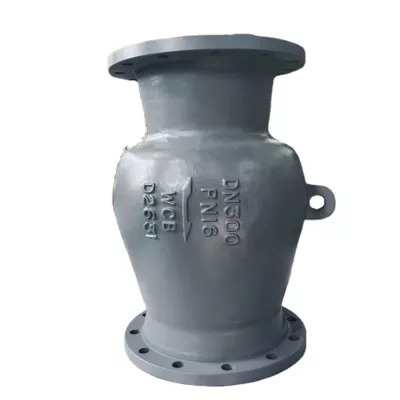
This forged carbon or stainless steel top-entry ball valve enquiry concerns a flanged assembly with manual operation. Define the selected body, internal trim and joint arrangement together, then establish the actual manufacturing route and operating envelope before accepting the valve for service.
Document the body and accessible internal assembly
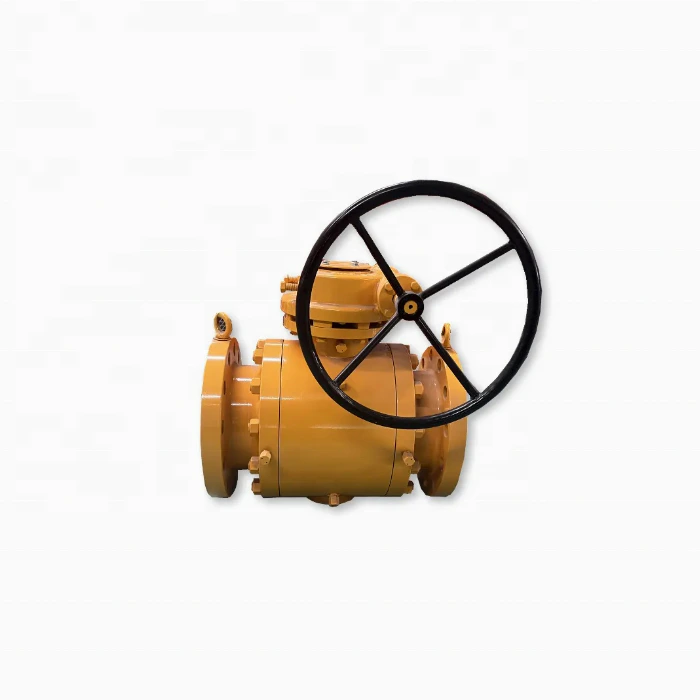
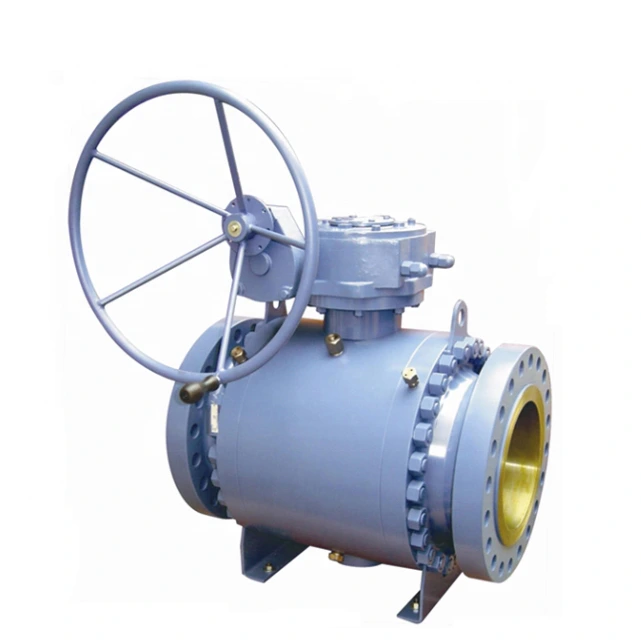
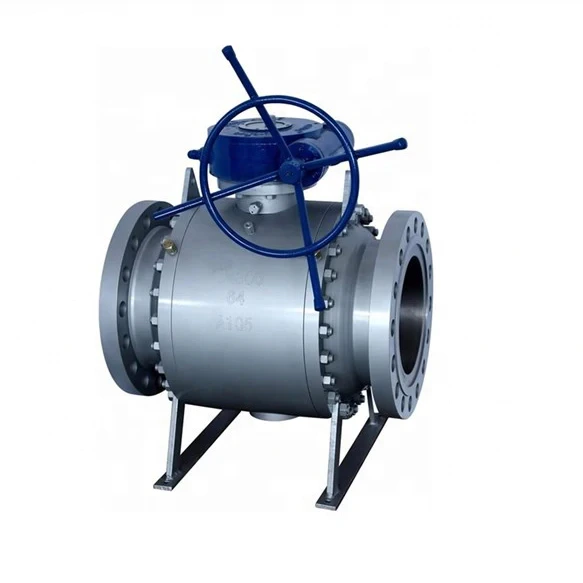
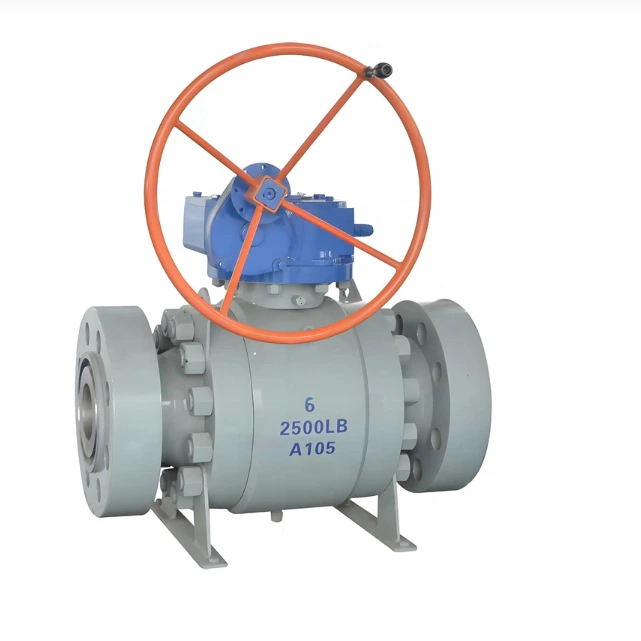
Request a sectional drawing showing actual top-entry construction, maintenance access and the selected operating arrangement. External handwheels and housings do not prove the internal design. Confirm manual travel, operating torque and installation access for the proposed location.
The forged enquiry and Casting selection require an actual production-route decision. Casting is not a material grade. Identify body, ball, stem and seat materials separately, with certificates and traceability. Carbon Steel ball wording does not define the body alloy, while a Stainless Steel selection does not establish every wetted grade.
Specify the flanged joint and actual port size
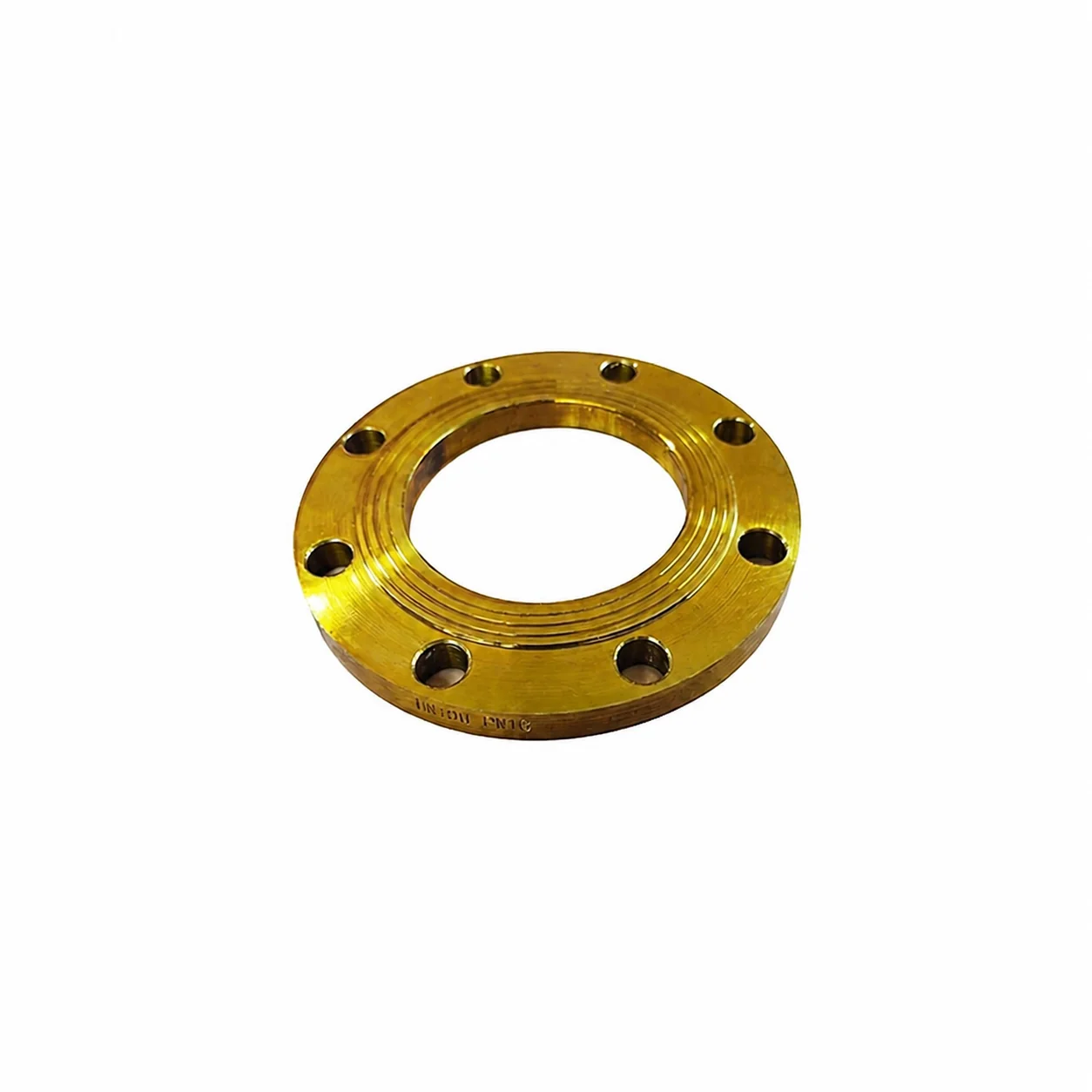
Choose among 3/8 in, 1/2 in, 3/4 in and 1 in(2.54cm), then confirm nominal mapping and full or reduced bore. The broader 1/4in–4in range does not provide selected port dimensions or promise every size. Obtain face-to-face length, flange standard, rating system, facing and drilling with compatible gasket and bolting requirements.
Define the actual medium rather than treating BASE as a chemical specification. PTFE needs selected seal geometry and compatibility assessment. State isolation or regulating duty; Control alone does not qualify continuous throttling or accuracy. Any OEM change requires an accepted assembly drawing and inspection criteria.
Set acceptance conditions across pressure and flow
Obtain the selected numerical pressure-temperature envelope instead of relying on Low Pressure or Medium Pressure labels. The 0–150 Celsius and 0–100 L/min entries require selected qualification and should not be treated as simultaneous limits. Provide fluid composition, normal/upset conditions, differential pressure, flow demand and manual torque requirements, with assembly/material records and acceptance tests.
Technical information for every product inquiry
Prepare the requirement before final product confirmation.
The product page is a starting point. Drawings, samples, interfaces, materials, quantities and acceptance requirements are reviewed before stock matching or custom production is confirmed.
Discuss this product in your project context.
Share the available drawing, sample, reference, target quantity and application information. Unknown items can remain open for review.