API 6D Carbon Steel Flanged Floating Ball Valve, 1/4in–4in Port Range
For industrial sourcing
Prepare a clearer RFQ
Include the details below so RELIA can understand the part and discuss the next step with you.
- Drawing, sample, or reference standard
- Material grade and preferred process
- Dimensions, tolerances, and surface finish
- Application, target quantity, and destination
Production timing, packing, and shipping terms are confirmed for each project after specifications and trade terms are agreed.
-
applicationGeneralBall MaterialCarbon Steel
-
Connection TypeflangemediaBASE
-
Port Size1/4in - 4instructureControl
-
model numberball valveConnection Size1/4in - 4in
-
customized supportOEM, odmFlow Rate0-100L/min
-
For Maximum Pipe Size4in(10.16cm)Operating PressureLow Pressure
-
Operating Temp. Range0~150 Celsiuspowermanual
-
Sealing MaterialPTFEtemperature of mediaMedium Temperature
-
warranty1 year
This API 6D carbon steel flanged floating ball valve enquiry requires a confirmed supplied assembly before technical selection. Establish the closure mechanism and component materials on a product-specific drawing, then assess the valve against the required pipe interface and service.
Accept the supplied valve mechanism first
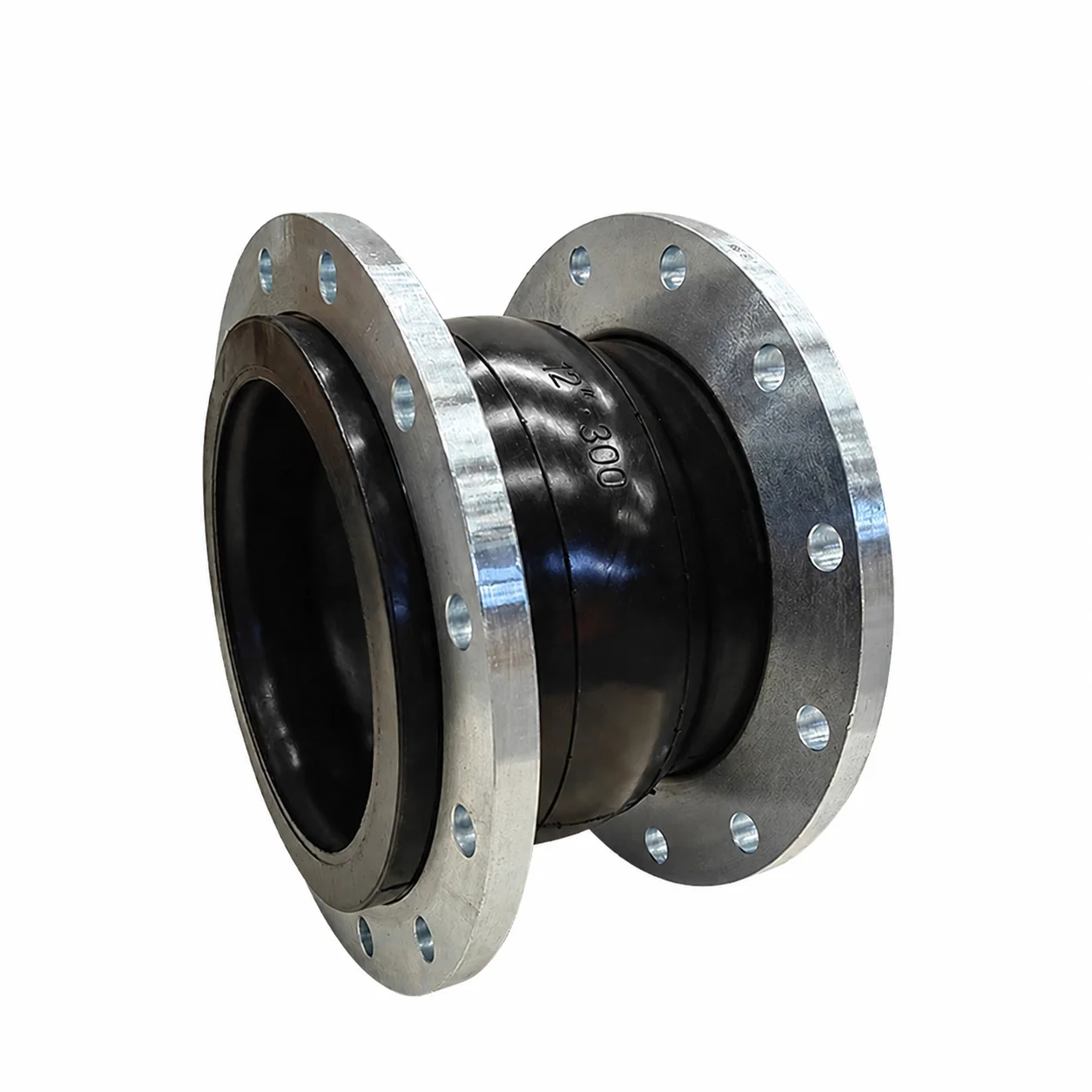
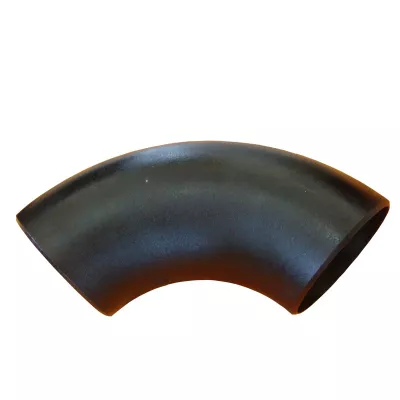
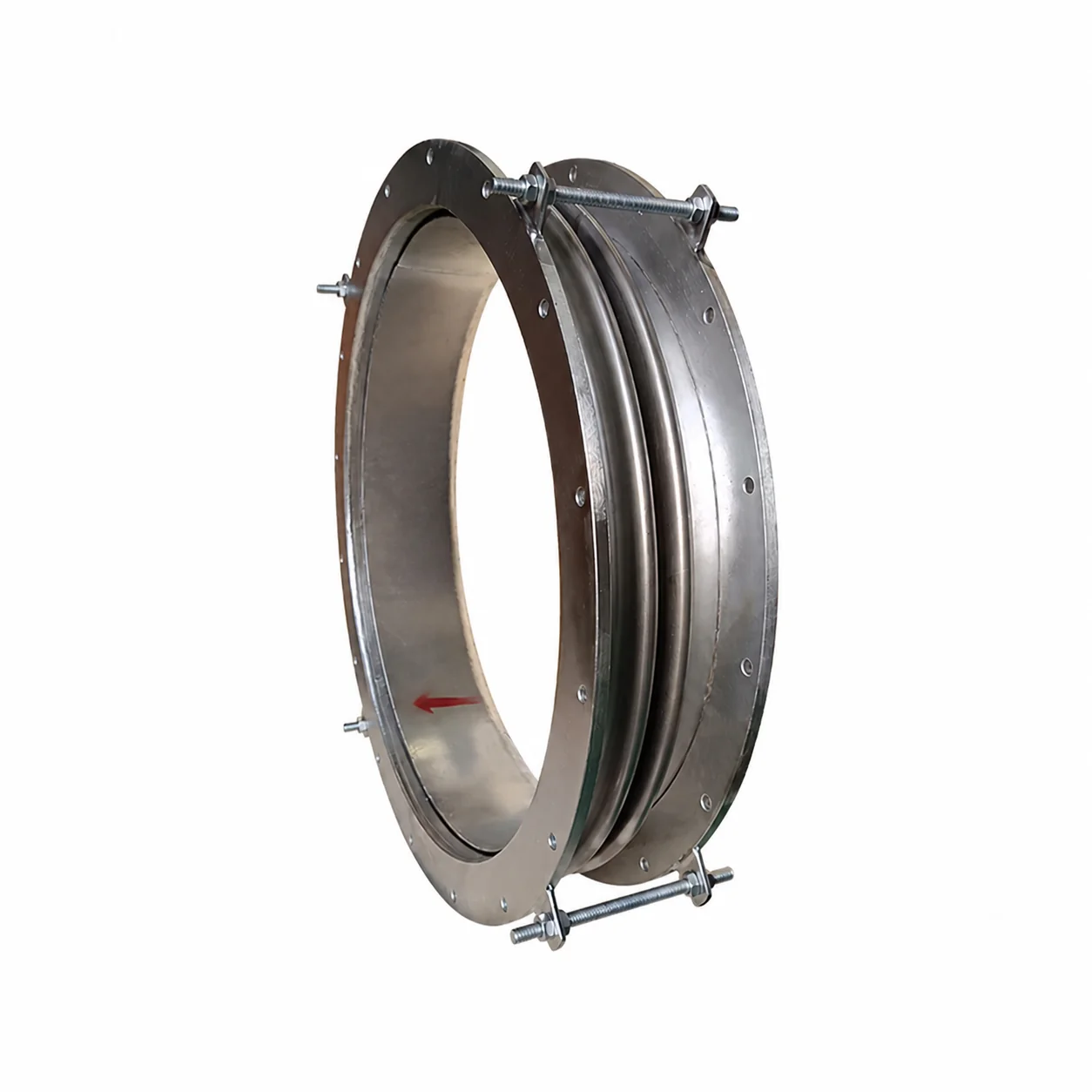
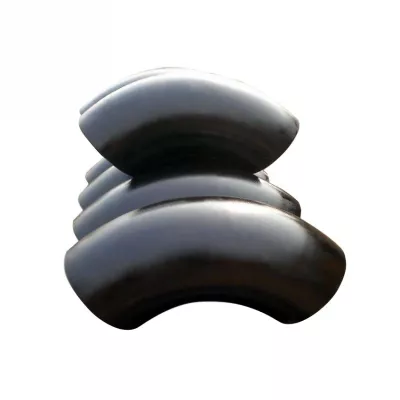
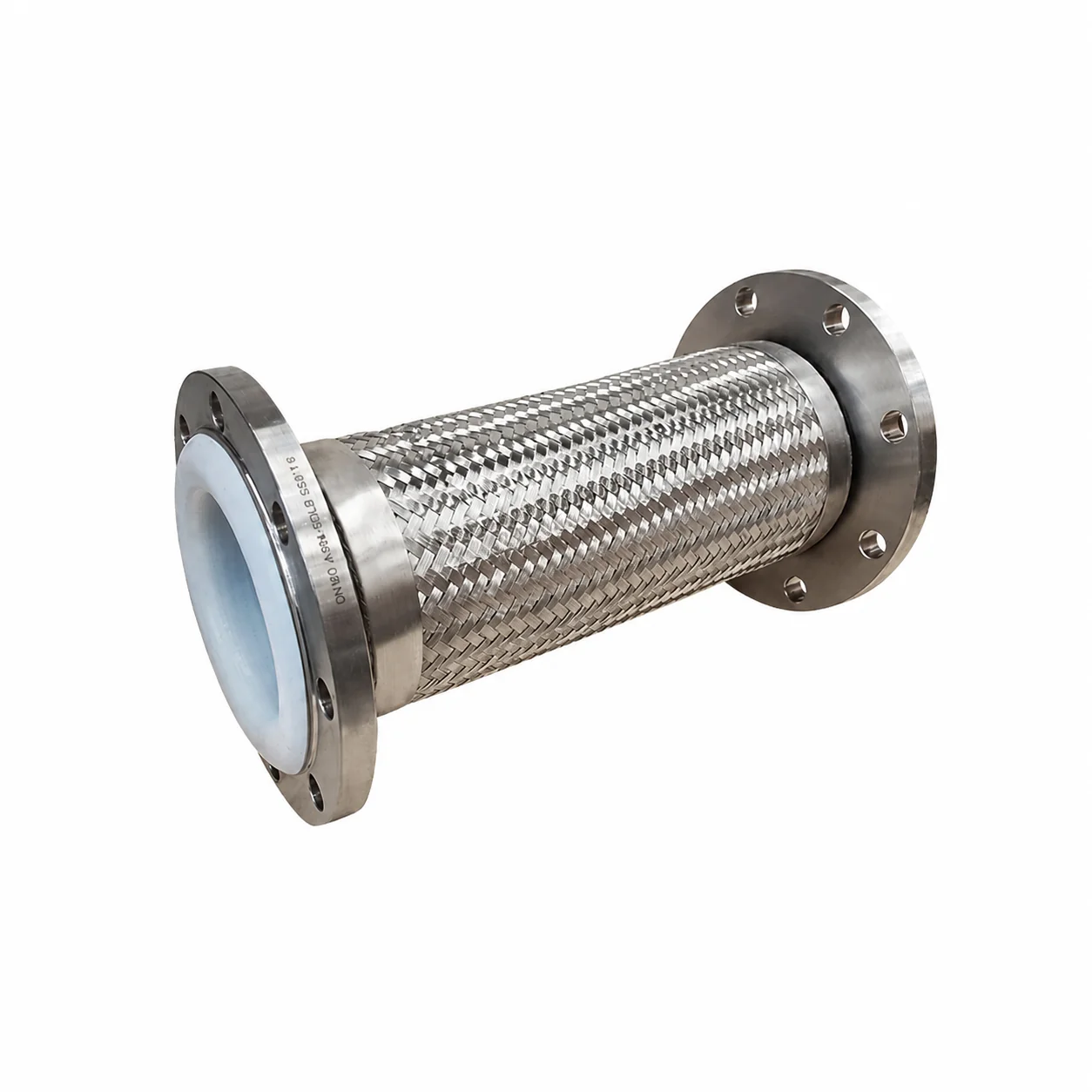
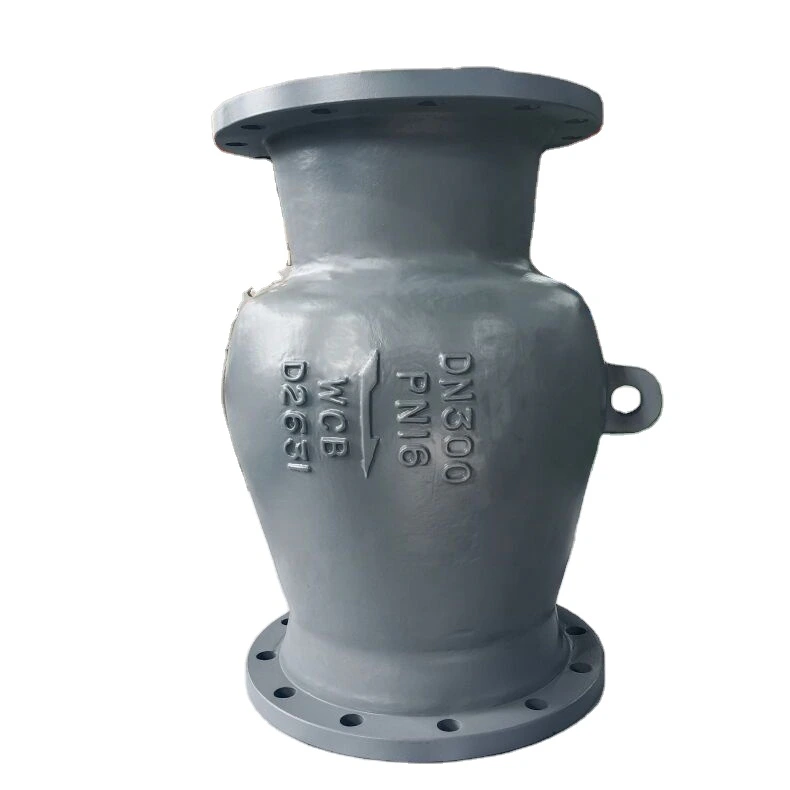
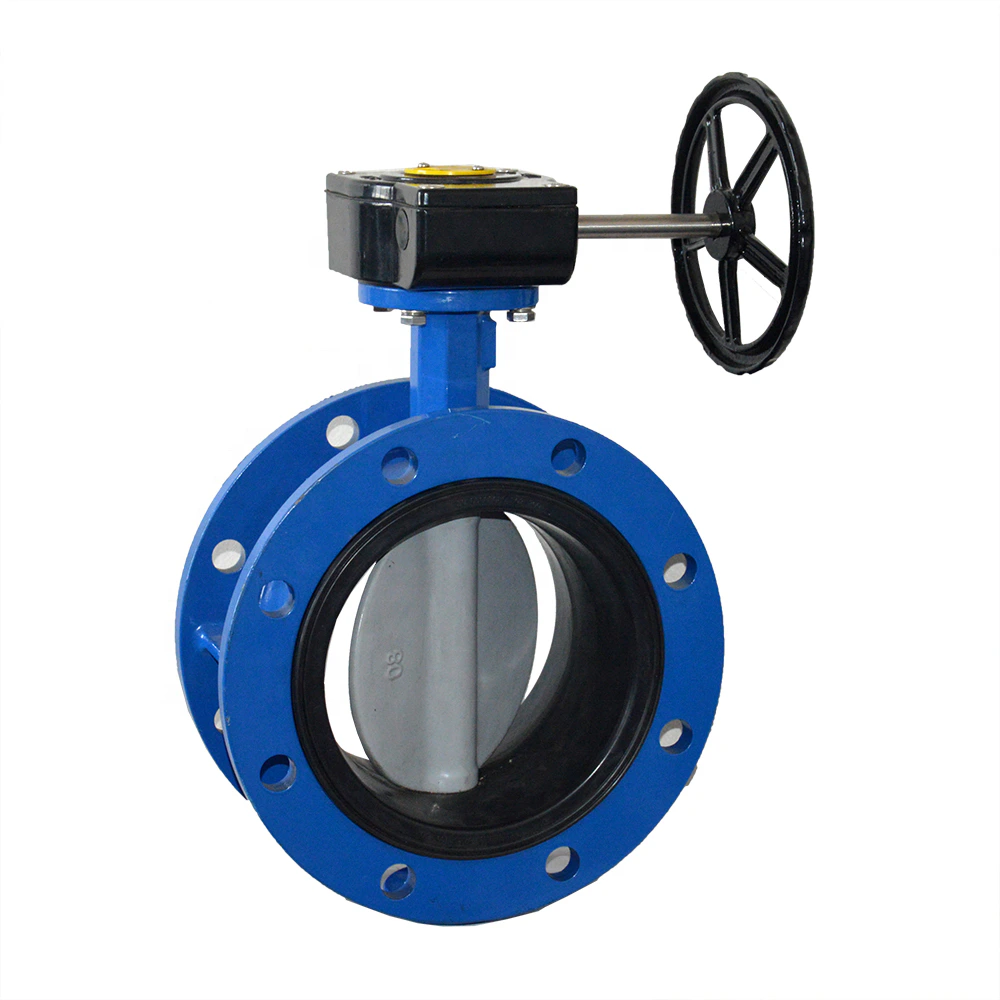
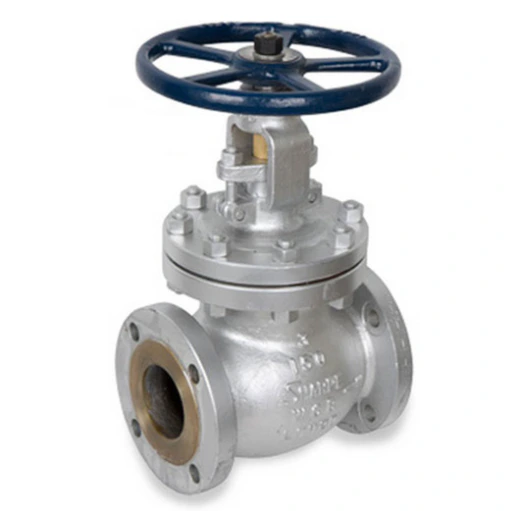
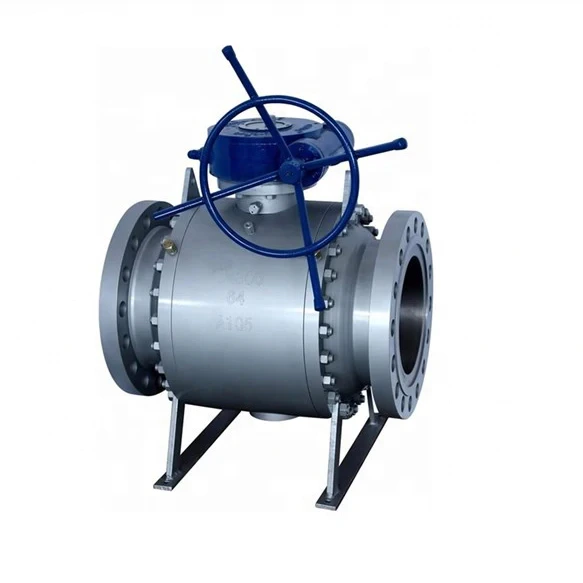
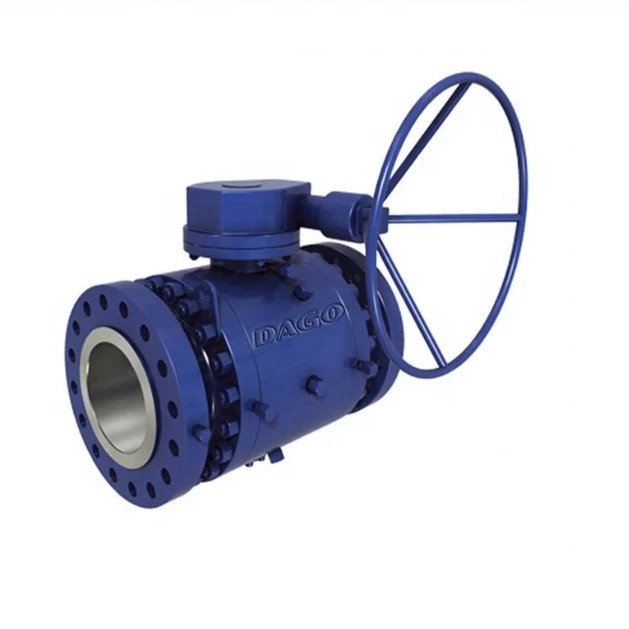
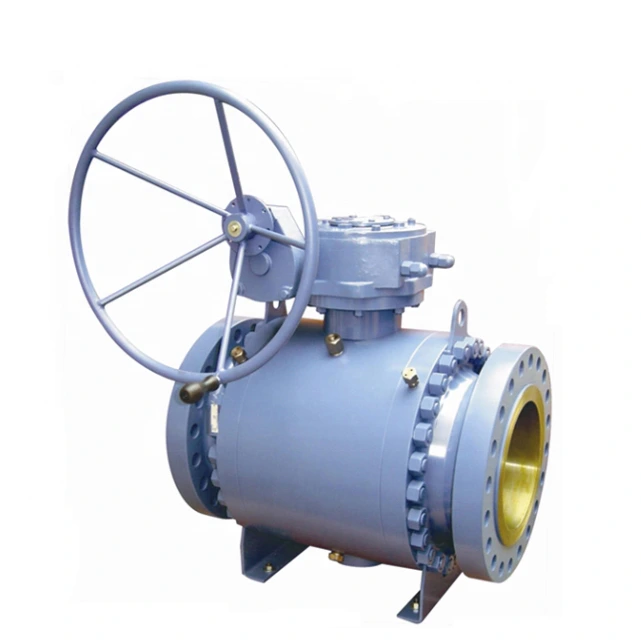
Confirm the closure element, body arrangement, stem, seats and manual operating mechanism. Two viewed reference images show an enclosed flanged body and a separate disc-type valve with a handwheel gearbox. These references do not certify the supplied valve as floating-ball construction.
Visible DN300, PN16 and WCB markings on a reference body cannot establish the selected valve's size, pressure basis or grade. Require an identified assembly drawing and inspection evidence rather than transferring markings from an illustrated construction.
Match actual size and component materials
Sixteen actual variants combine Stainless Steel or Casting, Low Pressure or Medium Pressure, and sizes of 3/8 in, 1/2 in, 3/4 in and 1 in(2.54cm). The broad port/connection range and maximum pipe entry do not create additional discrete selectable sizes. Check nominal size, bore, flange facing, drilling and face-to-face length.
Confirm body, closure, stem and wetted-component grades separately. Carbon steel naming and ball material wording cannot establish all supplied component grades. Casting describes a process rather than chemistry; a stainless choice also requires its own material and traceability evidence.
Establish API compliance and service acceptance
API 6D naming requires the agreed edition, applicable scope and compliance/testing documents. It does not establish certification or a pressure class. Pressure labels and stated temperature/flow ranges need a selection-specific combined operating envelope.
Identify actual medium composition, concentration, pressure, temperature, cycling and shutoff/control requirements. BASE is insufficient for chemical compatibility acceptance. Verify the PTFE compound, seat design, leakage criteria, manual operating torque and access. Submit the accepted assembly/interface drawings, component certificates, seal details and complete duty for evaluation.
Technical information for every product inquiry
Prepare the requirement before final product confirmation.
The product page is a starting point. Drawings, samples, interfaces, materials, quantities and acceptance requirements are reviewed before stock matching or custom production is confirmed.
Discuss this product in your project context.
Share the available drawing, sample, reference, target quantity and application information. Unknown items can remain open for review.