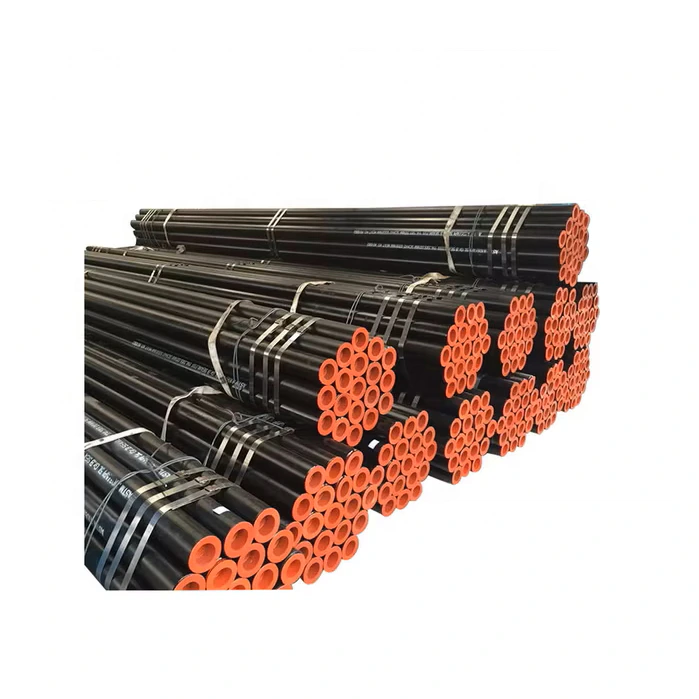
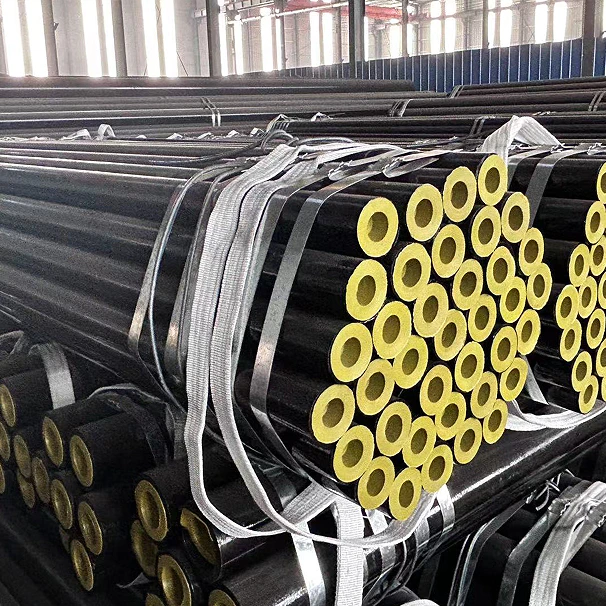
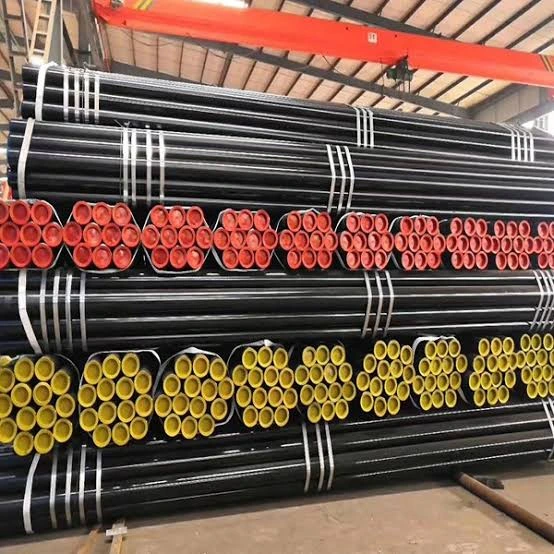
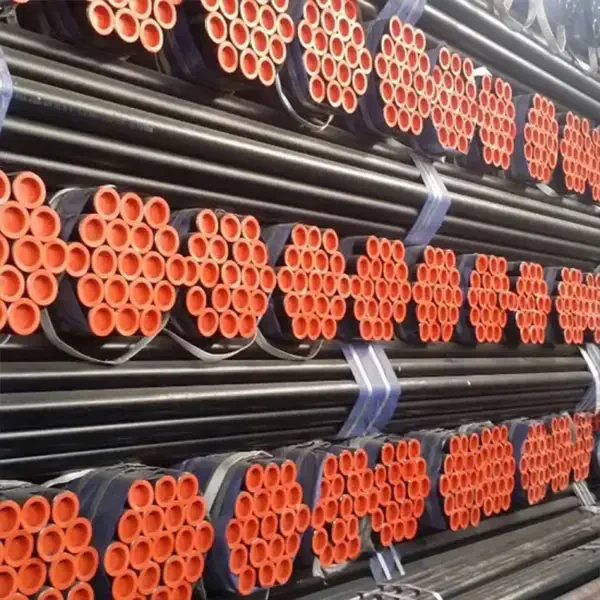
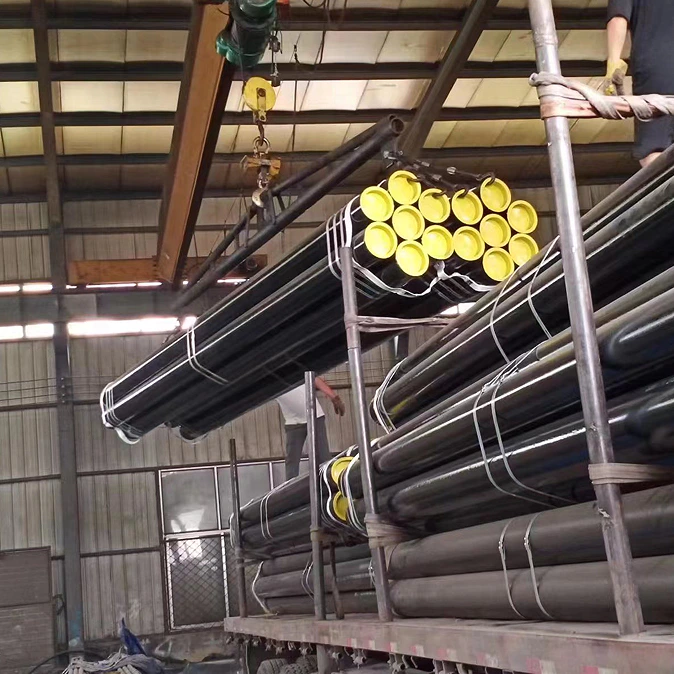
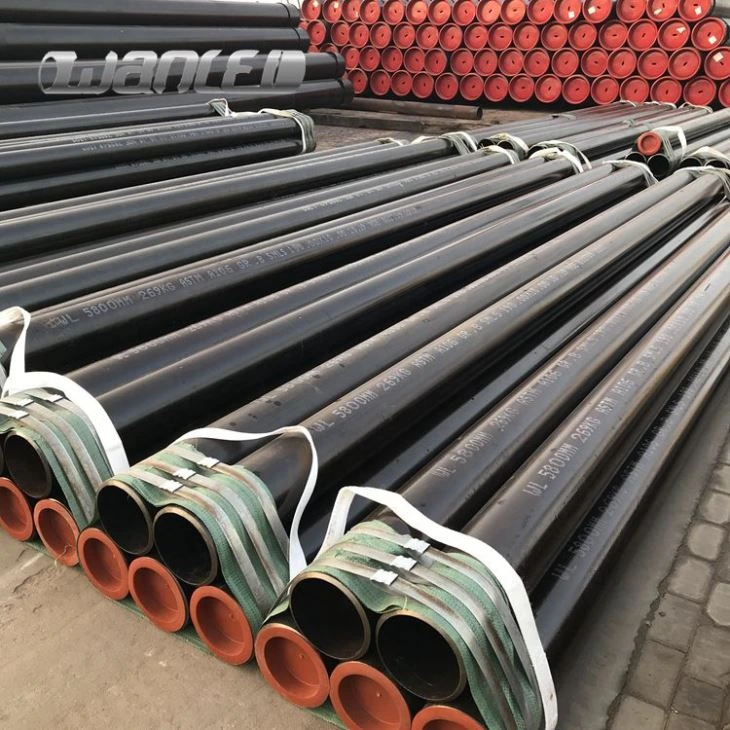
ERW Carbon Steel Pipe for Boiler System Enquiries
For industrial sourcing
Prepare a clearer RFQ
Include the details below so RELIA can understand the part and discuss the next step with you.
- Drawing, sample, or reference standard
- Material grade and preferred process
- Dimensions, tolerances, and surface finish
- Application, target quantity, and destination
Production timing, packing, and shipping terms are confirmed for each project after specifications and trade terms are agreed.
-
InvoicingBy Actual WeightOiled or Non-oiledNon-oiled
-
Section ShapeRoundSurface TreatmentCold Rolled
-
Tolerance±1%Alloy Or NotNon-Alloy
-
ApplicationFluid Pipe, Drill Pipe, Hydraulic Pipe, Gas Pipe, Oil PipeCertificateAPI , ISO 9001
-
Delivery Time8 ~ 14 daysGradecarbon steel
-
Outer Diameter219 - 1066 mmSpecial PipeAPI Pipe, Other, EMT Pipe, Thick Wall Pipe
-
StandardASTMTechniqueERW
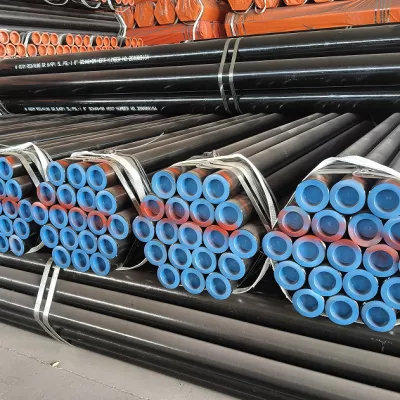
This ERW carbon steel pipe listing includes boiler systems among several application labels. It identifies ASTM generically and describes high-pressure use, without a numbered product specification, actual steel grade or allowable operating limit. Establish the intended boiler component and acceptance basis before technical selection.
Define the boiler role and governing requirements
Clarify whether the pipe is proposed for a pressure-boundary component or another system duty. Provide the relevant project and design requirements, then request the numbered material specification and edition for the actual supply. A specification associated with a different catalogue item should not be assigned here.
Obtain the selected grade, condition, production and weld records, together with any specified heat treatment and inspections. The table records ERW and cold-rolled processing; confirm the actual sequence and its applicability. Neither the title nor broad API and ISO 9001 labels demonstrate boiler approval or verified certification.
Specify dimensions for the actual pipe selection
Available lengths are 6 m and 12 m, both paired with a 6–20 mm thickness entry. The outside-diameter field spans 219–1066 mm. State one exact diameter, wall and length combination with the required end preparation, straightness and ovality limits.
Ask which dimension the ±1% tolerance describes and how it is checked. The broad ranges do not establish a particular wall thickness, all possible combinations or pressure capacity. Additional bore or cleanliness requirements should follow the confirmed component role and purchase specification.
Assess thermal duty and arrange acceptance evidence
Provide fluid or steam conditions, design and operating pressure, temperature, thermal transients, cycles and external loads. Review corrosion and the selected material and joint requirements. EMT, drill and oil labels do not make those duties interchangeable. Agree tests, traceability, non-oiled preservation, actual-weight invoicing and confirmed delivery for the chosen supply.
Technical information for every product inquiry
Prepare the requirement before final product confirmation.
The product page is a starting point. Drawings, samples, interfaces, materials, quantities and acceptance requirements are reviewed before stock matching or custom production is confirmed.
Discuss this product in your project context.
Share the available drawing, sample, reference, target quantity and application information. Unknown items can remain open for review.