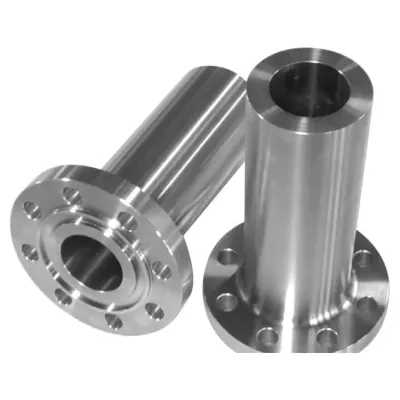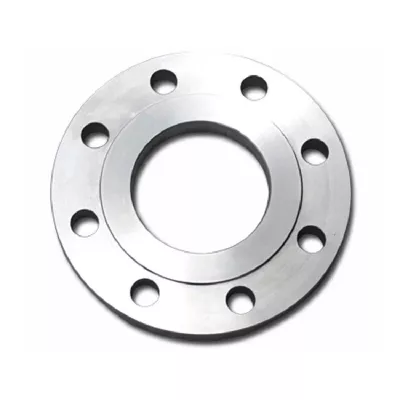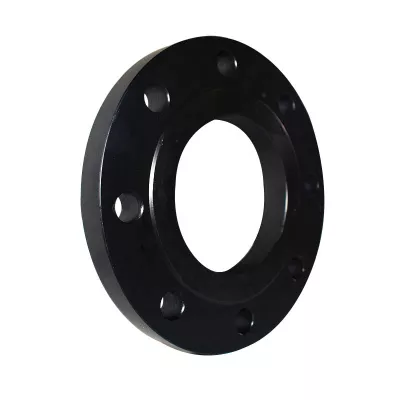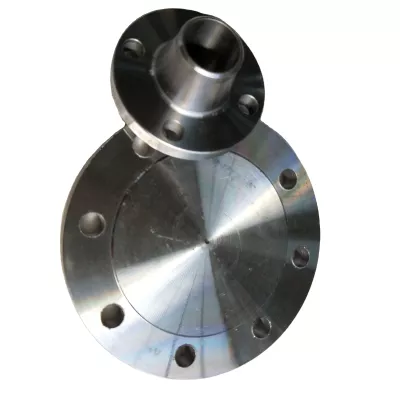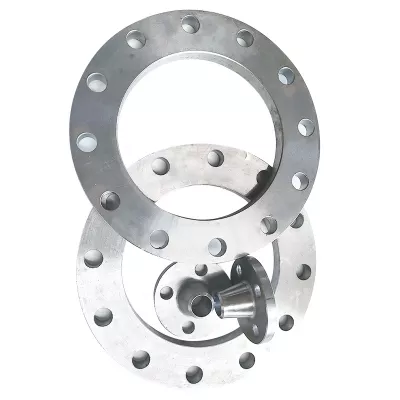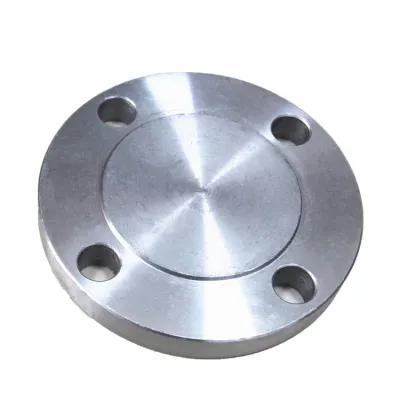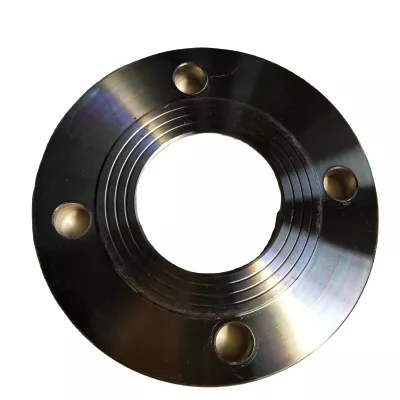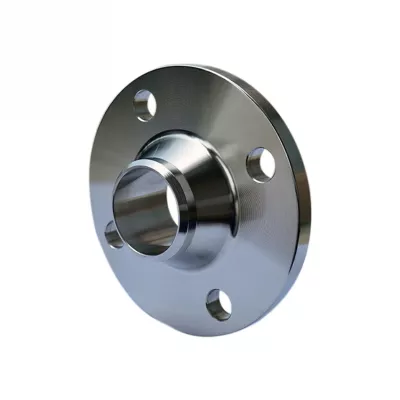
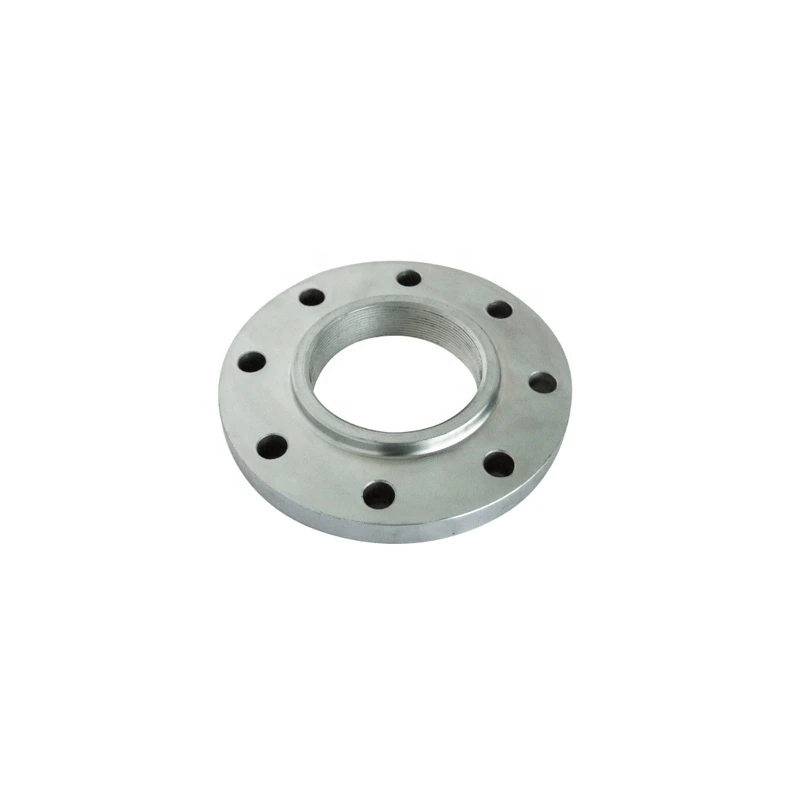
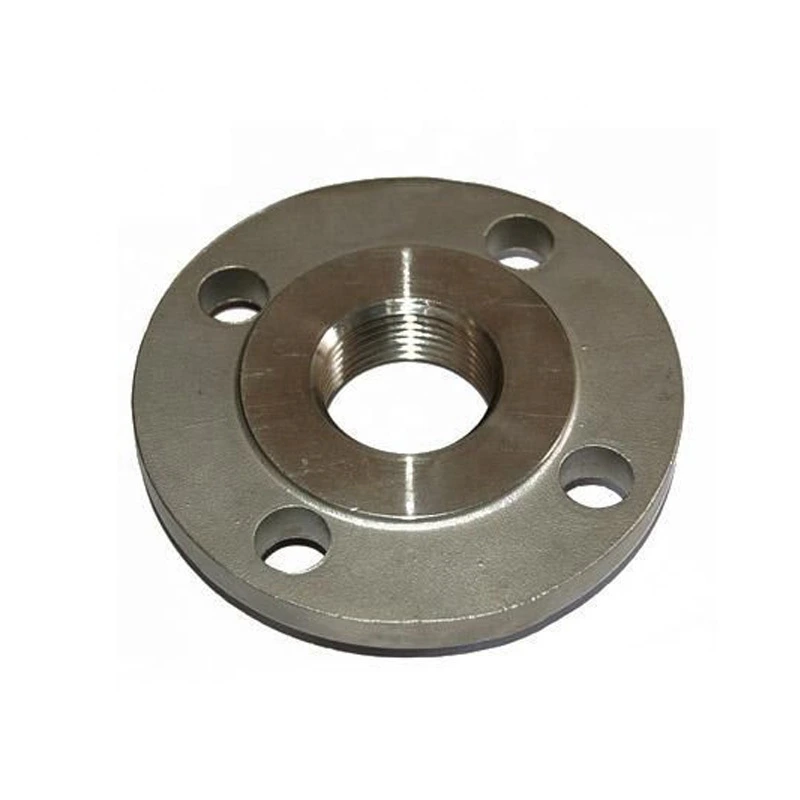
A105 Class 300 Slip-On Flange for Fire Protection
For industrial sourcing
Prepare a clearer RFQ
Include the details below so RELIA can understand the part and discuss the next step with you.
- Drawing, sample, or reference standard
- Material grade and preferred process
- Dimensions, tolerances, and surface finish
- Application, target quantity, and destination
Production timing, packing, and shipping terms are confirmed for each project after specifications and trade terms are agreed.
-
Surface TreatmentPolishedApplicationIndustrial Equipment
-
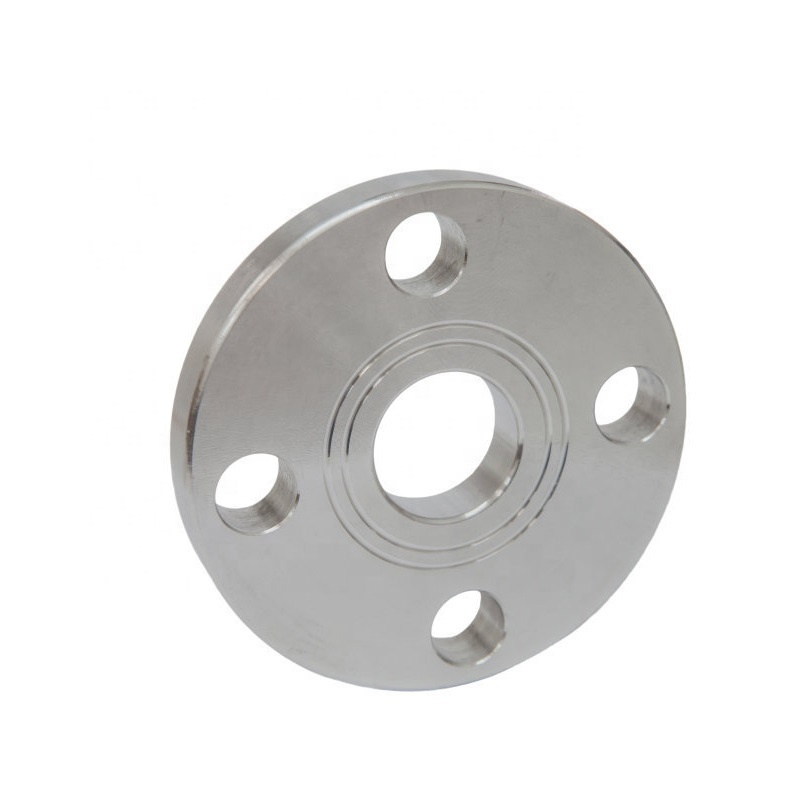
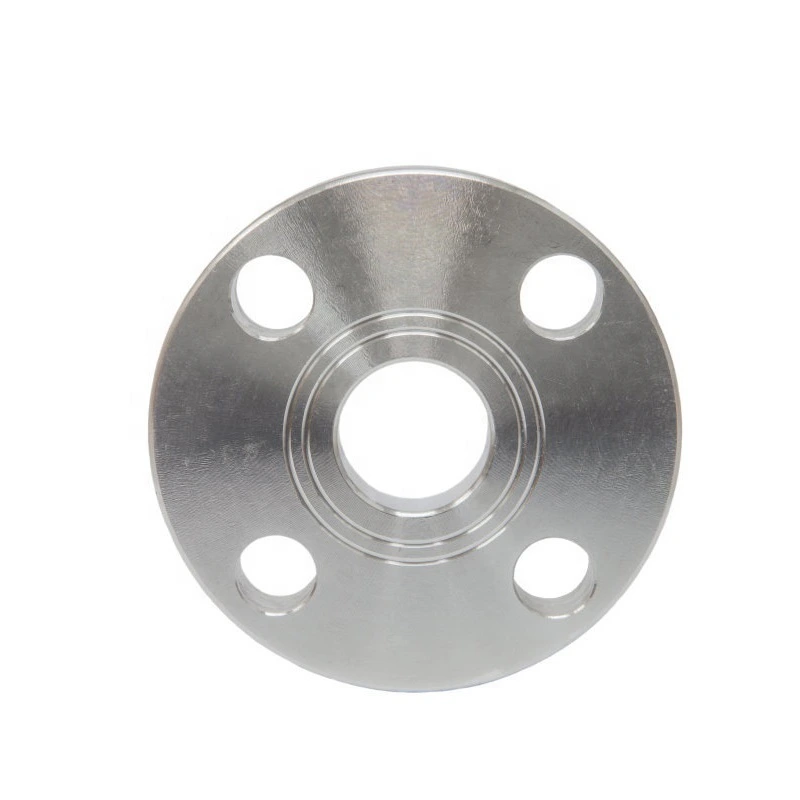
Bolt Hole Diameter1/2"Bolt Hole Quantity4
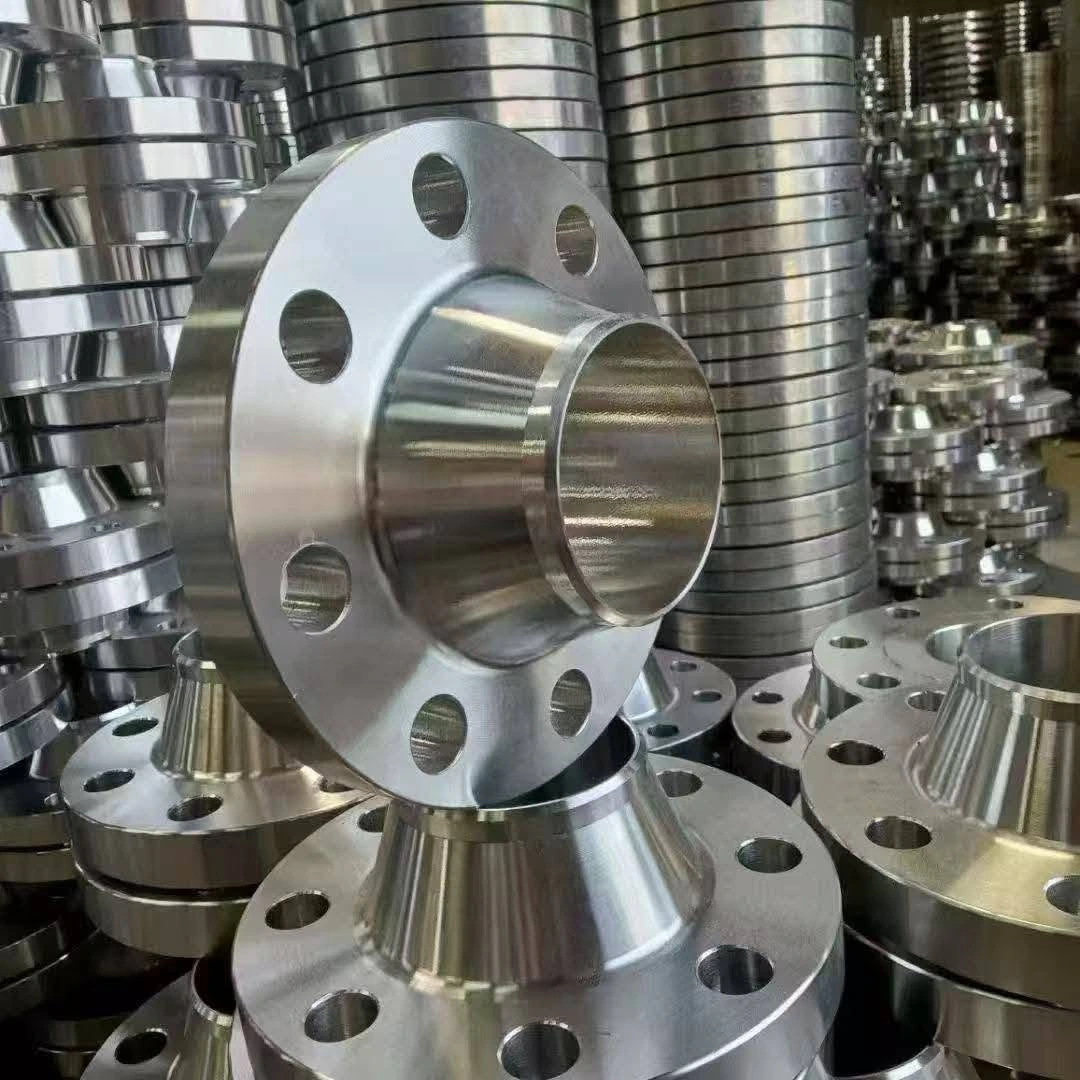
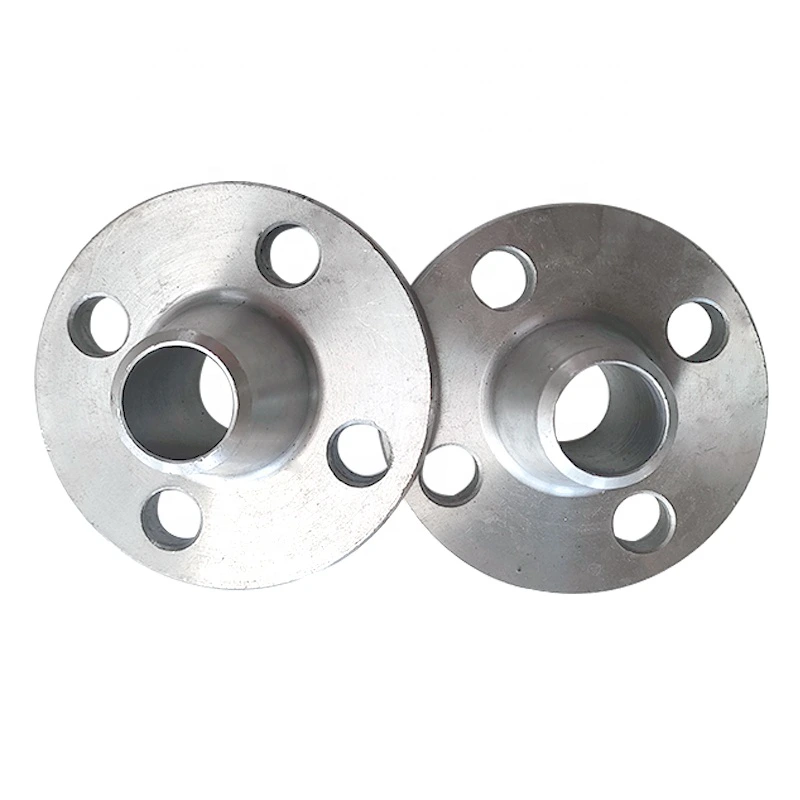
This industrial fire protection listing describes a carbon steel slip-on flange with A105, Class 300 and ASME B16.5 references. The selectable Carbon Steel slip-on option supports that component family. Confirm the actual material, drawing and system acceptance requirements before specifying it for a fire protection installation.
Check slip-on dimensions and standard scope
Provide the pipe dimensions and selected flange drawing, including bore, fit, hub geometry, thickness, facing and complete bolt pattern. Establish the welding and inspection requirements under the project specification. A slip-on selection does not provide a universal connection detail for every pipe or operating condition.
Confirm the applicable ASME B16.5 edition and required size/class combination. The shared 1/2–120 inch range does not demonstrate that this standard covers every listed size or that all combinations are available. Verify the four half-inch holes in the table against the actual mating flange.
Verify A105 and Class 300 acceptance
Request material records supporting A105, with the required condition and traceability. The generic Carbon Steel choice is not a supplied material certificate. Define the finish and inspection criteria behind Polished, particularly where the mating joint requires specific surface acceptance.
Class 300 does not mean a universal 300 psi operating limit. Review the pressure-temperature requirements for the actual material, flange and joint. Confirm the dimensional and material evidence required by the purchase specification rather than treating standard names in the title as proof of conformity.
Establish fire protection project requirements
State the system medium, pressure, temperature, transients and cycles, together with any required project approval or listing evidence. Fire protection application wording does not establish such approval. Assess the selected component against the actual system requirements, then agree inspections, documentation, marking, preservation, quantity and delivery for the specified slip-on flange.
Technical information for every product inquiry
Prepare the requirement before final product confirmation.
The product page is a starting point. Drawings, samples, interfaces, materials, quantities and acceptance requirements are reviewed before stock matching or custom production is confirmed.
Discuss this product in your project context.
Share the available drawing, sample, reference, target quantity and application information. Unknown items can remain open for review.