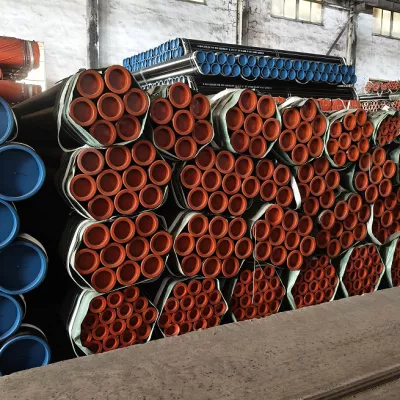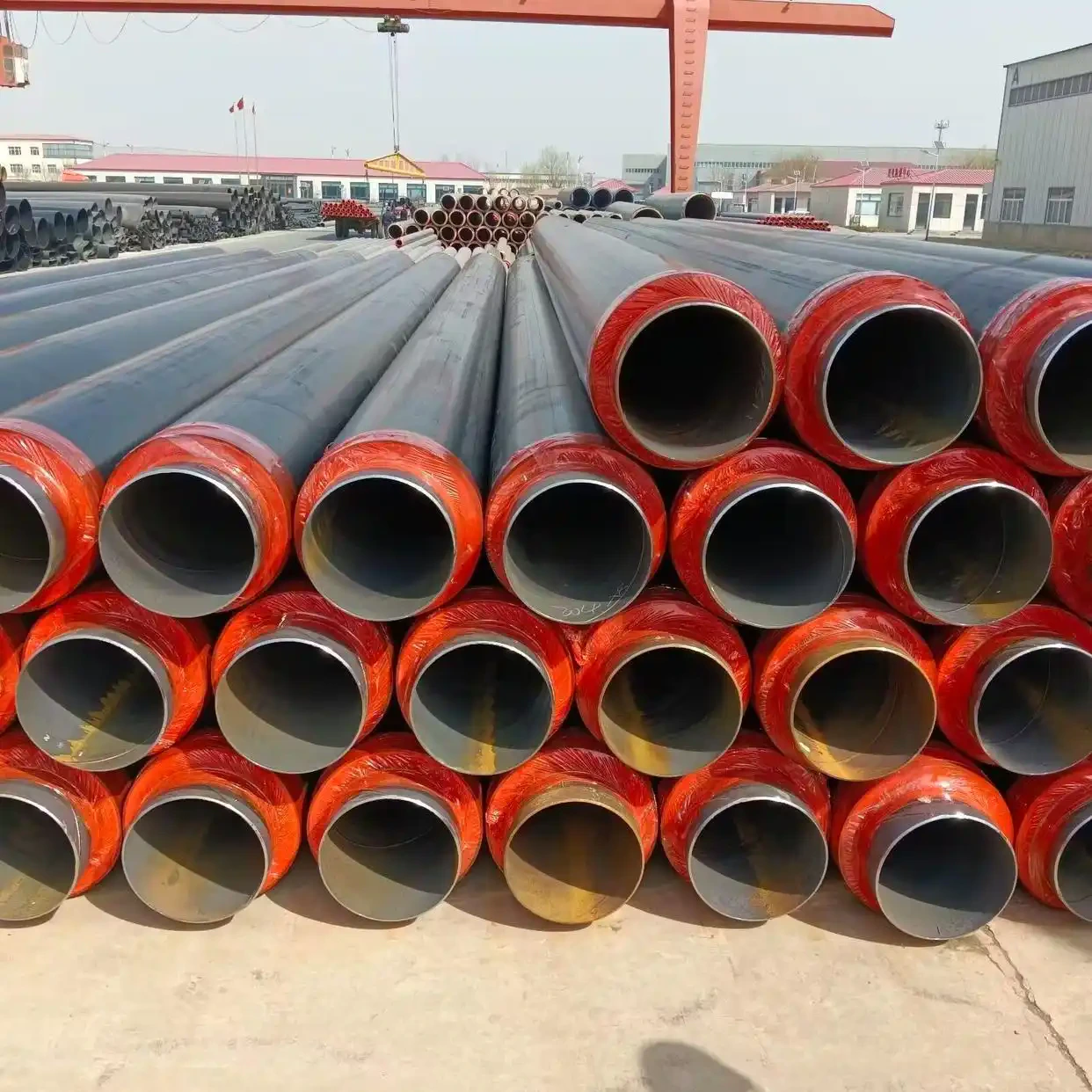
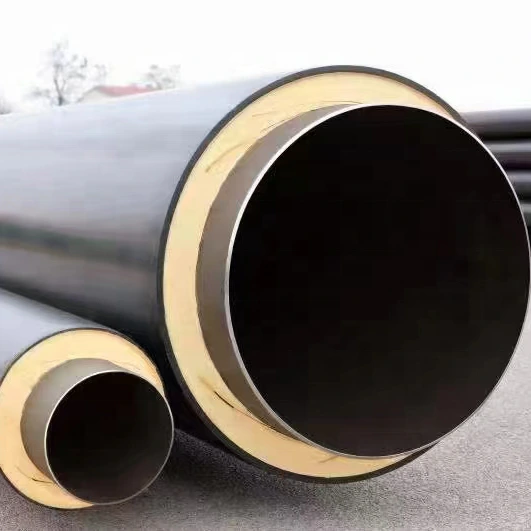
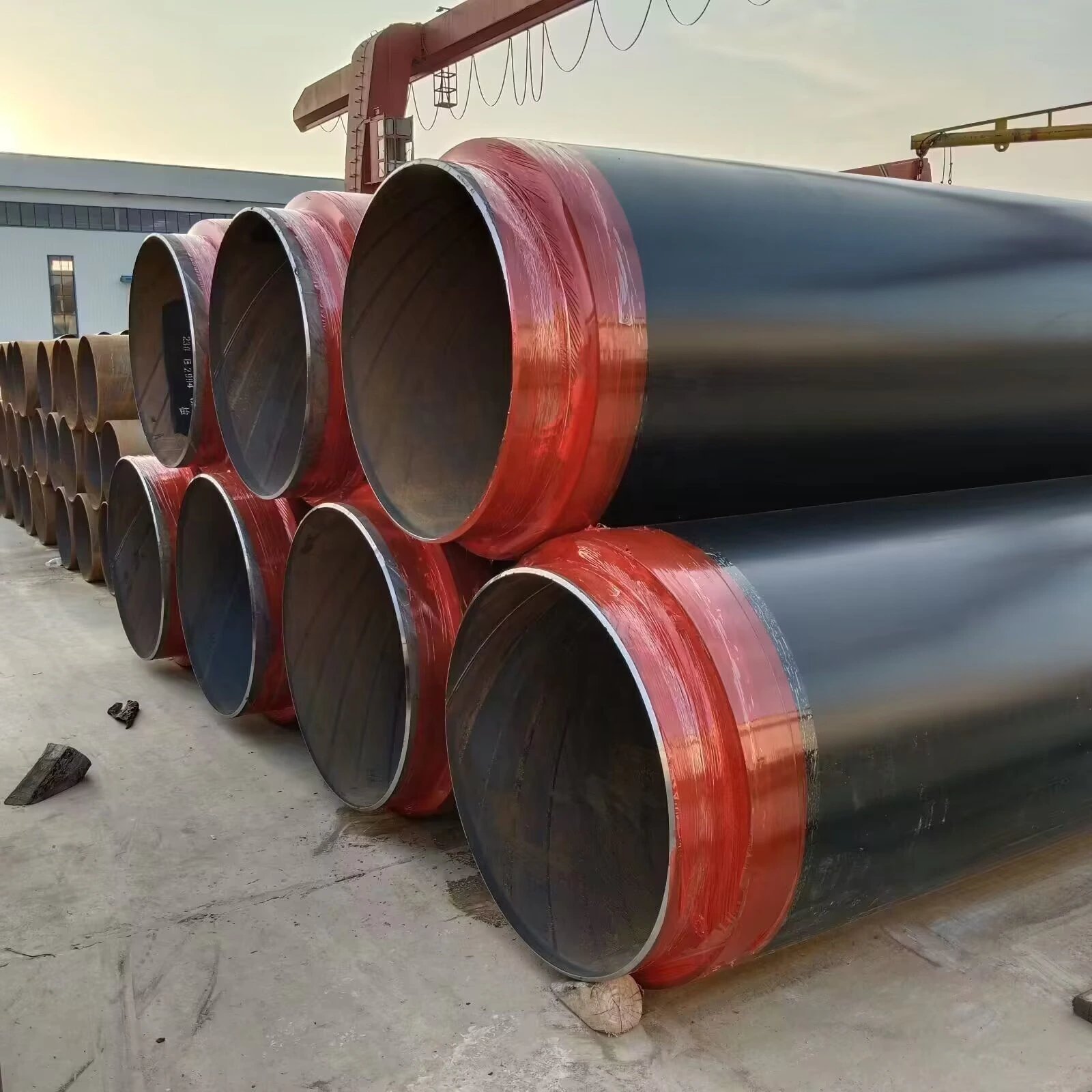
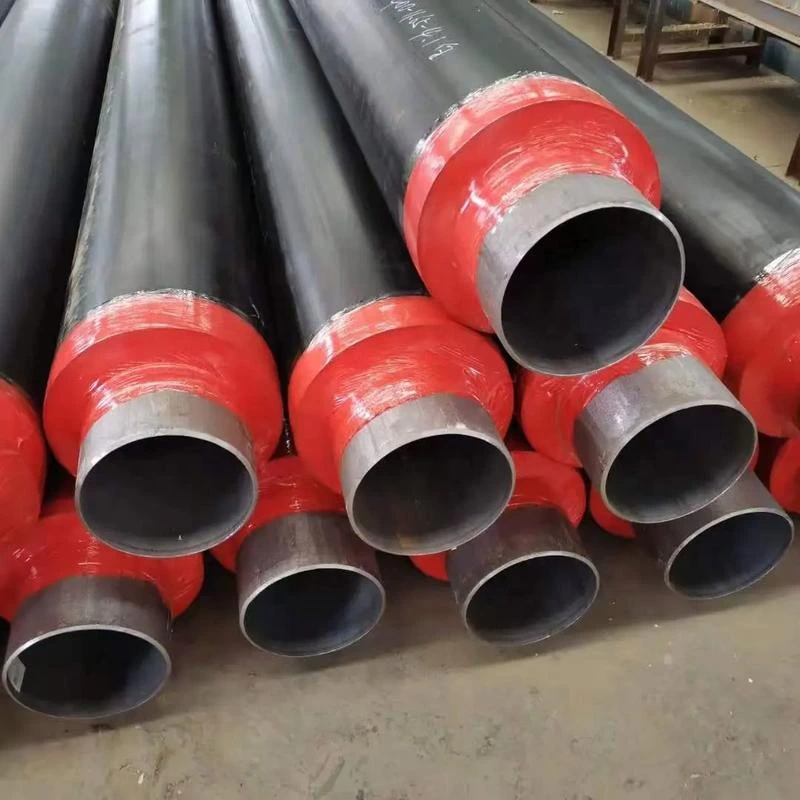
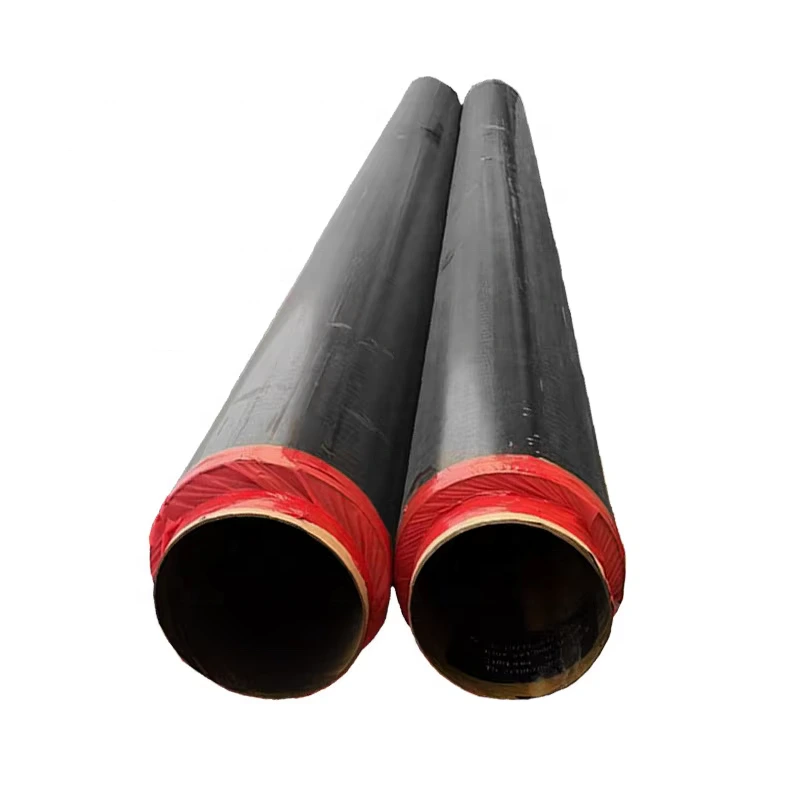
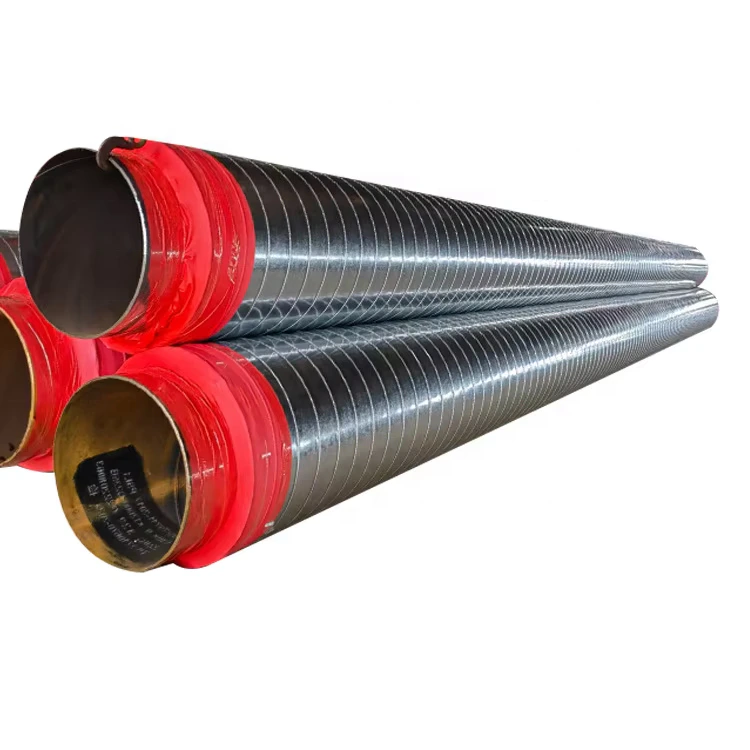
Pre-Insulated Steel Pipe for District Heating
For industrial sourcing
Prepare a clearer RFQ
Include the details below so RELIA can understand the part and discuss the next step with you.
- Drawing, sample, or reference standard
- Material grade and preferred process
- Dimensions, tolerances, and surface finish
- Application, target quantity, and destination
Production timing, packing, and shipping terms are confirmed for each project after specifications and trade terms are agreed.
-
InvoicingBy Actual WeightTolerance±1%
-
Alloy Or NotNon-AlloyApplicationFluid Pipe, Drill Pipe, Hydraulic Pipe, Gas Pipe, Oil Pipe
-
CertificateAPI , ISO 9001Delivery Time8 ~ 14 days
-
Outer Diameter219 - 1066 mmSpecial PipeAPI Pipe, Other, EMT Pipe, Thick Wall Pipe
-
StandardASTM
This pre-insulated steel pipe uses polyurethane foam in its district-heating product description. The table lists a non-alloy classification and dimensional ranges, without identifying the carrier grade or manufacturing route. Build the enquiry around one documented assembly and its actual heating-system conditions.
Resolve carrier measurements and material identity
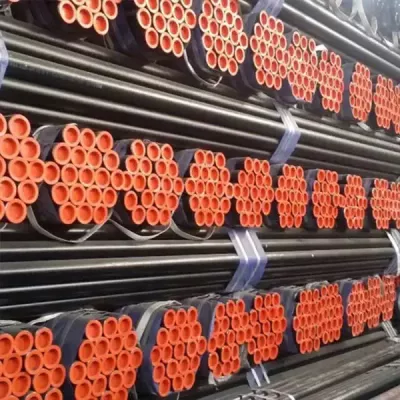
Outside diameter is listed as 219–1066 mm, with thickness options of 6–20 mm and lengths of 12 m or 6 m. Confirm which component each range describes. Request carrier diameter, bore and wall, insulation thickness and finished assembly dimensions on the selected drawing.
State how ±1% applies to the relevant measurements and inspection. Obtain the complete steel designation, governing material and dimensional documents, editions, condition, traceability and production records. Generic ASTM and EMT wording does not identify a complete carrier specification or establish the manufacturing route.
Document the foam system and joint continuity
Define polyurethane foam construction, coverage, interfaces and pipe-end details. The source does not specify an outer protective material; agree any required protection independently. Obtain thermal performance evidence with test or calculation conditions, rather than assuming a density, conductivity, service temperature or predicted lifetime.
Specify pipe joining, site insulation and any outer closure as one coordinated detail. Include alignment, inspection and repair criteria, plus transport and storage precautions. Carrier movement and support requirements need to be considered with the proposed layer construction and installation arrangement.
Set the district-heating operating basis
Provide medium composition, pressure, supply and return temperatures, cycling, heat-loss requirements, exposure and route details. District-heating wording alone does not select water, steam or buried installation. Confirm assembly compatibility, verify applicable API/ISO 9001 documents and agree testing, material, production, dimensional and layer records with the quotation.
Technical information for every product inquiry
Prepare the requirement before final product confirmation.
The product page is a starting point. Drawings, samples, interfaces, materials, quantities and acceptance requirements are reviewed before stock matching or custom production is confirmed.
Discuss this product in your project context.
Share the available drawing, sample, reference, target quantity and application information. Unknown items can remain open for review.