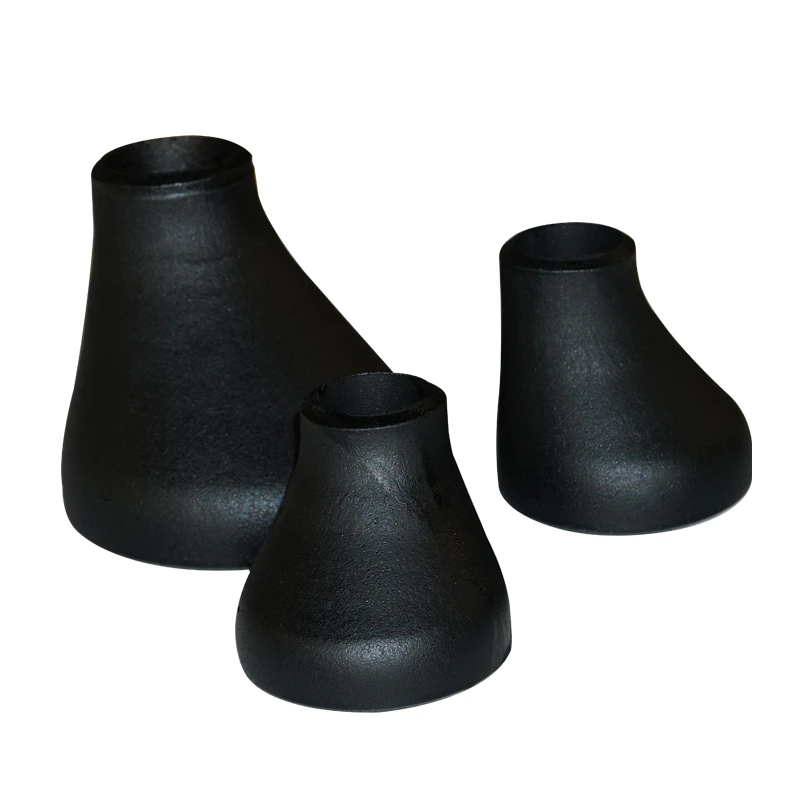
Forged Stainless and Carbon Steel Pipe Fittings, Concentric/Eccentric Reducer Enquiry
For industrial sourcing
Prepare a clearer RFQ
Include the details below so RELIA can understand the part and discuss the next step with you.
- Drawing, sample, or reference standard
- Material grade and preferred process
- Dimensions, tolerances, and surface finish
- Application, target quantity, and destination
Production timing, packing, and shipping terms are confirmed for each project after specifications and trade terms are agreed.
-
warranty1 yearcustomized supportOEM, ODM, OBM
-
TechnicForgedConnectivityWelding
-
shapeEqualhead codeHexagon
-
Surface TreatmentPaintingMounting hole diameter0.25 in
-
Pipe Class150SizeCustomized Size
-
Product nameElbow
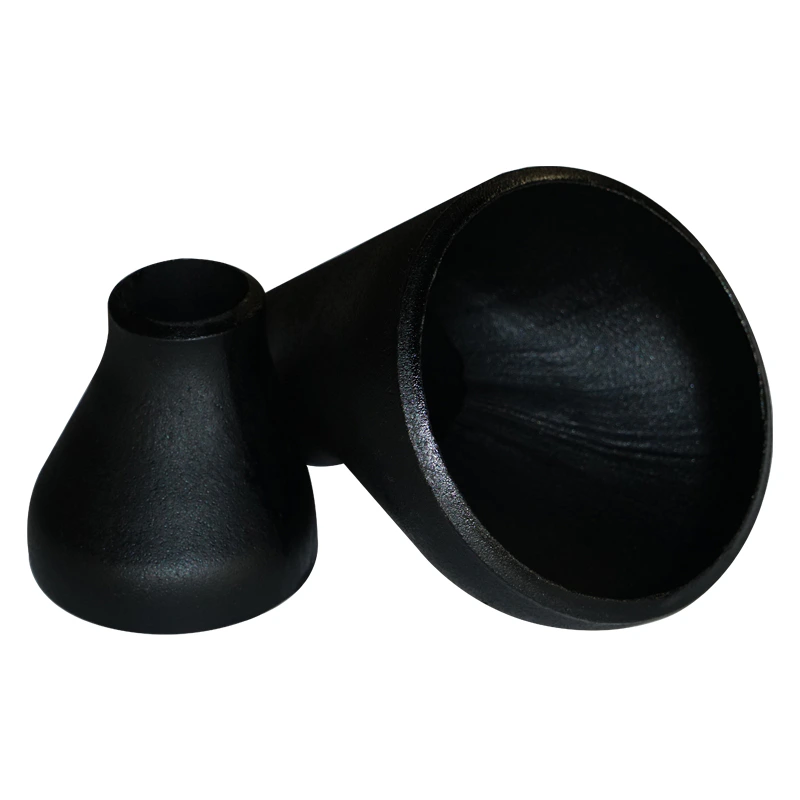
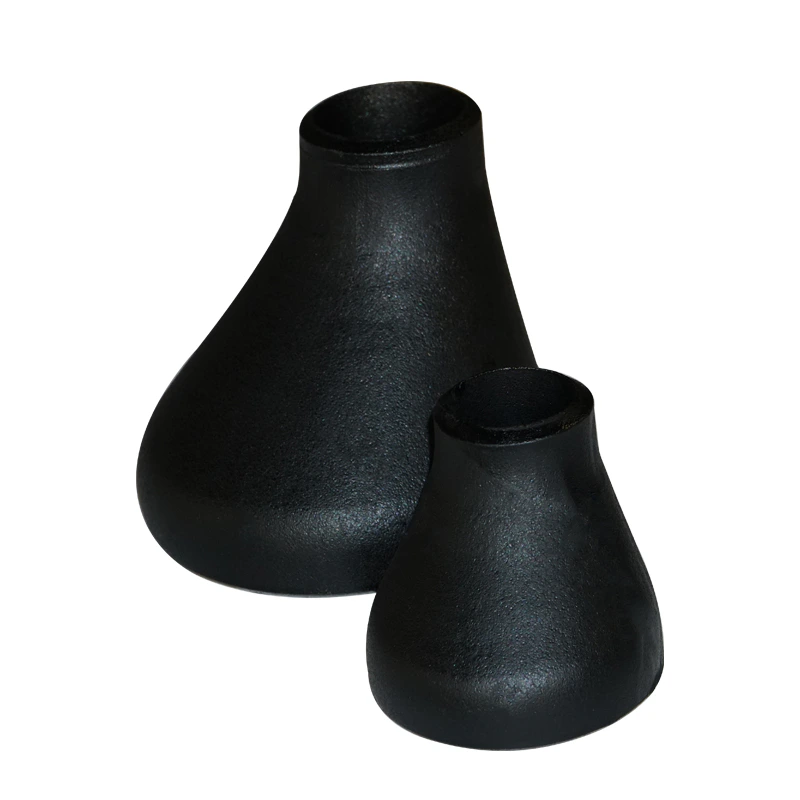
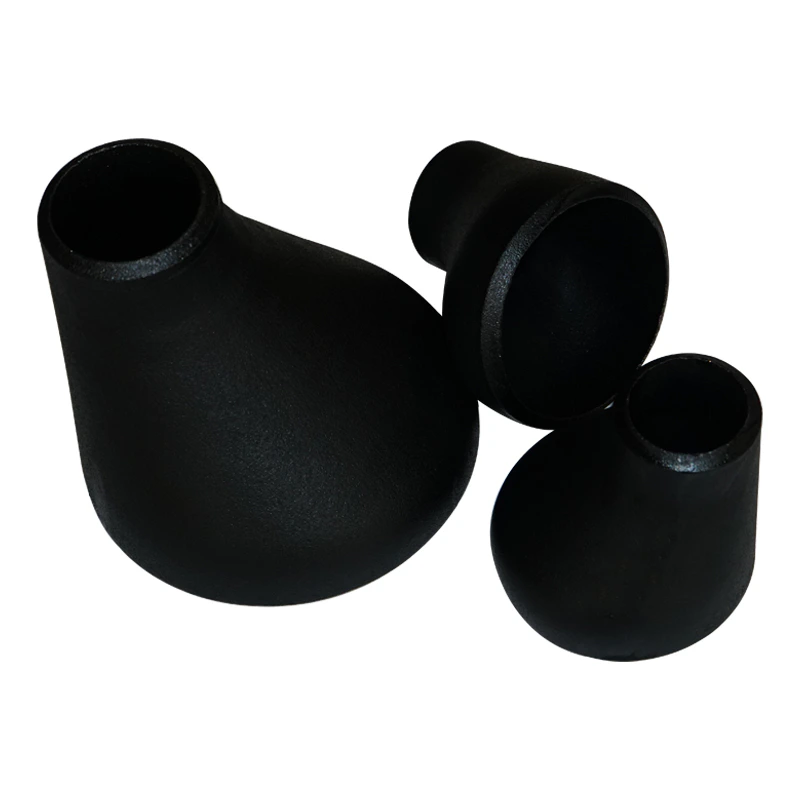
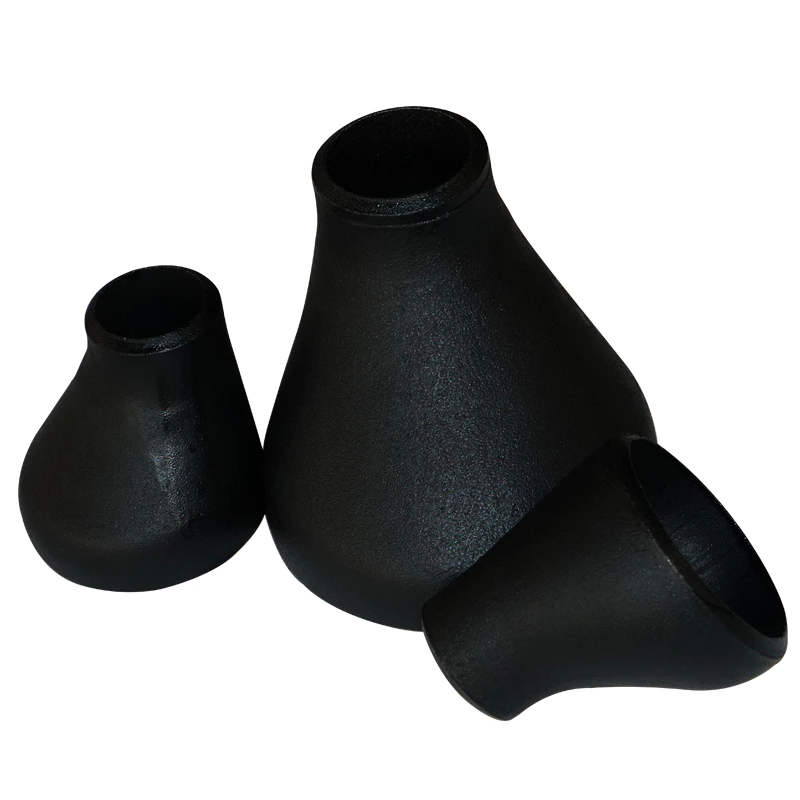
This forged stainless and carbon steel pipe-fitting enquiry names concentric and eccentric reducer arrangements with a painted Class 150 description. Define the complete transition, including both pipe ends and the required alignment, before choosing a listed size.
Specify both ends and the transition
Fifteen actual reducer variants combine 10 mm, 12 mm, 14 mm, 50 mm or 30 mm with Stainless Steel, Alloy or Carbon Steel. A single size label cannot identify the large and small ends or establish whether the value represents nominal size, outside diameter or bore.
Request an accepted drawing with both end diameters, bores, wall thicknesses, overall length, transition profile and tolerances. Choose concentric or eccentric alignment explicitly, including the offset and installation orientation where applicable. Those named arrangements are not separate actual type variants.
Confirm the supplied fitting and material
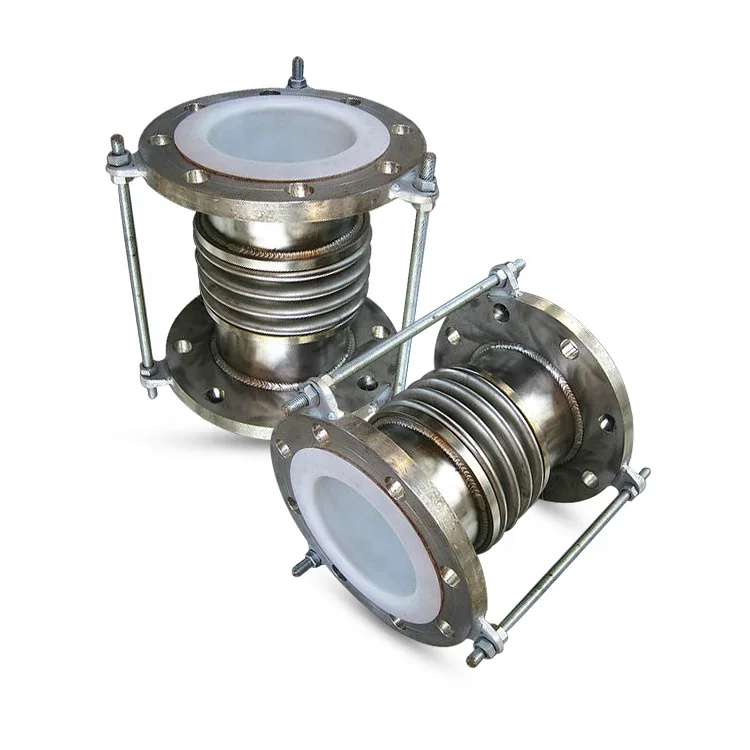
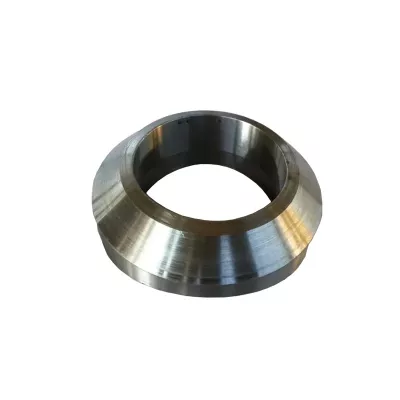
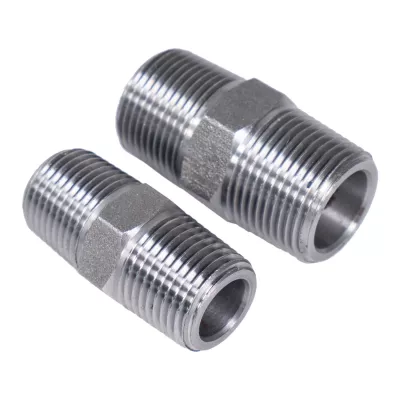
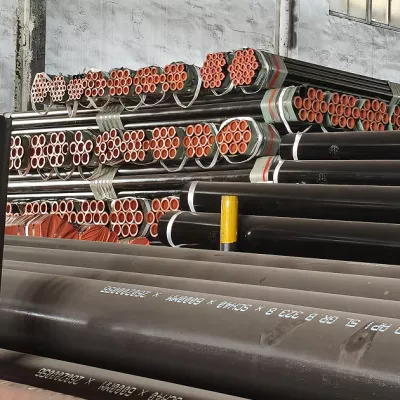
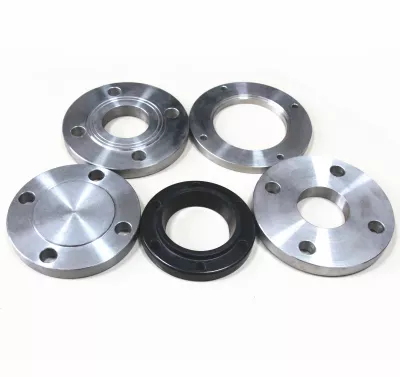
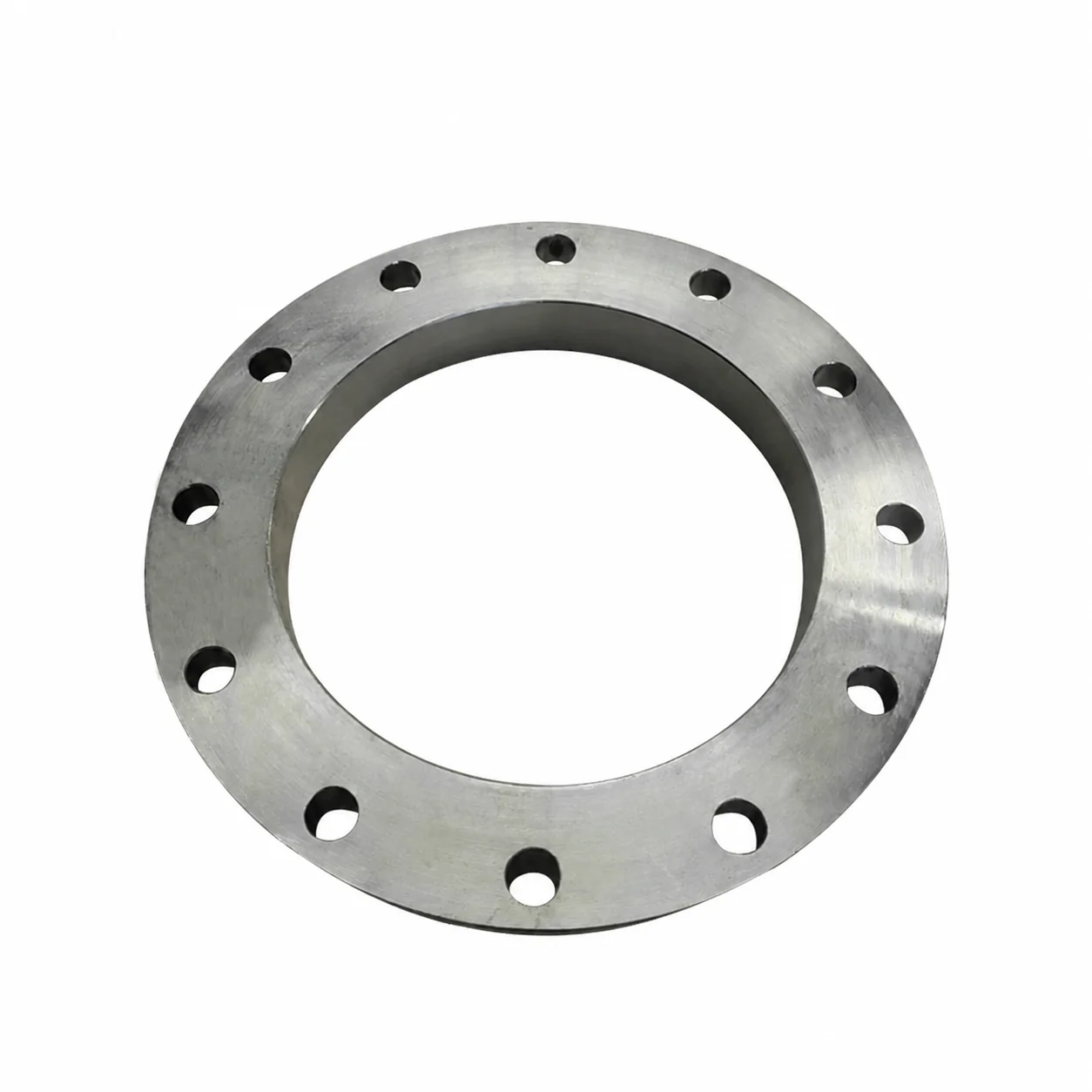
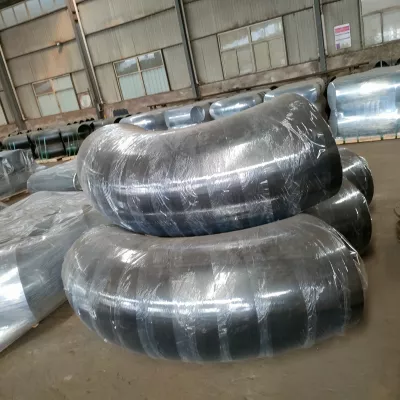
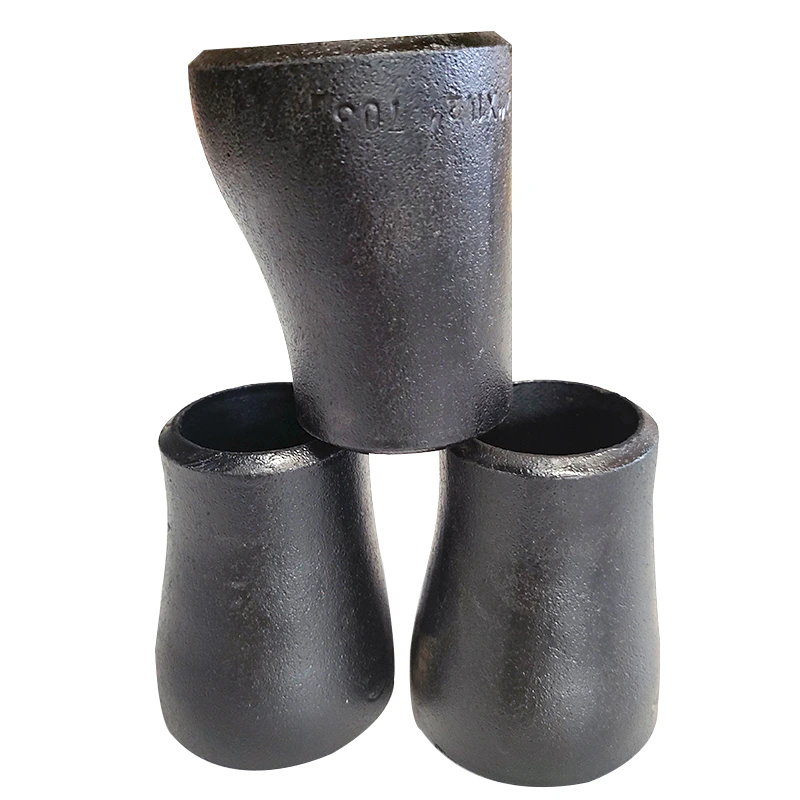
Obtain delivery confirmation of the selected subtype and end pair before acceptance. The two viewed references show dark reducer forms, including offset-looking pieces. They cannot certify a selected alignment, size, material grade, finish or body production route.
Stainless Steel, Alloy and Carbon Steel are separate alternatives requiring a chosen specification, grade, product form, condition and traceable material records. Confirm welding preparation and fit against the mating pipe diameters and walls. Generic Hexagon wording and the mounting-hole entry cannot establish the complete supplied pipe-end geometry.
Review coating and Class 150 duty together
Forged naming requires actual manufacturing and inspection evidence. Painting needs a coating specification, surface preparation, inspection criteria and delivery-condition acceptance. A dark appearance does not establish protective chemistry or medium compatibility.
Class 150 requires an applicable component document and a material-dependent pressure-temperature basis rather than one universal pressure. Provide medium composition, flow, pressure, temperature, cycling and external loads. Combine the accepted transition/end drawing, selected material/manufacturing and coating records with the operating conditions for review of the complete assembled pipe joint.
Technical information for every product inquiry
Prepare the requirement before final product confirmation.
The product page is a starting point. Drawings, samples, interfaces, materials, quantities and acceptance requirements are reviewed before stock matching or custom production is confirmed.
Discuss this product in your project context.
Share the available drawing, sample, reference, target quantity and application information. Unknown items can remain open for review.