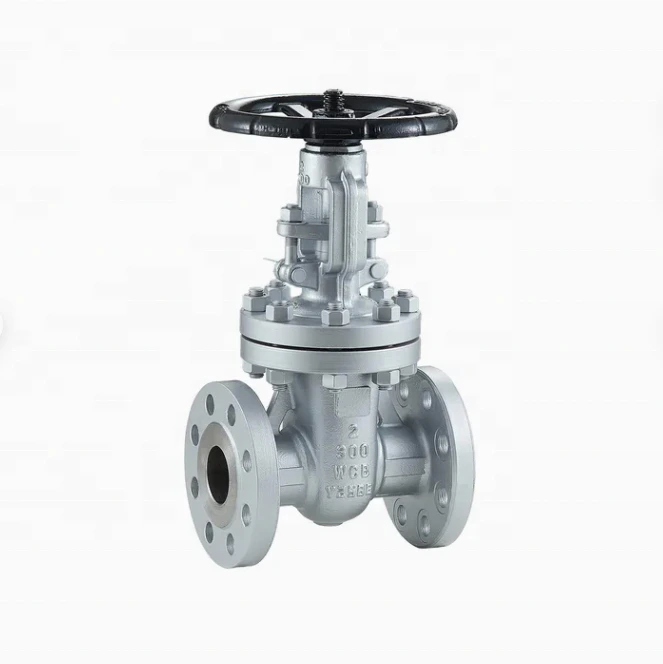
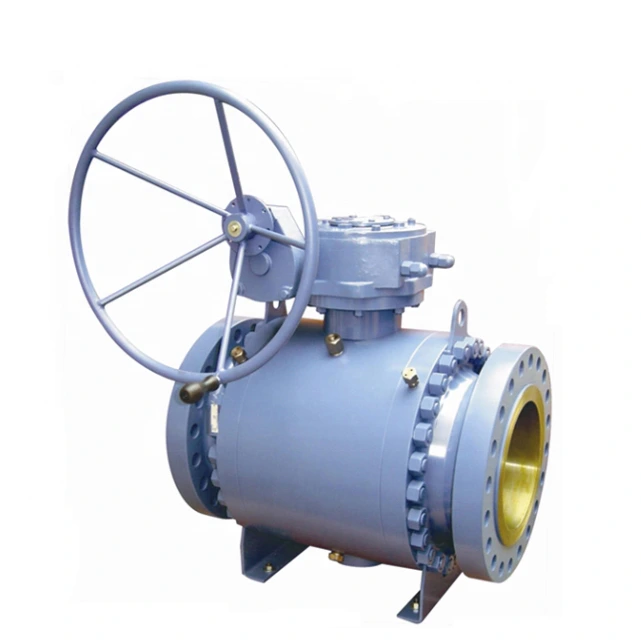
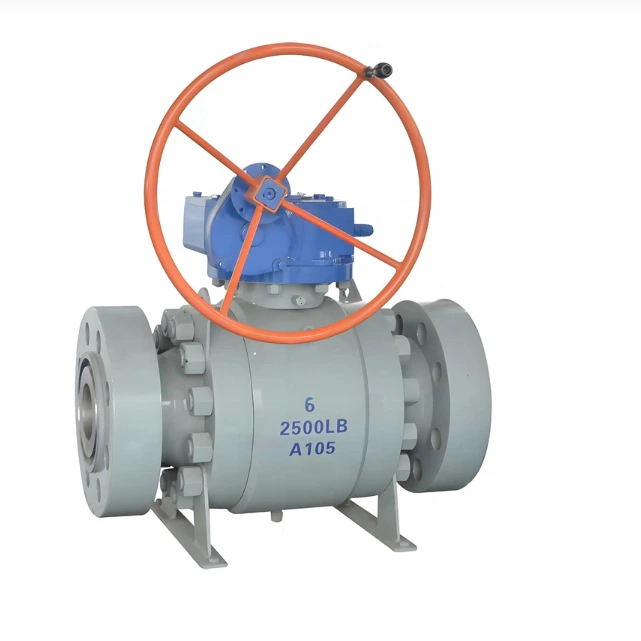
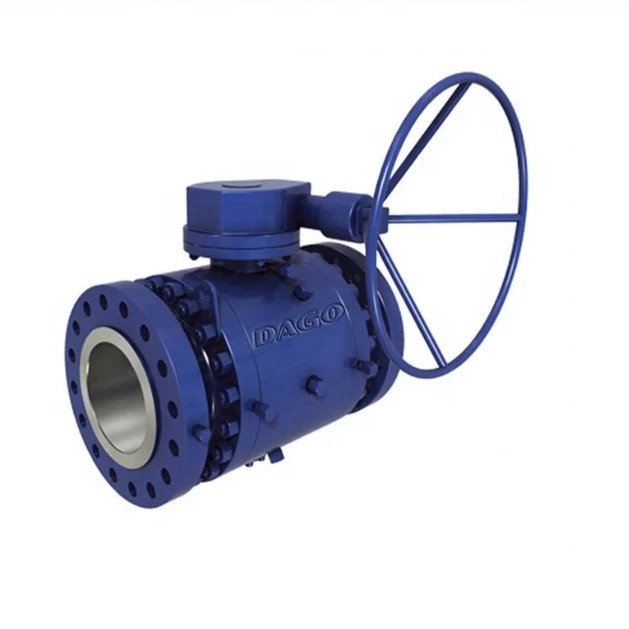
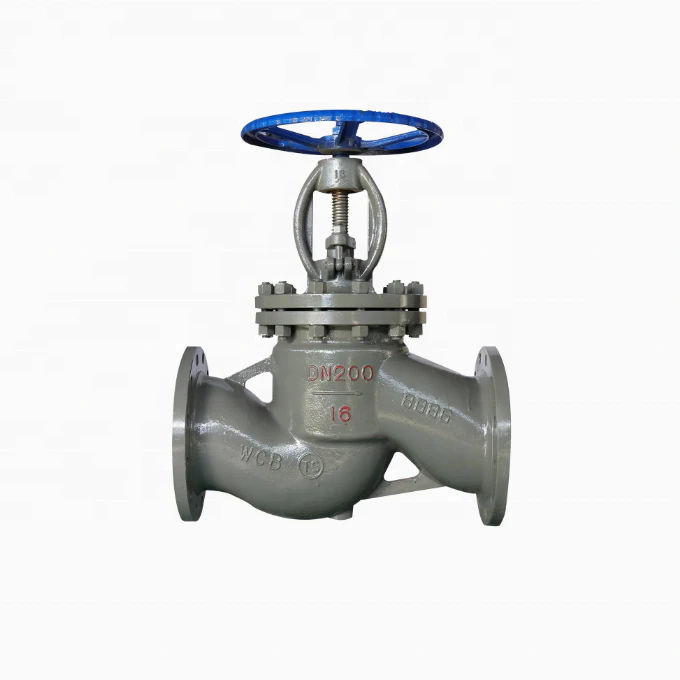
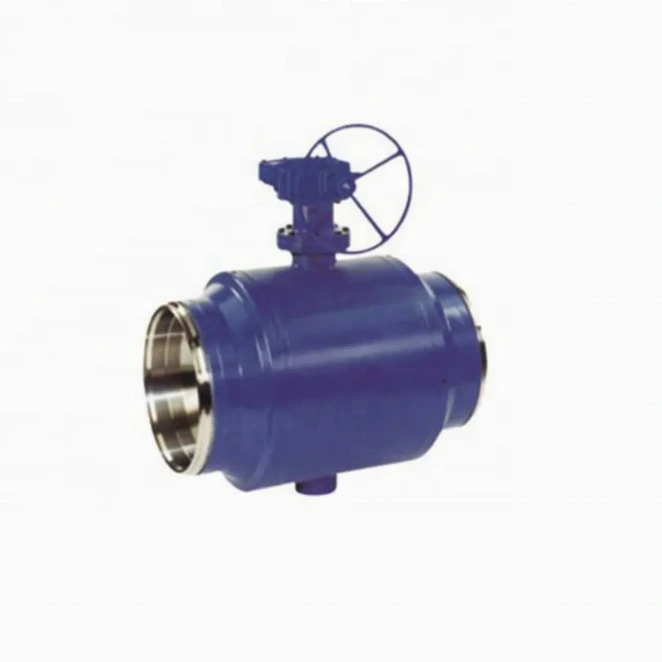
Forged Carbon Steel Flanged Top-Entry Ball Valve Enquiry
For industrial sourcing
Prepare a clearer RFQ
Include the details below so RELIA can understand the part and discuss the next step with you.
- Drawing, sample, or reference standard
- Material grade and preferred process
- Dimensions, tolerances, and surface finish
- Application, target quantity, and destination
Production timing, packing, and shipping terms are confirmed for each project after specifications and trade terms are agreed.
-
applicationGeneralConnection Typeflange
-
mediaBASEPort Size1/4in - 4in
-
structureControlmodel numberball valve
-
Connection Size1/4in - 4incustomized supportOEM, odm
-
Flow Rate0-100L/minFor Maximum Pipe Size4in(10.16cm)
-
Operating PressureLow PressureOperating Temp. Range0~150 Celsius
-
powermanualSealing MaterialPTFE
-
temperature of mediaMedium Temperaturewarranty1 year
A flanged top-entry ball-valve enquiry needs an identified model, a defined body specification and evidence of the requested internal arrangement. Use the carbon-steel and forged-construction requirements to describe the valve you need, then confirm the selected assembly against its own drawings. The information below helps organize that technical enquiry without assigning an unverified configuration to a particular size or option.
Establish the Top-Entry Assembly
Request a section drawing that identifies the valve mechanism and an assembly drawing that shows the proposed top-entry arrangement. Confirm which components can be accessed through that arrangement and the space needed around the installed valve. If ball-valve construction is essential to the application, have it identified on the selected-model documentation rather than relying on the external appearance alone.
Define Body Construction and Flange Fit
State the exact carbon-steel grade required for the body and obtain the corresponding material records. Identify the manufacturing process separately so that a forged-body requirement is clear. Body, ball and sealing components should each have their own specification. Match the flange facing, drilling, port and face-to-face dimensions to the mating pipeline drawing. Confirm the size designation and interface together before choosing an option.
Build the Operating Requirement
Name the process medium and describe its service temperatures and pressure conditions. Request the pressure-temperature envelope and seat or seal compatibility for the same assembly shown on the drawing. Include the intended manual operation and any installation access constraints. A complete enquiry links the model identifier, top-entry construction, body grade, dimensional drawing and operating evidence. That allows the proposed valve to be assessed against a single set of project requirements before the final configuration is selected.
Technical information for every product inquiry
Prepare the requirement before final product confirmation.
The product page is a starting point. Drawings, samples, interfaces, materials, quantities and acceptance requirements are reviewed before stock matching or custom production is confirmed.
Discuss this product in your project context.
Share the available drawing, sample, reference, target quantity and application information. Unknown items can remain open for review.