ANSI B16.5 Carbon Steel Flange Enquiry — WN / Blind Selection
For industrial sourcing
Prepare a clearer RFQ
Include the details below so RELIA can understand the part and discuss the next step with you.
- Drawing, sample, or reference standard
- Material grade and preferred process
- Dimensions, tolerances, and surface finish
- Application, target quantity, and destination
Production timing, packing, and shipping terms are confirmed for each project after specifications and trade terms are agreed.
-
warranty1 yearcustomized supportOEM, ODM
-
model numberflange 3697TechnicCasting
-
ConnectivityMale/FemaleshapeEqual/Reducing
-
head codeHexagon/RoundSurface TreatmentSmooth
-
Mounting hole diameter0.26 inPipe Class150
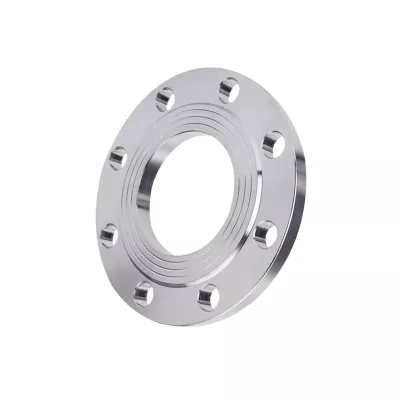
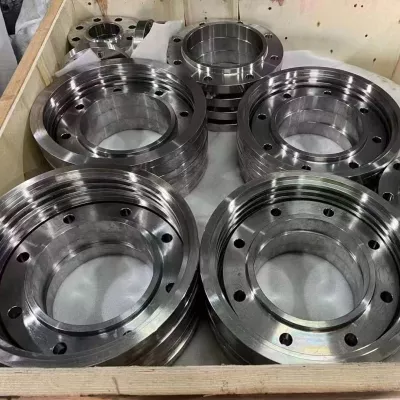
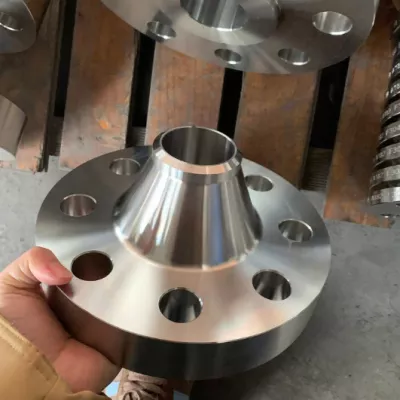
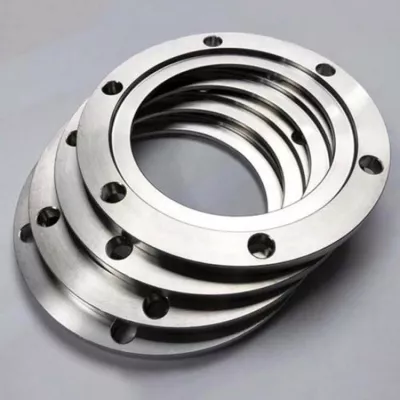
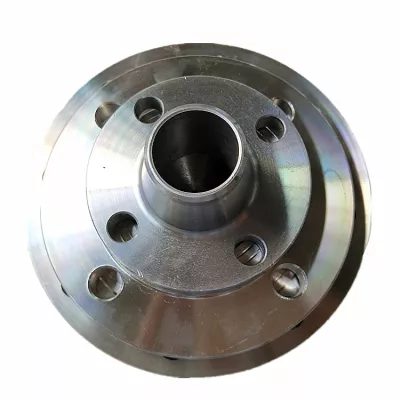
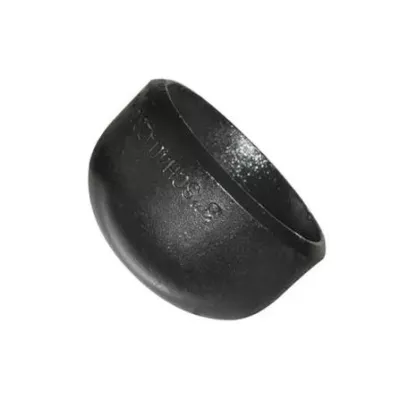
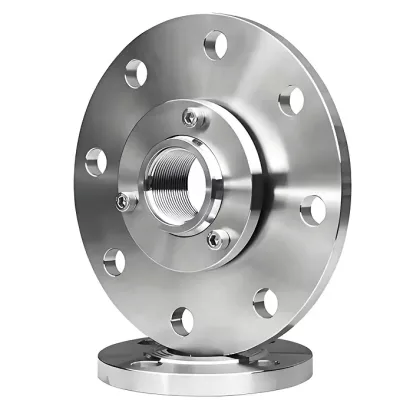
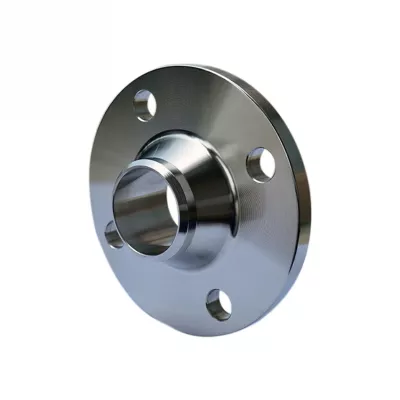
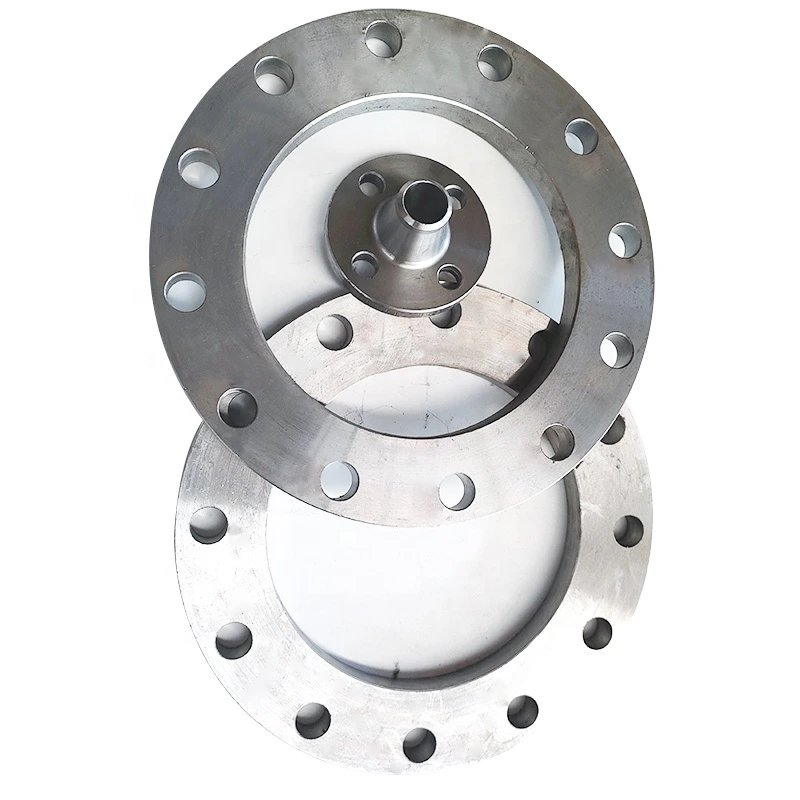
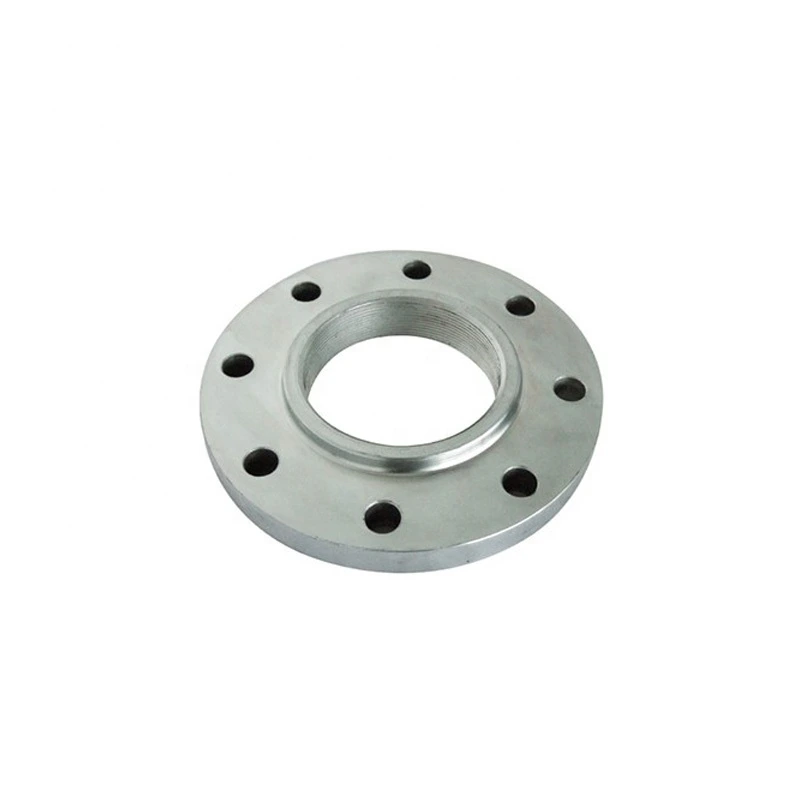
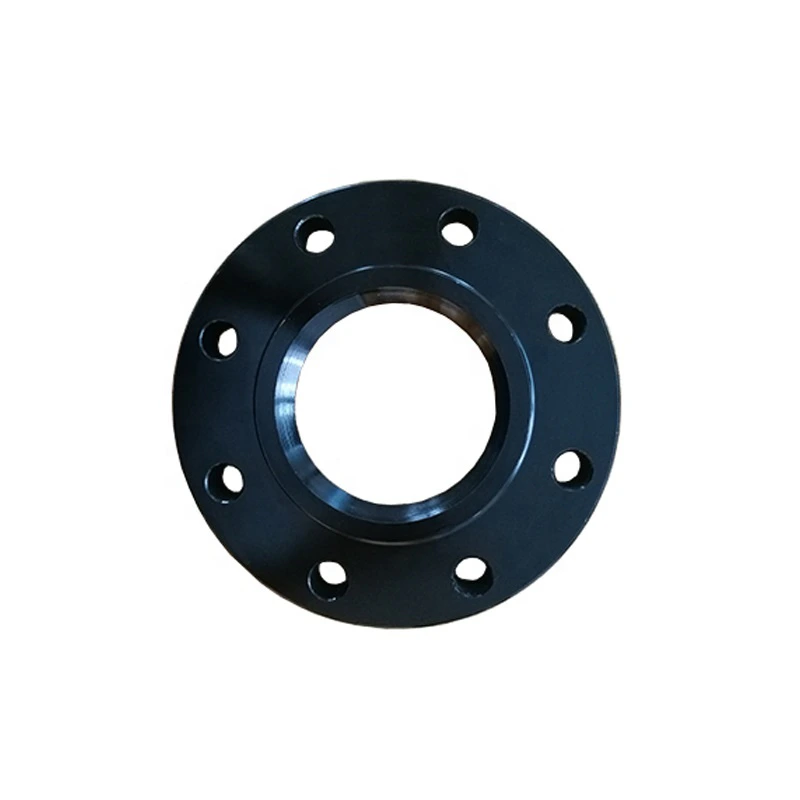
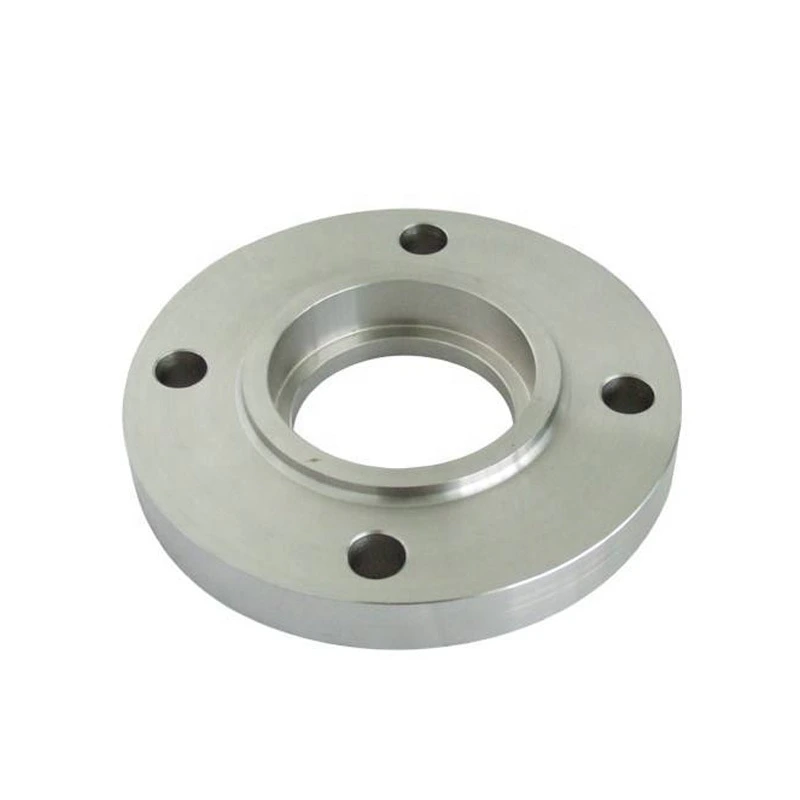
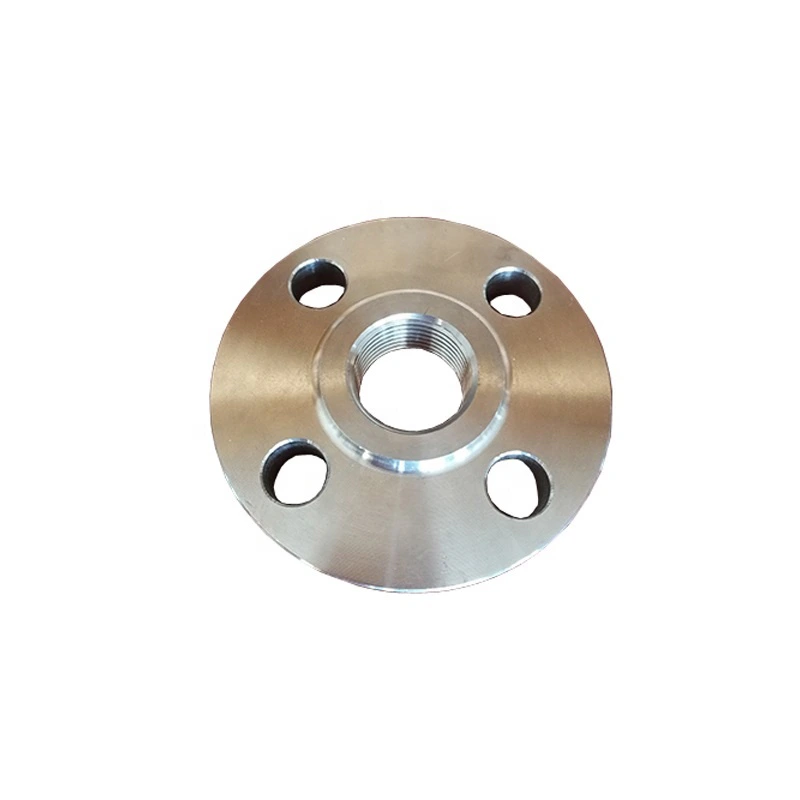
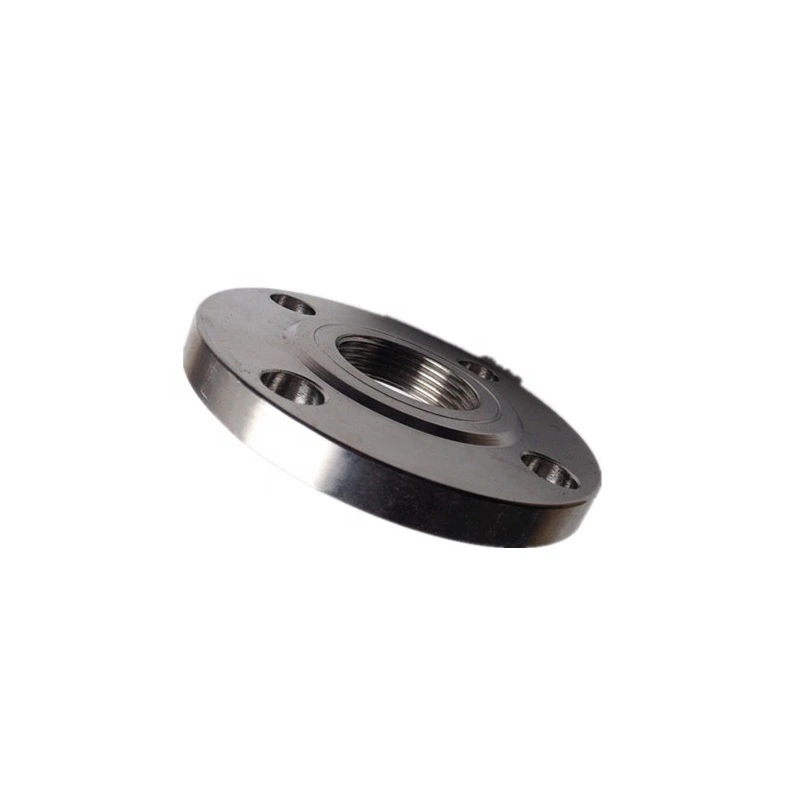
This carbon-steel flange enquiry references ANSI B16.5 and requires a decision between the title's WN and blind construction labels. Identify the actual offered model before defining its function in the pipe system. The photographs show open-bore flange forms, while the generic Flange variants do not assign one specific construction to every size and material choice.
Select a flow connection or a blind closure
Confirm whether the requirement is a weld-neck connection or a blind closure and obtain the corresponding drawing. For a weld-neck choice, define bore, mating pipe wall and weld preparation. For a blind requirement, confirm the closure geometry explicitly. Explain the dimensional basis of each millimetre option and state the nominal size. Photographs alone cannot establish that a blind model is available or that a particular photographed type corresponds to the chosen option.
Coordinate the sealing face and drilling pattern
Request flange outside diameter, thickness, face geometry, bolt circle, hole count and hole diameters. The mounting-hole field does not describe a complete drilling pattern, and Smooth does not define a measured sealing-face finish. Coordinate the mating flange, gasket and bolting with the selected face and joint assembly procedure. Identify the carbon-steel grade and material specification, or obtain separate grade records for a stainless-steel alternative. Ask which ANSI B16.5 edition, class and dimensional and inspection requirements apply to the selected model.
Verify manufacture and complete-joint acceptance
Use traceable production records to resolve the manufacturing description before accepting a forged route. Neither surface appearance nor flange shape can establish the process. Provide fluid, pressure, temperature and corrosion conditions and agree assembly and inspection requirements for the whole connection. Pipe Class 150 alone is not a qualified pressure-temperature limit; acceptance needs matching dimensional, material and joint-duty evidence.
Technical information for every product inquiry
Prepare the requirement before final product confirmation.
The product page is a starting point. Drawings, samples, interfaces, materials, quantities and acceptance requirements are reviewed before stock matching or custom production is confirmed.
Discuss this product in your project context.
Share the available drawing, sample, reference, target quantity and application information. Unknown items can remain open for review.