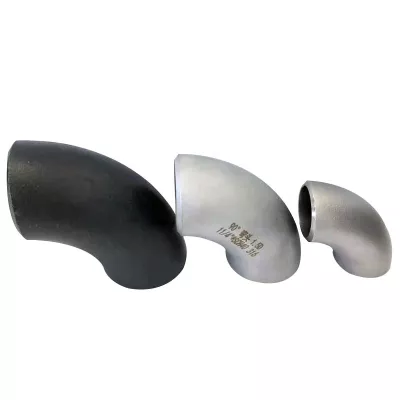
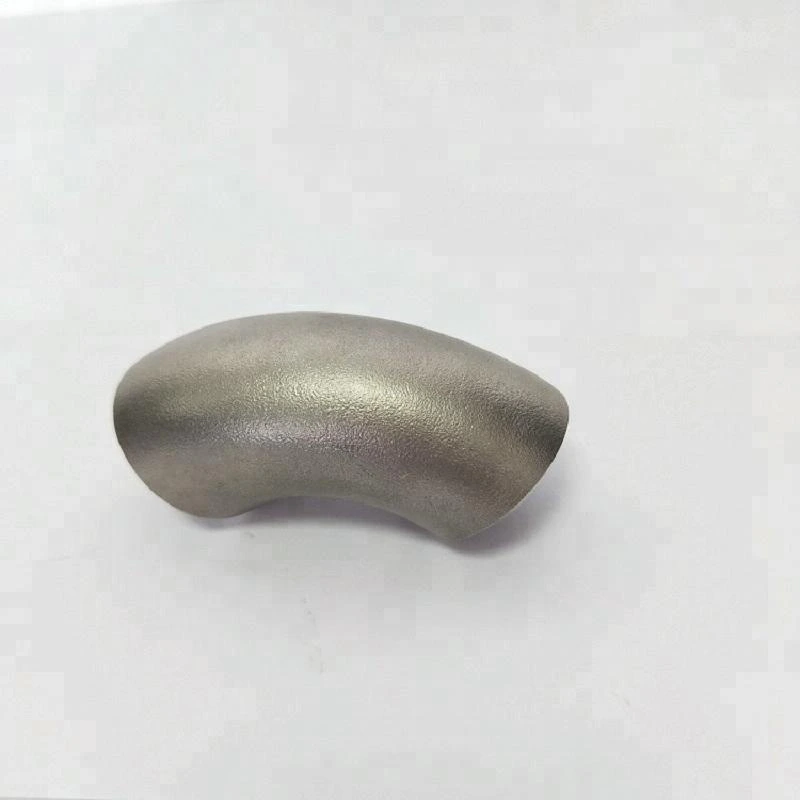
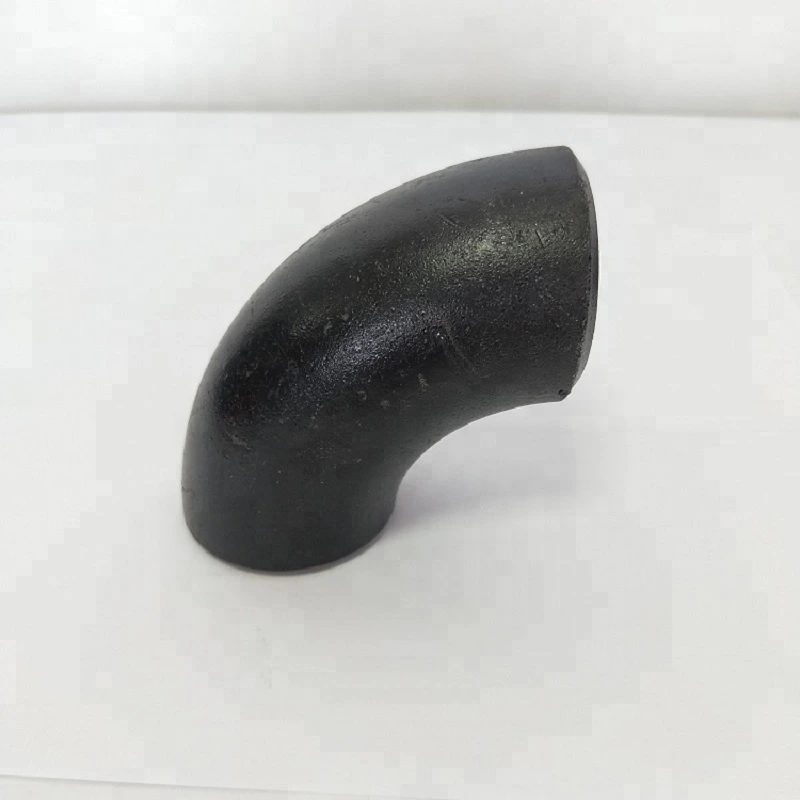
SS/Carbon Steel Butt-Weld Elbow | 90°/180° Enquiry
For industrial sourcing
Prepare a clearer RFQ
Include the details below so RELIA can understand the part and discuss the next step with you.
- Drawing, sample, or reference standard
- Material grade and preferred process
- Dimensions, tolerances, and surface finish
- Application, target quantity, and destination
Production timing, packing, and shipping terms are confirmed for each project after specifications and trade terms are agreed.
-
warranty1 yearcustomized supportOEM, ODM, OBM
-
TechnicForgedConnectivityWelding
-
shapeEqualhead codeHexagon
-
Surface TreatmentSmoothMounting hole diameter0.17 in
-
Pipe Class150SizeCustomized Size
-
Product nameElbow
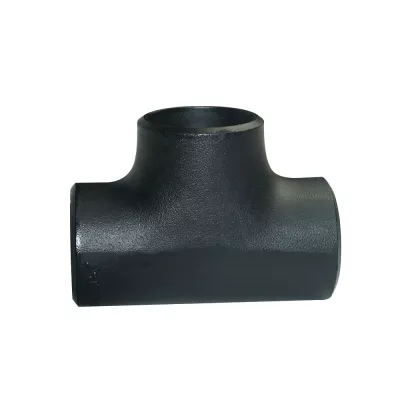
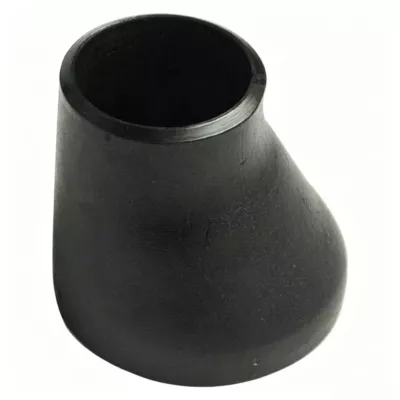
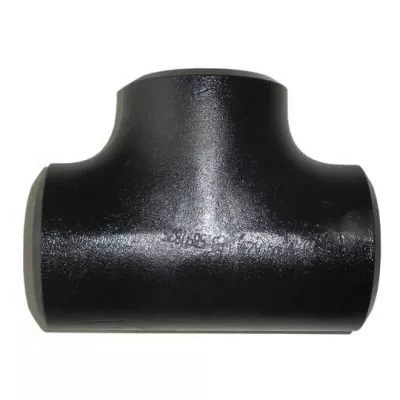
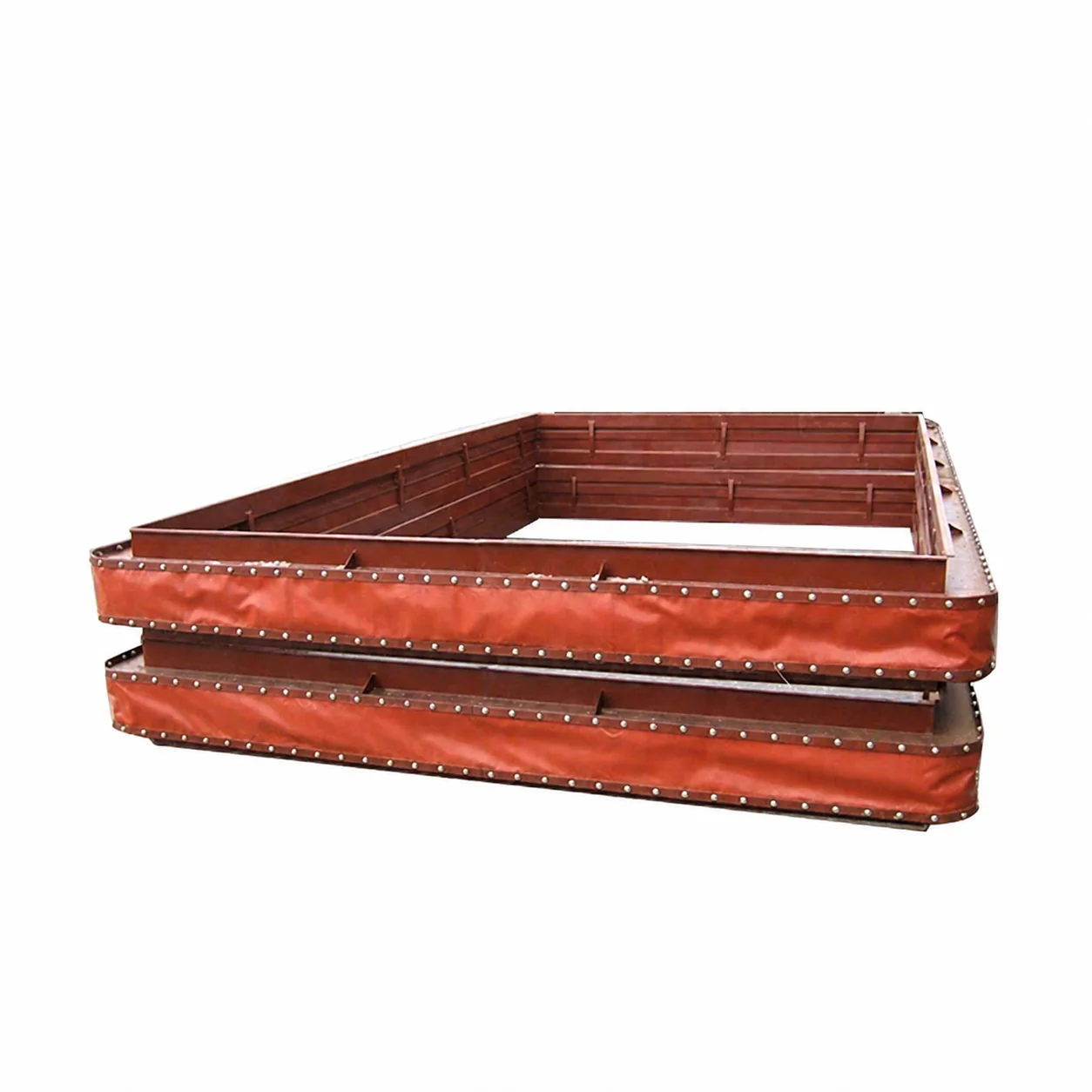
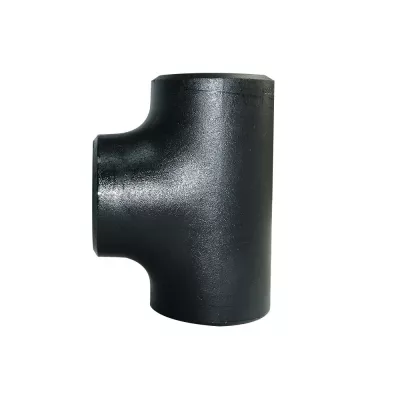
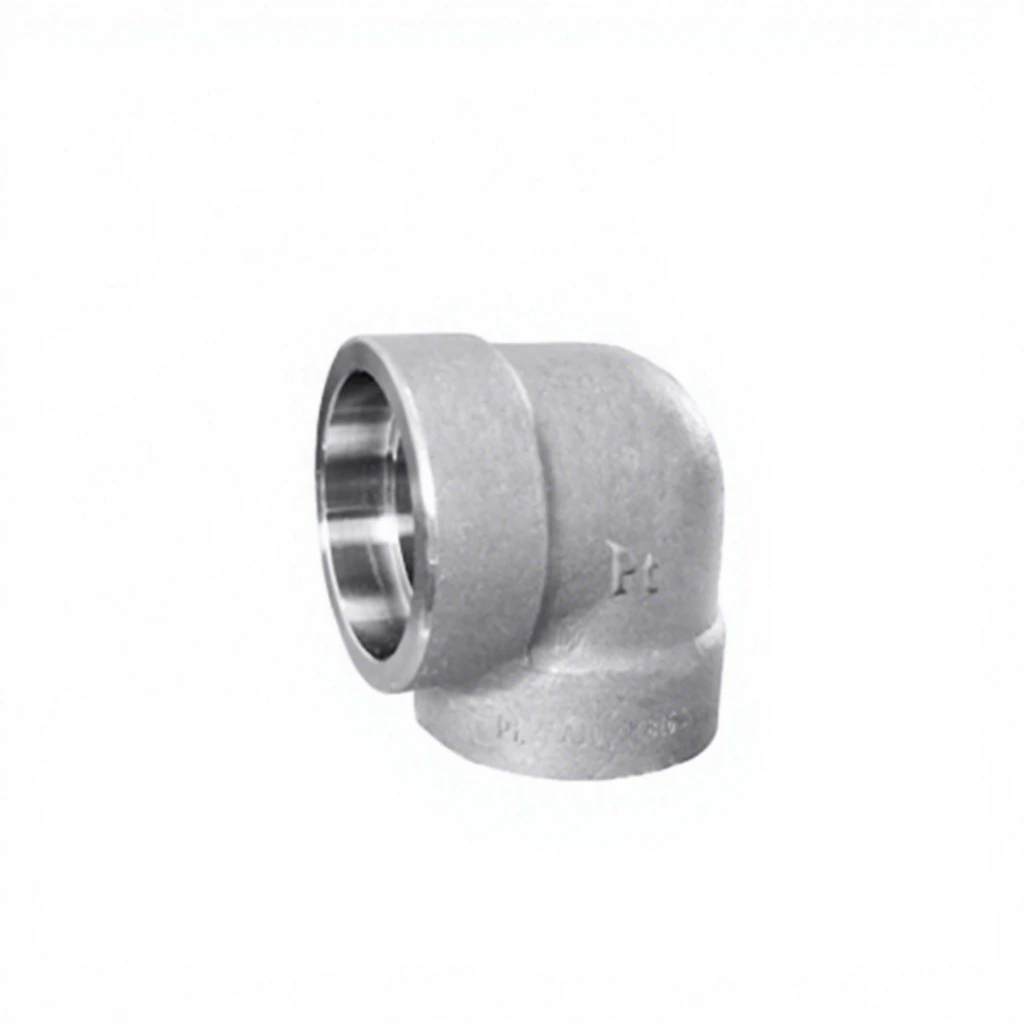
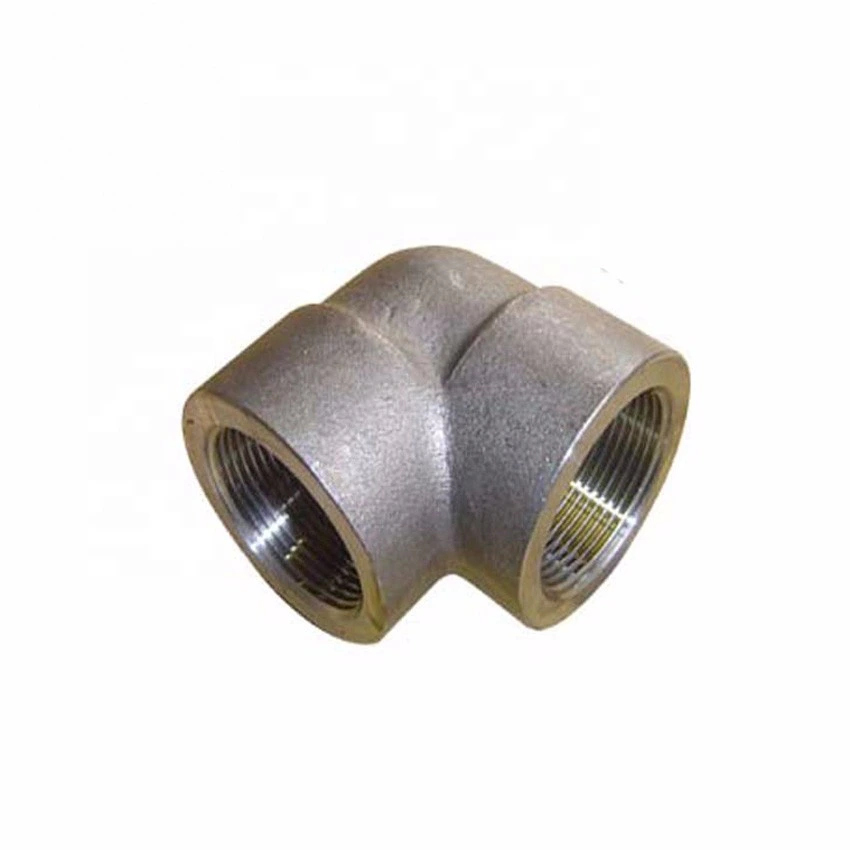
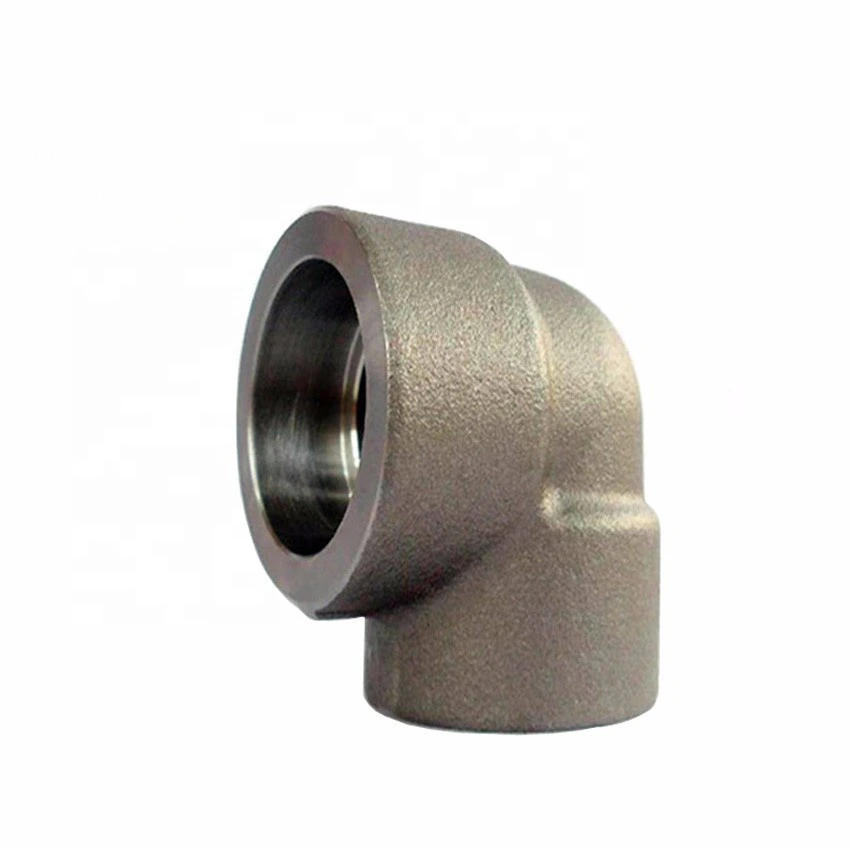
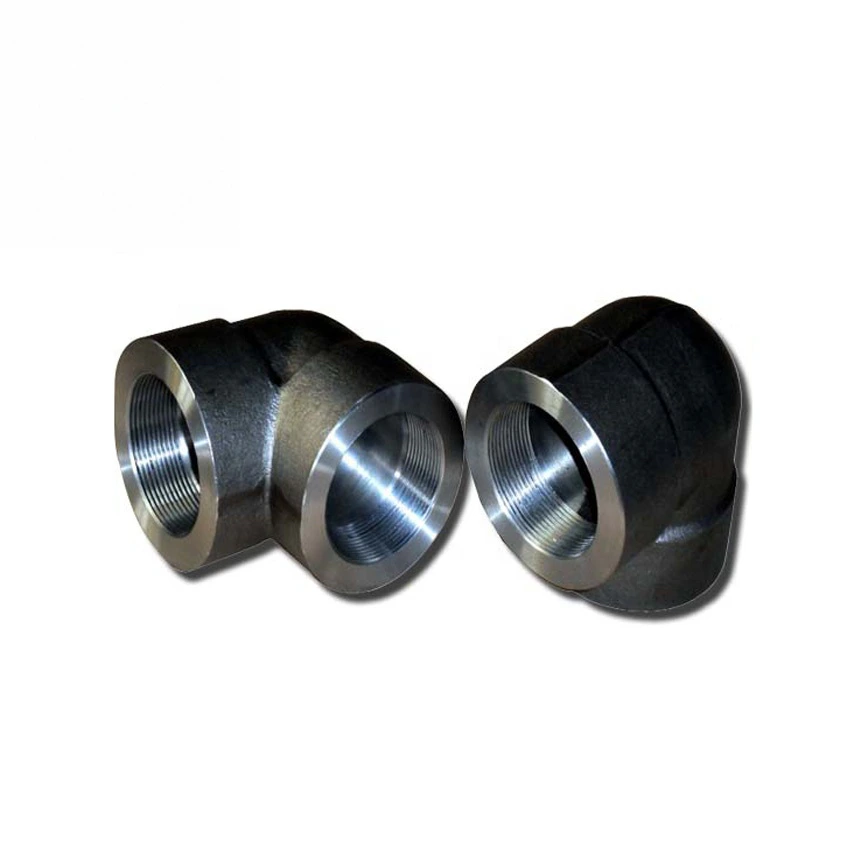
This pipe elbow enquiry needs one angle and end connection to be identified before the title's stainless-steel, carbon-steel and butt-welding references can describe an offered model. The source includes both 90-degree and 180-degree wording, while the product photographs show different end forms. Use a selected drawing to establish the required configuration and its supporting records.
Separate the angle from the connection
State whether the piping requires a 90-degree direction change or a 180-degree return, and specify the centreline radius and installation envelope. Request the corresponding end-to-centre or return dimensions, bore and wall thickness. Identify the actual pipe interface as well: a butt-weld requirement should not be assigned to every option from the title alone. The different photographed openings require model-specific end details before the connection can be accepted.
Match the chosen ends and material
For butt-welding, provide bevel, land, end-wall and mating pipe requirements. If another interface is offered, request its governing dimensions and connection specification separately. Choose stainless steel, alloy or carbon steel and state the exact grade and material standard for that variant. Ask for traceable production evidence before accepting the Forged label as the selected manufacturing route. Appearance does not establish a grade or process, and the material alternatives do not inherit one common specification.
Define dimensions and acceptance together
Explain the nominal-size basis of the millimetre option and confirm both end dimensions for the Equal requirement. A Customized Size label calls for feasibility and drawing confirmation rather than implying unlimited capability. Agree the governing product standard and inspection criteria, then provide fluid, pressure, temperature, corrosion and joining conditions for review of the complete joint. Pipe Class 150, Smooth, Hexagon and mounting-hole labels do not establish allowable duty or measured connection geometry. Acceptance should link the actual angle and ends to one material designation, drawing and production record.
Technical information for every product inquiry
Prepare the requirement before final product confirmation.
The product page is a starting point. Drawings, samples, interfaces, materials, quantities and acceptance requirements are reviewed before stock matching or custom production is confirmed.
Discuss this product in your project context.
Share the available drawing, sample, reference, target quantity and application information. Unknown items can remain open for review.