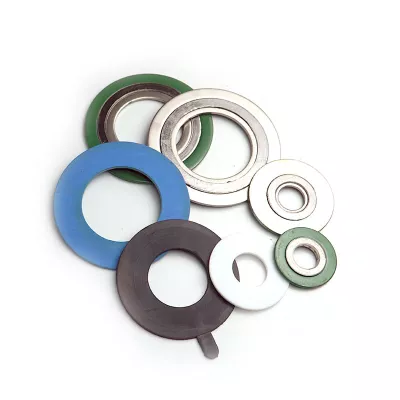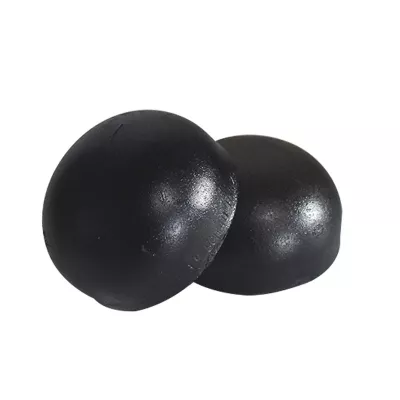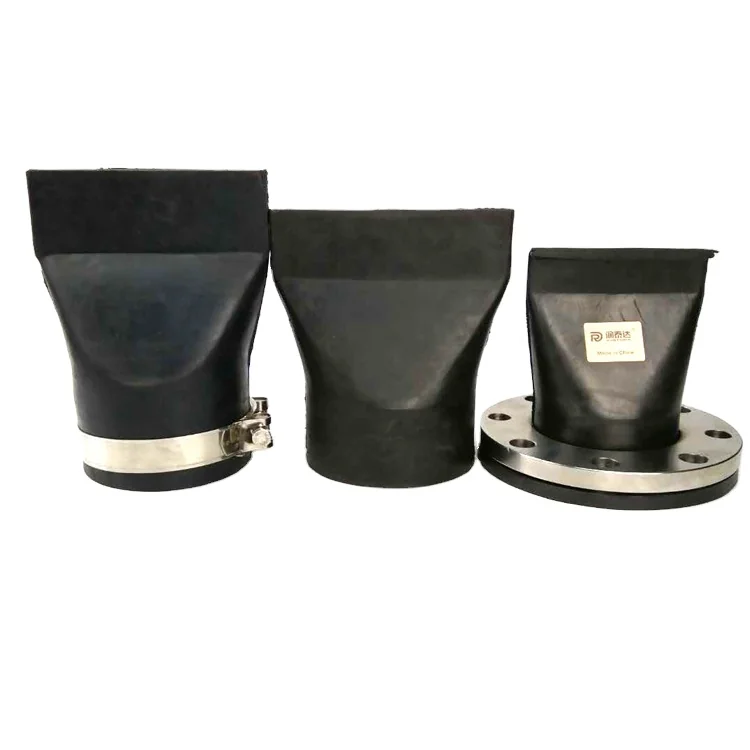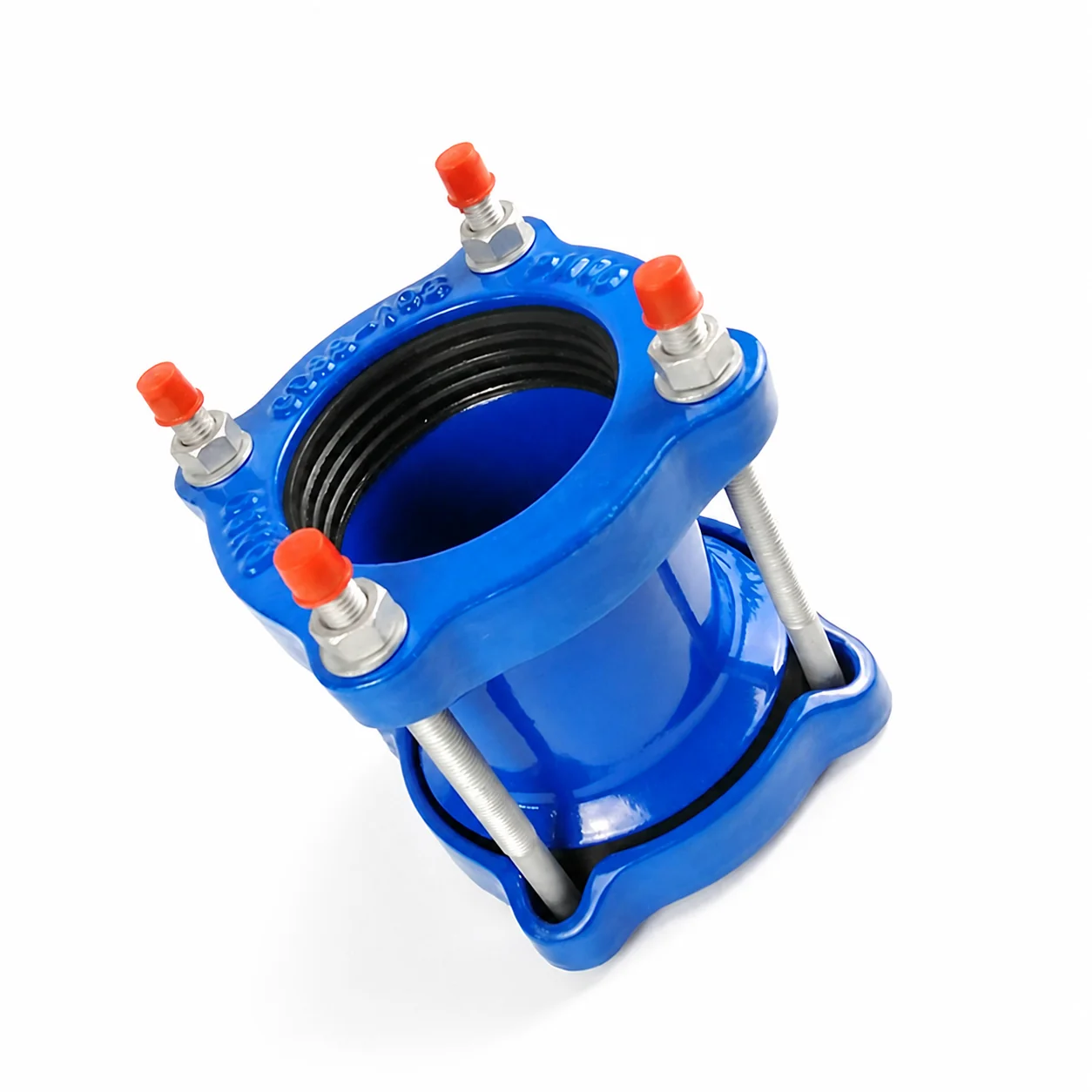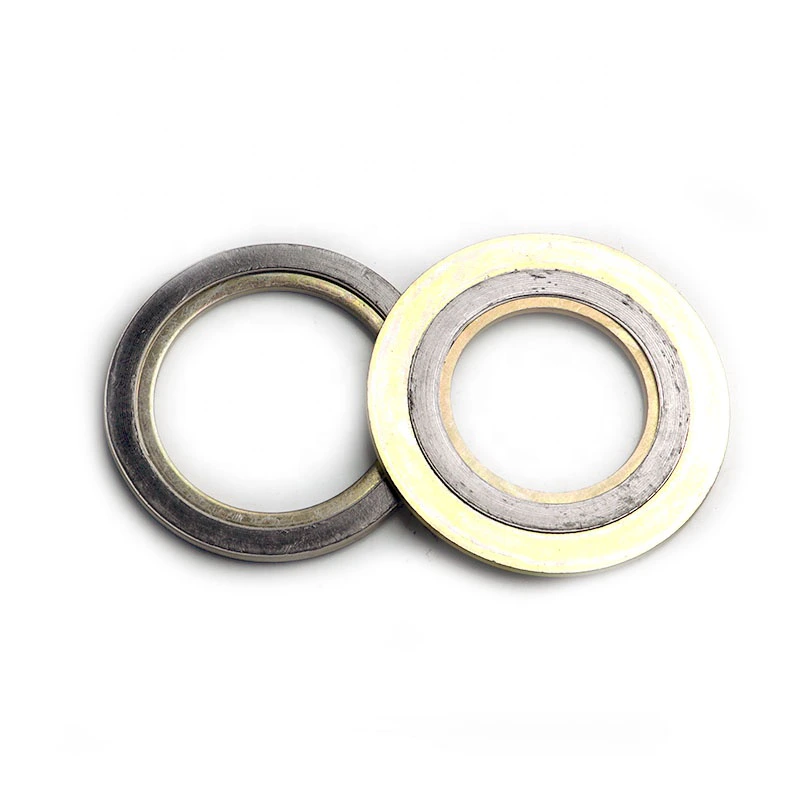
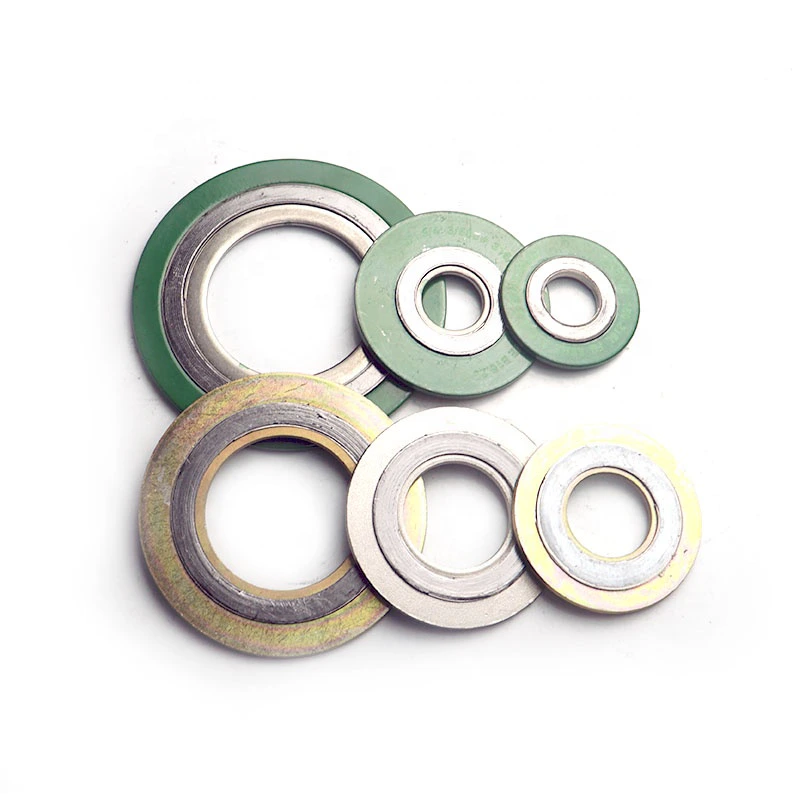
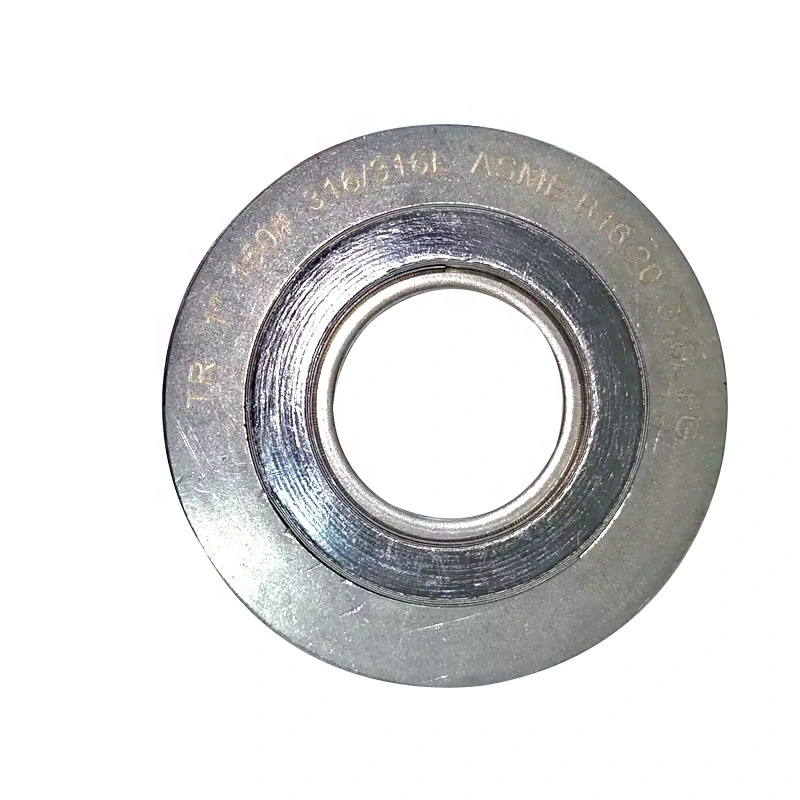
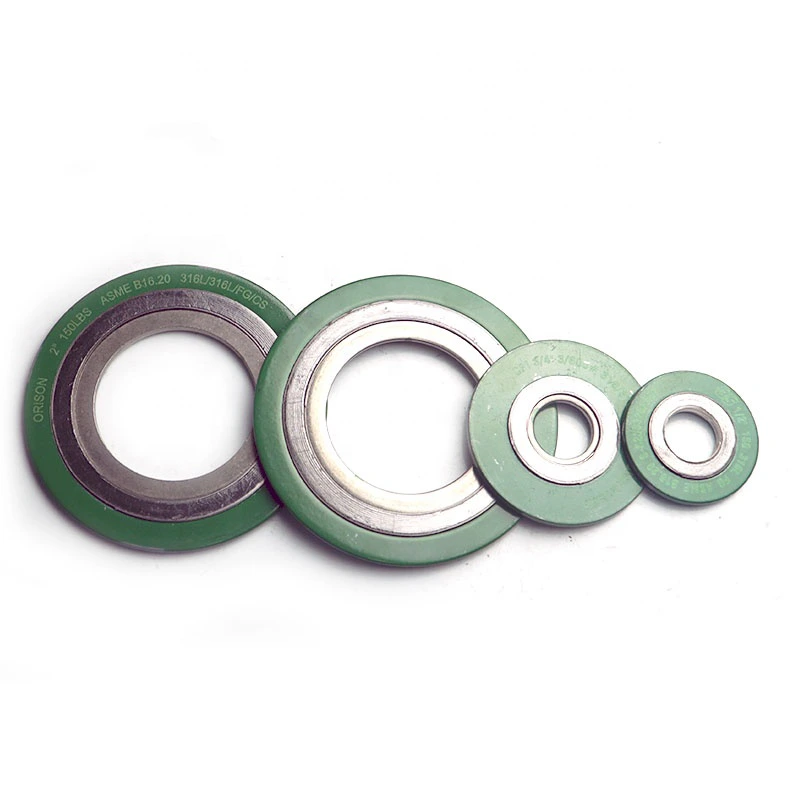
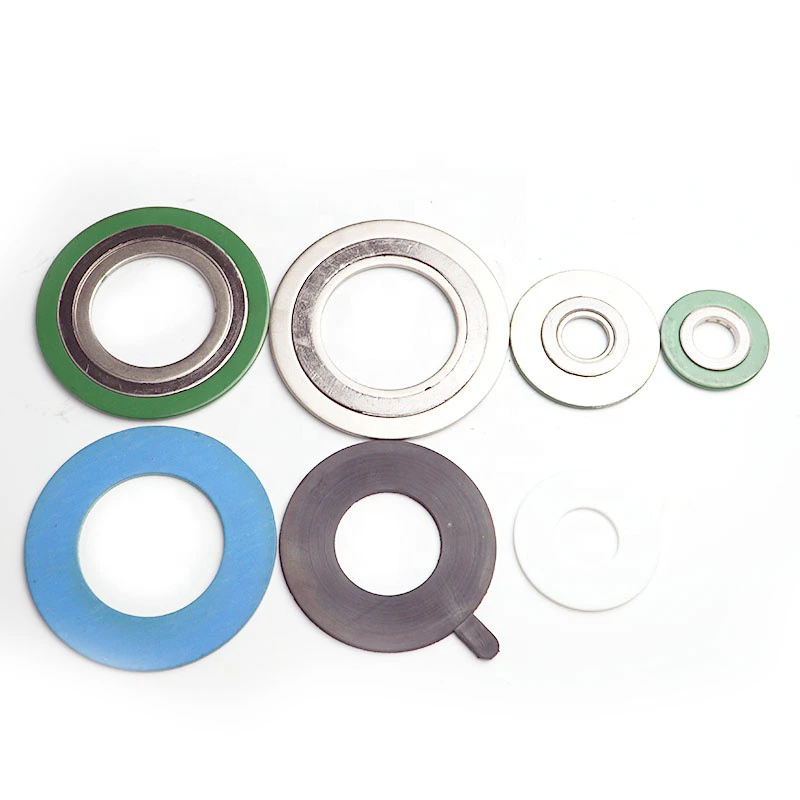
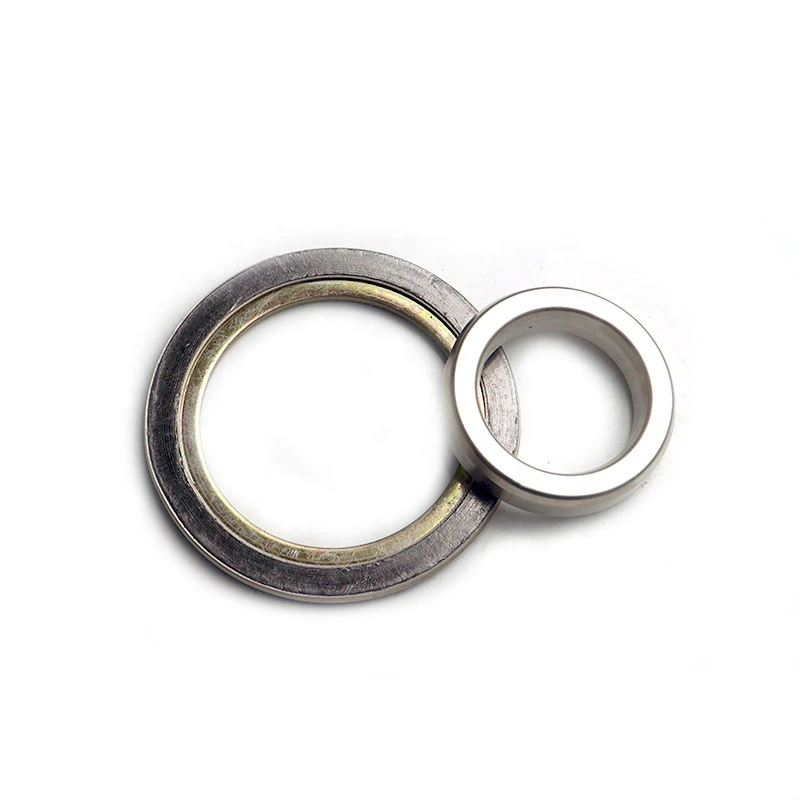
Spiral Wound Metal Graphite Gasket for Flanges
For industrial sourcing
Prepare a clearer RFQ
Include the details below so RELIA can understand the part and discuss the next step with you.
- Drawing, sample, or reference standard
- Material grade and preferred process
- Dimensions, tolerances, and surface finish
- Application, target quantity, and destination
Production timing, packing, and shipping terms are confirmed for each project after specifications and trade terms are agreed.
-
model numberGasketTechnicseamless
-
ConnectivityFemaleshapeEqual
-
head codeRoundSurface TreatmentSmooth
-
Mounting hole diameter1/16Pipe FeaturesFlexible, Corrosion-resistant, Chemical Resistant, Uv Resistant, No additional Features, underground rated
-
Pipe Class125ApplicationAgricultural Irrigation, Automotive Repair, Heating Systems, Power Industry, Construction Engineering, Shipbuilding, petrochemical industry, Metallurgical Industry, home appliance installation, building water supply and drainage, fire protection systems
This listing presents a spiral wound metal and graphite gasket for chemical and petrochemical flange enquiries. Its material option identifies Stainless Steel, but does not describe the full sealing construction. Confirm the proposed winding, filler and ring configuration before matching the product to an equipment or pipeline joint.
Define the spiral wound construction
Request the winding metal grade and graphite specification for the actual design. Identify whether inner or outer rings are required and obtain their details if included. A generic stainless steel option does not establish every component material, the filler properties or a particular ring arrangement.
Provide the approved gasket drawing with inside and outside diameters, thickness and seating width. Match those details to the flange facing and designation. The 10 mm pipe-size entry is not a complete gasket drawing; clarify it alongside the unstated unit and purpose of the 1/16 mounting-hole field.
Review the chemical process and joint loading
State the process fluid, concentration, contaminants, operating temperature and pressure, and any repeated thermal or pressure cycles. Review compatibility using the selected winding and filler materials. Chemical and petrochemical application wording does not demonstrate suitability for every process stream or a specific leakage requirement.
Heavy-duty wording supplies no allowable operating value, and Pipe Class 125 is not a 125 psi joint rating. Confirm the mating face condition and the loading requirements for the actual flange and bolting design. Do not infer fire-safe, emissions or other performance approval from the broad resistant labels.
Specify inspection and delivery acceptance
Agree the governing gasket specification, dimensional tolerances, material records and inspection scope for the selected construction. Smooth surface wording needs a defined criterion where relevant; generic seamless and Female fields do not complete the spiral wound design. Include quantity, handling, packing, marking and required delivery timing in the purchase enquiry.
Technical information for every product inquiry
Prepare the requirement before final product confirmation.
The product page is a starting point. Drawings, samples, interfaces, materials, quantities and acceptance requirements are reviewed before stock matching or custom production is confirmed.
Discuss this product in your project context.
Share the available drawing, sample, reference, target quantity and application information. Unknown items can remain open for review.