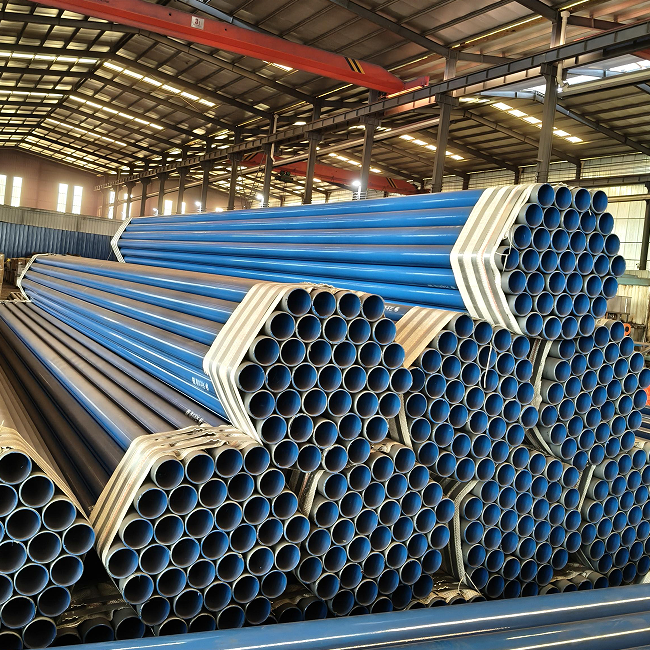
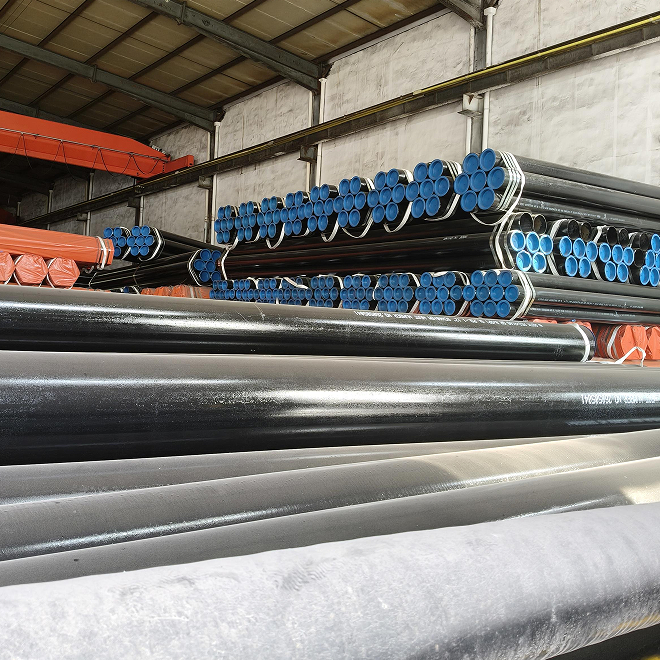
Cold-Rolled Steel Tube for Bearing Rings
For industrial sourcing
Prepare a clearer RFQ
Include the details below so RELIA can understand the part and discuss the next step with you.
- Drawing, sample, or reference standard
- Material grade and preferred process
- Dimensions, tolerances, and surface finish
- Application, target quantity, and destination
Production timing, packing, and shipping terms are confirmed for each project after specifications and trade terms are agreed.
-
InvoicingBy Actual WeightOiled or Non-oiledNon-oiled
-
Section ShapeRoundSurface TreatmentCold Rolled
-
Tolerance±1%Alloy Or NotNon-Alloy
-
ApplicationFluid Pipe, Drill Pipe, Hydraulic Pipe, Gas Pipe, Oil PipeCertificateAPI , ISO 9001
-
Delivery Time8 ~ 14 daysGradestainless steel
-
Outer Diameter219 - 1066 mm(8.62-41.97in)Special PipeAPI Pipe, Other, EMT Pipe, Thick Wall Pipe
-
StandardASTMTechniqueERW
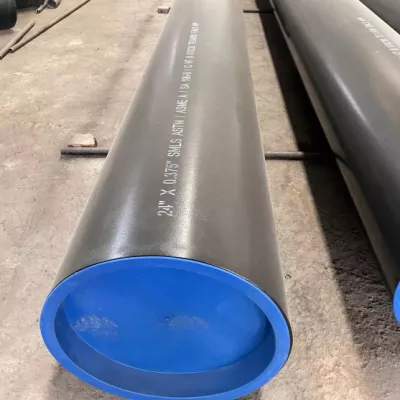
This cold-rolled steel tube listing targets bearing-ring components with seamless and high-tensile-strength references. The table instead records ERW and mixed material classifications. Confirm actual grade, construction and component acceptance before selecting stock or treating the title as evidence of bearing material performance.
Verify material and tensile-property records
Request the supplied specification, grade, condition, traceability and material inspections to resolve the Non-Alloy and stainless steel entries. Establish seamless or ERW production from actual manufacturing records. Cold Rolled does not settle initial construction or identify a hardness or heat-treatment condition for the supplied stock.
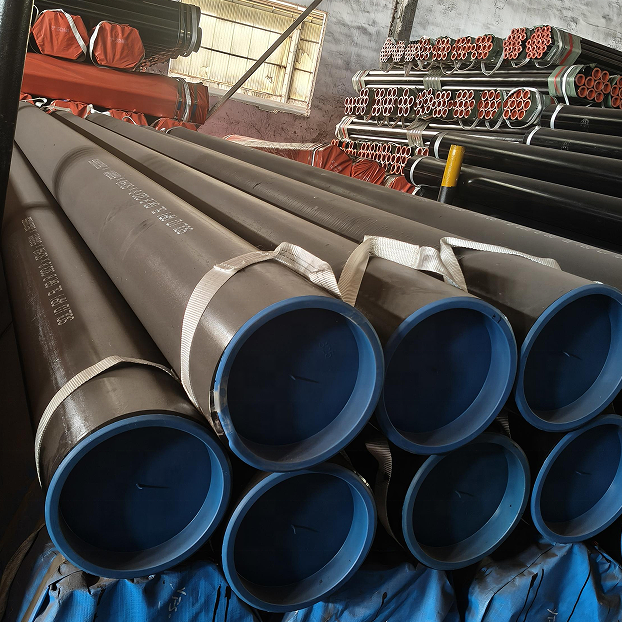
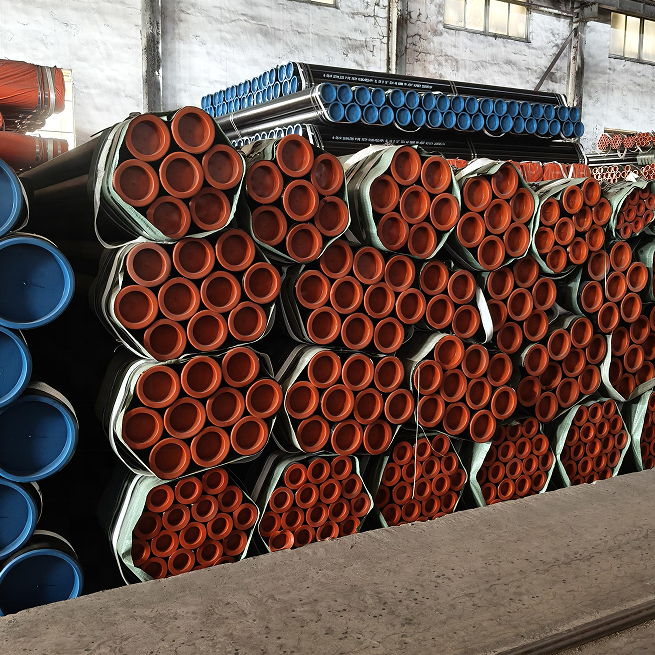
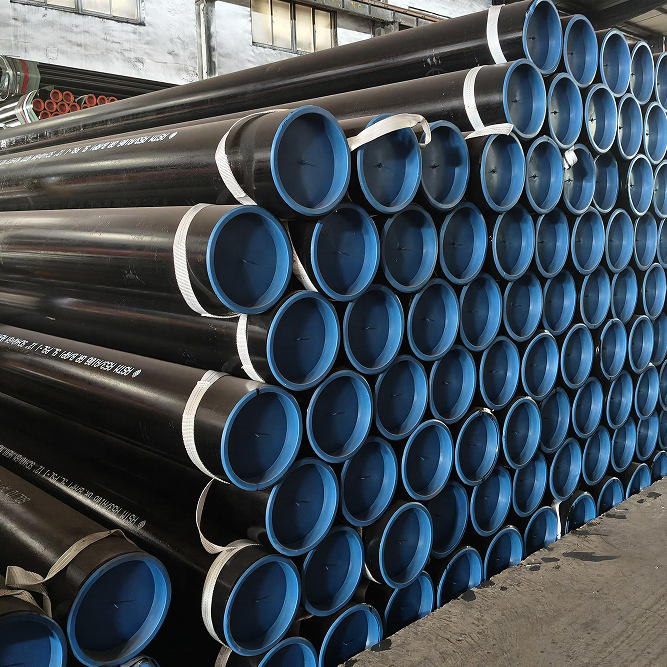
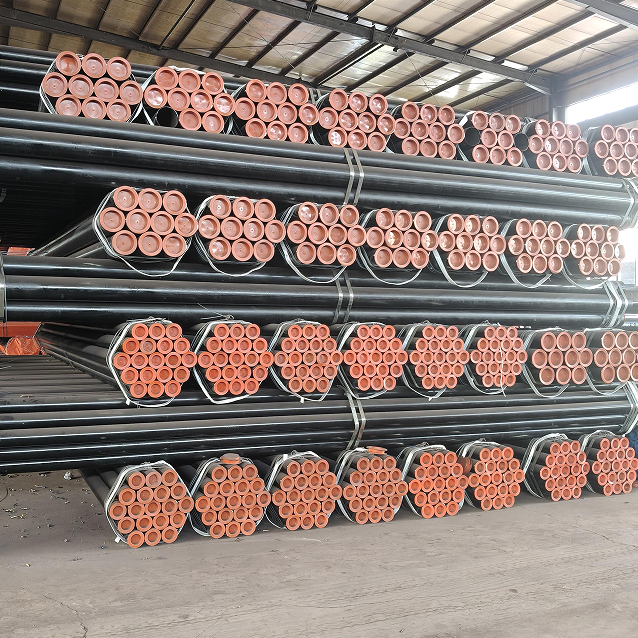
High Tensile Strength gives no numerical value, test condition or bearing acceptance criterion. Define the material and mechanical requirements for the intended ring and obtain the relevant supplied records. The original image supports round tube forms but cannot demonstrate tensile properties, fatigue life or suitability for a finished bearing component.
Approve stock dimensions against the ring drawing
The options provide a 6–20 mm thickness range with 6 m or 12 m lengths. Specify actual outside diameter, bore, wall and length with straightness and roundness requirements. The 219–1066 mm diameter range and ±1% entry need actual values, dimensional scope and accepted measurement criteria.
Use the approved component drawing to define machining allowance, required finish and mating geometry. Confirm Non-oiled surface condition and preservation. Identify the ASTM number, edition and product scope for the order; API and ISO 9001 labels do not qualify bearing material or establish supplied-product conformity without the relevant documentation.
Set the bearing-component mechanical acceptance
Describe ring function, loads, cycles, environment and processing requirements. Evaluate the confirmed material, route, dimensions and surface package against that duty. Agree material and dimensional inspections, surface checks, mechanical tests and explicit acceptance criteria, then confirm records, marking, protection and delivery before approving the stock for the component project.
Technical information for every product inquiry
Prepare the requirement before final product confirmation.
The product page is a starting point. Drawings, samples, interfaces, materials, quantities and acceptance requirements are reviewed before stock matching or custom production is confirmed.
Discuss this product in your project context.
Share the available drawing, sample, reference, target quantity and application information. Unknown items can remain open for review.