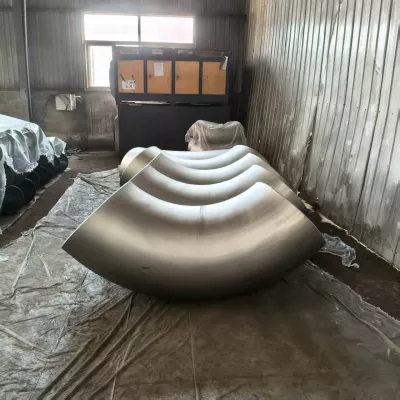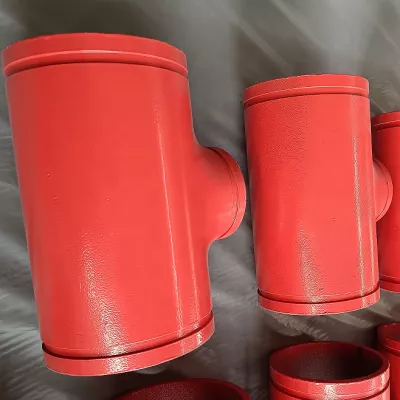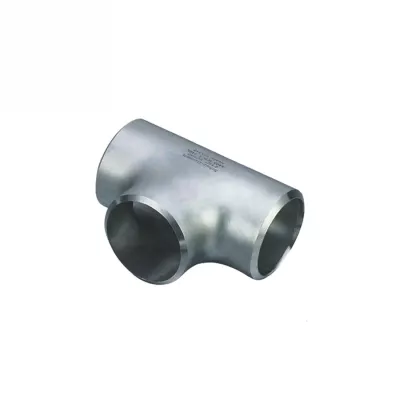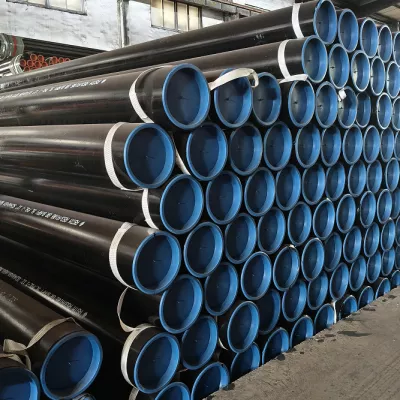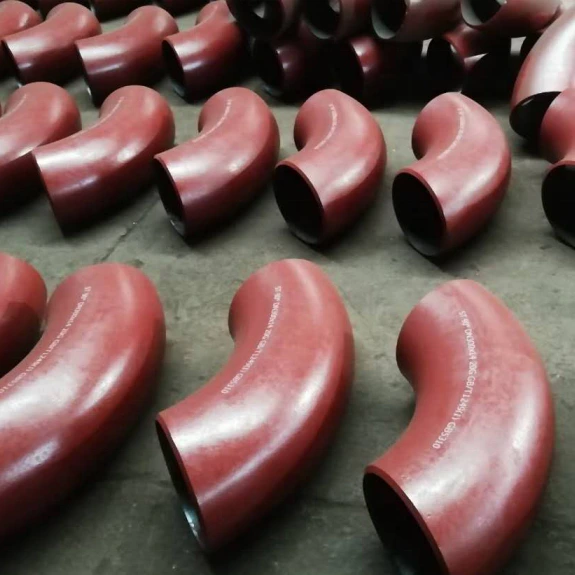
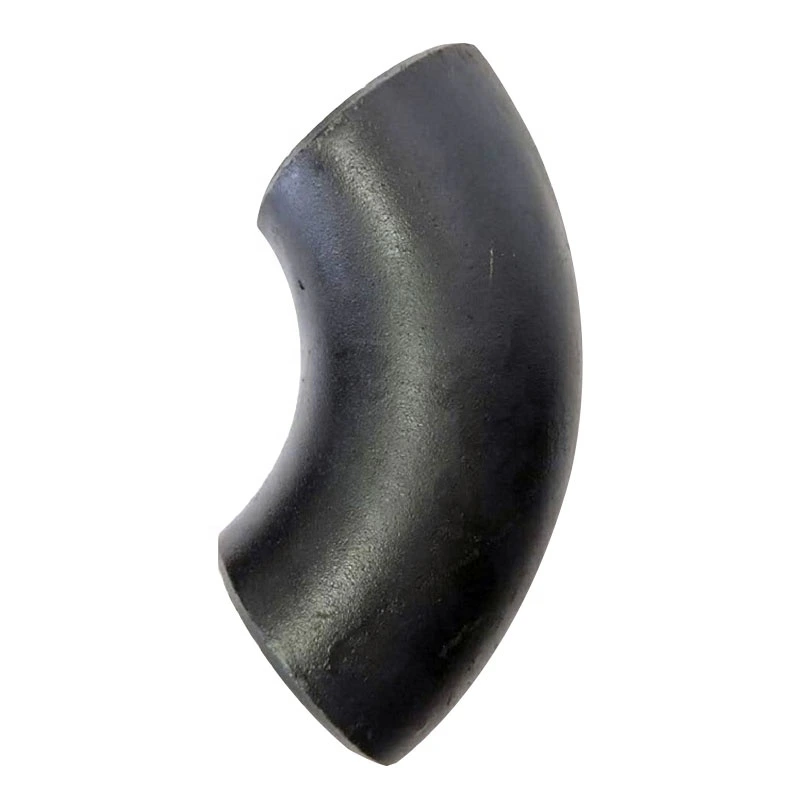
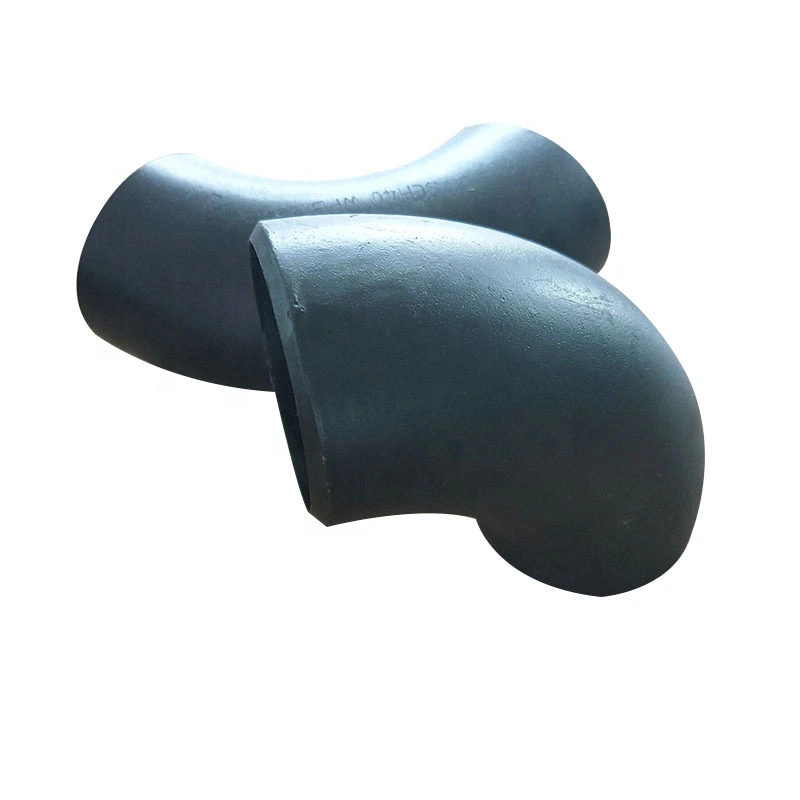
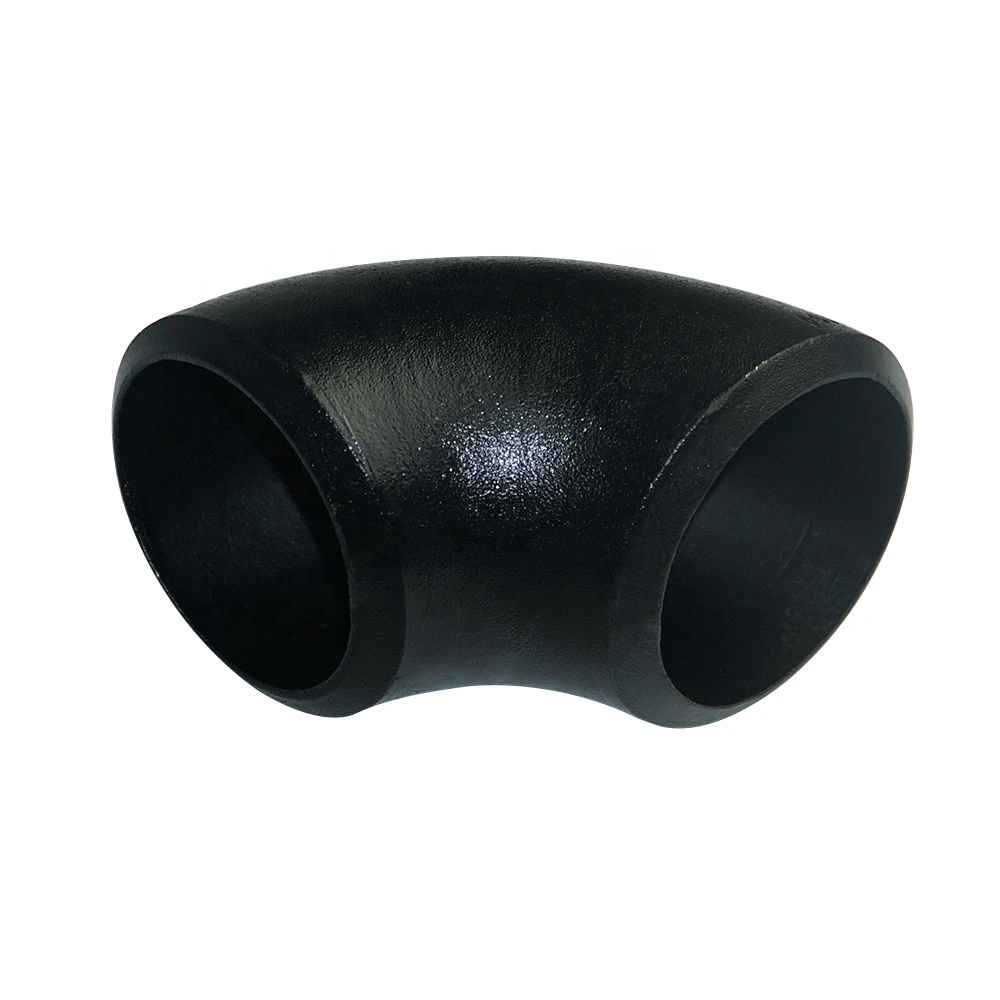
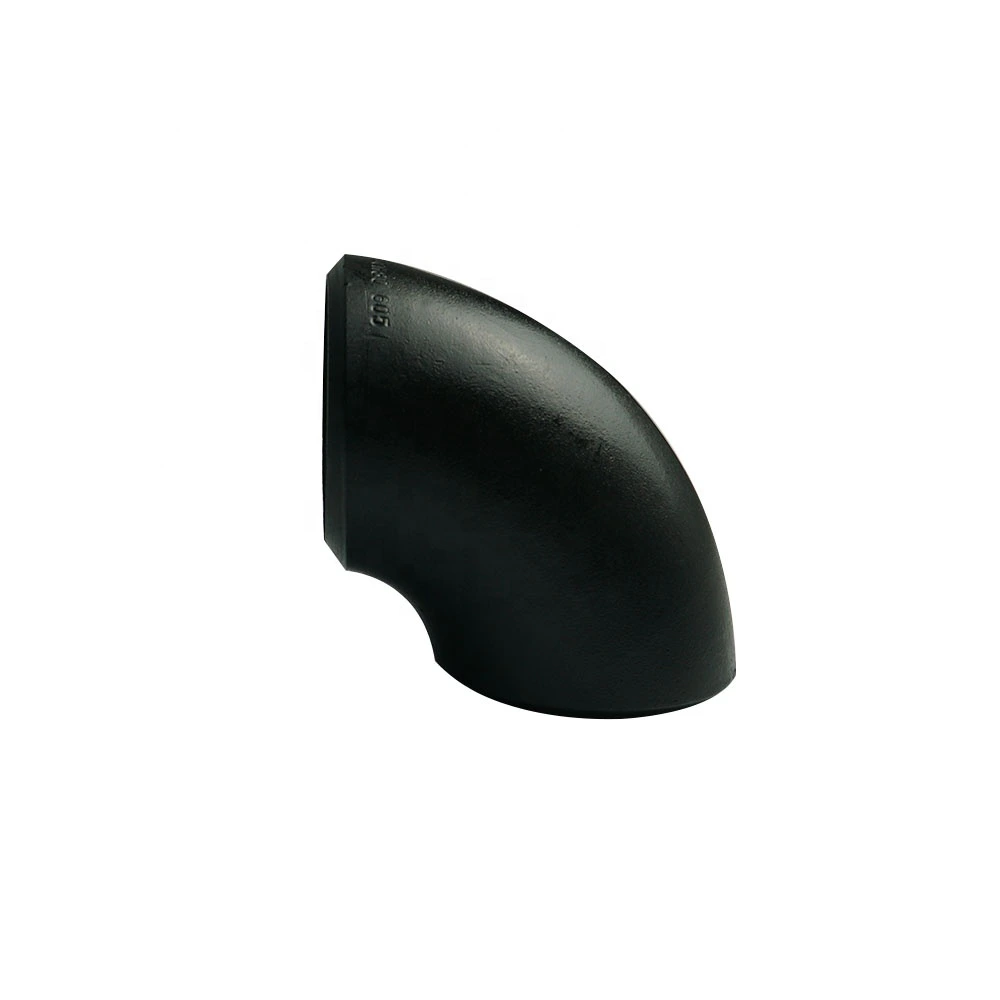
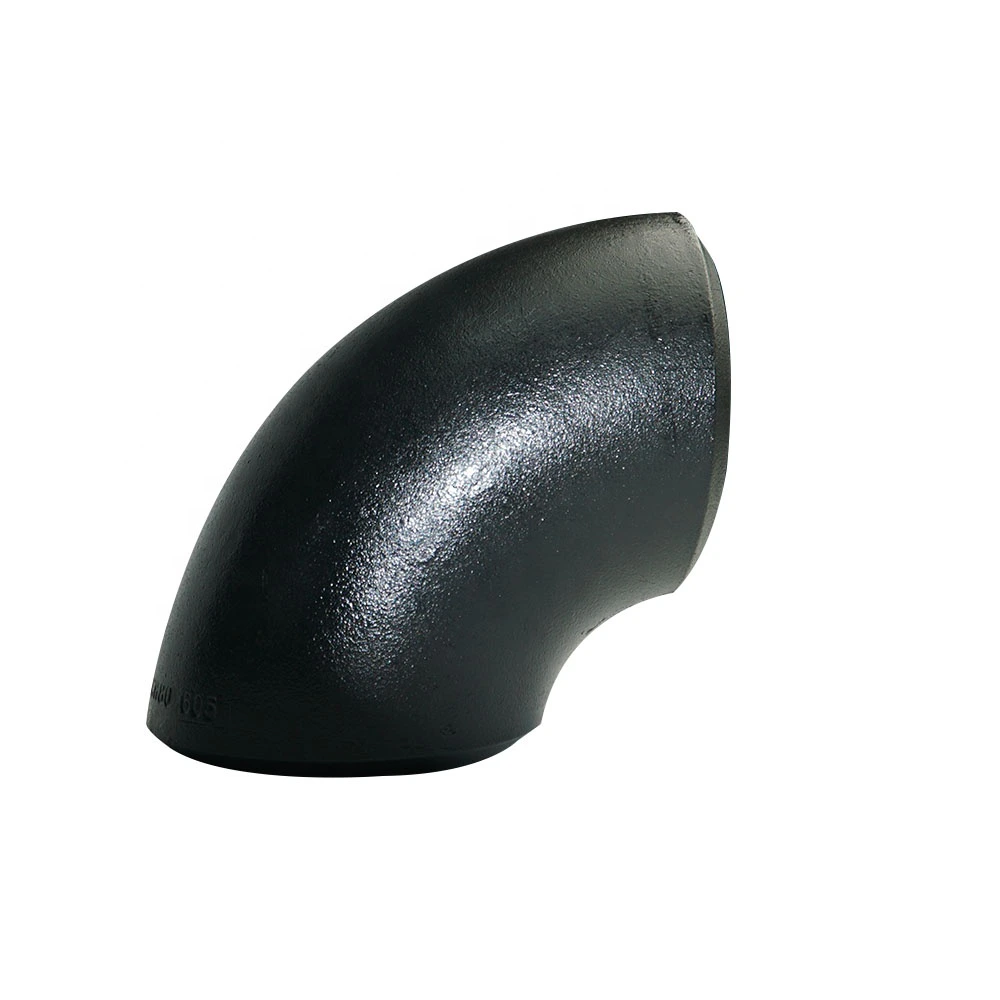
Carbon Steel 90-Degree Elbow for Gas Transmission
For industrial sourcing
Prepare a clearer RFQ
Include the details below so RELIA can understand the part and discuss the next step with you.
- Drawing, sample, or reference standard
- Material grade and preferred process
- Dimensions, tolerances, and surface finish
- Application, target quantity, and destination
Production timing, packing, and shipping terms are confirmed for each project after specifications and trade terms are agreed.
-
warranty3 Yearscustomized supportOEM
-
TechnicFORGEDConnectivityWelding
-
shapeBendhead codeHexagon
-
Overall Length1/2" - 12"Height1/2" - 12"
-
Surface TreatmentsmoothPressureLow Pressure
-
System of MeasurementINCHMounting hole diameter1/2" - 12"
-
Pipe Featurescorrosion resistantPipe ClassNot Rated
-
ApplicationConstruction EngineeringThread TypesNPT
This carbon steel 90-degree elbow is listed for gas transmission and construction engineering with an ASME B16.9 reference. The single size option covers a half-inch to 12-inch range. Confirm an individual size and complete connection specification before selecting the elbow for a gas line.
Turn the range into an approved 90-degree drawing
Specify the nominal sizing convention, bend radius, wall thickness or schedule and tolerances for the chosen size. The angle comes from the title, while radius and wall remain unselected. Obtain matching pipe dimensions and an approved drawing instead of assuming long-radius or seamless construction.
Length, height and hole entries repeat the range rather than individual measurements. Ask for the actual dimensions relevant to the ordered elbow and clarify the Hexagon head code. Keep that code separate from the stated bend angle until its role is documented.
Verify forged supply and the connection arrangement
Request the complete carbon steel grade, condition, material traceability and evidence for the FORGED entry. Define the B16.9 document, edition and conformity scope applying to this component. A standard named in a title does not replace material, dimensional or inspection documentation.
Clarify how Welding and NPT apply to each end, including preparation, full thread details if relevant, mating parts, sealing and examination. Agree measurable criteria for the smooth surface and delivery protection. Do not select a joint arrangement solely from the generic connectivity field.
Document the actual gas transmission acceptance basis
Identify gas composition, operating pressure and temperature, cycles, corrosion exposure and external loads. Neither Low Pressure nor Not Rated establishes numerical gas duty for the selected elbow. Assess the corrosion claim against that environment and obtain material, joint and rating evidence. Record the required examination and testing in the final supply specification before installation approval.
Technical information for every product inquiry
Prepare the requirement before final product confirmation.
The product page is a starting point. Drawings, samples, interfaces, materials, quantities and acceptance requirements are reviewed before stock matching or custom production is confirmed.
Discuss this product in your project context.
Share the available drawing, sample, reference, target quantity and application information. Unknown items can remain open for review.