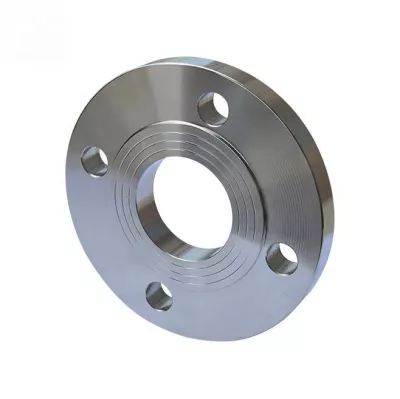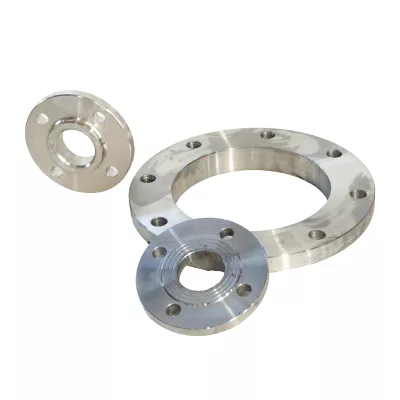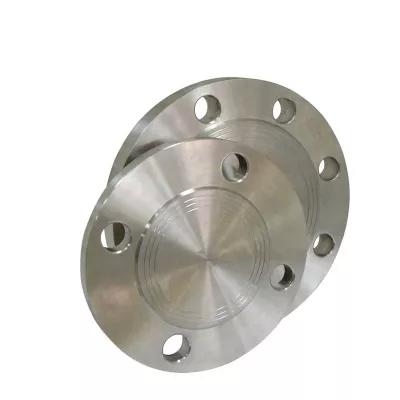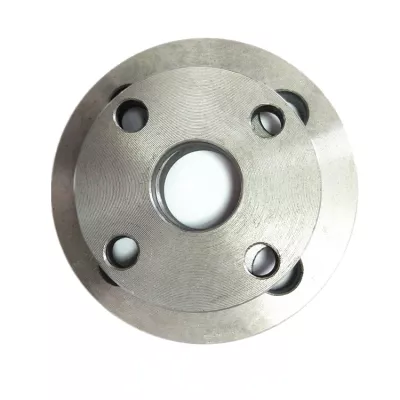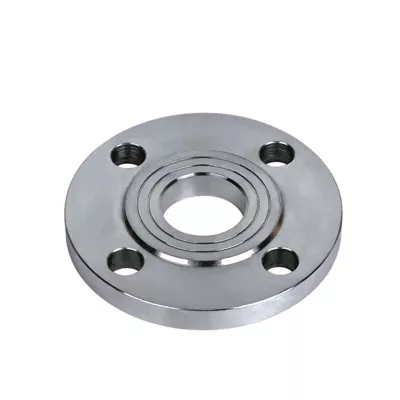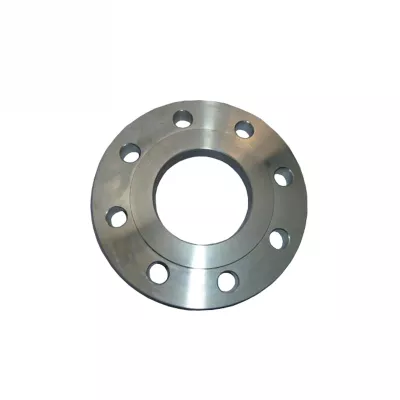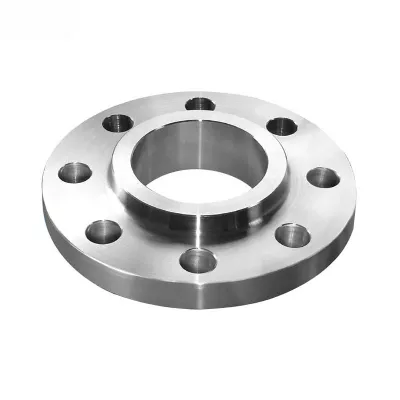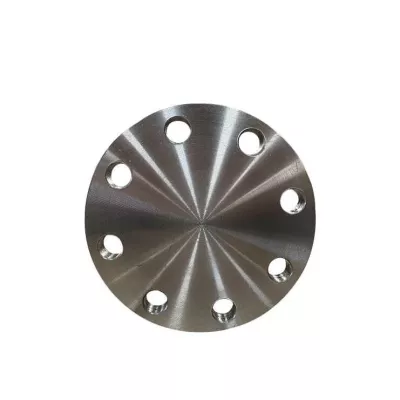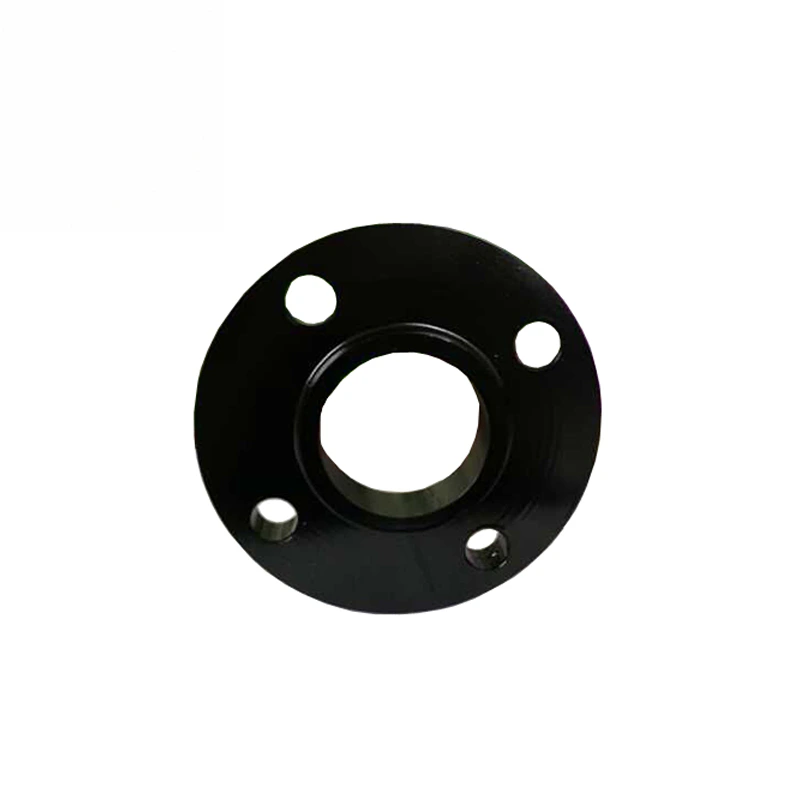
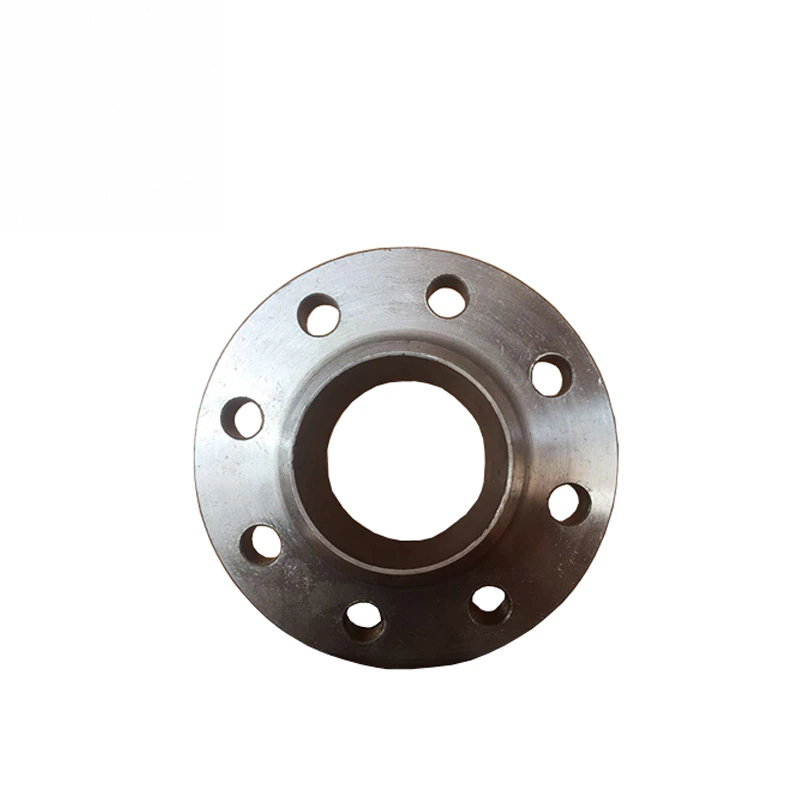
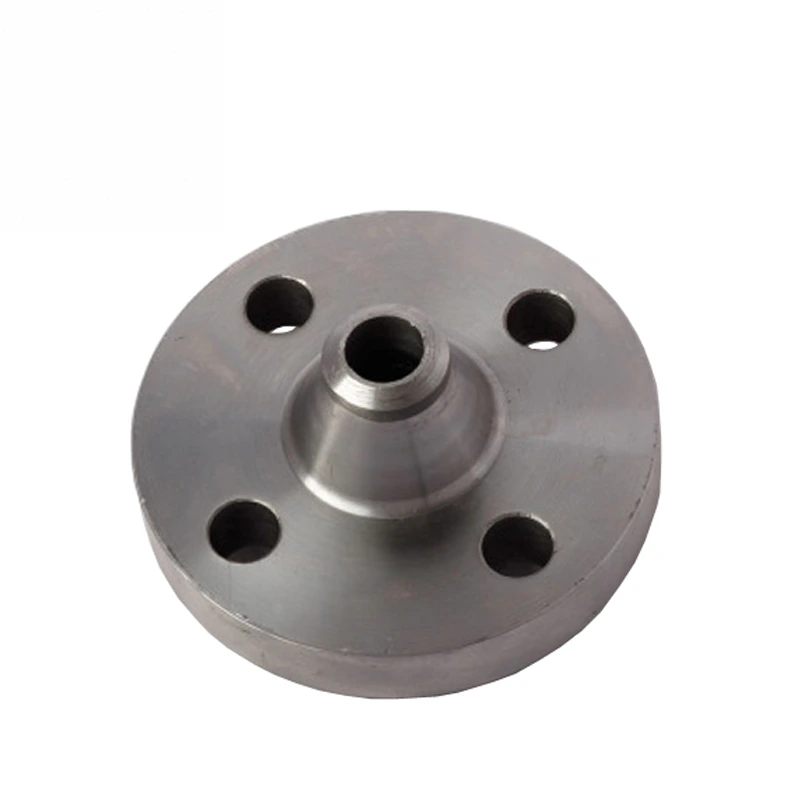
Stainless Steel Welding Neck Flange with Material Options
For industrial sourcing
Prepare a clearer RFQ
Include the details below so RELIA can understand the part and discuss the next step with you.
- Drawing, sample, or reference standard
- Material grade and preferred process
- Dimensions, tolerances, and surface finish
- Application, target quantity, and destination
Production timing, packing, and shipping terms are confirmed for each project after specifications and trade terms are agreed.
-
StandardAnsi, BS, DIN, ISO, JIS, ASME
A welding neck flange should be specified as part of a complete pipe joint. This product has Alloy Steel, Carbon Steel and Stainless Steel material selections; choosing one family is the starting point for defining the grade, bore and flange dimensions required by the project.
Match the flange bore to the adjoining pipe
For a weld-neck arrangement, the bore and welding end need to suit the pipe being joined. Provide the nominal pipe size, dimensional units and wall thickness, then confirm the required neck and end preparation on a drawing.
A nominal size does not supply every bore dimension. Checking the flange and pipe together helps identify the configuration that should be quoted, particularly where the enquiry must follow an existing piping specification.
Specify the steel grade within one material family
The stainless, carbon and alloy choices represent separate material families. Name the required material specification and grade explicitly; selecting Stainless Steel alone does not confirm grade 304 or grade 316 for the flange.
Keep that grade requirement associated with the same flange size and pressure class throughout the enquiry. Any material documentation required by the project should be discussed for the requested configuration, rather than assumed from a general material label.
Check the mating face and drilling together
Define the applicable flange standard and edition, face type, bolt-circle diameter, hole pattern and pressure class before assessing compatibility with an opposing flange. Matching the nominal size alone cannot establish that the two faces and bolt patterns will join correctly.
Include the medium and design pressure and temperature when requesting suitability confirmation. A useful weld-neck flange enquiry links the pipe-end details, material grade and mating-flange dimensions in one technical package, making the intended joint clear before an order is finalized.
Technical information for every product inquiry
Prepare the requirement before final product confirmation.
The product page is a starting point. Drawings, samples, interfaces, materials, quantities and acceptance requirements are reviewed before stock matching or custom production is confirmed.
Discuss this product in your project context.
Share the available drawing, sample, reference, target quantity and application information. Unknown items can remain open for review.