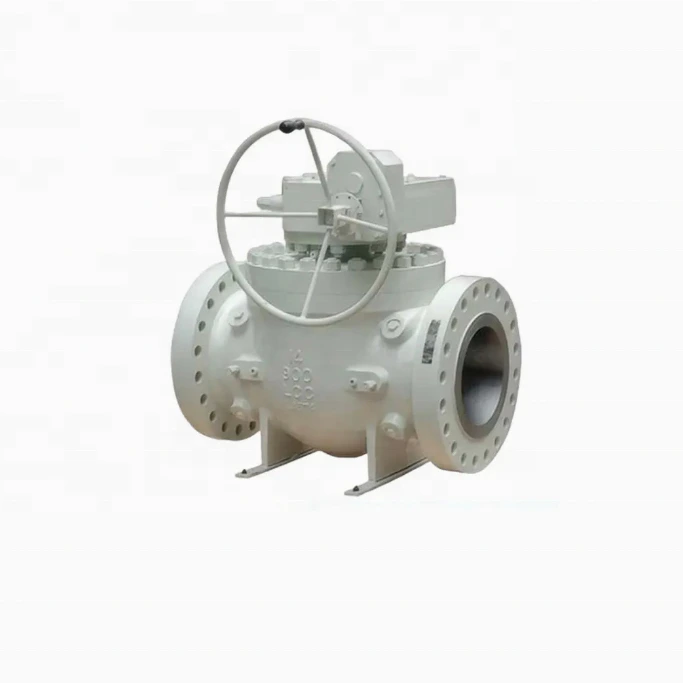
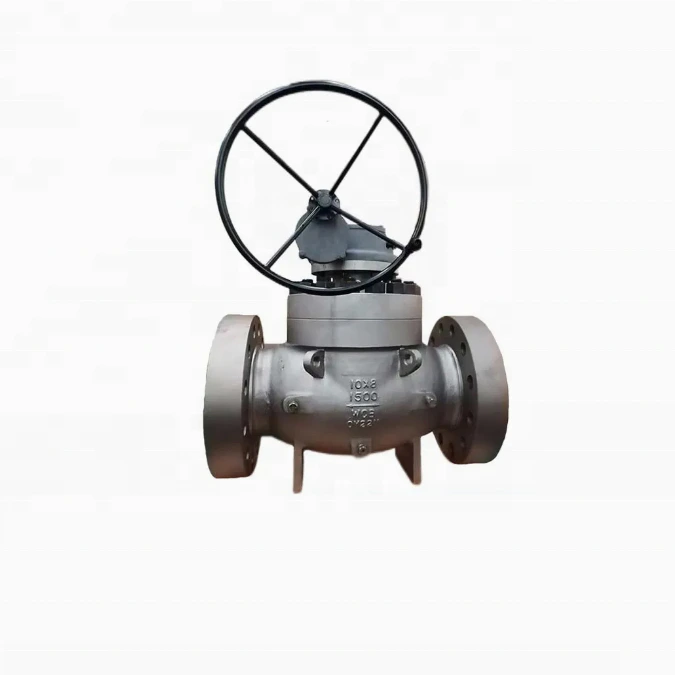
Industrial Cast Flanged Trunnion Ball Valve Enquiry
For industrial sourcing
Prepare a clearer RFQ
Include the details below so RELIA can understand the part and discuss the next step with you.
- Drawing, sample, or reference standard
- Material grade and preferred process
- Dimensions, tolerances, and surface finish
- Application, target quantity, and destination
Production timing, packing, and shipping terms are confirmed for each project after specifications and trade terms are agreed.
-
applicationGeneralConnection Typeflange
-
mediaBASEPort Size1/4in - 4in
-
structureControlmodel numberball valve
-
Connection Size1/4in - 4incustomized supportOEM, odm
-
Flow Rate0-100L/minFor Maximum Pipe Size4in(10.16cm)
-
Operating PressureLow PressureOperating Temp. Range0~150 Celsius
-
powermanualSealing MaterialPTFE
-
temperature of mediaMedium Temperaturewarranty1 year
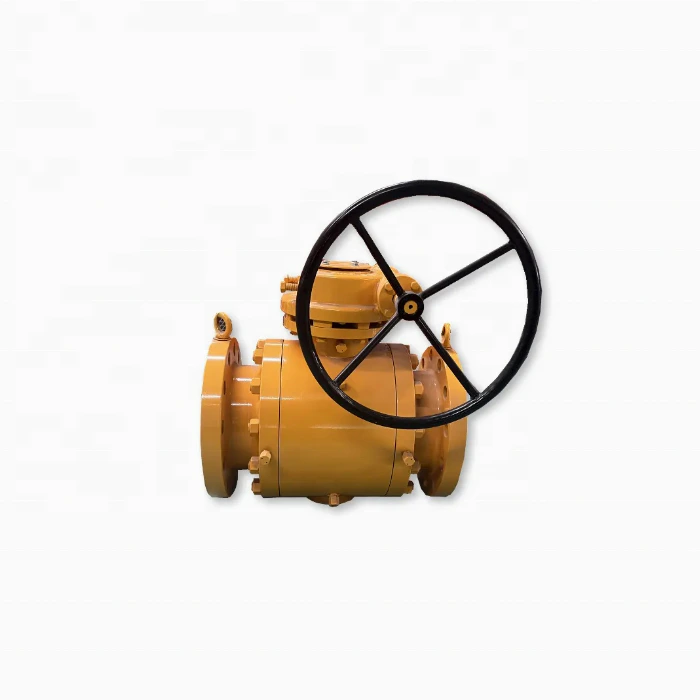
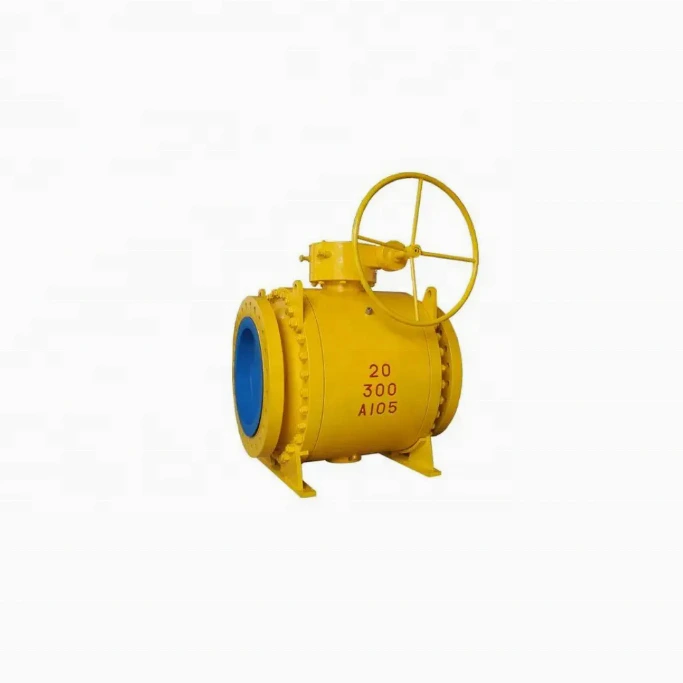
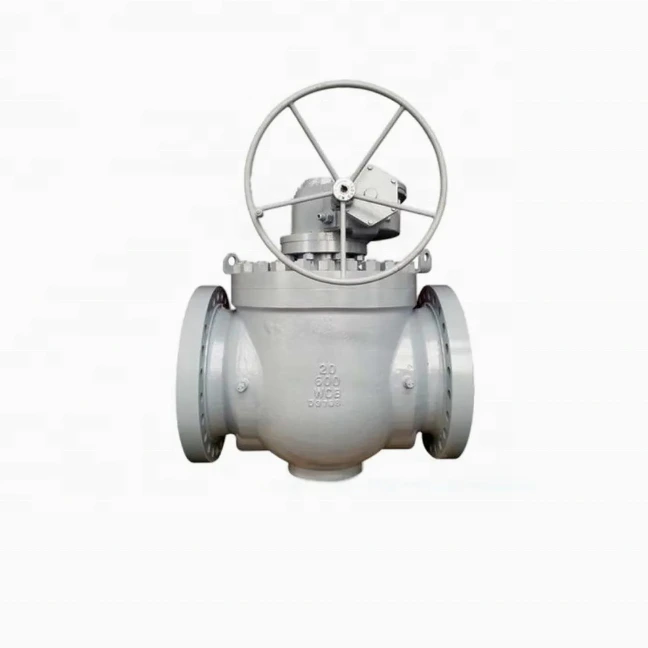
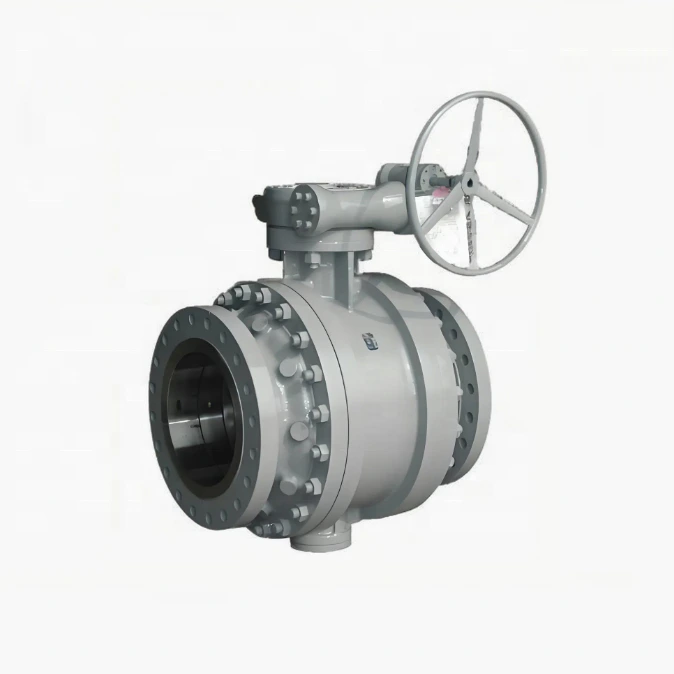
A cast flanged trunnion ball-valve requirement brings together body construction, internal ball support and the pipeline connection. Those details should be assessed on the same selected model. Start with the intended duty and request the drawings and material records that establish the proposed configuration. This provides a practical basis for comparing the valve with the installation requirements.
Confirm Cast Body and Trunnion Arrangement
Request a section drawing that identifies the ball support and seat arrangement. If trunnion support is required, have that feature linked to the model under consideration. Define the body grade separately from its casting process. The ball and sealing components also need their own material specifications. A material name or manufacturing label by itself does not establish the complete construction of the valve assembly.
Check Flanges and Manual Operating Space
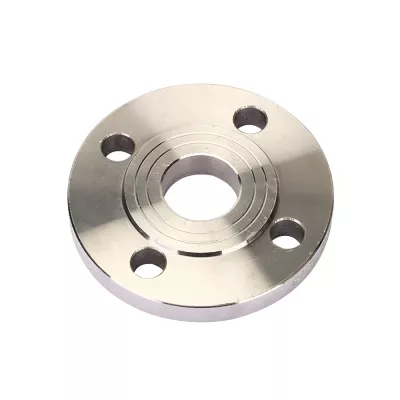
Compare the flange drilling, facing, port and face-to-face dimensions with the mating pipeline drawing. Specify the size and the relevant connection requirements together. For manual operation, consider the location of the operator and the access needed to use it in the installed position. Request a dimensional drawing that includes the operating envelope so that pipework and nearby equipment can be considered during selection.
Turn Durability Needs into Defined Duty
Describe the actual medium, service temperatures, pressure conditions and expected operating cycle. If durability is a project requirement, identify the environment and duty that the valve must withstand and request the relevant qualification evidence. Obtain the pressure-temperature envelope and sealing compatibility for the proposed assembly. Keep the support drawing, body material records, connection dimensions and operating evidence tied to one model. This makes the enquiry specific enough to evaluate the proposed construction and service limits before choosing the final configuration.
Technical information for every product inquiry
Prepare the requirement before final product confirmation.
The product page is a starting point. Drawings, samples, interfaces, materials, quantities and acceptance requirements are reviewed before stock matching or custom production is confirmed.
Discuss this product in your project context.
Share the available drawing, sample, reference, target quantity and application information. Unknown items can remain open for review.