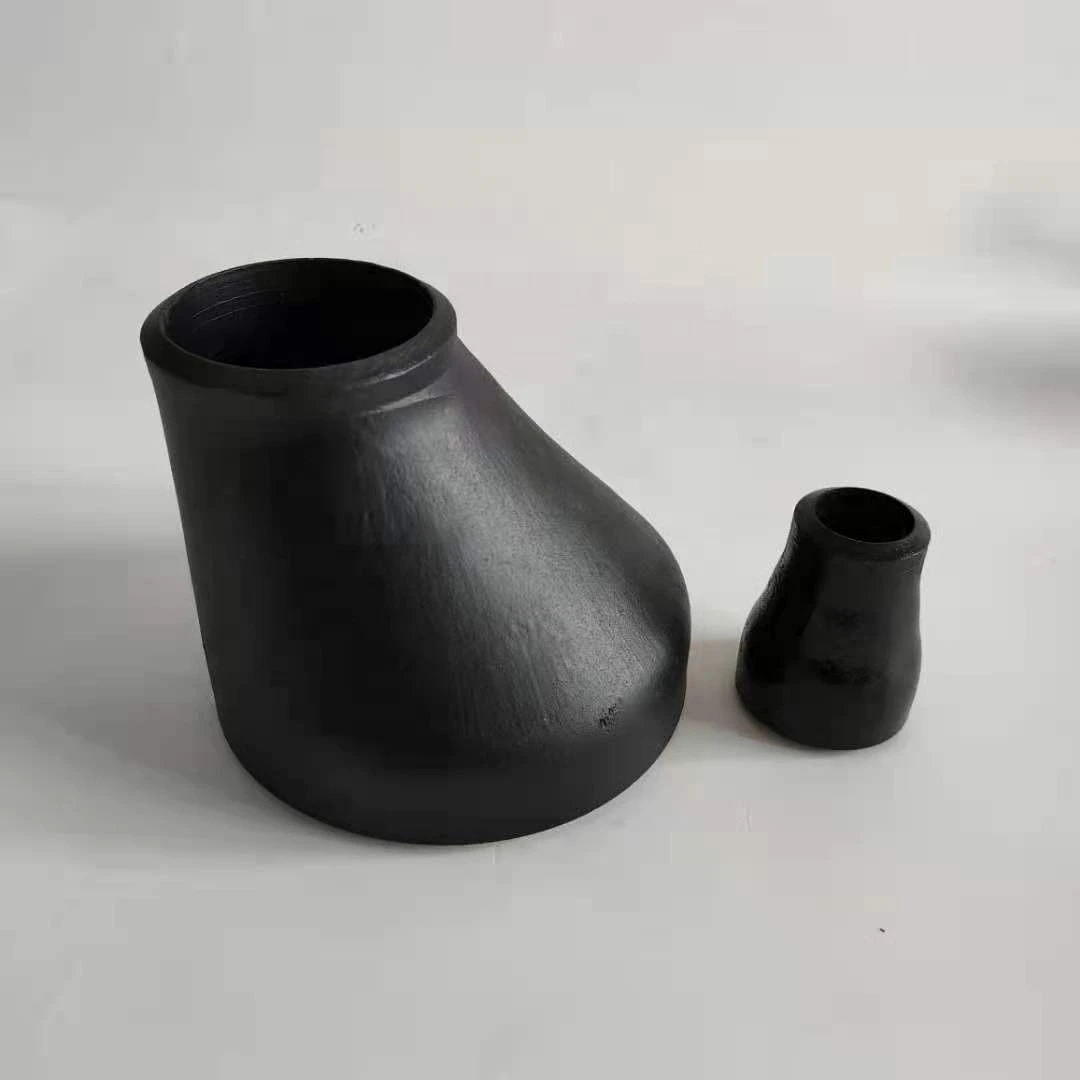
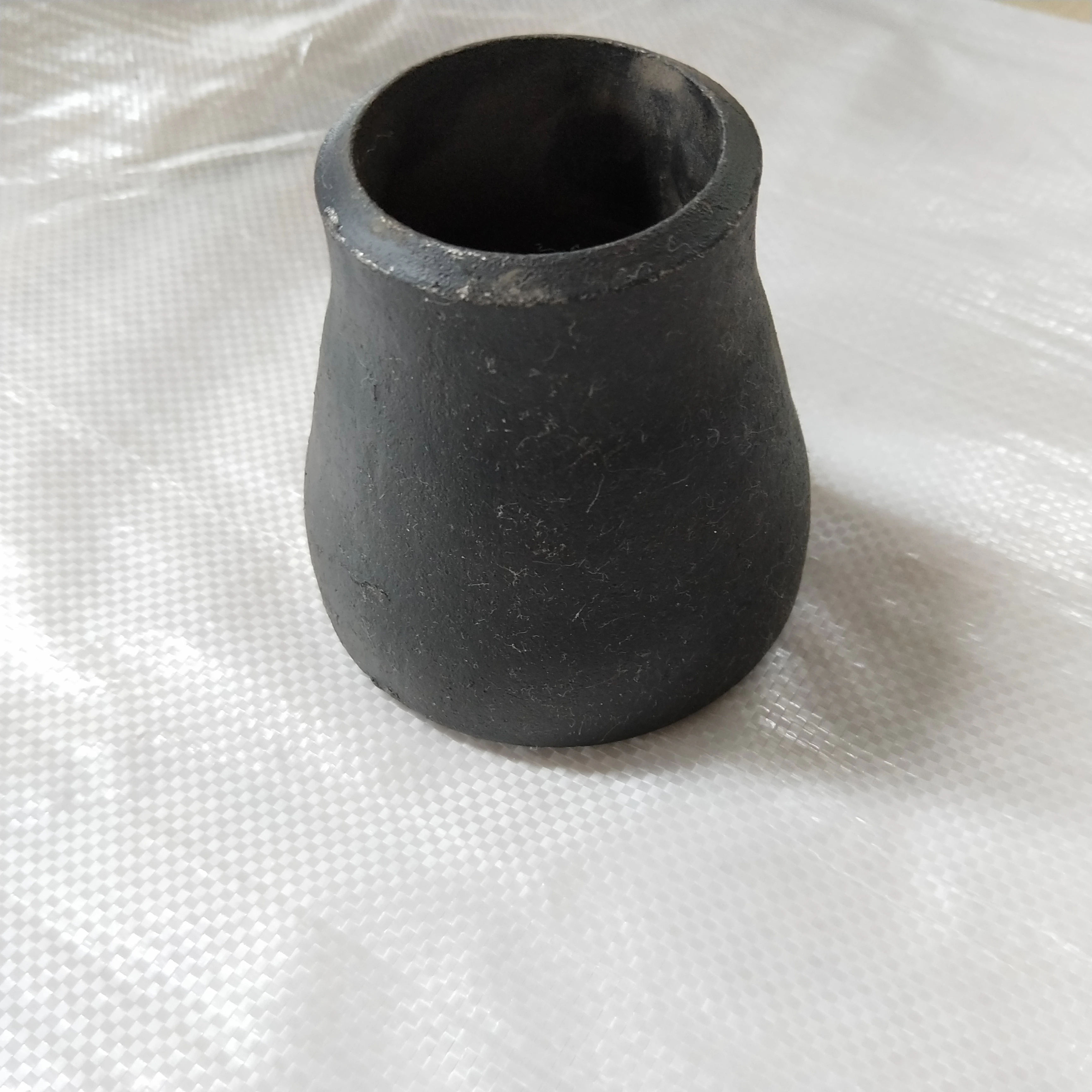
DIN 2616 Butt-Weld Concentric Reducer | Stainless or Carbon Steel Enquiry
For industrial sourcing
Prepare a clearer RFQ
Include the details below so RELIA can understand the part and discuss the next step with you.
- Drawing, sample, or reference standard
- Material grade and preferred process
- Dimensions, tolerances, and surface finish
- Application, target quantity, and destination
Production timing, packing, and shipping terms are confirmed for each project after specifications and trade terms are agreed.
-
warranty1 yearcustomized supportOEM, ODM, OBM
-
model numberreducer 3214TechnicForged
-
ConnectivityFemaleshapeEqual
-
head codeHexagonOverall Length4 in
-
Height6Surface TreatmentPainting
-
PressureLow PressureSystem of Measurementinch
-
Mounting hole diameter0.19inPipe Featuresunderground rated, No additional Features, Uv Resistant, Chemical Resistant
-
Pipe Class1000Applicationpetrochemical industry, Shipbuilding, Construction Engineering, Power Industry
-
Thread TypesNPT
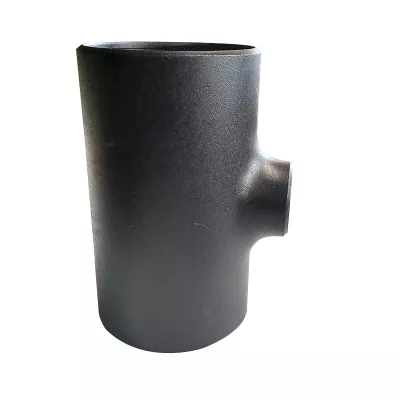
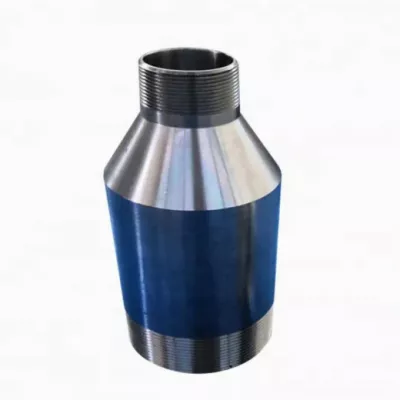
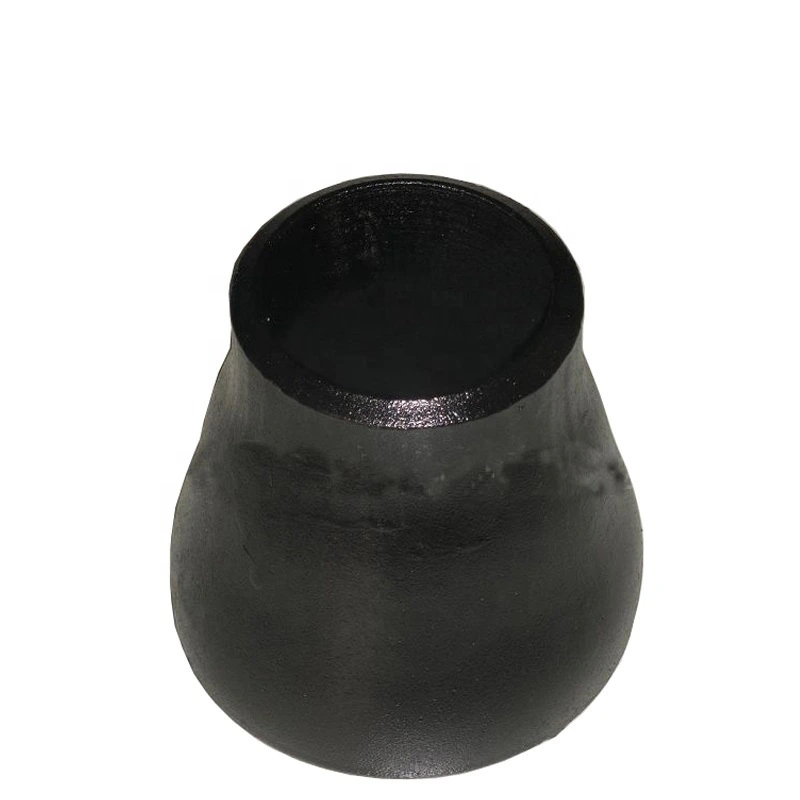
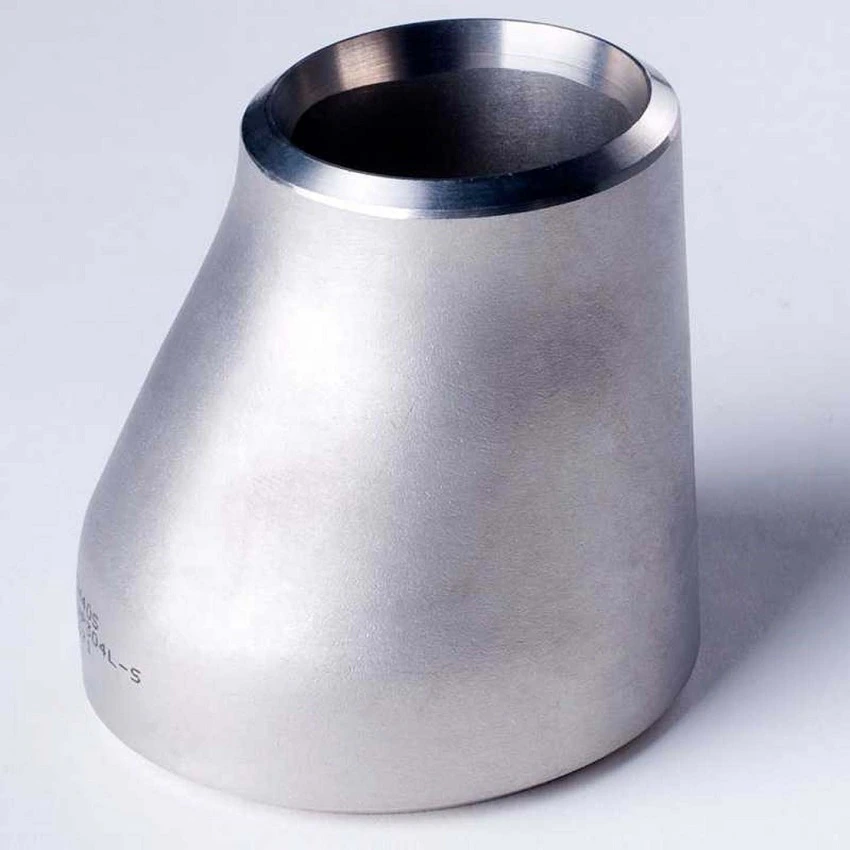
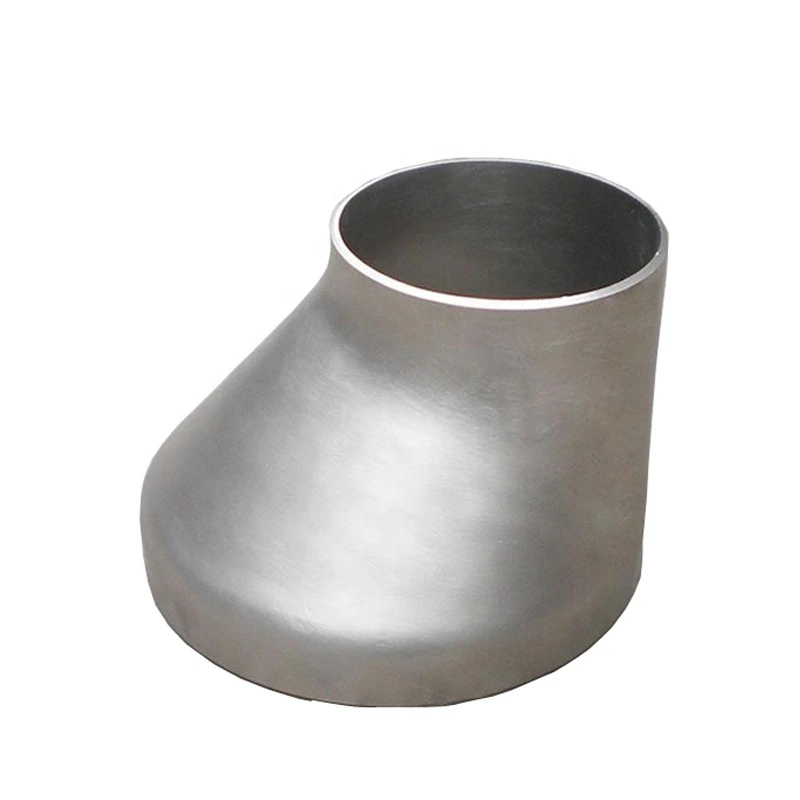
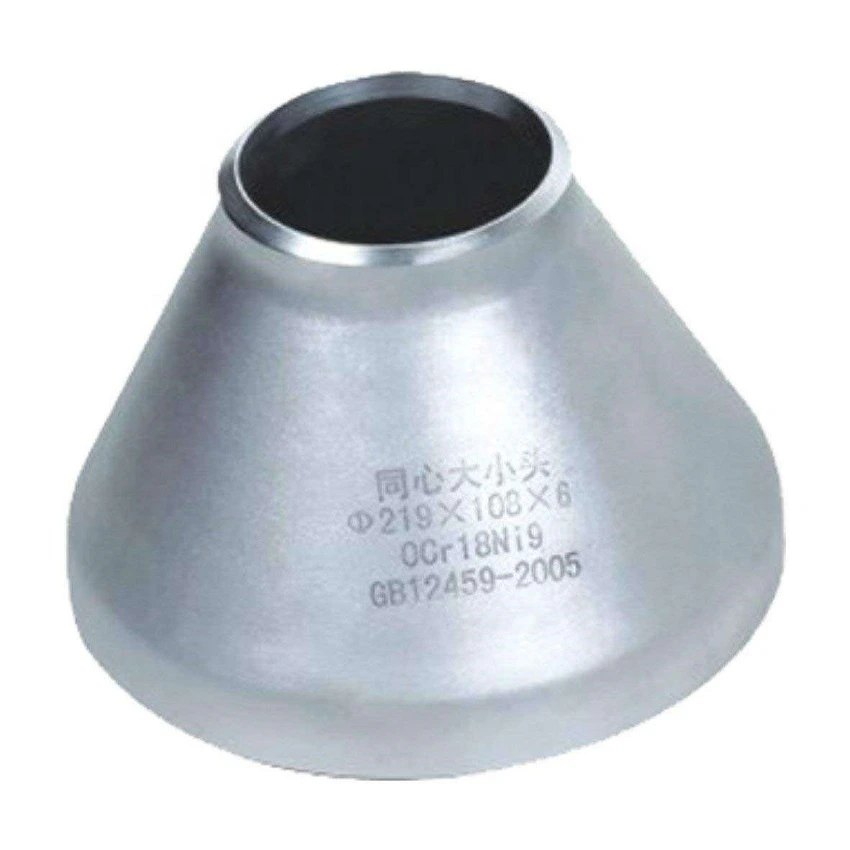
This DIN 2616 concentric reducer enquiry includes Stainless Steel and Carbon Steel material choices, with the required end pair and joining arrangement to be confirmed. Start with the large and small pipes the transition must connect. Keep those dimensions explicit when considering material alternatives so that the enquiry compares defined configurations.
Keep the reducing pair clear in each material request
State the nominal size, actual diameter and wall of the large end separately from the small end. Add the overall length and required centerline alignment to the drawing. If both material families are being considered, use the same pipe-pair requirements for each request. A single size selector cannot identify the complete transition, and similar reducer names do not establish a difference in fit or performance.
Confirm the DIN requirement and end preparation
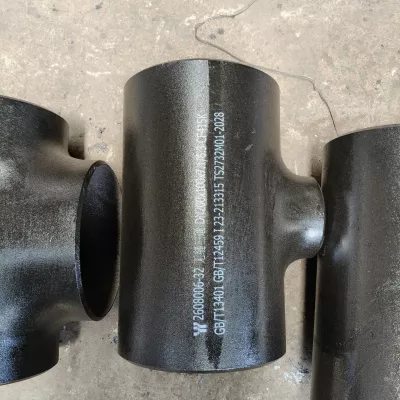
Name the required DIN 2616 edition and ask for the selected reducer's dimensional drawing. Identify butt-weld preparation as a project requirement, then obtain confirmation of the actual form and preparation at both ends. Check these details against the mating pipe dimensions and joining procedure. The general tapered shape of a product image does not define the end dimensions or establish that the selected component meets the requested joining specification.
Assess each material configuration on its own scope
Specify the exact grade and required construction for the proposed Stainless Steel or Carbon Steel reducer. Include the medium, design pressure and temperature with the enquiry and request the documentation applicable to that material and geometry. Changing the material family should not be assumed to preserve an operating qualification. Before choosing between configurations, confirm the same reducing pair, alignment and connections, then review each selected material's service scope. This provides a consistent basis for the enquiry without inventing an advantage that the available specifications do not establish.
Technical information for every product inquiry
Prepare the requirement before final product confirmation.
The product page is a starting point. Drawings, samples, interfaces, materials, quantities and acceptance requirements are reviewed before stock matching or custom production is confirmed.
Discuss this product in your project context.
Share the available drawing, sample, reference, target quantity and application information. Unknown items can remain open for review.