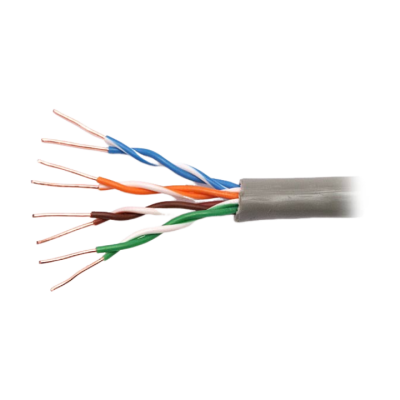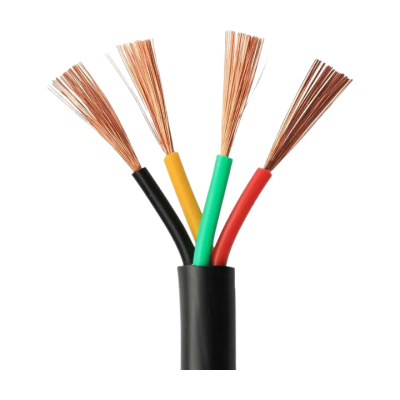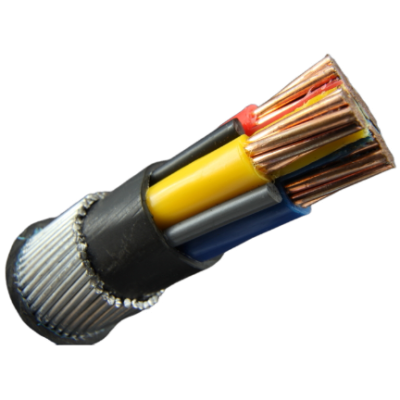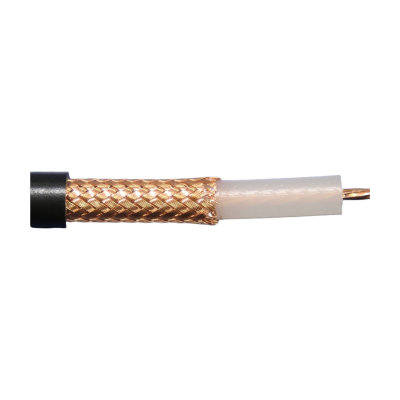

Coaxial Cables
For industrial sourcing
Prepare a clearer RFQ
Include the details below so RELIA can understand the part and discuss the next step with you.
- Drawing, sample, or reference standard
- Material grade and preferred process
- Dimensions, tolerances, and surface finish
- Application, target quantity, and destination
Production timing, packing, and shipping terms are confirmed for each project after specifications and trade terms are agreed.
Coaxial Cable Specification Table:
|
Parameter |
Details |
|
Conductor Material |
Copper (solid or stranded), copper-clad steel (CCS) |
|
Dielectric Insulation |
Polyethylene (PE), foam polyethylene, or PTFE (Teflon) |
|
Outer Conductor (Shielding) |
Braided copper, aluminum, or foil |
|
Outer Jacket Material |
PVC (Polyvinyl Chloride), PE (Polyethylene), or LSZH (Low Smoke Zero Halogen) |
|
Impedance |
50 ohms (for data transmission, radio) or 75 ohms (for TV, cable, CCTV) |
|
Frequency Range |
Typically from 1 MHz to several GHz depending on cable type |
|
Attenuation |
Varies by frequency and cable type; usually measured in dB per 100 feet |
|
Voltage Rating |
Typically between 300V and 500V, depending on the application |
|
Shielding Effectiveness |
60% to 95% coverage, depending on the shield type and application |
|
Temperature Rating |
-20°C to 80°C (varies based on jacket material) |
|
Standards Compliance |
Meets international standards such as RG (Radio Guide) or MIL-C-17 for military applications |
Common Coaxial Cable Types and Applications:
|
Cable Type |
Impedance |
Application |
|
RG-6 |
75 ohms |
Used for cable TV, satellite TV, CCTV |
|
RG-59 |
75 ohms |
Used for short-distance video transmission, CCTV |
|
RG-11 |
75 ohms |
Used for long-distance cable TV or internet |
|
RG-58 |
50 ohms |
Used for data, RF transmission, amateur radio |
|
RG-213 |
50 ohms |
Used for high-power signal transmission, military |
|
LMR-400 |
50 ohms |
Used for wireless communication, antenna systems |
Key Features:
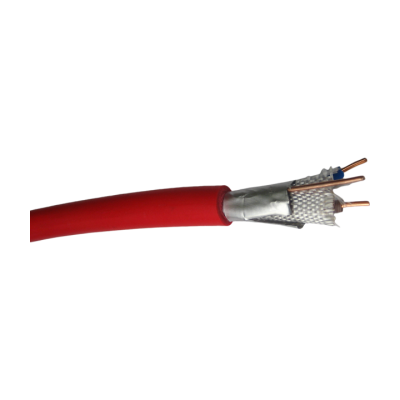
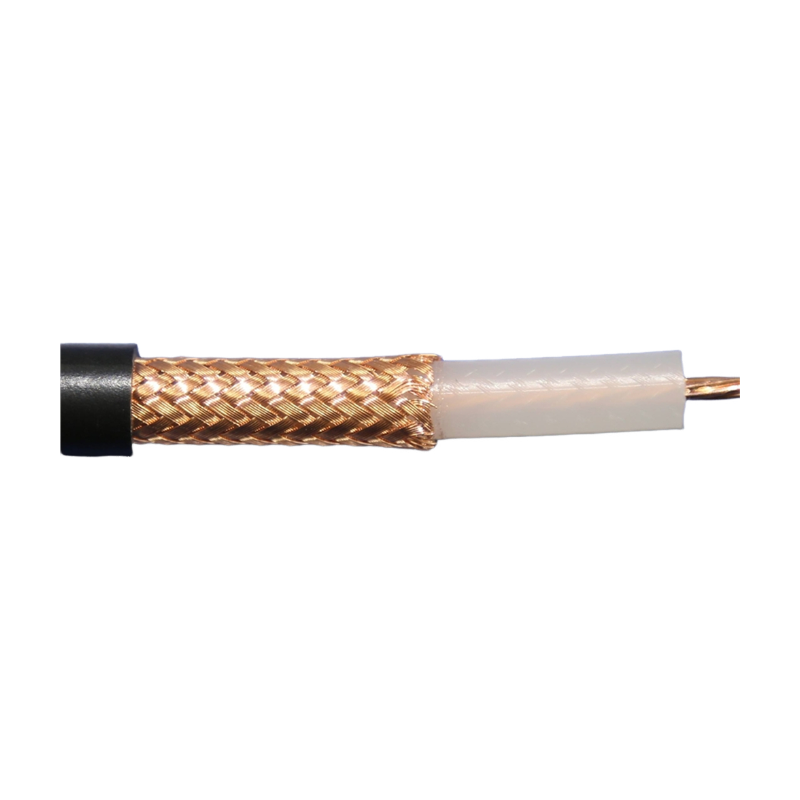
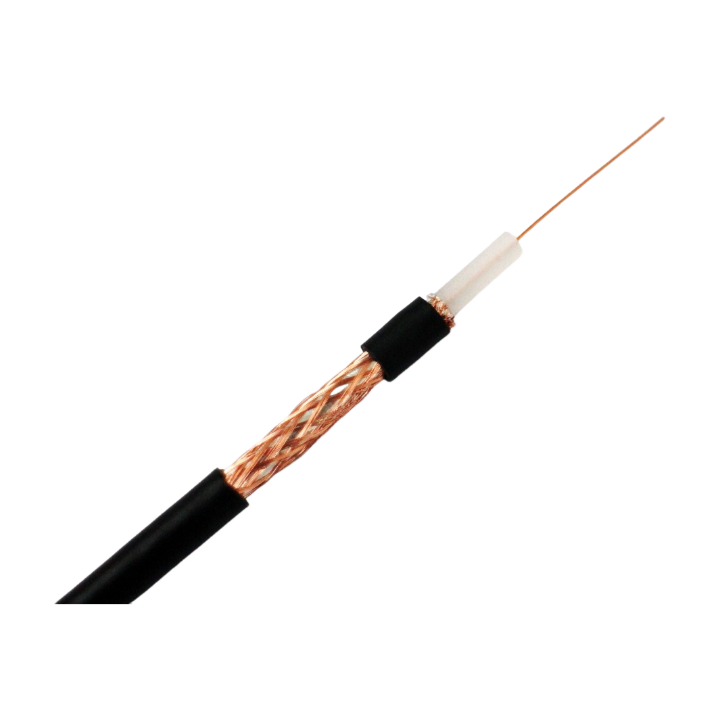
- Conductor:The central conductor is usually made of copper for excellent signal transmission, though copper-clad steel (CCS) is used for higher strength and durability in certain applications.
- Dielectric Insulation:This layer surrounds the conductor and provides electrical insulation. Foam polyethylene or solid PE is common for flexibility and low attenuation.
- Shielding:Coaxial cables have a braided shield or foil shield to block electromagnetic interference (EMI). Higher shielding percentages (e.g., 95%) are used in high-performance applications.
- Impedance:75 ohm cables are typically used for video and TV applications, while 50 ohm cables are standard for data, radio frequency (RF) communication, and wireless systems.
- Frequency Range:Coaxial cables support a wide frequency range, making them suitable for both low-frequency TV signals and high-frequency satellite communications.
Common Sizes and Attenuation (Loss in dB/100 feet at 1 GHz):
|
Cable Type |
Outer Diameter |
Attenuation |
|
RG-6 |
6.9 mm (0.27 in) |
5.65 dB/100 ft |
|
RG-59 |
6.1 mm (0.24 in) |
10.5 dB/100 ft |
|
RG-11 |
10.3 mm (0.41 in) |
3.9 dB/100 ft |
|
RG-58 |
4.95 mm (0.195 in) |
10.6 dB/100 ft |
|
LMR-400 |
10.29 mm (0.405 in) |
3.9 dB/100 ft |
Applications:
- Television (TV) Transmission:Coaxial cables are widely used to connect televisions to antennas, cable boxes, and satellite systems.
- Data Transmission:50-ohm cables like RG-58 and LMR-400 are used in radio frequency transmission for wireless networks and telecommunications.
- CCTV and Surveillance:RG-6 and RG-59 cables are commonly used for closed-circuit television (CCTV) and other short-range video applications.
- Internet Access:Coaxial cables are often used by internet service providers for high-speed data transmission.
Summary:
Coaxial cables are a popular choice for signal transmission in television, internet, radio, and CCTV applications due to their excellent shielding and ability to support high-frequency signals. The key to choosing the right coaxial cable is matching the impedance and attenuation characteristics with the specific application needs.
Technical information for every product inquiry
Prepare the requirement before final product confirmation.
The product page is a starting point. Drawings, samples, interfaces, materials, quantities and acceptance requirements are reviewed before stock matching or custom production is confirmed.
Discuss this product in your project context.
Share the available drawing, sample, reference, target quantity and application information. Unknown items can remain open for review.