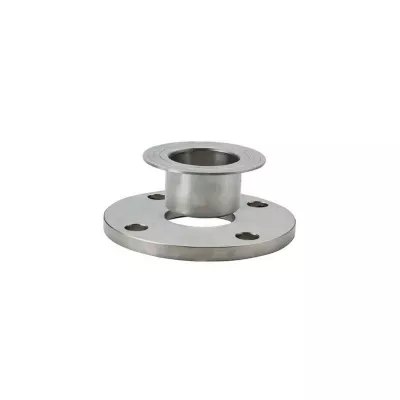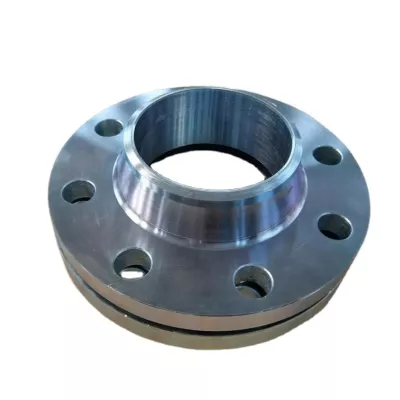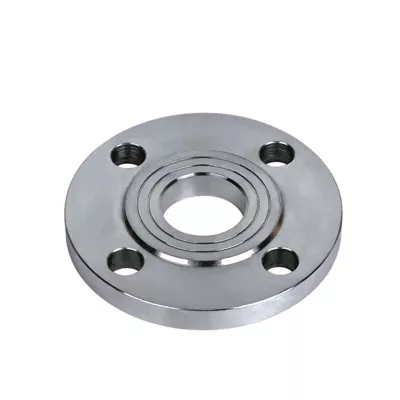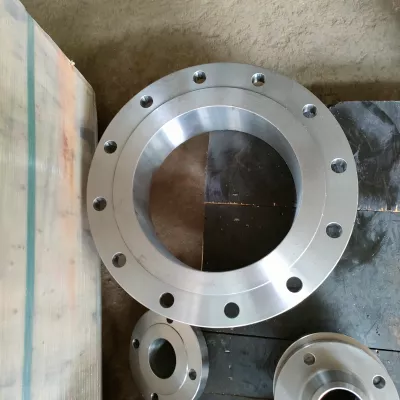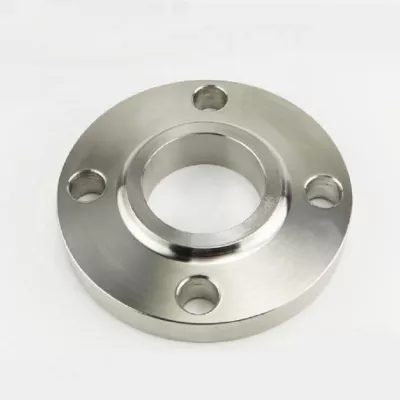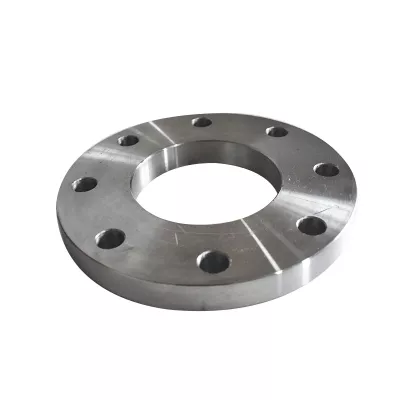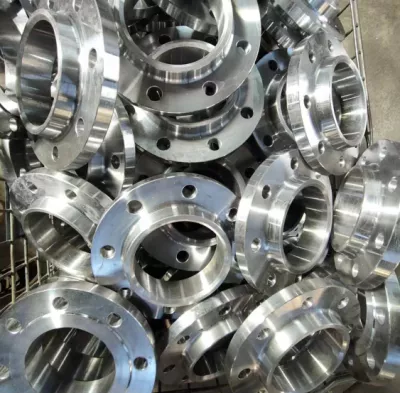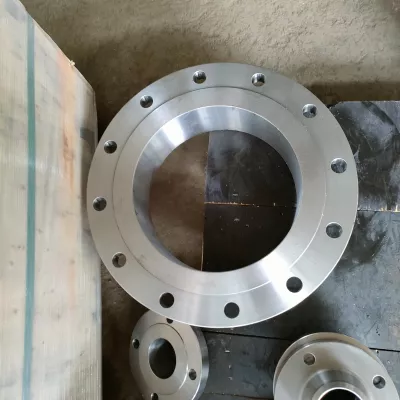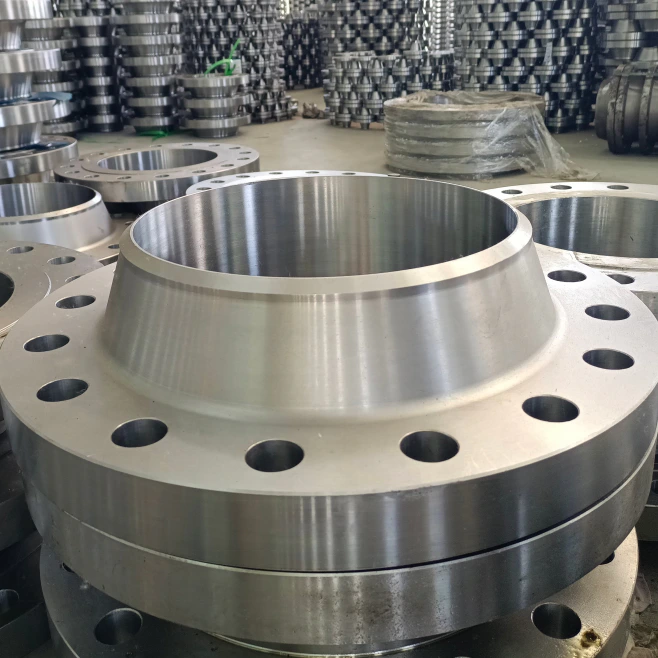
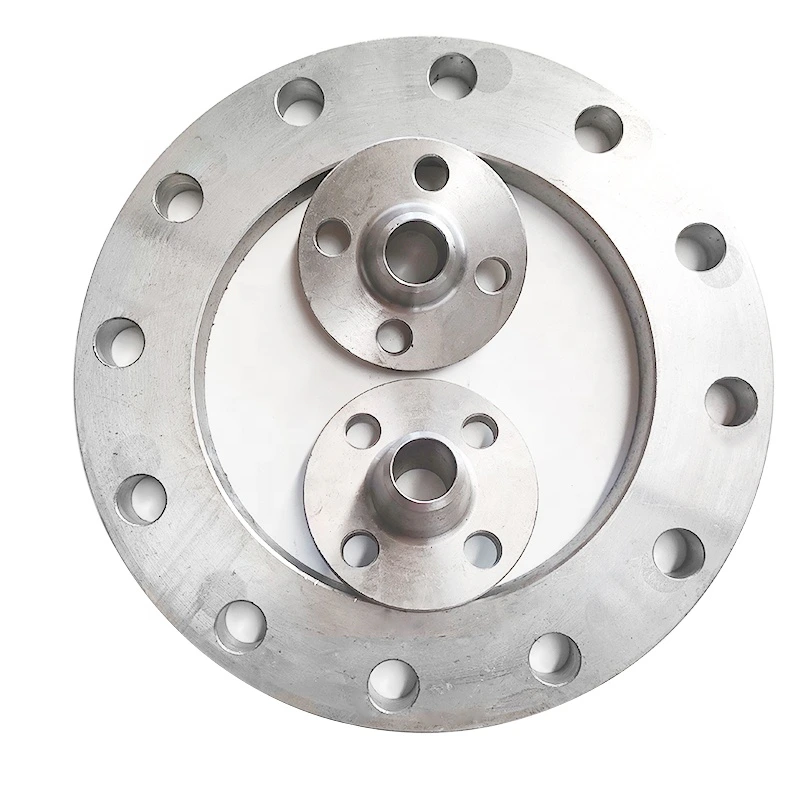
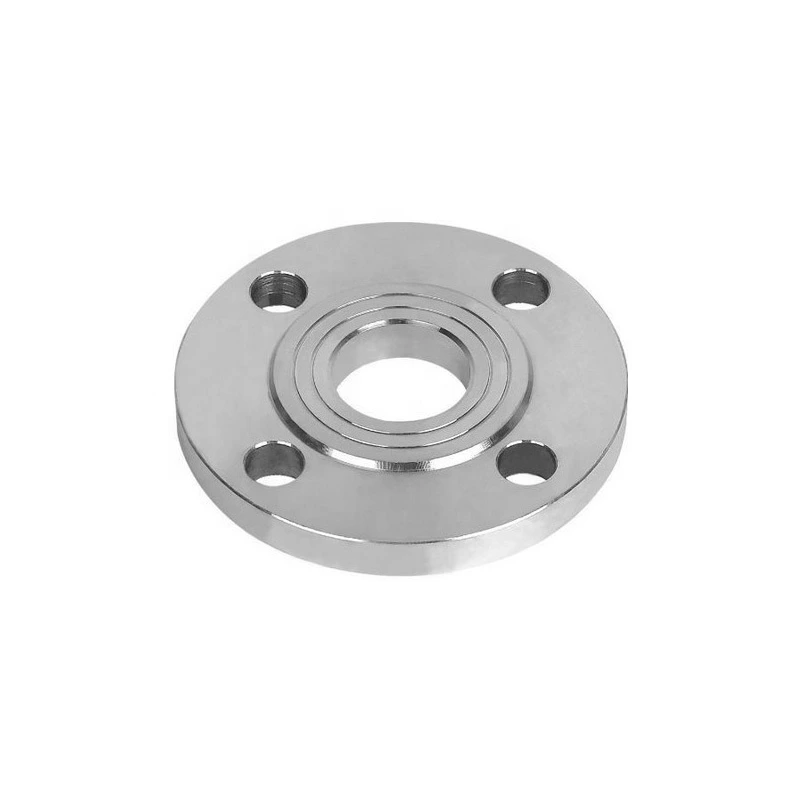
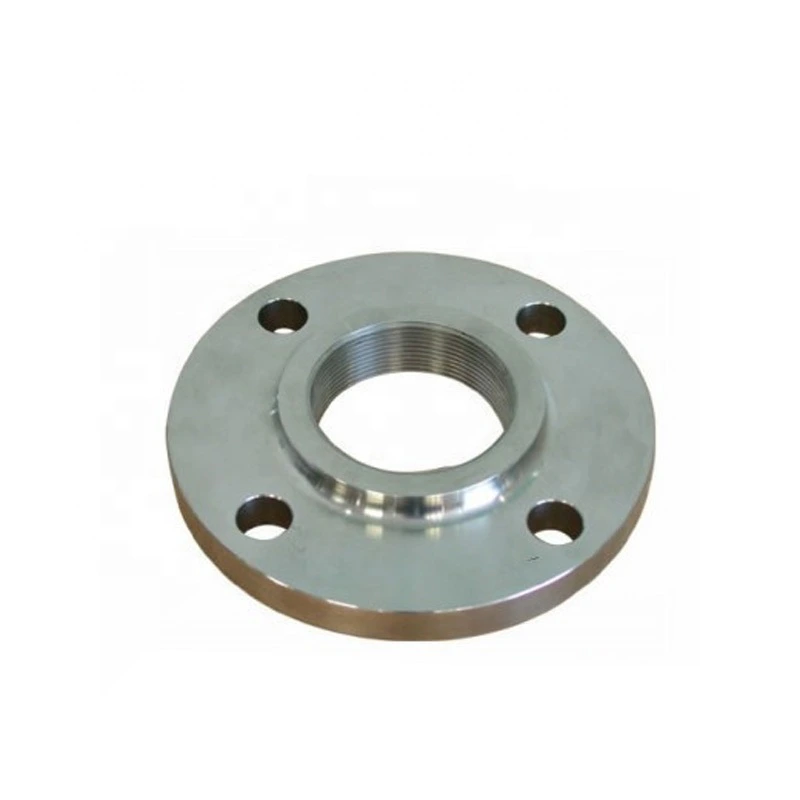
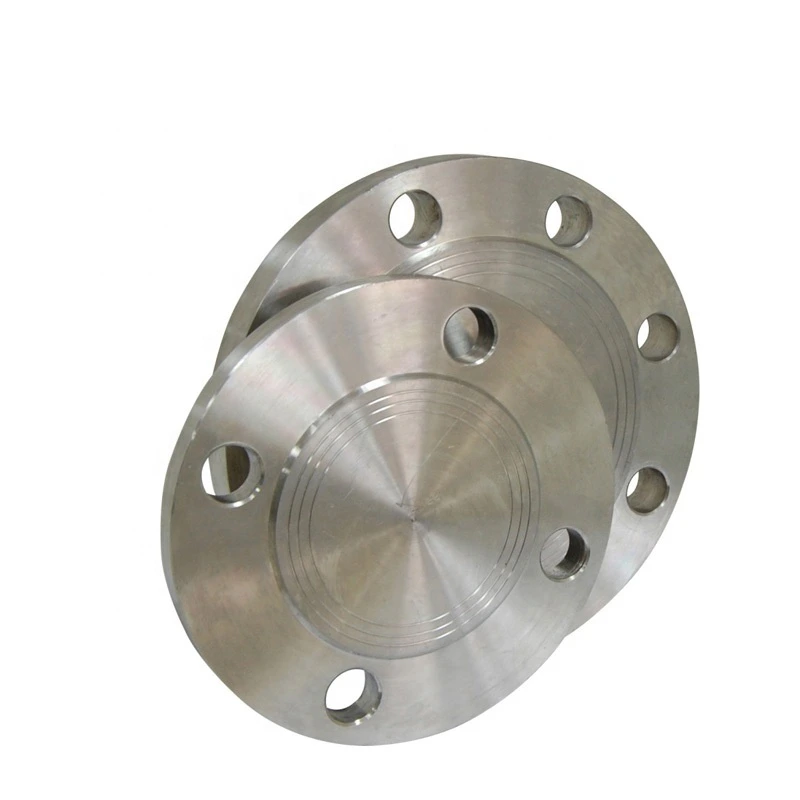
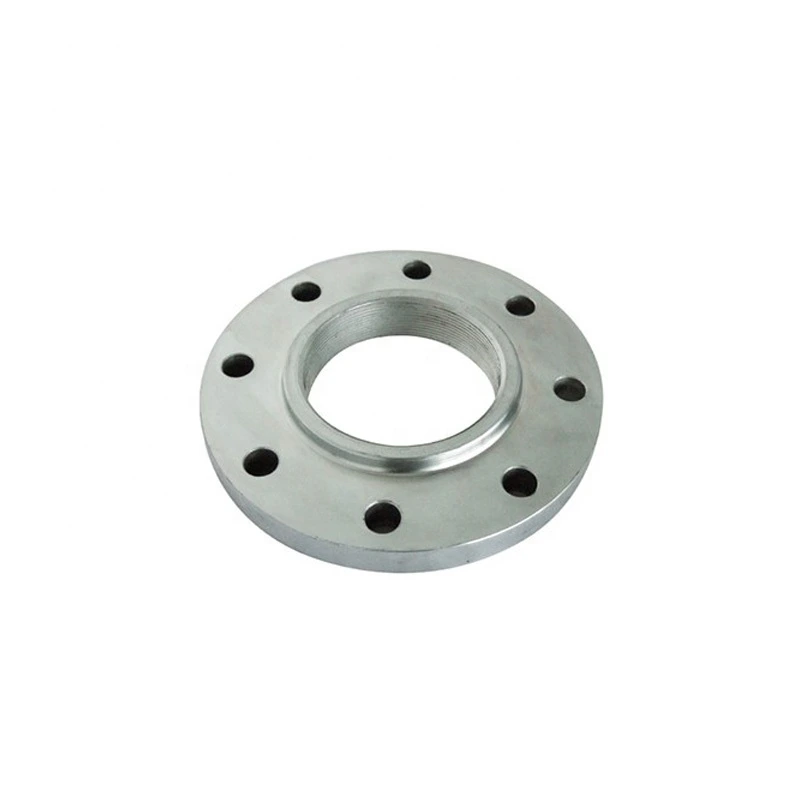
Stainless Steel Weld-Neck RF Flange with Polished Face
For industrial sourcing
Prepare a clearer RFQ
Include the details below so RELIA can understand the part and discuss the next step with you.
- Drawing, sample, or reference standard
- Material grade and preferred process
- Dimensions, tolerances, and surface finish
- Application, target quantity, and destination
Production timing, packing, and shipping terms are confirmed for each project after specifications and trade terms are agreed.
-
Surface TreatmentPolishedApplicationAgricultural Irrigation, Air Conditioning, Chemical Industry, Construction, Environmental Engineering, Fiber Optic Co MMunication, Food And Beverage, HVAC, Mining, nuclear power, Oil And Gas, paper industry, Pharmaceutical, Power Generation, Shipbuilding, Steel Industry, Textile Industry, Wastewater Treatment, water supply, Industrial Equipment
-
Bolt Hole Diameter1/2"Bolt Hole Quantity4
This stainless steel weld-neck RF flange enquiry follows the A182 F304/F316L and B16.5 title references, with polished finish and Class 150–2500 wording. It concerns the stainless weld-neck configuration within the full record. Select the actual grade, nominal size and class before approving supply.
Define the stainless weld-neck option and individual drawing
The 36 variants combine four materials and nine flange types. Materials are Alloy Steel, Aluminum, Carbon Steel and Stainless Steel; types include integral, weld neck, slip-on, socket-weld, lap-joint, threaded, blind, orifice and spectacle blind. Stainless, RF and forged title attributes should not be applied to every alternative.
The only size option spans a half-inch to 120 inches. Request the selected bore, wall, neck, hub, outside dimensions and tolerances. Confirm RF dimensions, bolt circle and the allocation of four half-inch bolt holes to that size rather than treating the table as universal drilling.
Confirm F304 or F316L and the actual conformity scope
Specify the complete selected material designation and condition, with certificates and traceability. The Stainless Steel option does not choose between the title alternatives. Identify the governing A182 and B16.5 documents, editions and actual component scope, and obtain evidence for the forged route.
Request exact documents and applicability behind the unnumbered ISO/JIS references. They do not establish certification or interchangeability. Confirm the chosen class and material/temperature rating basis, measurable polished-face acceptance, mating interface, sealing, bolting and examination, with delivery protection.
Qualify the intended operating and industrial environment
Describe actual medium composition, pressure and temperature limits, cycles, corrosion exposure and loads. The class range does not confirm every size/class combination or numerical operating duty. Assess the selected material and joint for the actual service instead of relying on the broad industry list. Agree drawing, conformity and inspection/testing evidence before acceptance.
Technical information for every product inquiry
Prepare the requirement before final product confirmation.
The product page is a starting point. Drawings, samples, interfaces, materials, quantities and acceptance requirements are reviewed before stock matching or custom production is confirmed.
Discuss this product in your project context.
Share the available drawing, sample, reference, target quantity and application information. Unknown items can remain open for review.