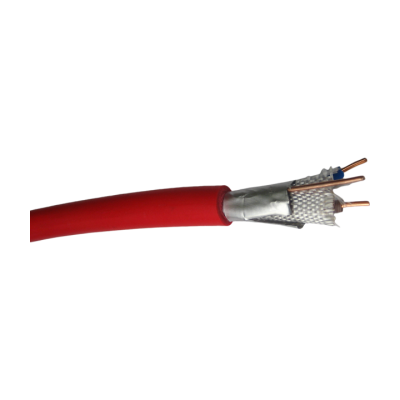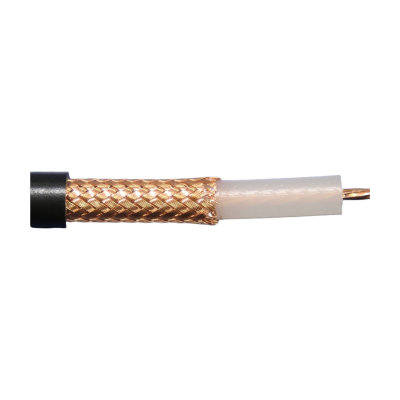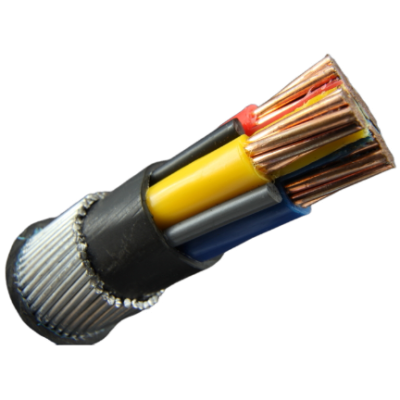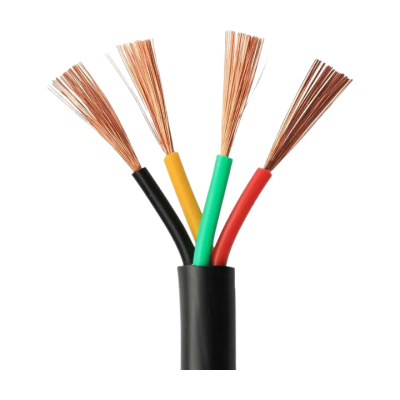

Armoured Cables
For industrial sourcing
Prepare a clearer RFQ
Include the details below so RELIA can understand the part and discuss the next step with you.
- Drawing, sample, or reference standard
- Material grade and preferred process
- Dimensions, tolerances, and surface finish
- Application, target quantity, and destination
Production timing, packing, and shipping terms are confirmed for each project after specifications and trade terms are agreed.
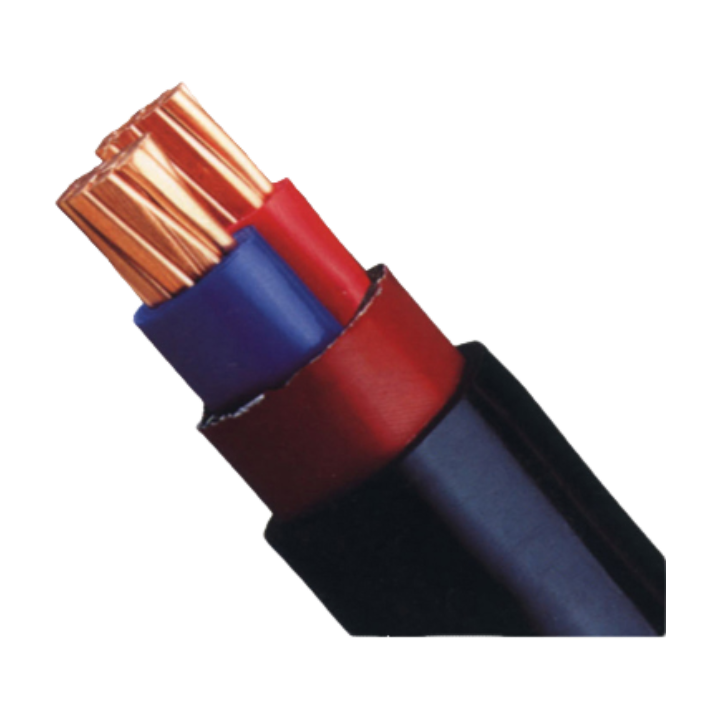
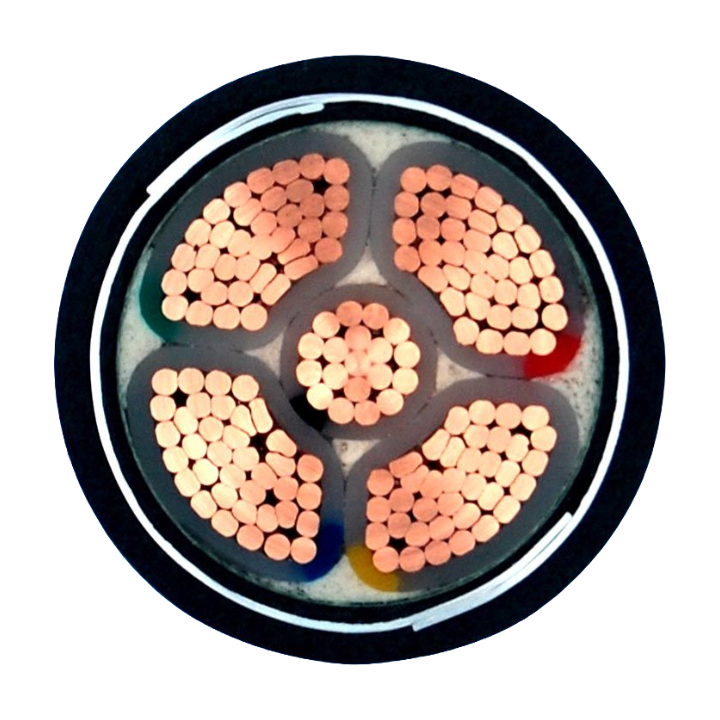
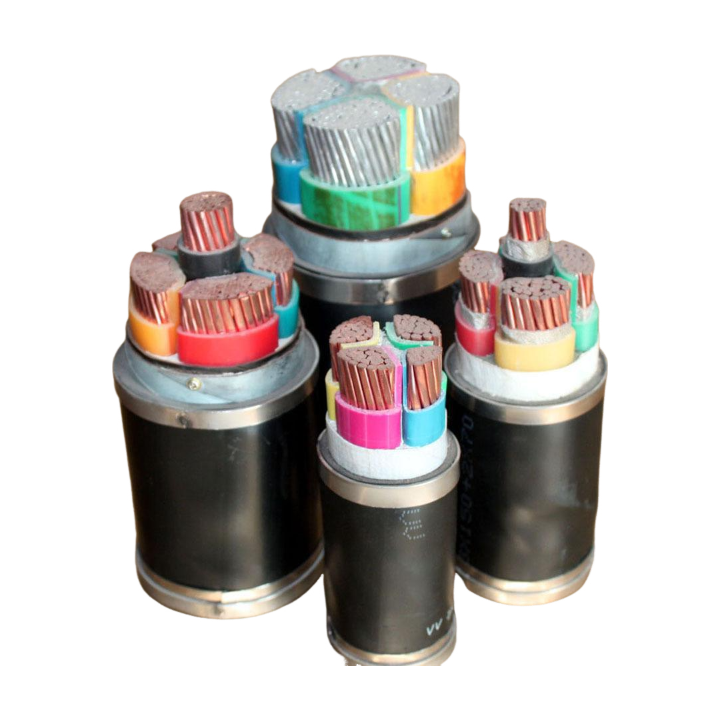
Armored Cable Specification Table:
|
Parameter |
Details |
|
Conductor Material |
Copper (Cu) or Aluminum (Al) |
|
Insulation Material |
PVC (Polyvinyl Chloride), XLPE (Cross-linked Polyethylene) |
|
Armoring Type |
Steel wire or aluminum wire for mechanical protection |
|
Voltage Rating |
Typically 600V to 1kV, depending on application |
|
Temperature Rating |
-20°C to 90°C (varies based on insulation type) |
|
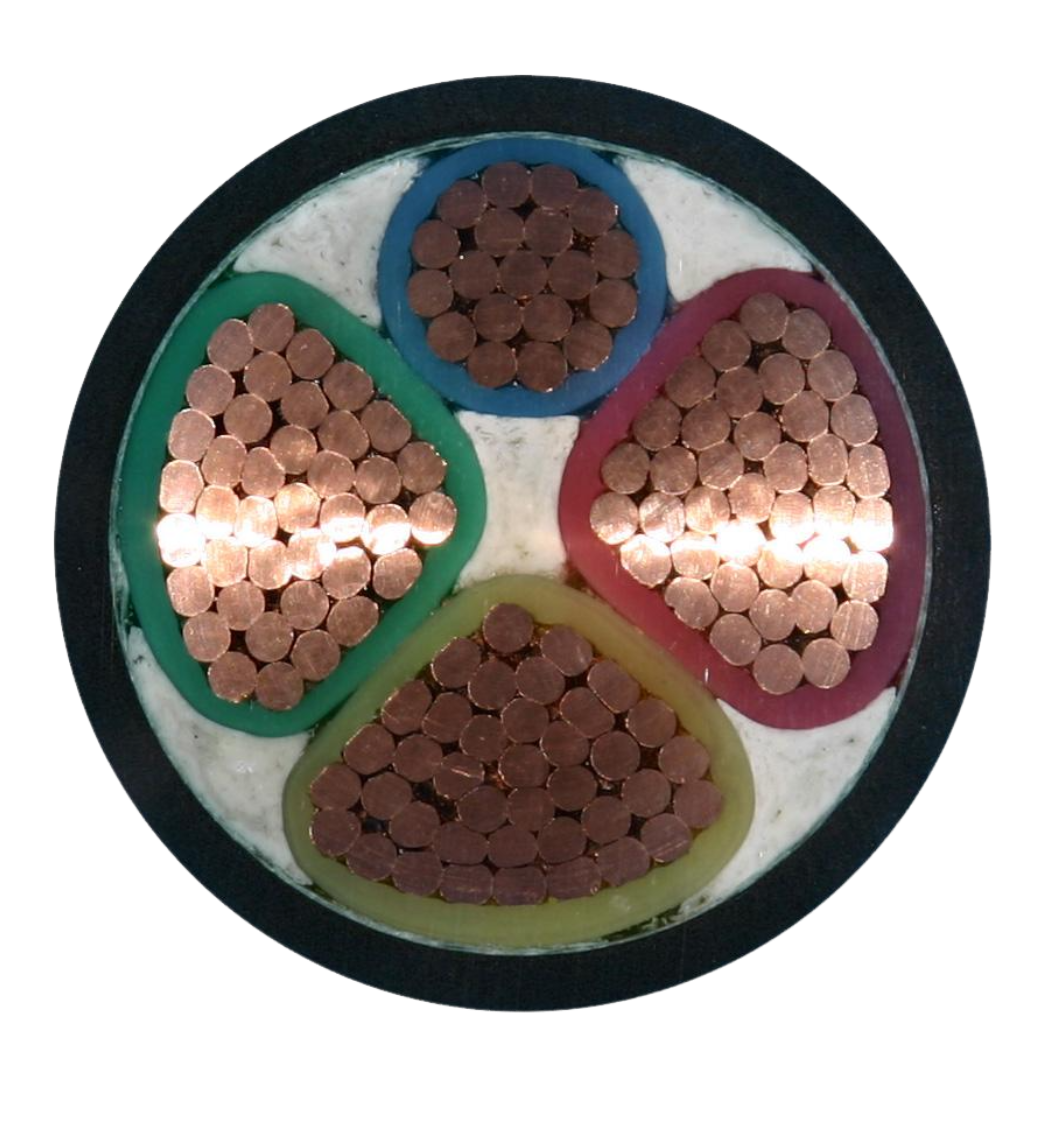
Cable Structure |
Multi-core or single-core with an armored layer |
|
Color Code |
Typically black, but may have color-coded inner conductors |
|
Flame Retardant |
Flame-resistant options available |
|
Applications |
Suitable for underground installations, industrial environments, and outdoor use |
|
Standards Compliance |
Meets IEC, BS, or other international standards |
Common Sizes and Current-Carrying Capacity:
|
Cable Size (mm²) |
Maximum Current-Carrying Capacity (A) |
|
1.5 mm² |
10 A |
|
2.5 mm² |
13 A |
|
4 mm² |
20 A |
|
6 mm² |
30 A |
|
10 mm² |
40 A |
|
16 mm² |
63 A |
|
25 mm² |
83 A |
|
35 mm² |
100 A |
|
50 mm² |
125 A |
|
70 mm² |
150 A |
|
95 mm² |
200 A |
|
120 mm² |
240 A |
|
150 mm² |
300 A |
|
185 mm² |
340 A |
|
240 mm² |
400 A |
Key Features:
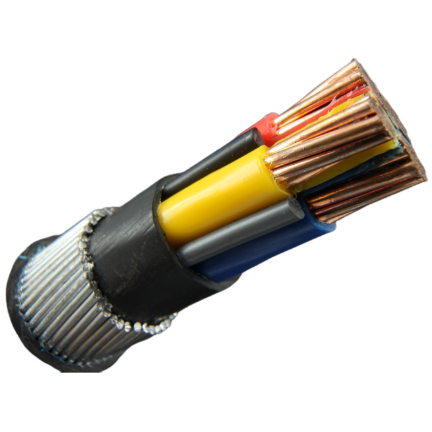
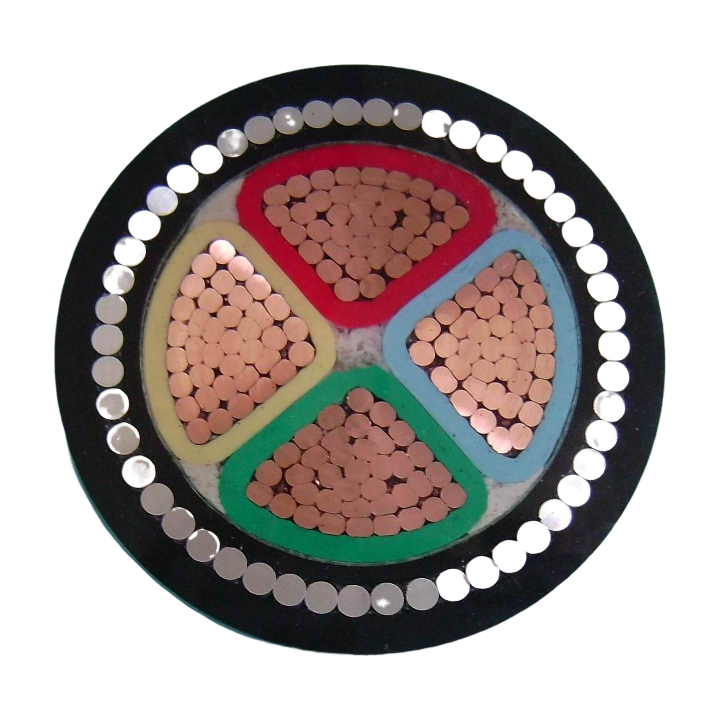
- Conductor Material:Armored cables typically use copper for its high conductivity, but aluminum is also common for larger sizes due to its lightweight and cost-effectiveness.
- Insulation Layer:The insulation is typically PVC or XLPE, providing good electrical insulation and resistance to environmental factors.
- Armoring:The armoring consists of steel or aluminum wires that protect the cable from mechanical damage, making it suitable for harsh environments.
- Applications:Commonly used in industrial, commercial, and residential settings, especially in areas prone to physical damage, underground installations, or where additional protection is needed.
Summary:
Armored cables are essential in providing enhanced mechanical protection and are ideal for applications where cables are exposed to potential damage. Their robust construction ensures reliability and longevity in a variety of environments.
Technical information for every product inquiry
Prepare the requirement before final product confirmation.
The product page is a starting point. Drawings, samples, interfaces, materials, quantities and acceptance requirements are reviewed before stock matching or custom production is confirmed.
Discuss this product in your project context.
Share the available drawing, sample, reference, target quantity and application information. Unknown items can remain open for review.