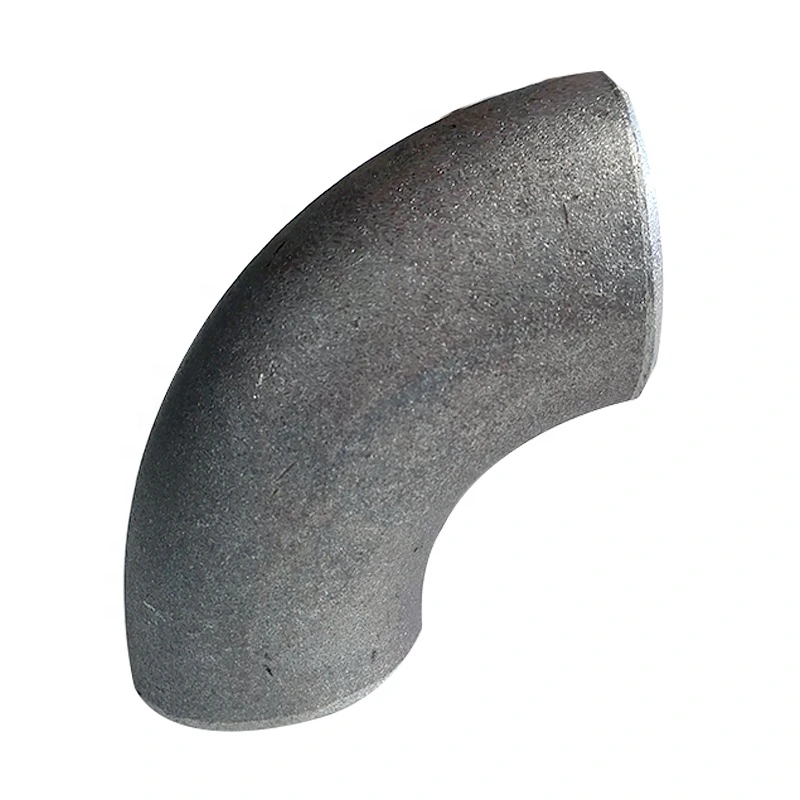
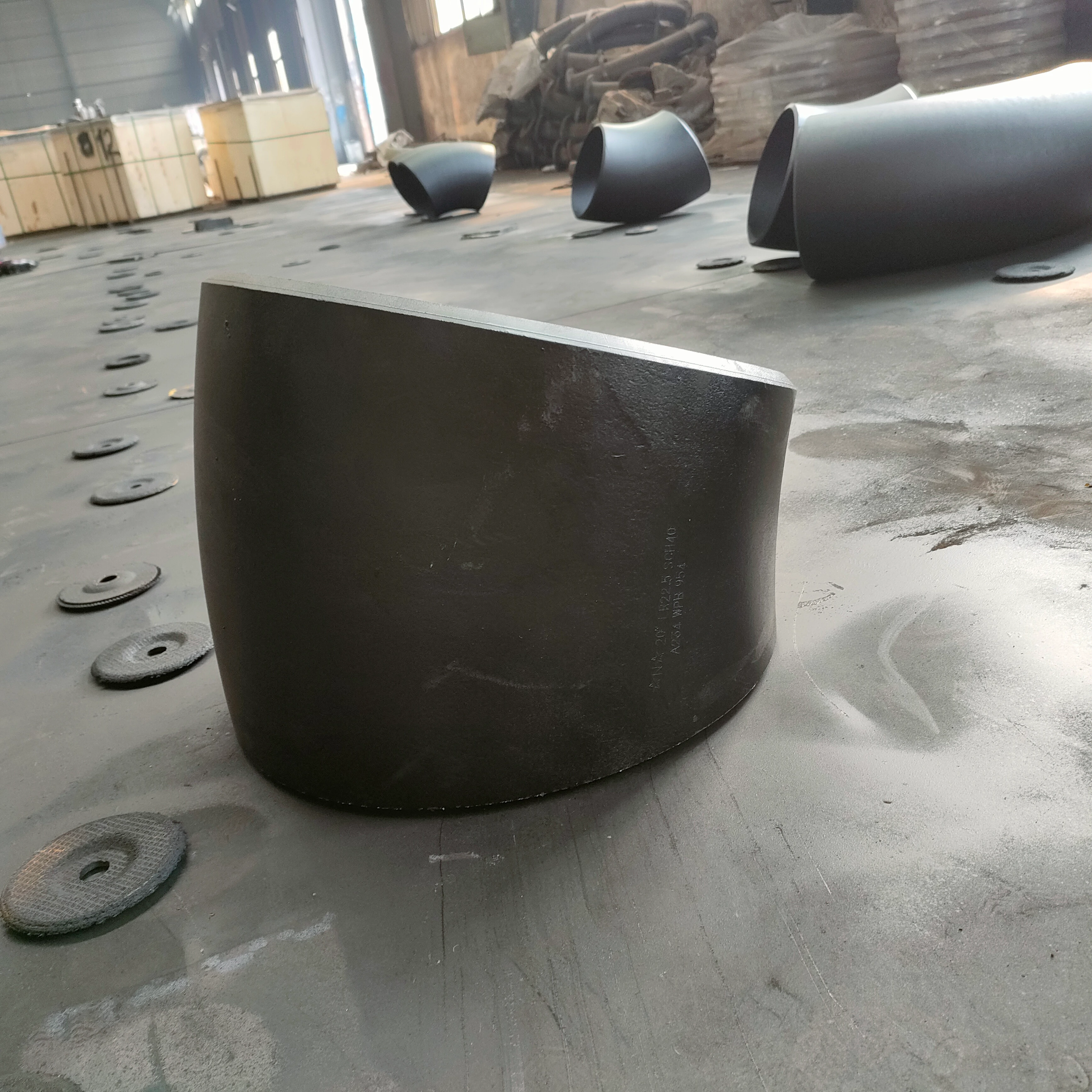
Carbon Steel Pipe Elbow | 45, 90 and 180 Degree Enquiry
For industrial sourcing
Prepare a clearer RFQ
Include the details below so RELIA can understand the part and discuss the next step with you.
- Drawing, sample, or reference standard
- Material grade and preferred process
- Dimensions, tolerances, and surface finish
- Application, target quantity, and destination
Production timing, packing, and shipping terms are confirmed for each project after specifications and trade terms are agreed.
-
warranty1 yearcustomized supportOEM, ODM, OBM
-
TechnicForgedConnectivityWelding
-
shapeEqualhead codeHexagon
-
Surface TreatmentPaintingMounting hole diameter0.2 in
-
Pipe Class1000SizeCustomized Size
-
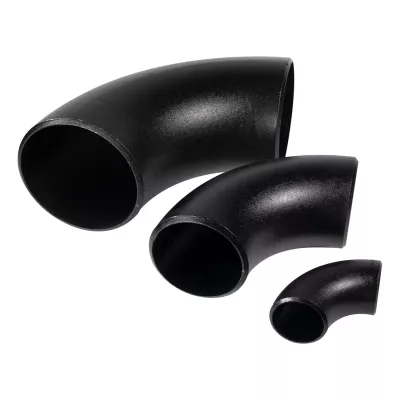
Product nameElbow
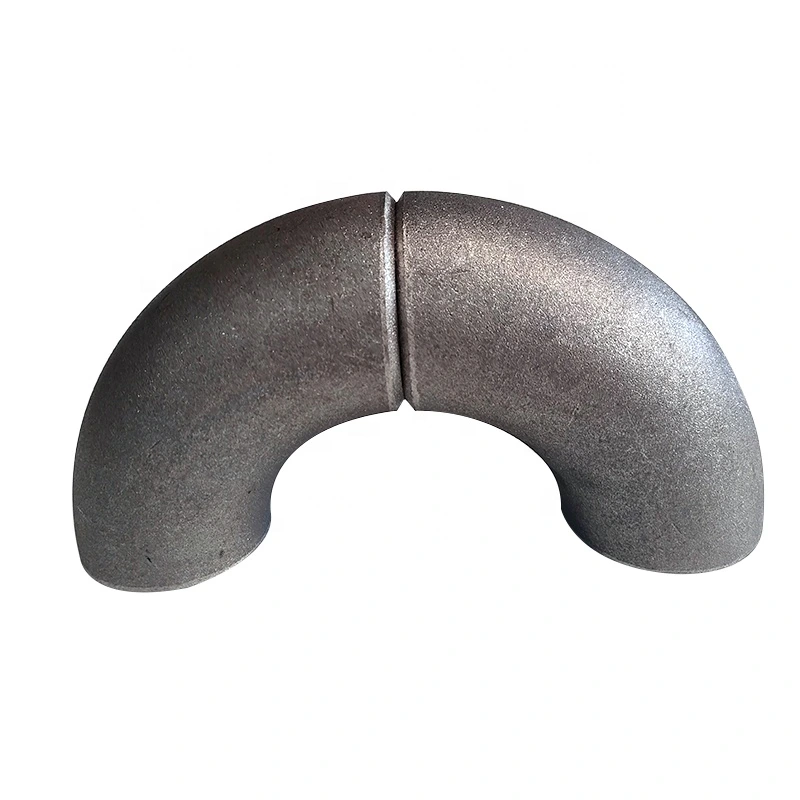
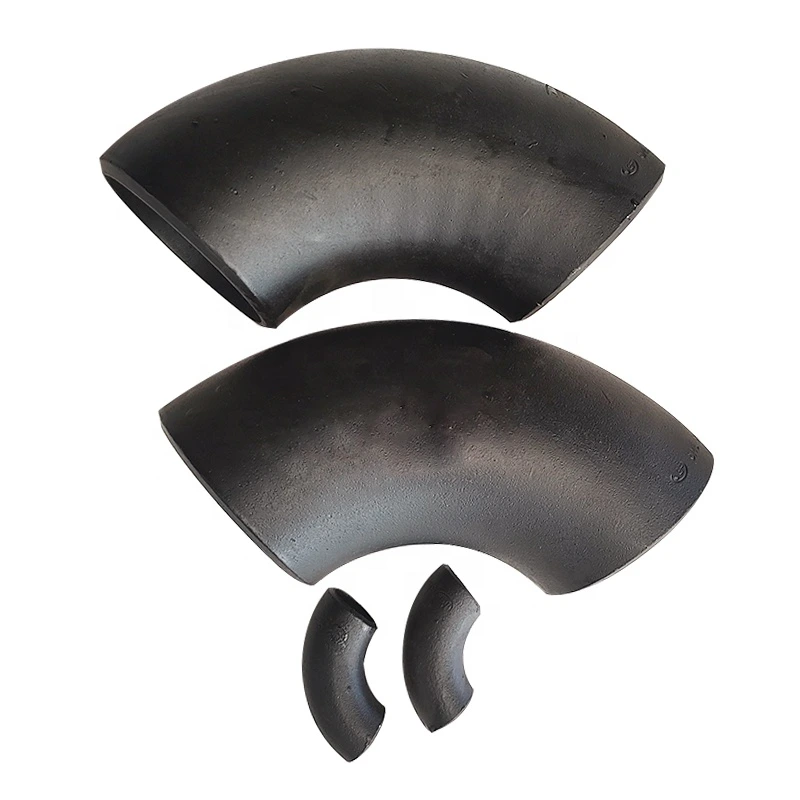
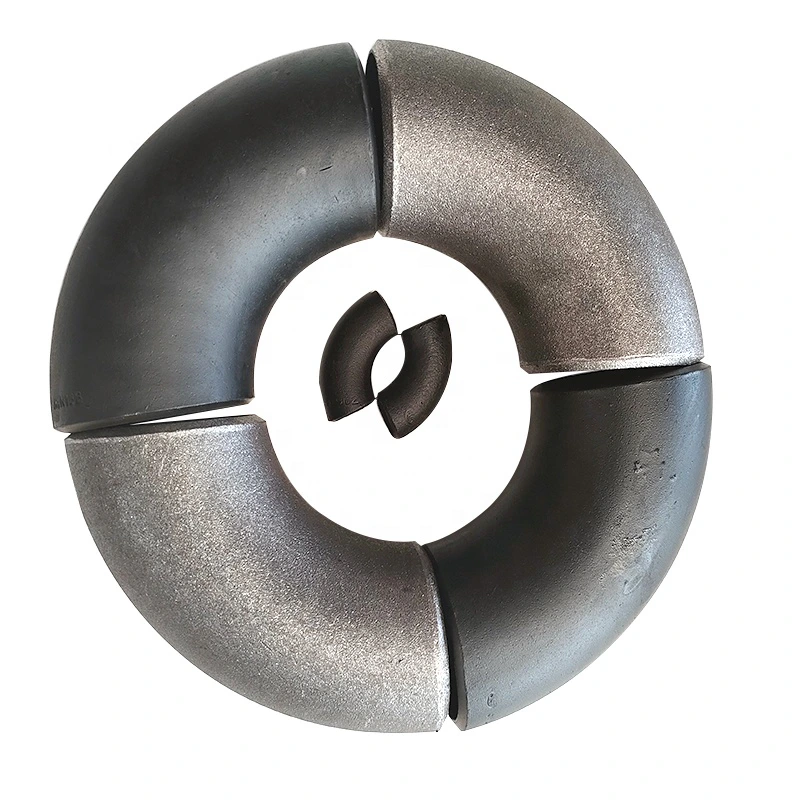
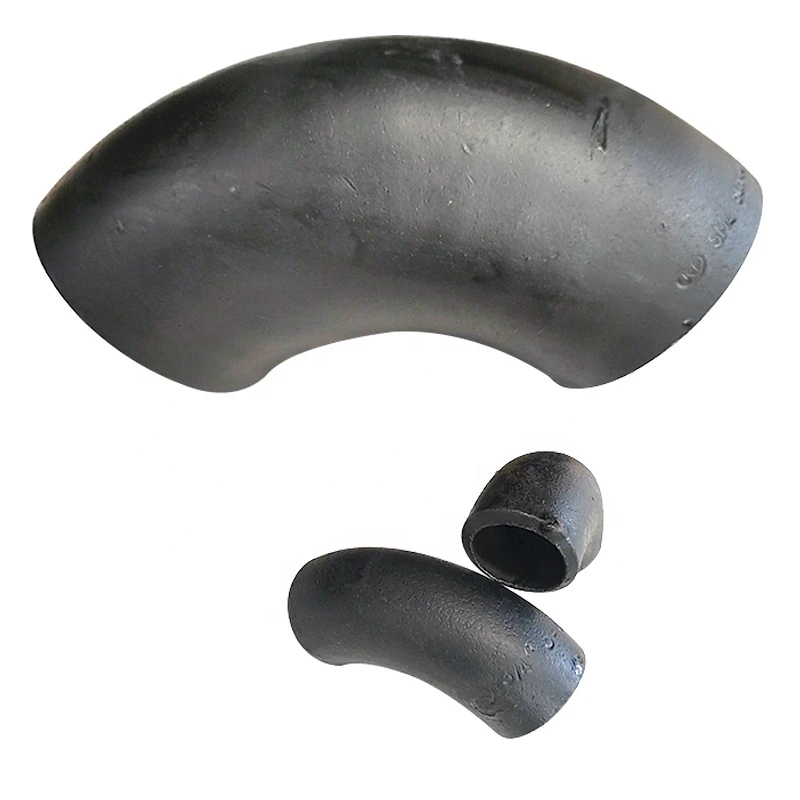
A steel pipe elbow enquiry begins with the required direction change and the route available for the pipeline. Select the angle and bend geometry before comparing material or manufacturing requirements. If the project needs a return arrangement, identify exactly how the proposed components form that arrangement so the complete assembly can be reviewed.
Choose the Angle and Identify Every Component
State whether the design requires a 45-, 90- or 180-degree direction change, then request a drawing of the selected proposal. Specify the bend radius and relevant end-to-centre dimensions. For a return requirement, establish whether the proposal consists of one component or joined components; identify every joint and include it in the fabrication review. The presence of several angle terms in an enquiry does not define a model for each angle.
Fit the End Geometry to the Planned Pipe Route
Provide the nominal size, mating outside diameter and wall thickness at both ends. Define weld preparation and compare the proposed geometry with available clearance, pipe alignment and support requirements. Name the exact steel grade and requested manufacturing route. Where seamless construction is required, obtain production documentation for the selected component rather than relying on surface appearance. Any coating or special mounting requirement should also be identified on the drawing and specification.
Review the Duty of the Complete Bend Arrangement
Identify the governing dimensional and pressure-design standards and state the fluid, operating pressure and temperature. Include relevant operating changes and the joint requirements that apply to the assembly. Request material, manufacturing and design records covering the proposed configuration. An isolated class number cannot establish the pressure capability of the fitting or its joints. Complete the enquiry with the angle, radius, component arrangement, end dimensions and qualified service scope so the intended direction change can be assessed as a complete pipeline detail.
Technical information for every product inquiry
Prepare the requirement before final product confirmation.
The product page is a starting point. Drawings, samples, interfaces, materials, quantities and acceptance requirements are reviewed before stock matching or custom production is confirmed.
Discuss this product in your project context.
Share the available drawing, sample, reference, target quantity and application information. Unknown items can remain open for review.