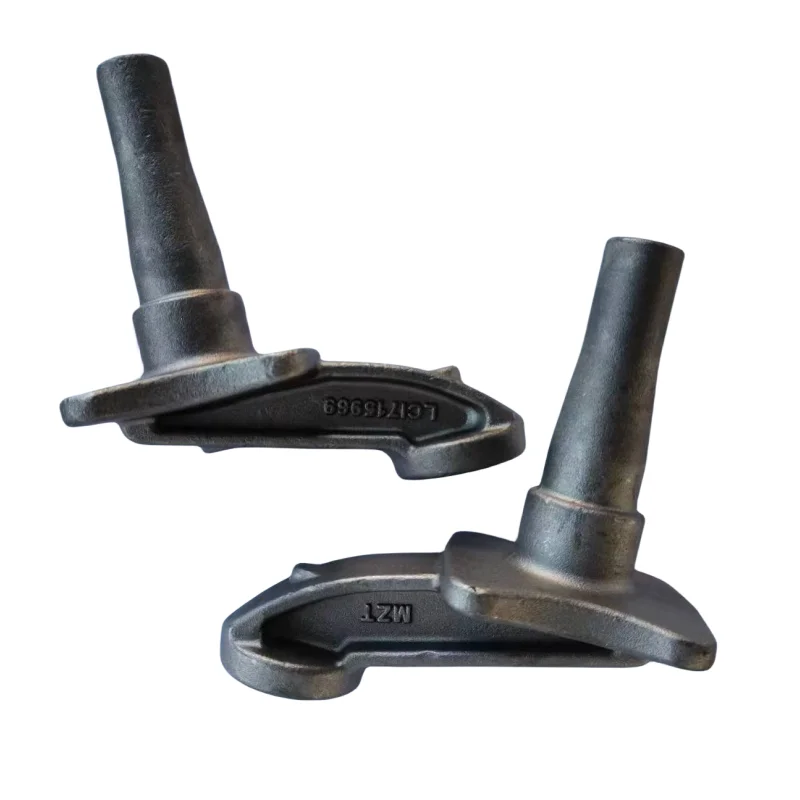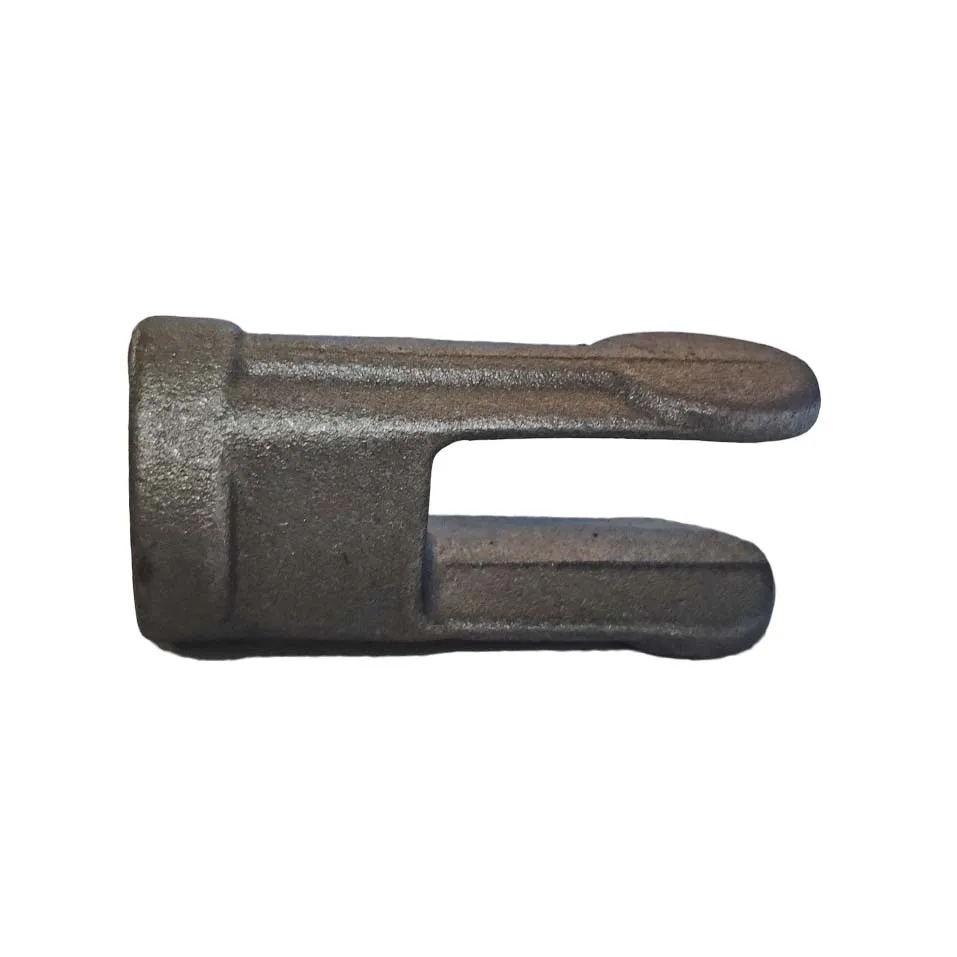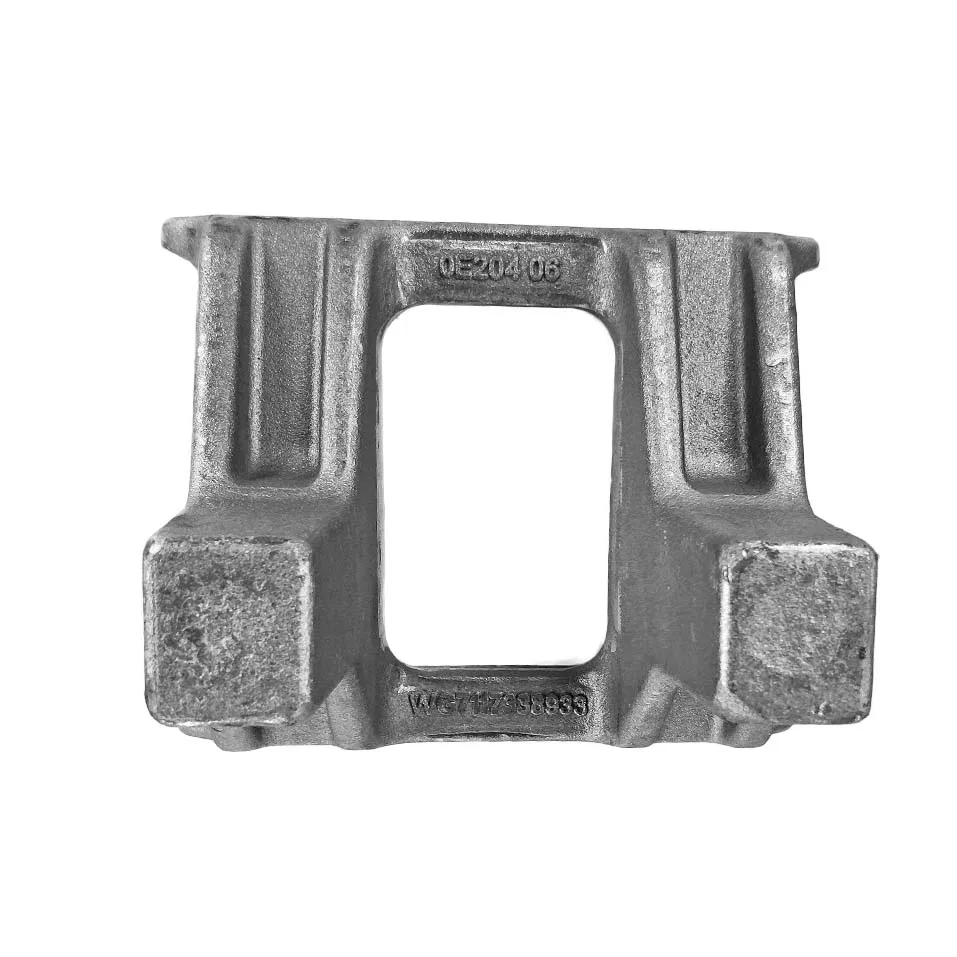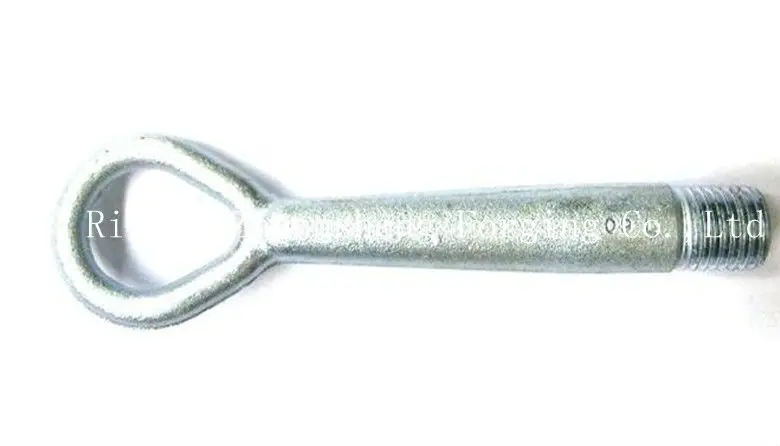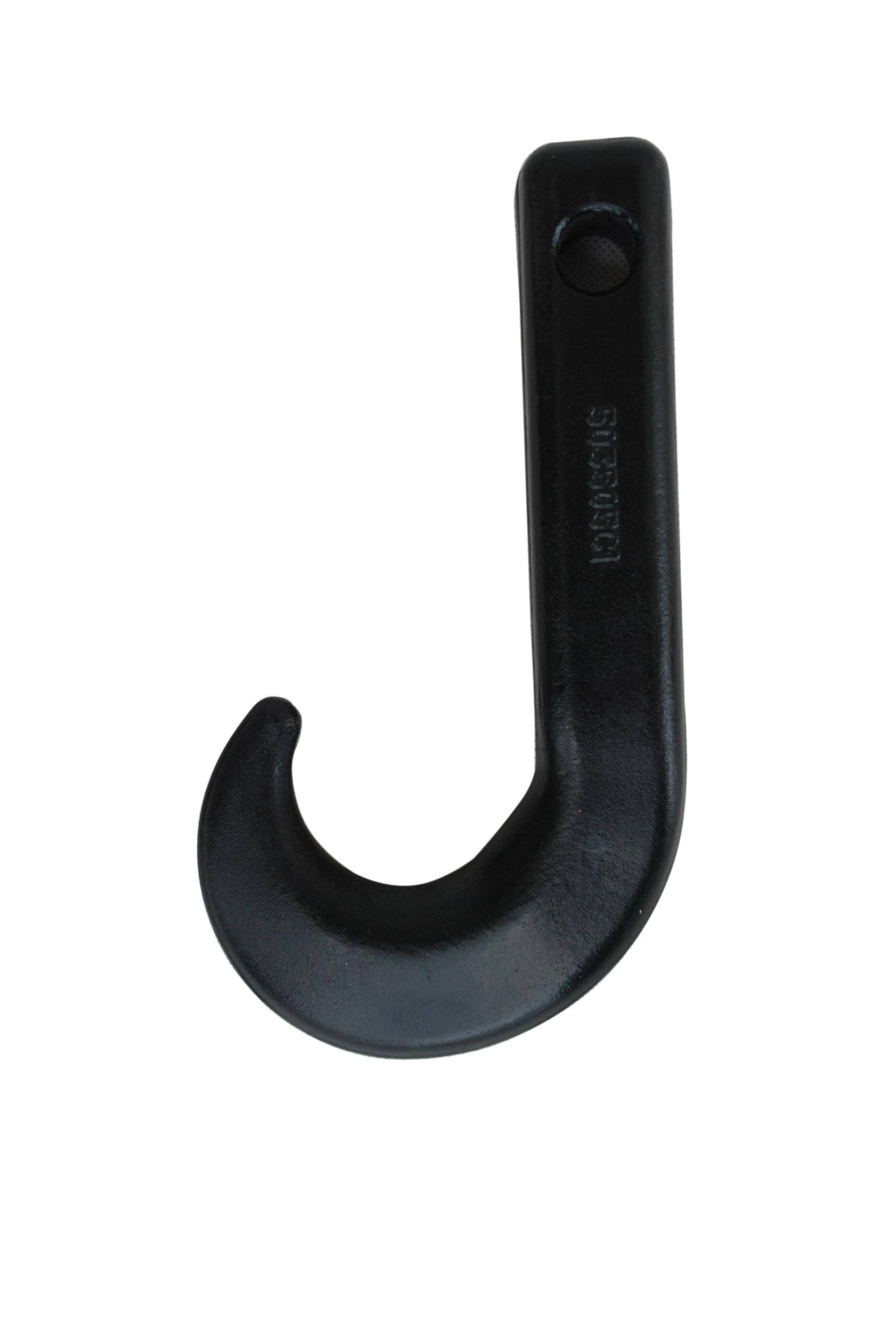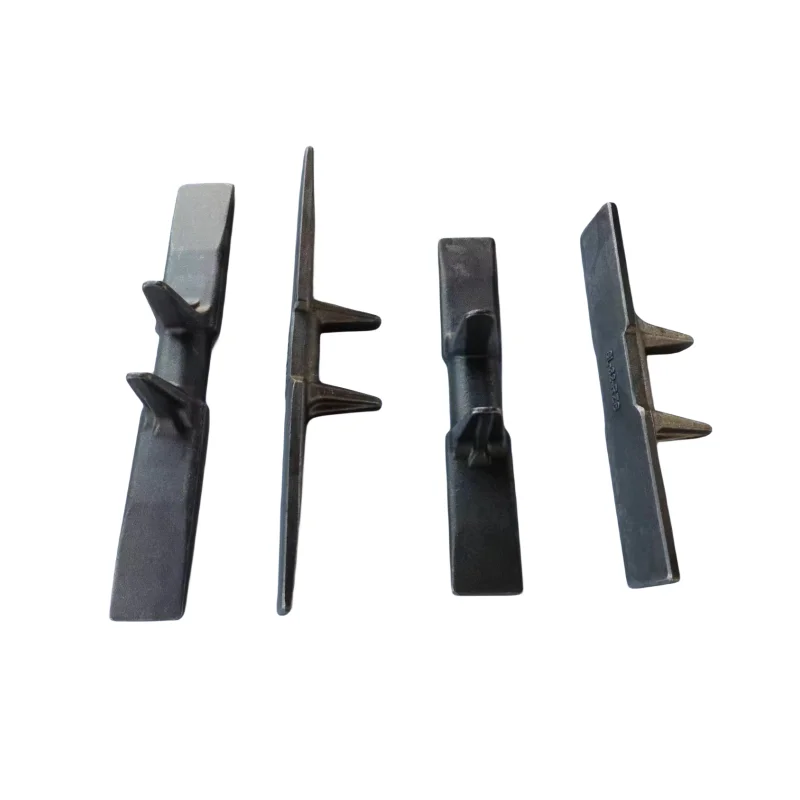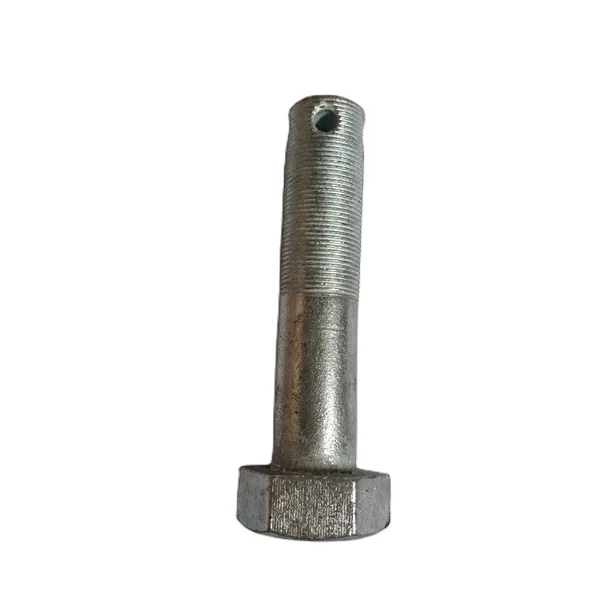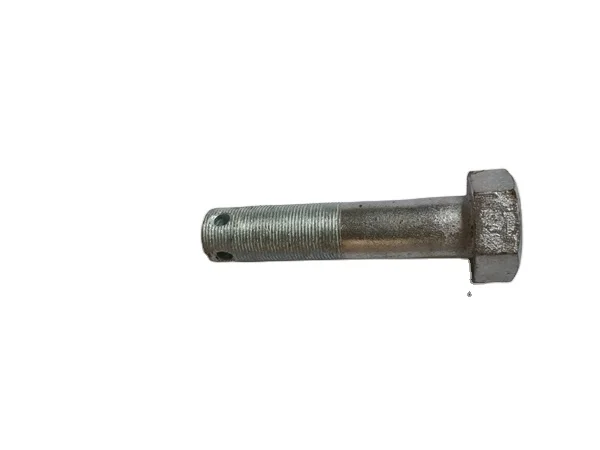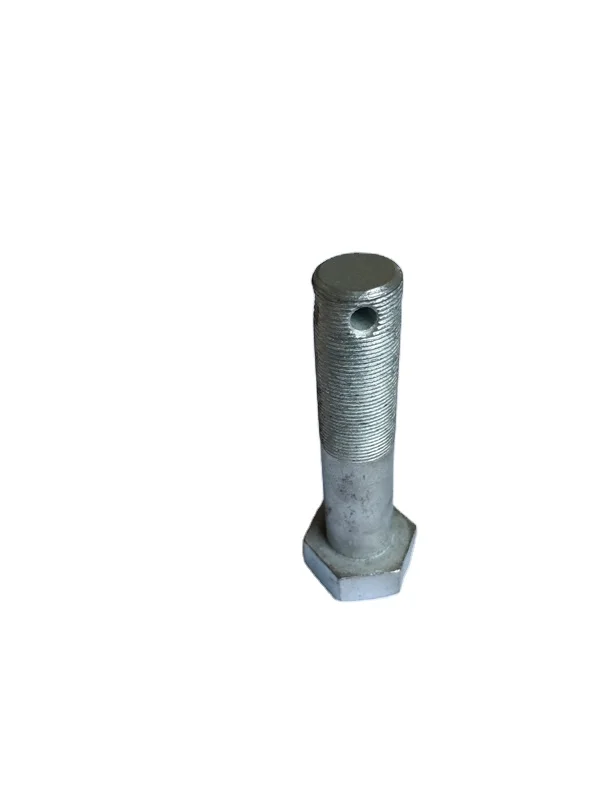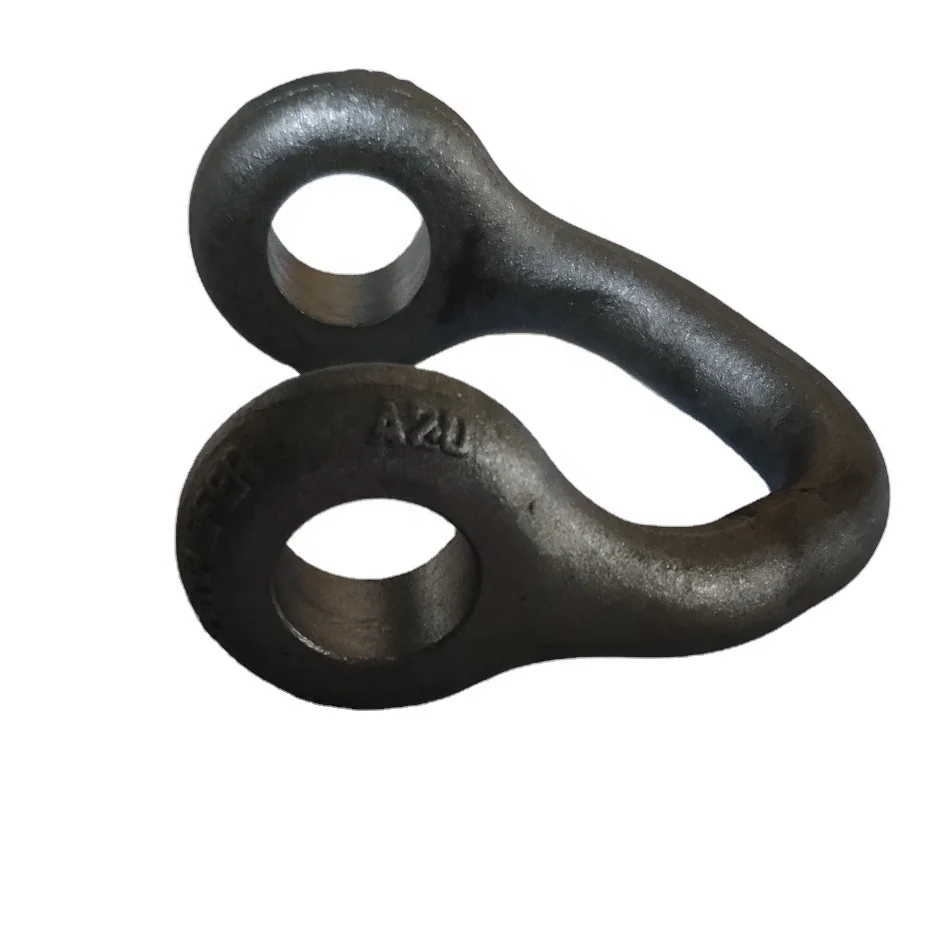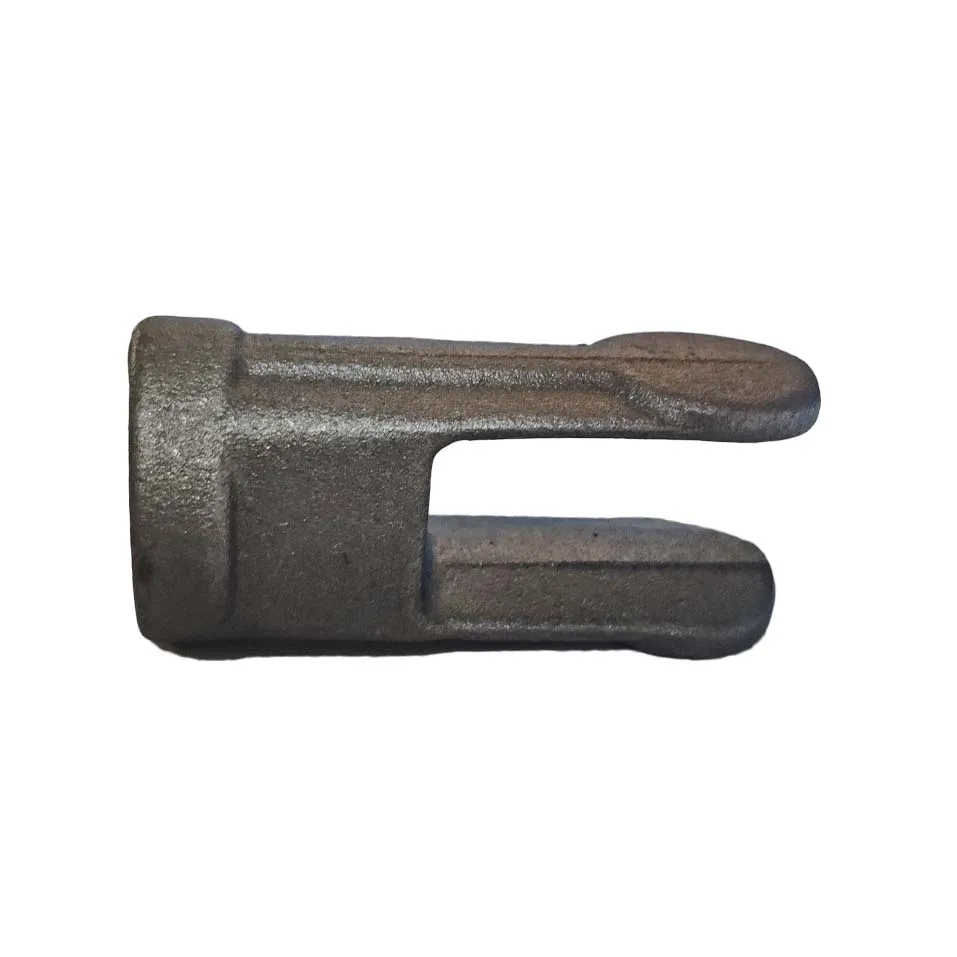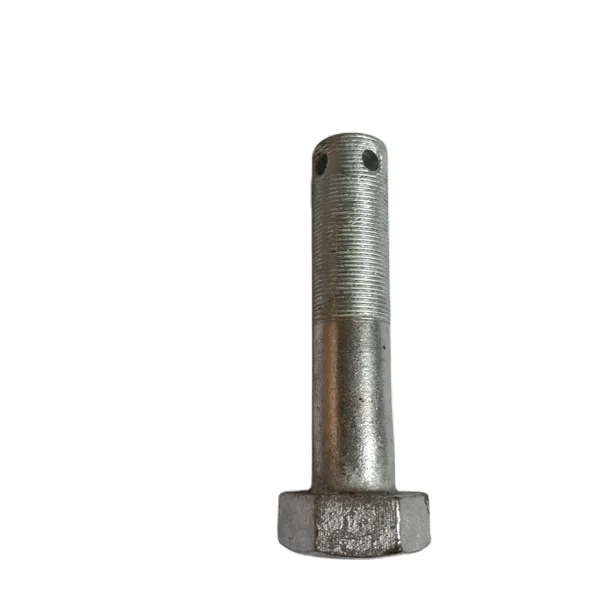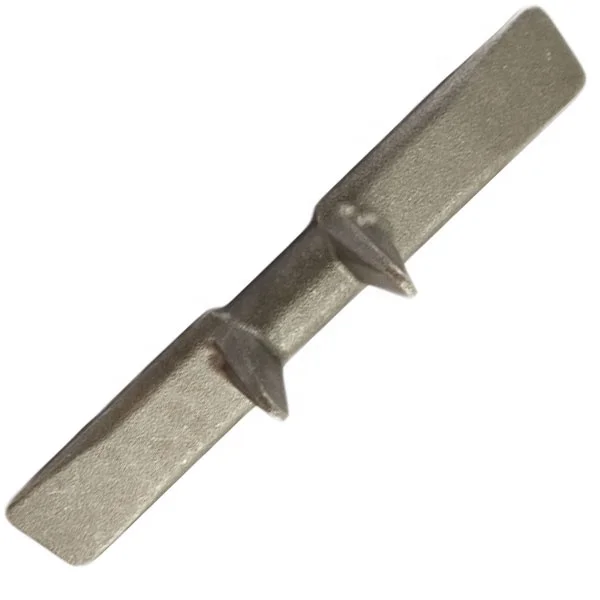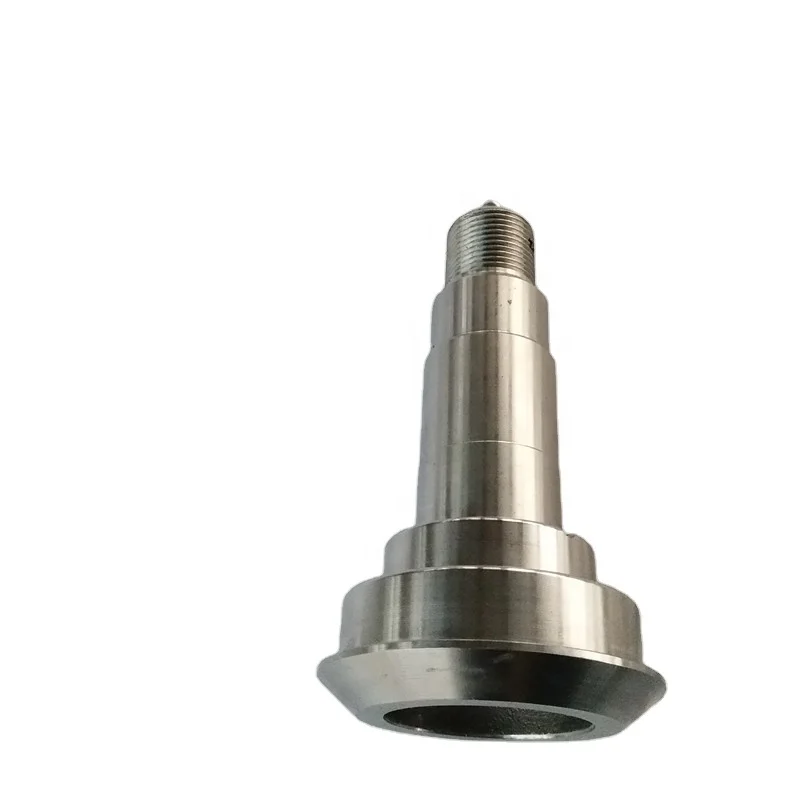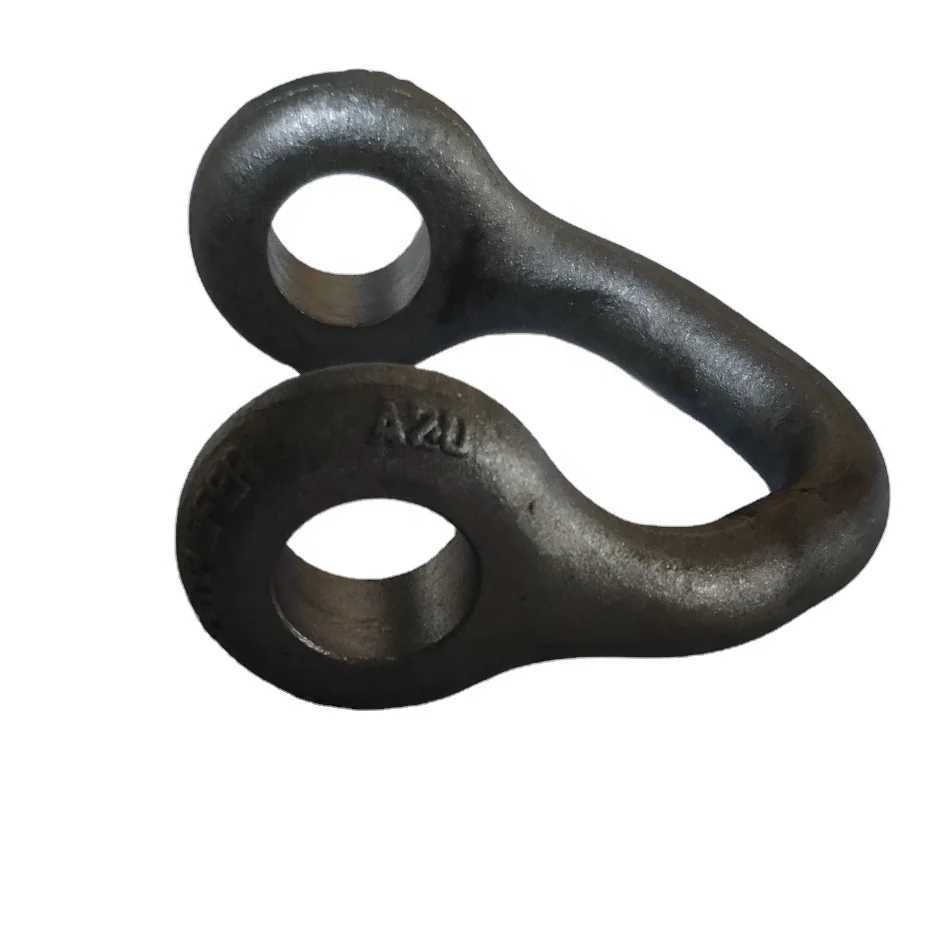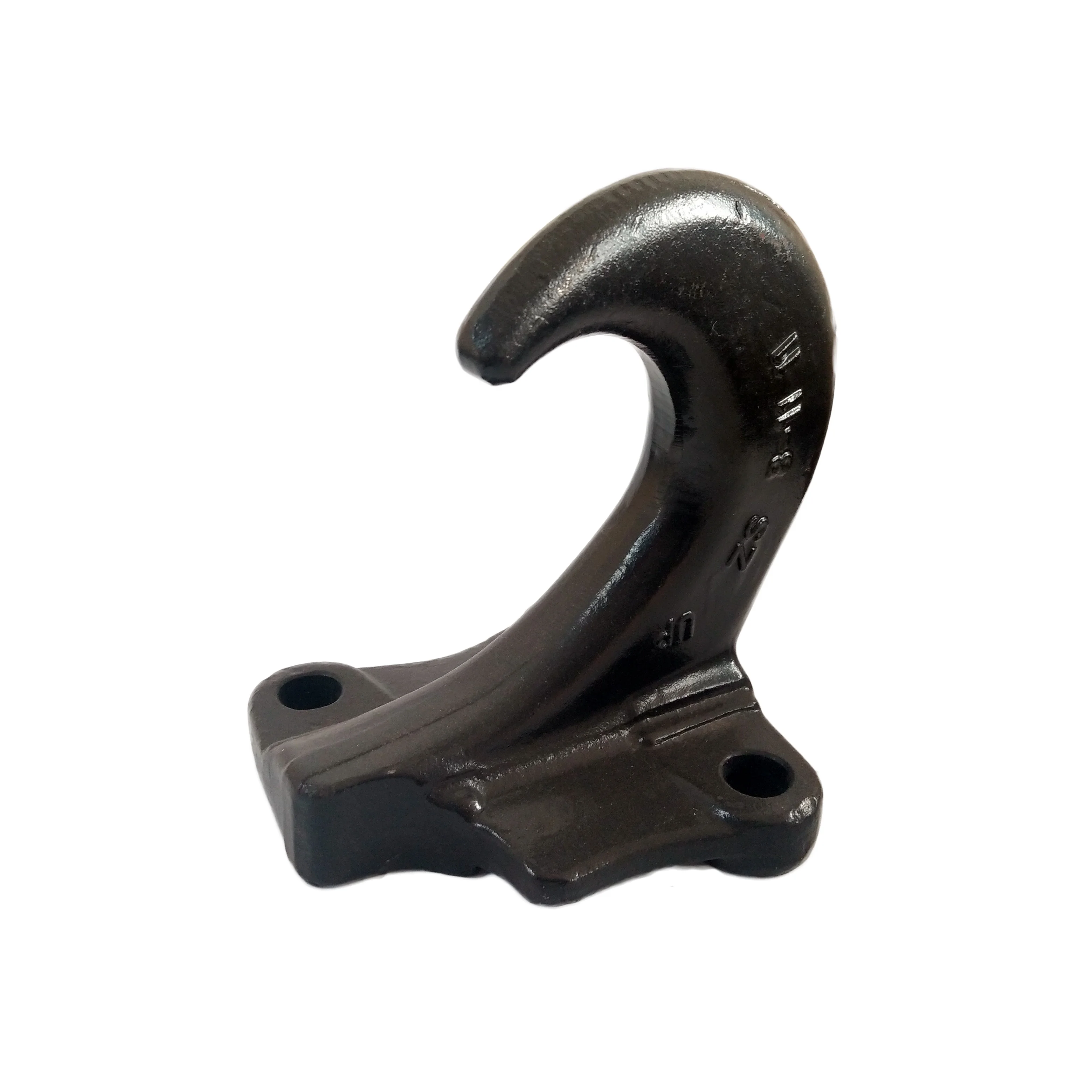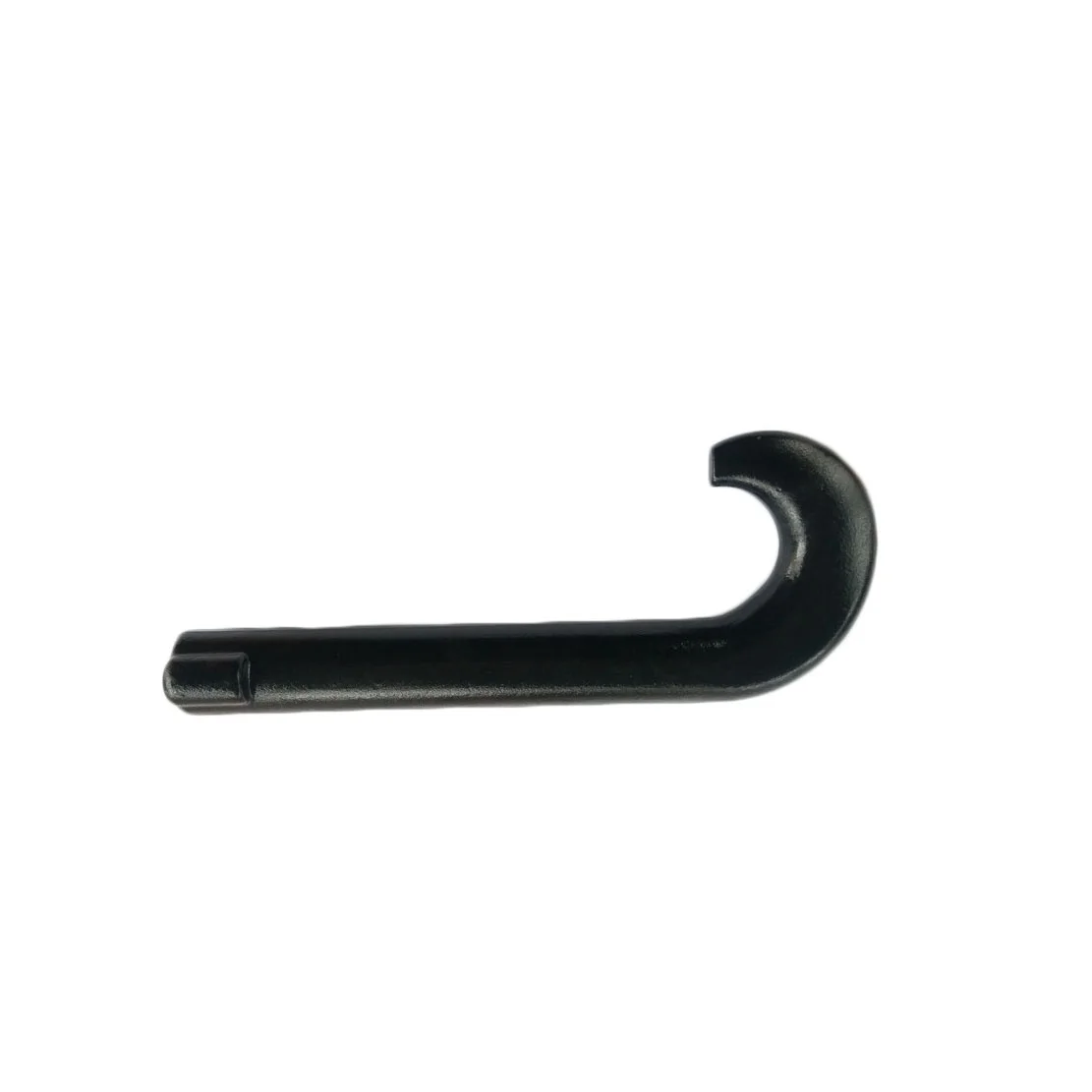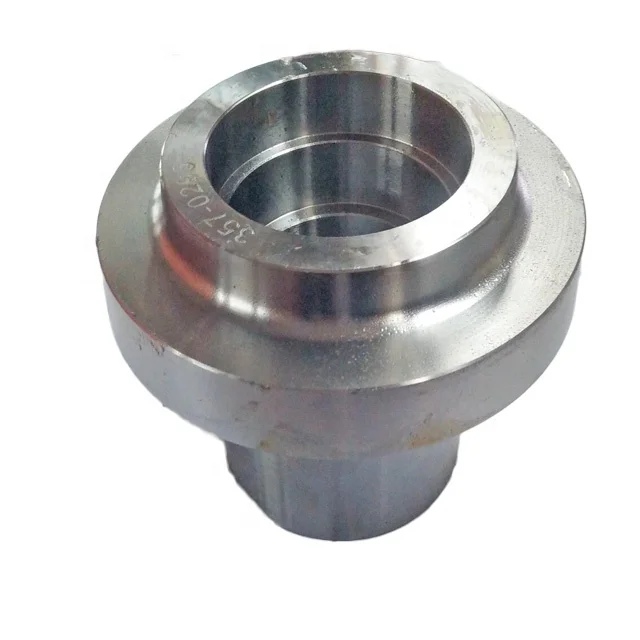
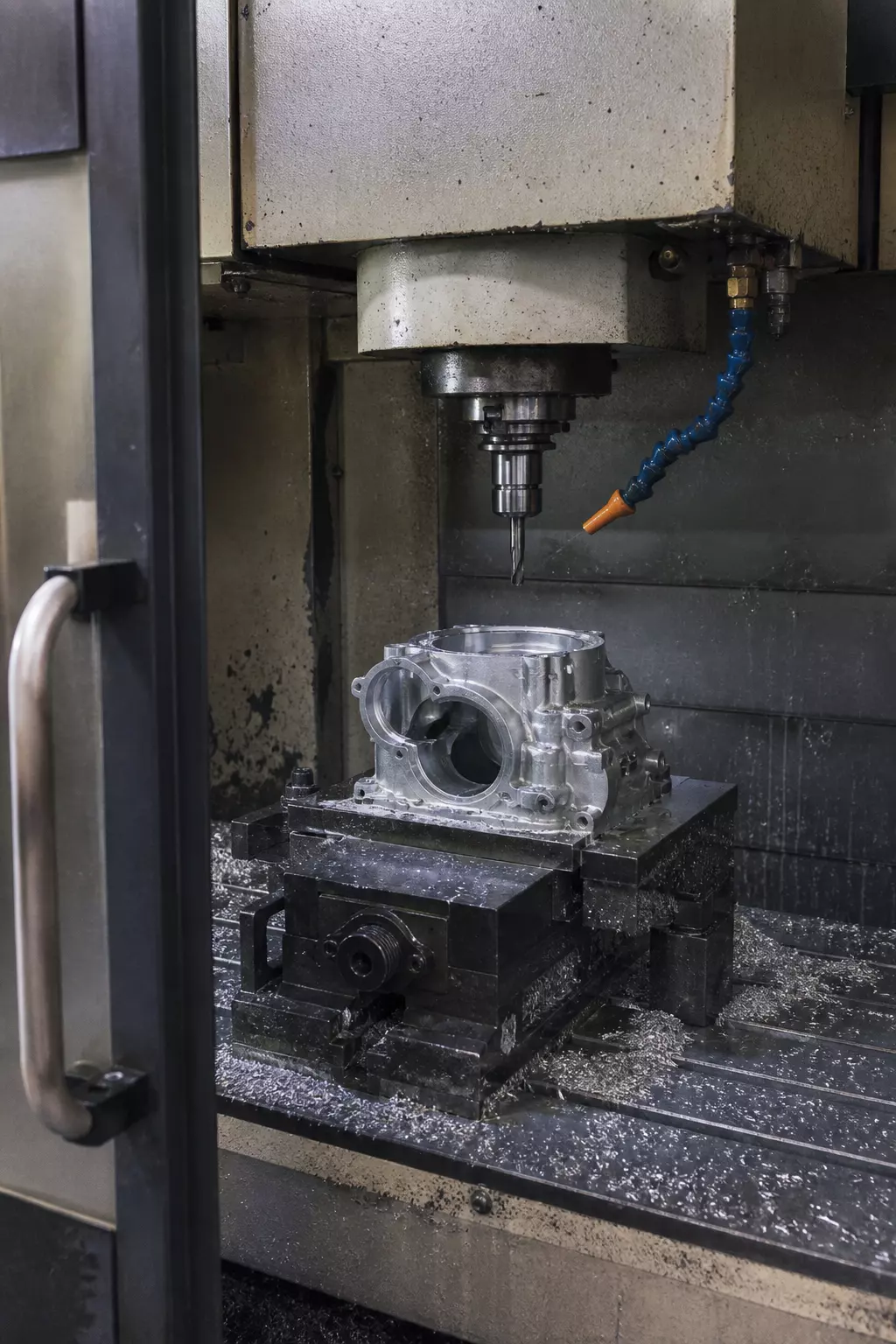
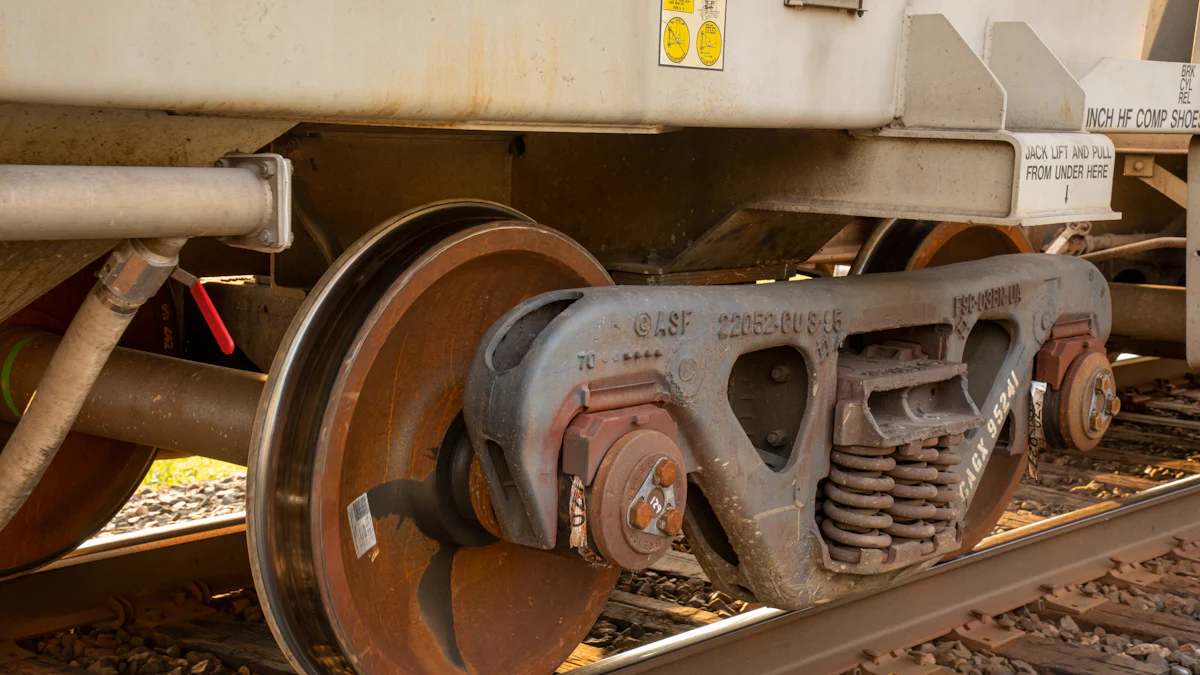
OEM factory direct sales play a critical role in the train industry by offering high-quality forging and torsion parts directly from manufacturers. This approach eliminates unnecessary intermediaries, ensuring you receive cost-effective solutions tailored to your needs. These parts are essential for maintaining train safety, enhancing performance, and ensuring long-term reliability. By sourcing directly from an OEM factory, you gain access to advanced manufacturing processes and strict quality control measures, which are vital for the demanding conditions of modern rail systems.
Key Takeaways
-
Buying straight from OEM factories saves money by skipping middlemen.
-
OEM factories make custom parts to fit your exact needs.
-
Special methods like hot die forging make train parts stronger.
-
Certified OEM factories follow global safety rules for safer train parts.
-
Talking directly to OEM factories solves problems faster and avoids delays.
Benefits of OEM Factory Direct Sales
Cost Savings
Eliminating intermediaries
By purchasing directly from an OEM factory, you bypass intermediaries that often inflate costs. This direct connection allows you to negotiate better terms and ensures that your budget is allocated to the actual production of high-quality train parts. Reducing the number of vendors also simplifies your procurement process, saving time and resources.
-
Long-term cost savings become achievable when you focus on efficiency rather than just upfront prices.
-
Lean manufacturing practices at OEM factories enhance productivity and reliability, further reducing expenses.
-
A streamlined supply chain lowers operational costs, making your investment more sustainable.
Competitive pricing
OEM factory direct sales provide competitive pricing by leveraging economies of scale and advanced manufacturing techniques. Factories often use cutting-edge processes like hot die forging and precision machining, which optimize material usage and minimize waste. These efficiencies translate into cost-effective solutions for your train parts without compromising quality.
Streamlined Supply Chain
Faster delivery
OEM factories operate with a direct-to-customer approach, which accelerates the delivery process. Without intermediaries, your orders move swiftly from production to shipment. This efficiency ensures that you receive critical components on time, reducing downtime and keeping your operations running smoothly.
Simplified logistics
Managing fewer suppliers simplifies your logistics. OEM factories often handle packaging, shipping, and compliance with international standards, such as IATF16949:2016 certification. This comprehensive service reduces the complexity of your supply chain, allowing you to focus on other operational priorities.
Customization and Support
Tailored solutions for train parts
OEM factories excel in providing customized solutions to meet your specific requirements. Whether you need components made from cast steel, aluminum, or iron, these factories can deliver parts based on your drawings and specifications.
|
Feature |
Details |
|---|---|
|
Type |
Casting Stainless Steel and Aluminum Train Parts |
|
Material |
Cast Steel, Cast Iron, Aluminum |
|
Dimensions |
Customer's Drawings |
|
Process |
Casting |
|
Tolerance |
Controlled by ISO 8006 CT4-6 |
|
Application |
Train |
|
Surface |
Anodization |
|
Weight Ranges |
0.1kg-100kg |
|
Standards |
ASTM, DIN, JIS, ISO, GB standards |
|
Quality Control |
Material, Dimension, Performance, inside defects, Balance test |
|
Design Support |
Pro-E, UG, SolidWorks, AutoCad, PDF |
Direct problem resolution
When you work directly with an OEM factory, you gain access to immediate support for any issues. This direct line of communication ensures that problems are resolved quickly, minimizing disruptions to your operations. The factory's expertise in train parts allows them to provide precise solutions tailored to your needs.
Quality and Reliability of Forging and Torsion Parts
Advanced Manufacturing Processes
Hot die forging and friction presses
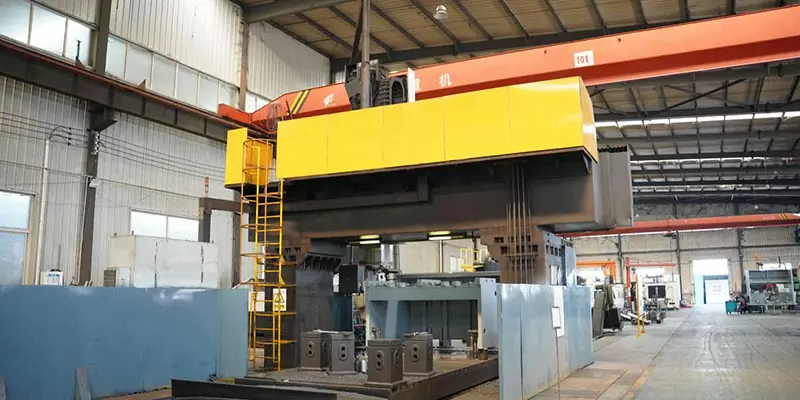
Advanced manufacturing processes like hot die forging ensure the production of high-quality train parts. This method involves heating metal to high temperatures, making it malleable and easier to shape. The process creates a tightly packed grain structure, which enhances the material's strength and durability. Parts produced through hot die forging exhibit exceptional mechanical properties, including high strength and toughness. Friction presses further refine the manufacturing process by applying consistent pressure, ensuring precision and uniformity in every component. These techniques guarantee that the forging and torsion parts meet the rigorous demands of the train industry.
Precision in torsion part production
Precision is critical when manufacturing torsion parts for trains. OEM factories utilize cutting-edge machinery and advanced techniques to achieve exact specifications. This level of accuracy ensures that torsion parts perform optimally under stress, maintaining the safety and stability of train systems. By focusing on precision, you can rely on these components to deliver consistent performance over time.
Durability and Performance
Resistance to wear and stress
Forging and torsion parts must withstand extreme conditions, including heavy loads and constant motion. The manufacturing processes used by OEM factories enhance the resistance of these parts to wear and stress. This durability reduces the risk of failure, ensuring the safety and reliability of train operations.
Longevity under demanding conditions
Train components operate in challenging environments, from high-speed rail systems to freight trains carrying heavy cargo. Forged parts are designed to endure these conditions without compromising performance. Their longevity minimizes the need for frequent replacements, reducing maintenance costs and downtime.
Compliance with Standards
International safety certifications
Compliance with international safety certifications is essential for forging and torsion parts. Certifications like the International Railway Industry Standard (IRIS) ensure that these components meet the specific requirements of the railway industry. IRIS, based on ISO/TS 22163, has been mandatory for the rolling stock and signaling sectors since 2009. Adhering to such standards guarantees the safety and reliability of train parts.
Rigorous testing and inspections
OEM factories conduct rigorous testing and inspections to ensure the quality of their products. These measures prevent defects and enhance performance consistency. Compliance with international standards also facilitates access to global markets, improving your ability to source high-quality train parts. Certified products are perceived as more reliable, increasing business opportunities and partnerships.
By choosing OEM Factory Direct Sales, you gain access to durable, high-performing forging and torsion parts that comply with global standards. These components play a vital role in ensuring the safety and efficiency of modern rail systems.
Applications in Train Components
Key Components
Wheels, axles, and torsion arms
Forging and torsion parts are essential for critical train components like wheels, axles, and torsion arms. These parts endure immense pressure and constant motion, making durability and precision vital. Forged wheels and axles provide the strength needed to support heavy loads while maintaining stability. Torsion arms, crafted with advanced manufacturing techniques, ensure smooth suspension and reduce vibrations during operation. By sourcing these components through OEM Factory Direct Sales, you gain access to high-quality parts that meet the rigorous demands of the railway industry.
Suspension and coupling systems
Suspension and coupling systems rely heavily on forged parts for optimal performance. Forged suspension components absorb shocks and maintain balance, ensuring passenger comfort and cargo safety. Coupling systems, which connect train cars, require robust torsion parts to handle dynamic forces. These systems benefit from the precision and strength of forged materials, reducing the risk of mechanical failure and enhancing overall reliability.
Enhancing Train Performance
Improving safety and stability
Forging and torsion parts play a crucial role in improving train safety and stability. High-strength axles and wheels reduce the likelihood of derailments, while torsion arms enhance suspension performance. These components ensure that trains operate smoothly, even under challenging conditions. By investing in quality parts, you prioritize the safety of passengers and cargo.
Reducing maintenance costs
Durable forging and torsion parts minimize wear and tear, reducing the frequency of repairs. Long-lasting components lower maintenance costs and extend the lifespan of train systems. This reliability translates into fewer disruptions and improved operational efficiency, saving you time and resources.
Role in Modern Rail Technology
High-speed train compatibility
Modern high-speed trains demand components that can withstand extreme forces and high velocities. Forged wheels and axles, designed with precision, ensure stability and safety at high speeds. Torsion parts contribute to smooth suspension, enhancing passenger comfort. These advanced components enable high-speed trains to achieve exceptional performance without compromising safety.
Contribution to energy efficiency
Forging and torsion parts also support energy efficiency in rail systems. Lightweight yet durable materials reduce energy consumption by lowering the overall weight of the train. Efficient suspension systems, made possible by precision-engineered torsion parts, further optimize energy use. These innovations align with the industry's push toward sustainable and eco-friendly transportation solutions.
Forging and torsion parts are indispensable in modern rail systems. Their applications in key components, performance enhancement, and advanced rail technology demonstrate their value. By choosing OEM Factory Direct Sales, you ensure access to reliable, high-quality parts that meet the evolving needs of the railway industry.
Choosing the Right OEM Factory
Certifications and Standards
Importance of ISO certifications
Certifications like ISO are critical when selecting an OEM factory. They demonstrate a factory's commitment to maintaining high-quality standards and adhering to global best practices. For example, ISO 9001 ensures that the factory follows a robust quality management system. This certification guarantees that the manufacturing process consistently produces reliable train parts. By choosing a certified factory, you reduce the risk of receiving subpar components, ensuring your train systems operate safely and efficiently.
Ensuring compliance with regulations
Regulatory compliance is non-negotiable in the railway industry. Factories adhering to certifications such as IATF16949:2016 meet stringent automotive and railway standards. These regulations ensure that the parts are safe, durable, and environmentally friendly. Working with a compliant OEM factory minimizes legal risks and ensures that your train parts meet international safety and performance benchmarks.
Experience and Expertise
Proven track record in train parts
An OEM factory with a proven track record offers reliability and expertise. Experienced manufacturers understand the unique challenges of producing train components. They have a history of delivering high-quality parts that meet industry demands. Their familiarity with advanced manufacturing techniques ensures that you receive components designed for optimal performance and longevity.
Use of advanced technologies
Experienced OEM factories leverage cutting-edge technologies to enhance production efficiency and quality. These technologies include:
|
Technology Type |
Description |
|---|---|
|
Electronic Transport Monitoring |
High-technology electronic transport monitoring and control systems for the railway industry. |
|
Programmable Logic Controllers (PLCs) |
Custom solutions and specialty products designed for the rail industry. |
|
Wi-Fi Connectivity |
PC3 programmable controllers with Wi-Fi for smartphone and tablet monitoring and control. |
|
Custom Solutions |
Turnkey solutions tailored to specific customer needs in railway subsystems. |
These innovations ensure precision, reduce production errors, and improve the overall quality of train parts.
Customer Feedback
Importance of reviews and testimonials
Customer feedback provides valuable insights into an OEM factory's performance. Reviews and testimonials highlight the factory's strengths and areas for improvement. Positive feedback from long-term clients indicates consistent quality and reliability. By evaluating customer experiences, you can make informed decisions and choose a factory that aligns with your expectations.
Long-term client relationships
Building strong relationships with an OEM factory offers long-term benefits. Regular collaboration fosters transparency and trust. Factory visits allow you to observe the production process, reinforcing confidence in the factory's commitment to quality. Over time, these partnerships lead to improved customer satisfaction. Satisfied clients often return for repeat business, creating a mutually beneficial relationship. Additionally, a proactive approach to quality control ensures that products meet high standards, reducing defects and enhancing reliability.
Selecting the right OEM factory is crucial for ensuring the success of your train systems. By prioritizing certifications, experience, and customer feedback, you can partner with a factory that delivers high-quality components tailored to your needs.
OEM factory direct sales offer numerous advantages for forging and torsion parts. These include cost savings, enhanced quality, and tailored solutions that meet your specific needs. By working directly with manufacturers, you gain access to improved quality control systems, reduced risks, and time-saving production processes. These benefits ensure that your train components meet the highest standards, enhancing safety and performance.
The critical role of forging and torsion parts in train systems cannot be overstated. They contribute to passenger safety, operational stability, and reduced maintenance costs. Choosing the right OEM factory ensures that your components align with industry standards while supporting sustainable and efficient manufacturing practices. Evaluate potential partners carefully to secure the best outcomes for your rail systems.
|
Benefit |
Description |
|---|---|
|
Enhanced Customer Satisfaction |
Partnering with OEMs ensures products meet quality standards, leading to improved customer satisfaction and loyalty. |
|
Environmentally Friendly |
OEMs typically have a lower carbon footprint and produce less waste, making them a more sustainable choice. |
|
Economic Benefits |
Supporting OEMs helps stimulate the local economy and create jobs, benefiting the community as a whole. |
|
Time Savings |
Working with OEMs allows businesses to focus on core activities while experts handle production efficiently. |
|
Risk Reduction |
OEMs help identify potential issues early in the design and manufacturing process, reducing risks associated with new product launches. |
|
Improved Quality Control |
OEMs assist in developing quality control systems to ensure products meet standards, minimizing defects and customer dissatisfaction. |
By leveraging OEM factory direct sales, you ensure access to high-quality, reliable forging and torsion parts that enhance the safety and efficiency of your train systems.
FAQ
What does "OEM Factory Direct Sales" mean?
OEM factory direct sales involve purchasing products directly from the original equipment manufacturer. This eliminates intermediaries, ensuring cost savings, faster delivery, and better customization options for your train parts.
Why are forging and torsion parts critical for trains?
Forging and torsion parts provide strength, durability, and precision. These qualities ensure train components like wheels, axles, and suspension systems perform reliably under demanding conditions, enhancing safety and reducing maintenance costs.
How do OEM factories ensure product quality?
OEM factories follow strict quality control measures, including compliance with certifications like IATF16949:2016. They conduct rigorous testing, inspections, and use advanced manufacturing techniques like surface hardening and hot die forging to meet industry standards.
Can OEM factories customize train parts?
Yes, OEM factories offer customized solutions based on your drawings and specifications. They can produce parts in various materials, such as steel or cast iron, and provide services like surface hardening and anodization for enhanced performance.
What certifications should I look for in an OEM factory?
Look for certifications like IATF16949:2016 and ISO 9001. These demonstrate the factory's commitment to quality, safety, and regulatory compliance, ensuring reliable and durable train components.