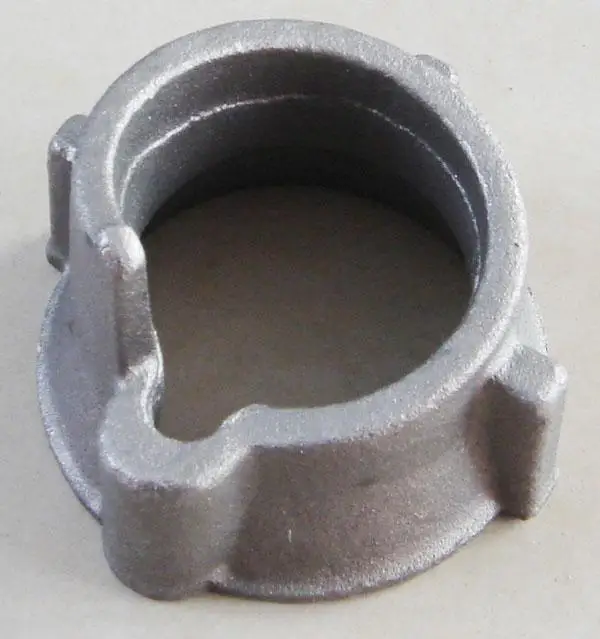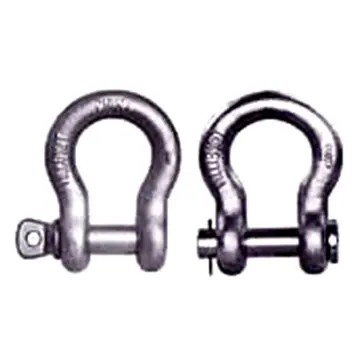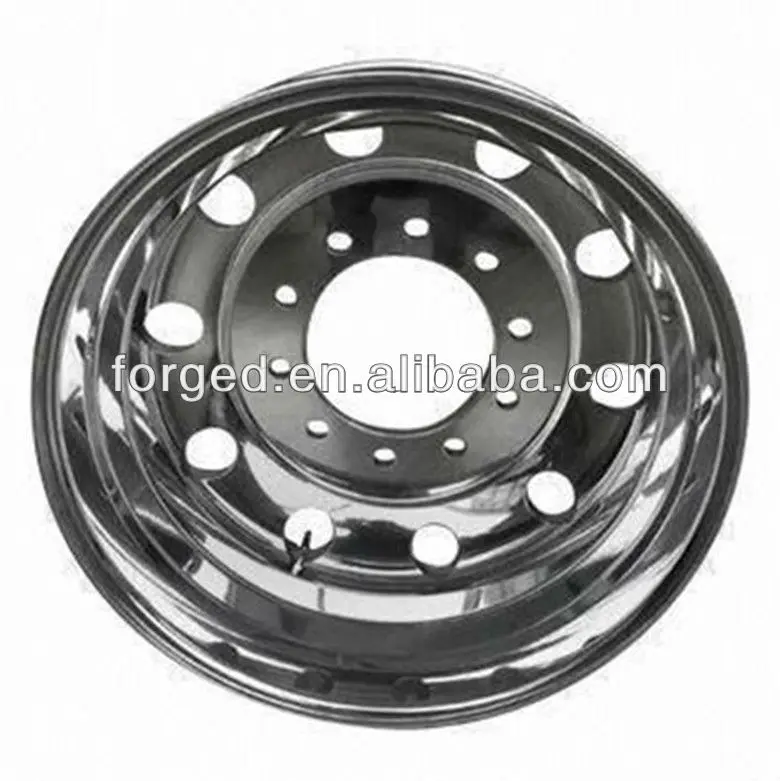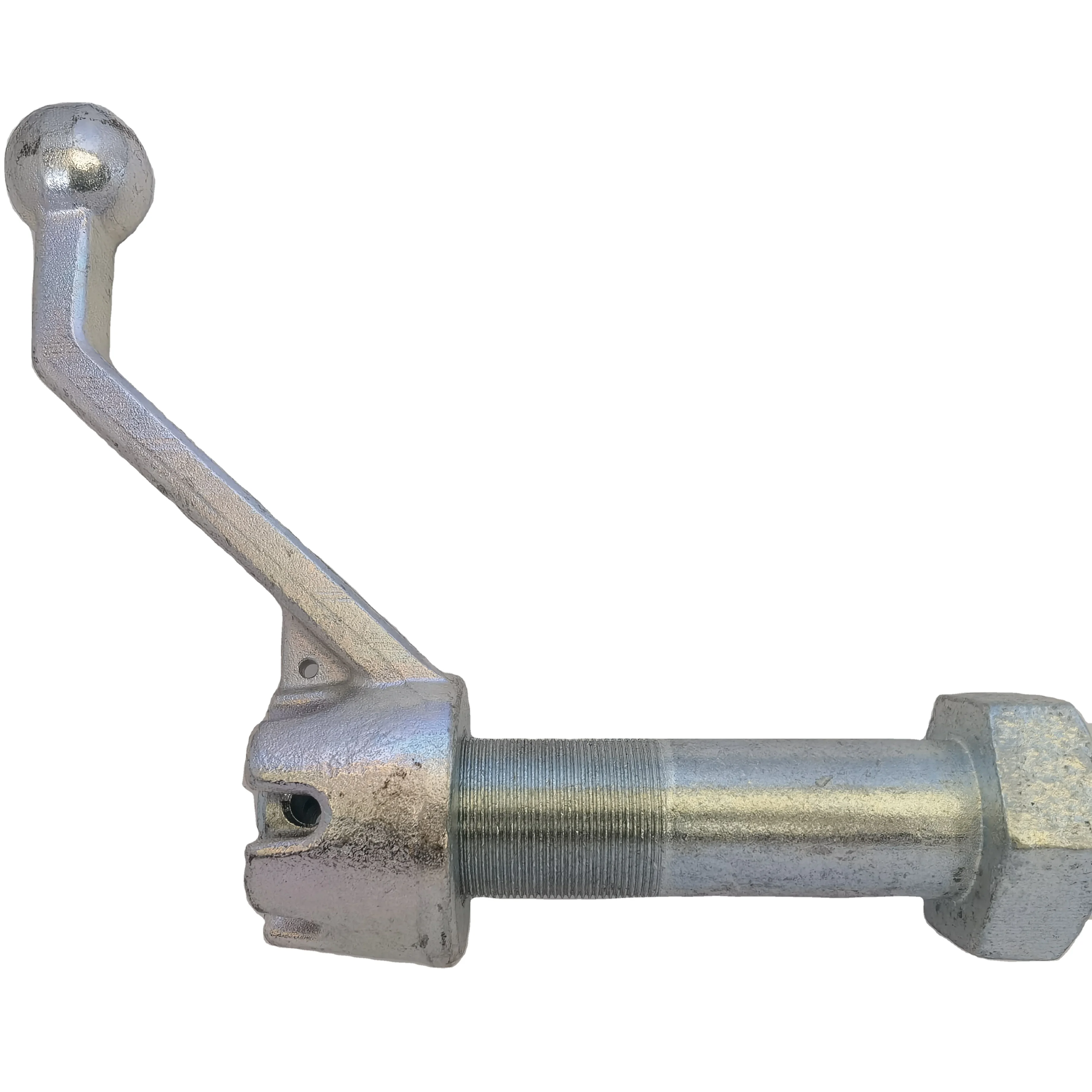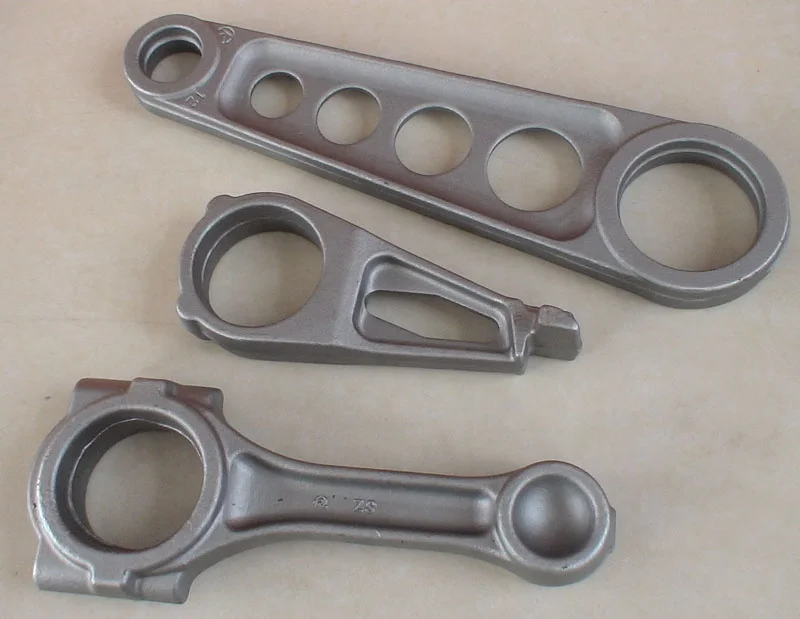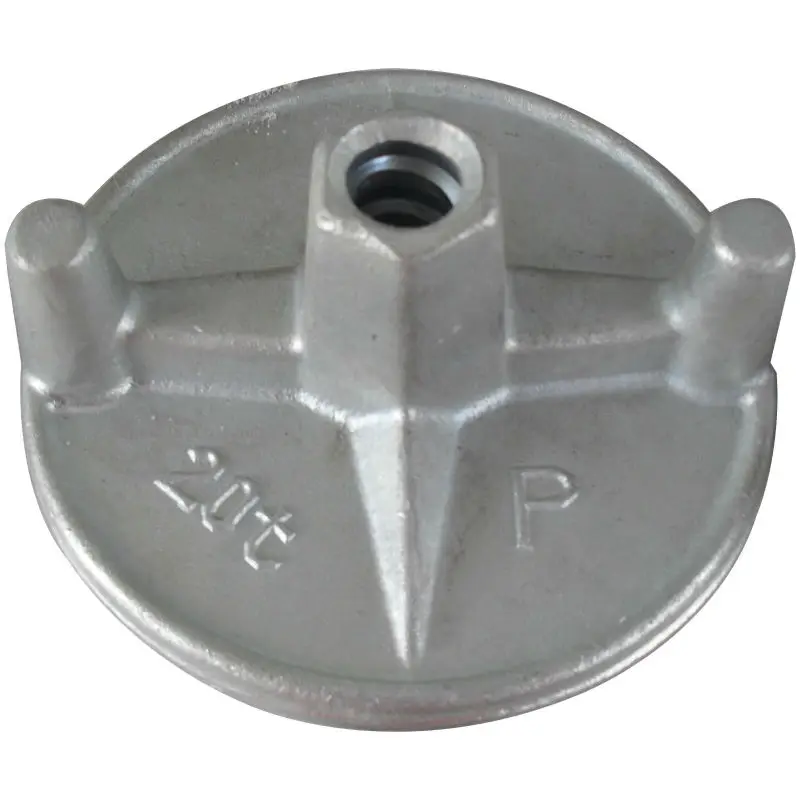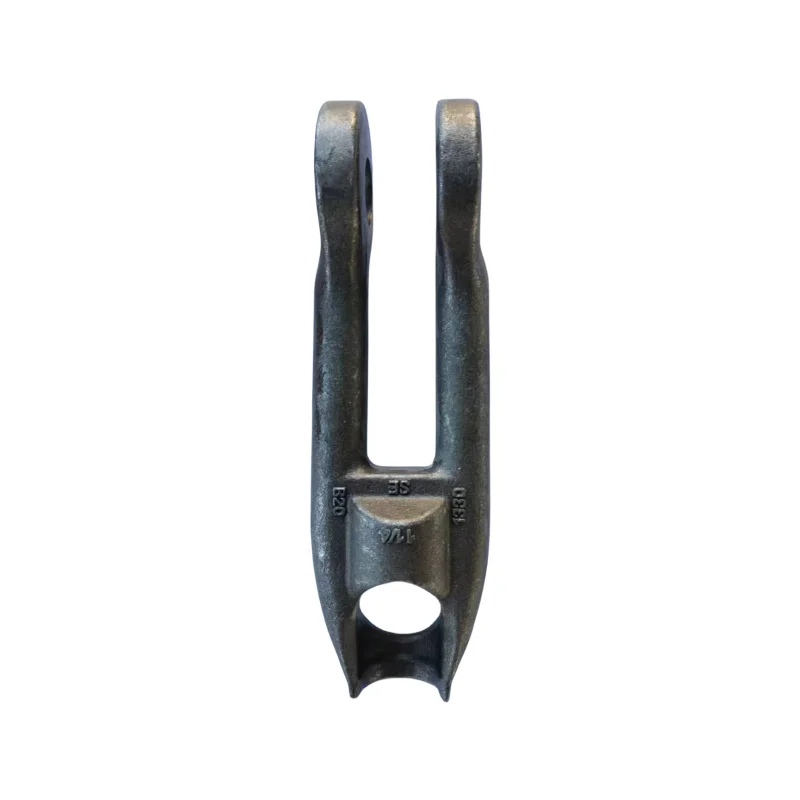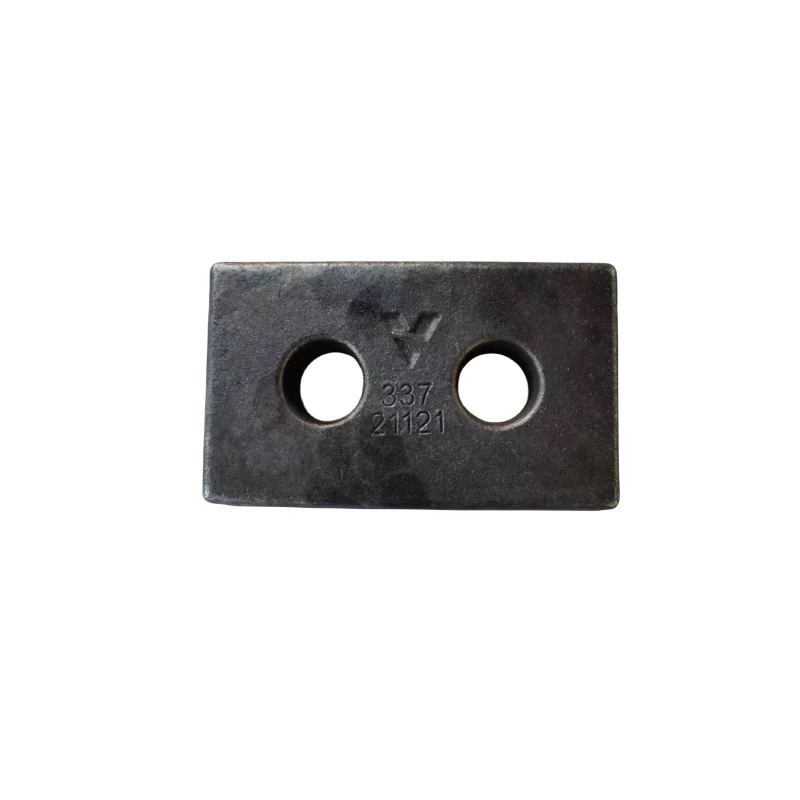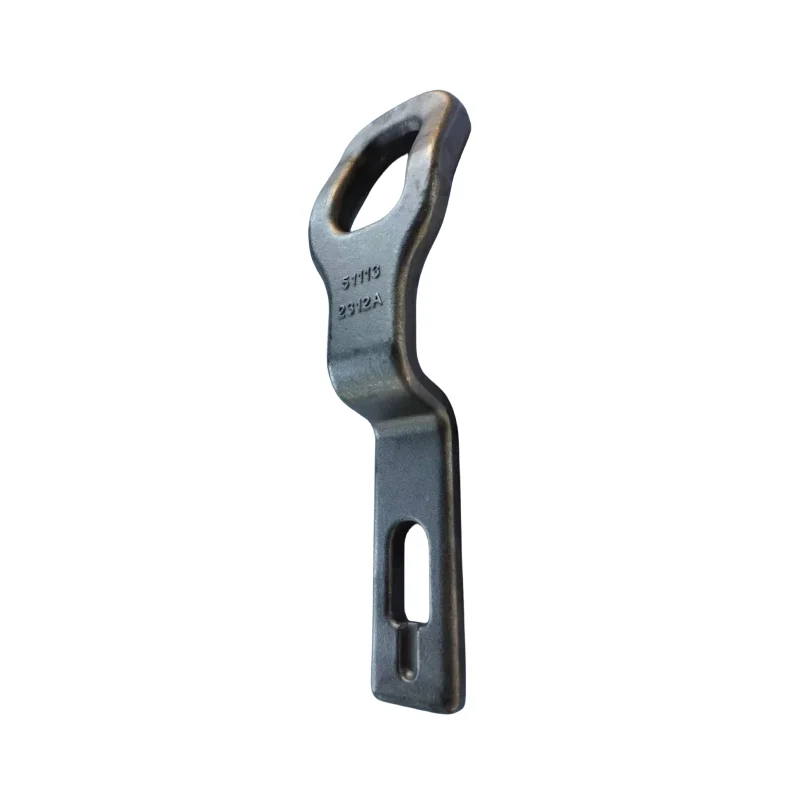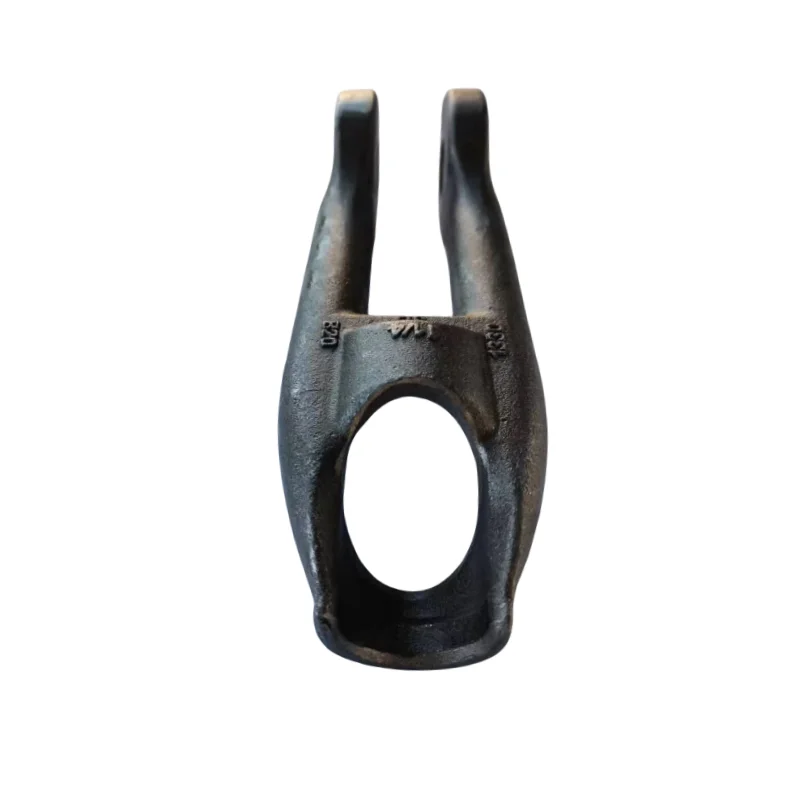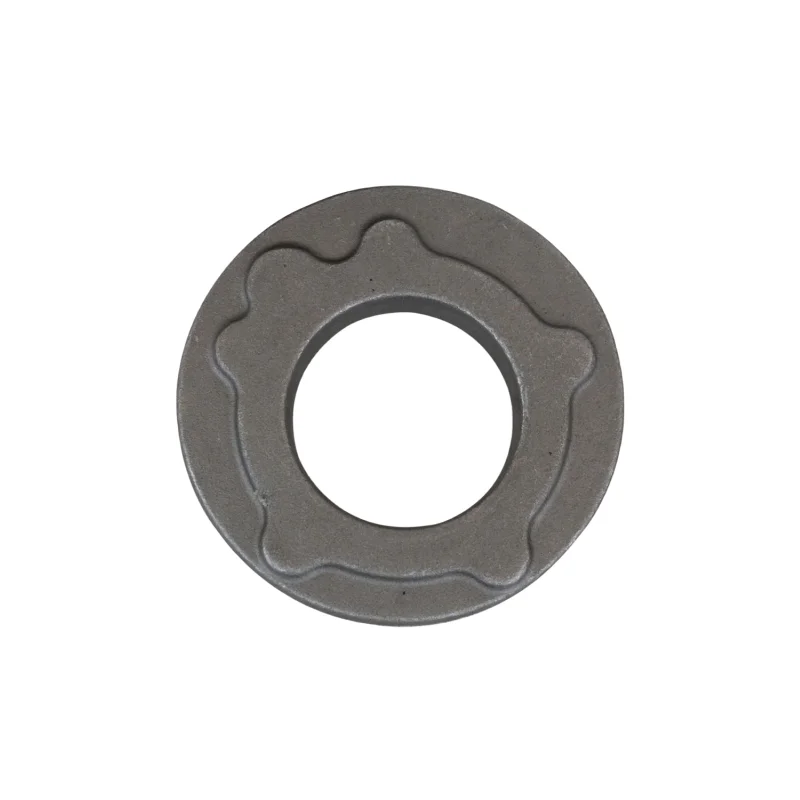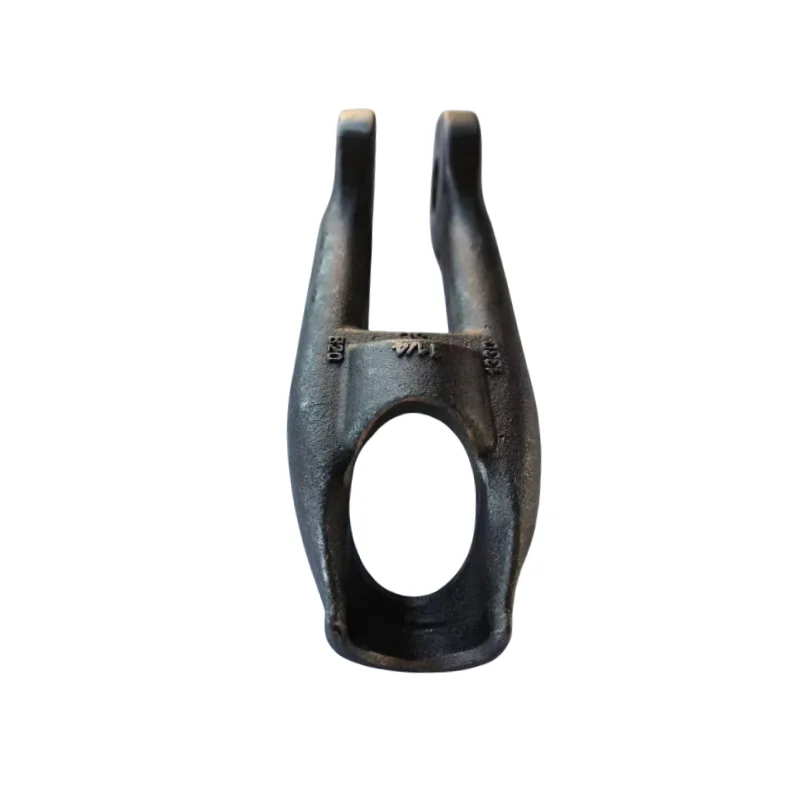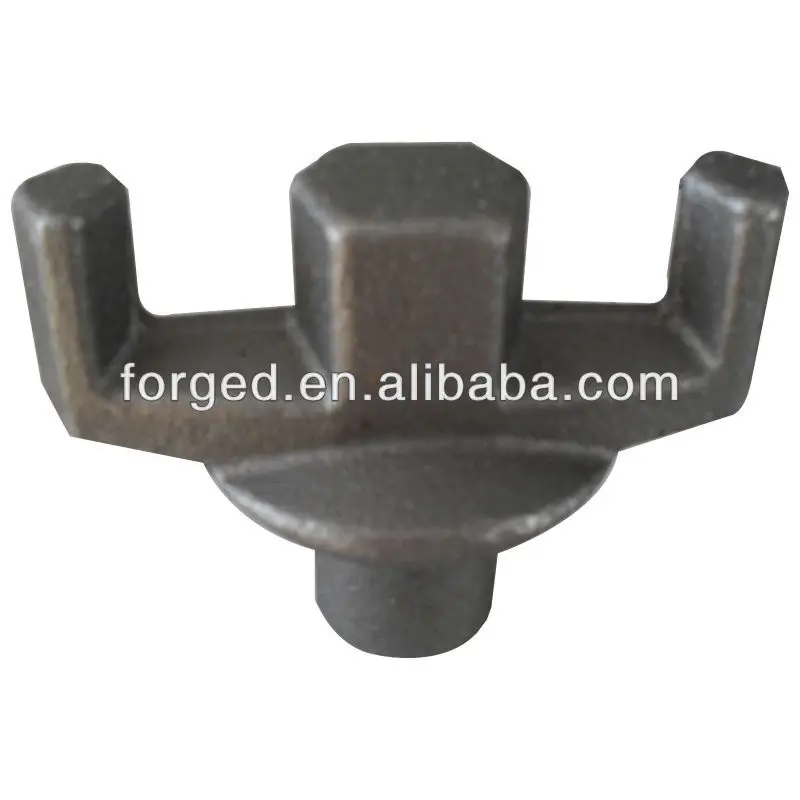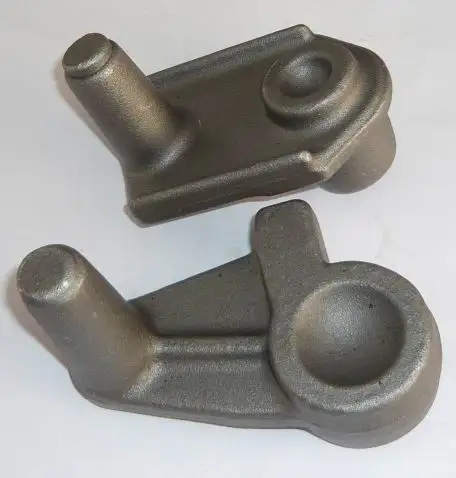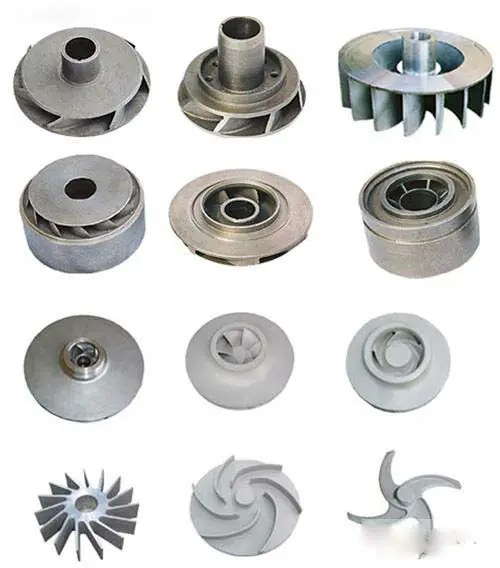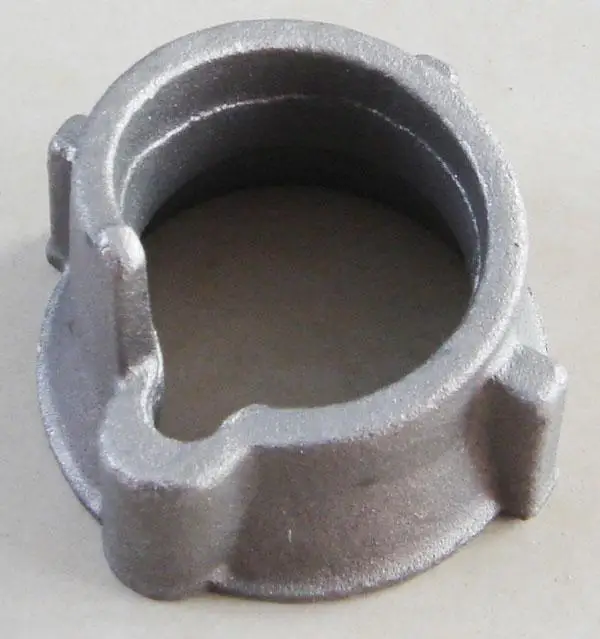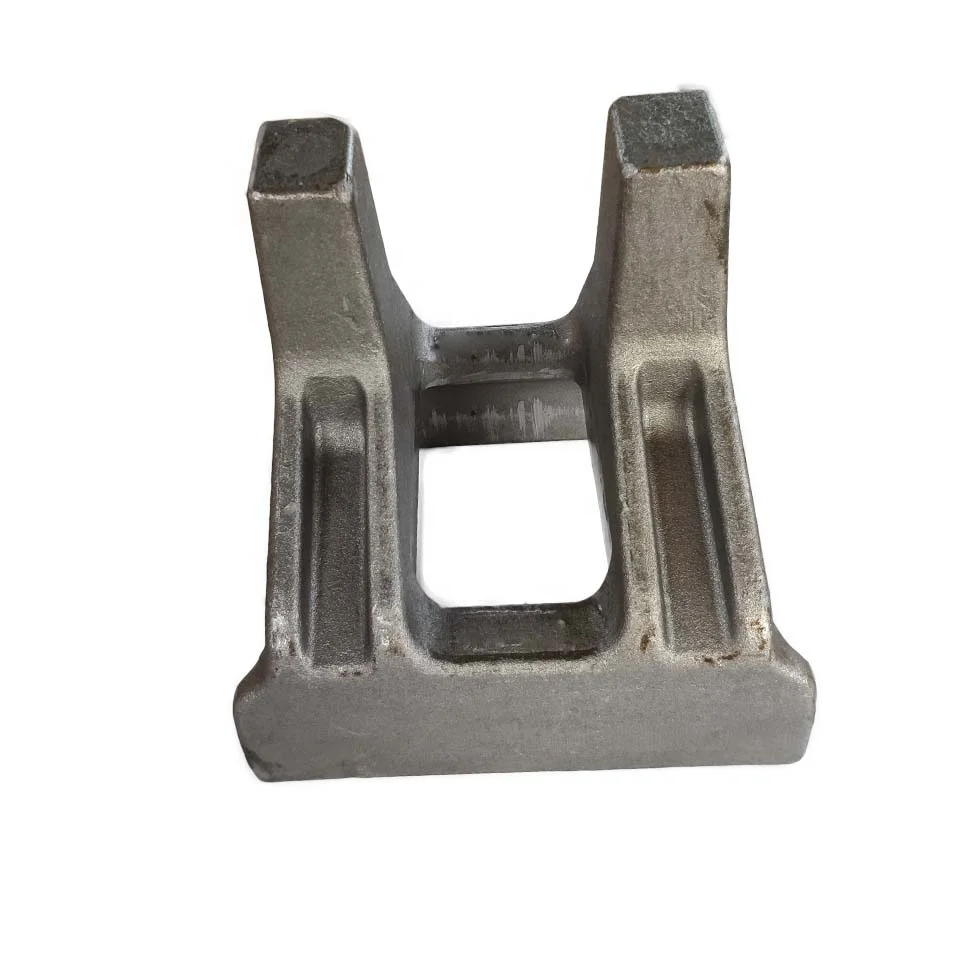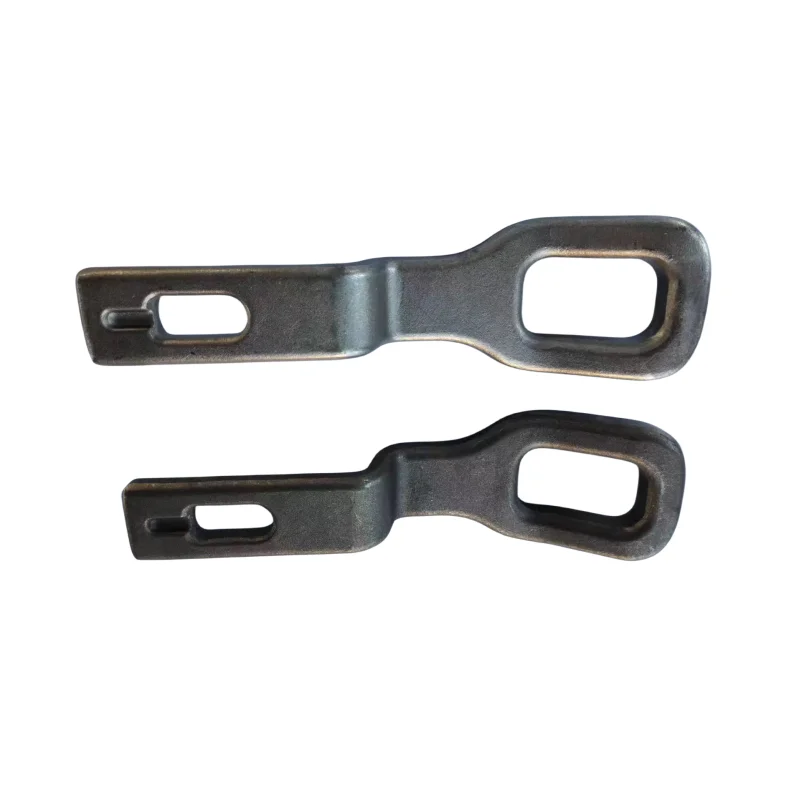
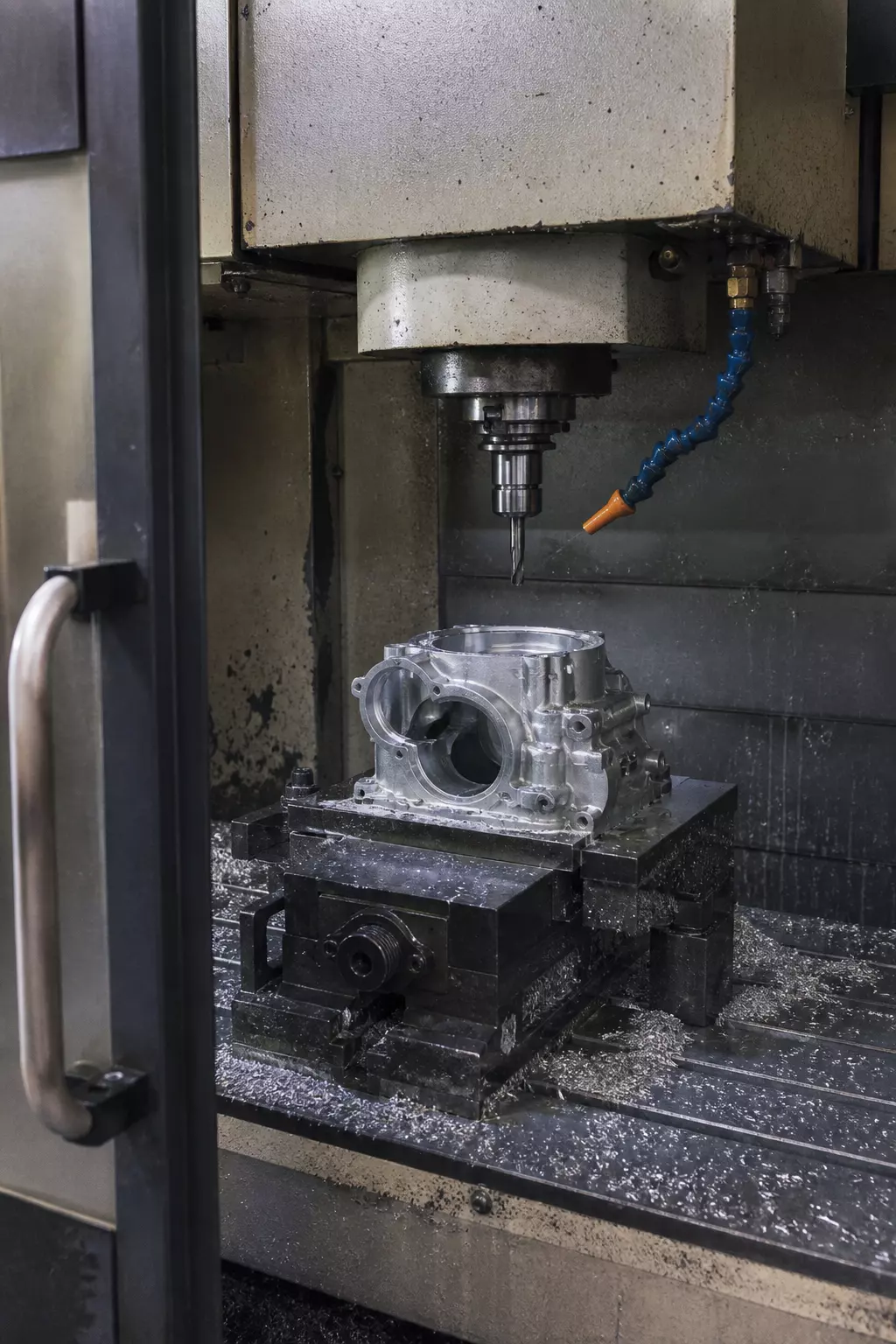
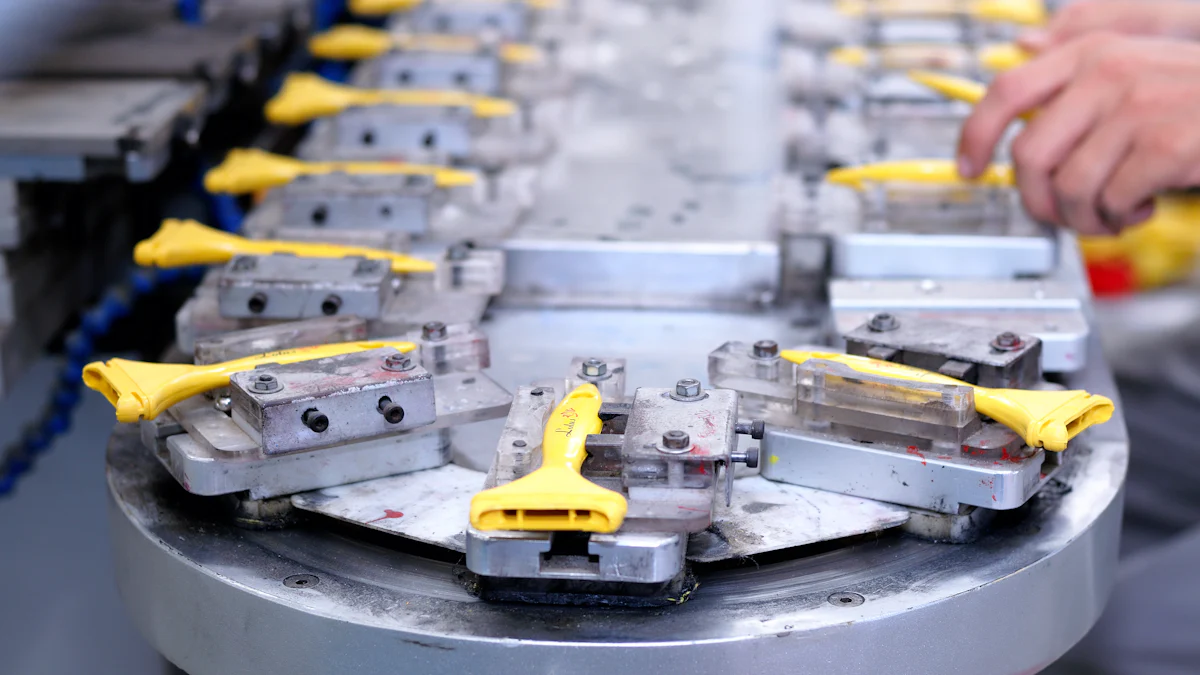
Investment casting and forging are two of the most reliable manufacturing methods for producing durable, high-quality components. Investment casting uses a wax pattern to create intricate designs with superior surface finishes and tight tolerances. Forging, on the other hand, shapes metal under high pressure, enhancing its strength and structural integrity. These processes are essential for industries requiring precision and durability. With the global investment casting market projected to grow from USD 101.76 billion in 2023 to USD 140.36 billion by 2030, their importance continues to rise. You can rely on these methods for creating high-quality custom investment casting parts tailored to your needs.
Key Takeaways
-
Investment casting makes detailed parts with great accuracy and smooth surfaces. It is perfect for complicated designs.
-
Forging makes parts stronger and tougher by pressing metal under high pressure. This gives the parts better structure.
-
Both methods can be customized. Industries like aerospace and medical use them to meet special needs with custom solutions.
-
Picking the right materials is very important. Think about things like strength and rust resistance to make sure parts work well.
-
Working with skilled manufacturers ensures good quality and follows industry rules. This makes the parts dependable.
Understanding High-Quality Custom Investment Casting and Forging
 Investment Casting
Process Overview
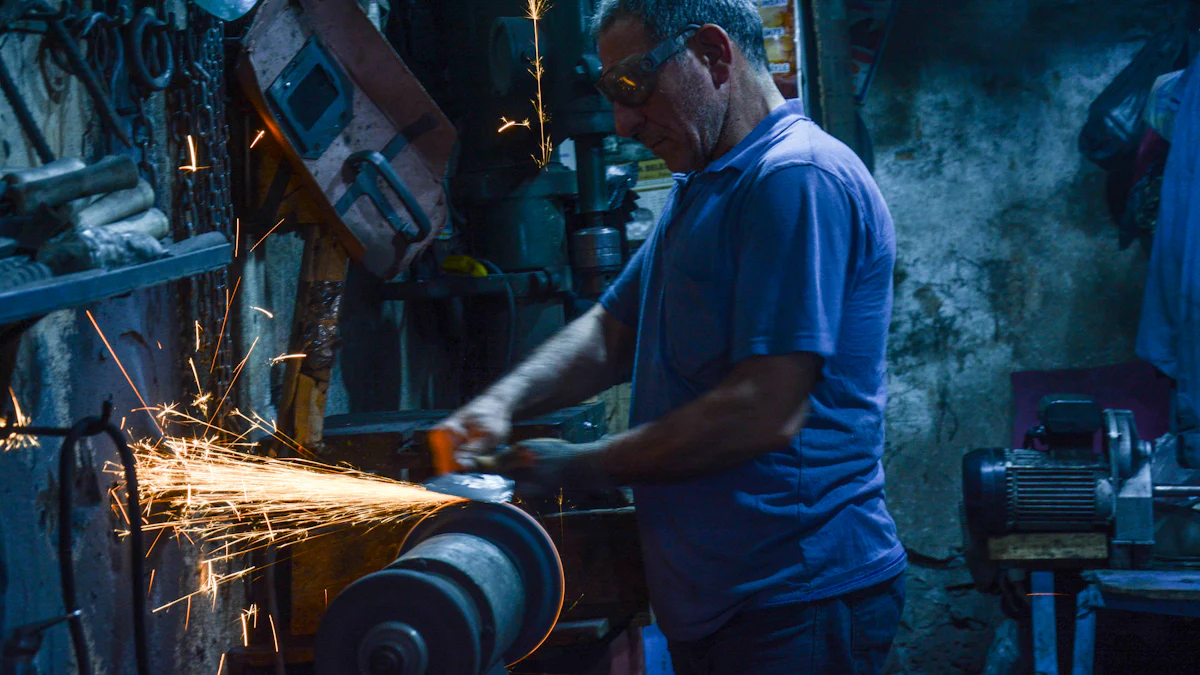
Investment casting, also known as lost-wax casting, is a precision manufacturing process that creates intricate components with exceptional accuracy. You begin by creating a wax pattern, which is coated with a ceramic shell. Once the shell hardens, the wax is melted away, leaving a cavity that is filled with molten metal. This method is ideal for producing parts with tight tolerances and smooth surface finishes. Recent advancements, such as 3D printing for pattern creation and the use of high-performance alloys, have further enhanced the efficiency and quality of this process.
Precision and Complex Geometries
Investment casting excels in producing components with intricate details and complex geometries. It allows you to achieve designs that would be challenging or impossible with other methods. The process minimizes the need for extensive machining, saving time and resources. The table below highlights the defining characteristics of high-quality custom investment casting:
|
Characteristic |
Description |
|---|---|
|
Excellent surface finishing |
Limited metal burrs and excellent exterior quality after finishing. |
|
High strength |
Capable of producing high-strength component parts, useful for machine components. |
|
Versatility |
Usable with various metals, including those with high melting points, allowing for flexibility. |
|
Intricate detail |
Allows for complex geometric shapes and ornate decorative details. |
|
Minimal machining |
Reduces the need for extensive machining due to precision casting and close tolerances. |
|
Minimal die wear |
Causes minimal wear and dimensional changes to permanent metal dies, suitable for large runs. |
Forging
Process Overview
Forging involves shaping metal under high pressure, either through hammering or pressing. This process refines the metal's grain structure, resulting in components with superior strength and durability. Modern forging techniques have expanded material options and enabled precise shaping, making it a preferred choice for industries requiring reliable and long-lasting parts.
Strength and Structural Integrity
Forged components are known for their exceptional strength and structural integrity. They exhibit 26% higher tensile strength than comparable cast-iron parts and have greater fatigue strength, ensuring a longer working life under heavy-duty conditions. By manipulating the metal's grain flow, forging enhances both tensile and fatigue strength, making it ideal for critical applications. Additionally, advancements in forging technology continue to improve the reliability and durability of components, ensuring their relevance in modern manufacturing.
Benefits of High-Quality Custom Investment Casting and Forging
Customization for Industry Needs
Tailored Solutions for Specific Applications
High-quality custom investment casting and forging offer unmatched flexibility to meet your specific industry requirements. These processes allow you to create components with intricate designs and precise engineering. Industries such as medical, aerospace, automotive, energy, and defense benefit significantly from these tailored solutions:
-
Medical Industry: Produces surgical instruments and implants with high precision and reliability.
-
Aerospace Industry: Creates turbine blades and engine parts essential for safety and performance.
-
Automotive Industry: Manufactures critical engine and transmission components for enhanced durability.
-
Energy and Power Generation: Develops turbine and valve components to withstand extreme conditions.
-
Defense and Military: Delivers mission-critical parts for vehicles and weapon systems with superior accuracy.
Customization options include selecting the right alloys, custom mixing materials, and designing parts with complex geometries. These capabilities ensure that every component meets your exact specifications, whether for small or large production runs.
Superior Performance
Precision, Strength, and Durability
Investment casting and forging deliver components with exceptional performance metrics. Investment casting achieves high dimensional accuracy, smooth surface finishes, and compatibility with most metals. It also allows for intricate designs, such as thin walls and undercut holes, without compromising strength. Forging, on the other hand, enhances the grain structure of metals, resulting in parts with superior tensile and fatigue strength.
|
Metric |
Description |
|---|---|
|
Tolerance Capabilities |
Achieves tolerances of +/- .002" to +/- .004" per inch. |
|
Surface Finish |
Produces smooth, high-quality surfaces without additional machining. |
|
Material Wastage |
Minimizes waste compared to other methods. |
These processes ensure that your components perform reliably under demanding conditions, making them ideal for critical applications.
Cost-Effectiveness
Long-Term Value and Efficiency
High-quality custom investment casting and forging provide significant cost-saving benefits. The precision of investment casting reduces the need for extensive machining and secondary operations, lowering labor costs. Consolidating multiple components into a single cast part minimizes assembly time and potential failure points. For example, replacing multi-piece weldments with single-piece castings can reduce costs by over 15%.
Additional benefits include:
-
Reduced material waste through reusable feed and sprue parts.
-
Lower tooling costs compared to die casting.
-
Shorter production timelines due to fewer post-processing requirements.
By choosing these methods, you gain long-term value and efficiency, ensuring your projects remain cost-effective without compromising quality.
Applications of High-Quality Custom Investment Casting and Forging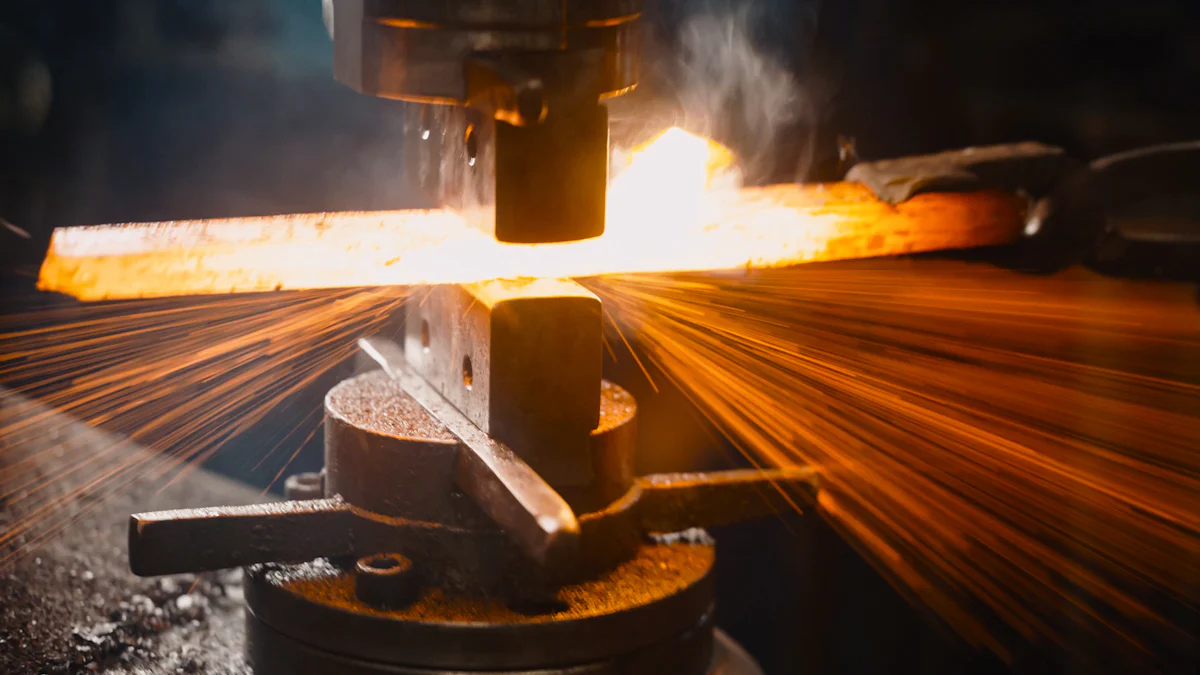
Key Industries
Aerospace
Investment casting plays a critical role in aerospace manufacturing. You can rely on this process to produce turbine blades and engine parts that endure extreme temperatures and mechanical stresses. It enables the creation of intricate internal features, such as cooling channels, which improve performance and longevity. Additionally, investment casting is used for components like combustion chambers, fuel nozzles, and hydraulic system parts. Forging, on the other hand, is ideal for structural components like landing gear and engine mounts, offering unmatched strength and reliability.
Key applications include:
-
Engine parts
-
Air and fuel system components
-
Hydraulic and landing control systems
-
Cabin and operator interface controls
Automotive
Forging dominates the automotive industry due to its ability to produce high-strength components. You can find forged parts in critical areas such as engines, suspensions, and transmissions. Crankshafts, connecting rods, and pistons are commonly forged to ensure durability under high stress. Investment casting complements this by creating intricate components like turbocharger housings and exhaust manifolds, which require precision and heat resistance.
Common forged automotive parts include:
-
Crankshafts and camshafts
-
Control arms and steering knuckles
-
Gears and clutches
Medical
The medical field benefits significantly from high-quality custom investment casting. This process ensures precision and biocompatibility, making it ideal for surgical tools, implants, and medical devices. You can trust investment casting to meet the strict tolerances required for components like joint replacements, spinal implants, and dental prosthetics. Forging also contributes by producing durable parts for medical equipment, such as wheelchair frames and operating tables.
Examples of medical applications include:
-
Surgical instruments and implants
-
MRI and X-ray machine components
-
Ancillary support items like pump housings and connectors
Common Components
Engine Parts
Forging is the go-to method for manufacturing engine parts that demand high strength and durability. Crankshafts, connecting rods, and pistons are frequently forged to withstand intense mechanical loads. Investment casting complements this by producing intricate engine components, such as turbocharger blades and fuel injectors, with exceptional precision.
Surgical Instruments
Investment casting excels in creating surgical instruments and implants with tight tolerances and smooth finishes. You can depend on this process for producing items like scalpels, forceps, and joint replacements. The ability to use biocompatible materials, such as titanium and stainless steel, ensures safety and reliability in medical applications.
Structural Components
Structural components in industries like construction and aerospace benefit from the flexibility of investment casting. This process allows you to design complex parts with tight tolerances and superior surface finishes. Forging enhances these components by providing unmatched strength and resistance to wear, making them suitable for load-bearing applications.
Key advantages of investment casting for structural components include:
-
Flexible design for intricate shapes
-
Minimal material waste and competitive costs
-
High-quality finishes with fewer defects
Ensuring Quality in Custom Investment Casting and Forging
Material Selection
Choosing the Right Alloys
Selecting the appropriate alloy is critical for achieving optimal performance in custom investment casting and forging. Each material offers unique properties that cater to specific applications. For investment casting, you can choose from a wide range of alloys, including:
-
Stainless Steels: Austenitic, ferritic, and duplex varieties provide excellent corrosion resistance and strength.
-
Copper Alloys: Bronze and brass are ideal for decorative and functional components.
-
High-Performance Alloys: Nickel, cobalt, and aluminum alloys deliver exceptional durability and heat resistance.
Forging processes often rely on materials like carbon steel, alloy steel, and stainless steel. These materials ensure high strength and durability. For example:
|
Material Type |
Key Properties |
Applications |
|---|---|---|
|
Carbon Steel |
Economical, hardness determined by carbon content. |
General applications without high strength needs. |
|
Alloy Steel |
Increased strength, toughness, and wear resistance through alloying elements. |
High-strength applications requiring durability. |
|
Stainless Steel |
Exceptional corrosion resistance and durability. |
Diverse applications, especially in extreme conditions. |
When selecting materials, consider factors like mechanical properties, corrosion resistance, and temperature tolerance. These decisions directly impact the performance and longevity of your components.
Manufacturing Standards
Quality Control and Certifications
Adhering to strict manufacturing standards ensures the reliability of investment casting and forging processes. You should prioritize manufacturers that implement advanced quality control measures, such as:
-
Non-Destructive Testing (NDT): Techniques like ultrasonic testing, radiography, and dye penetrant testing evaluate component integrity without causing damage.
-
Dimensional Accuracy: Tight tolerances of up to 0.005 inches are achieved through meticulous process control.
-
Surface Finishes: Fine ceramic molds in investment casting produce smooth surfaces, often eliminating the need for additional machining.
Certifications like ISO 9001 and AS9100 demonstrate a manufacturer’s commitment to quality. These standards ensure that your components meet industry-specific requirements and perform reliably under demanding conditions.
Selecting Reliable Manufacturers
Tips for Partnering with Experts
Choosing the right manufacturer is essential for achieving high-quality results. Look for manufacturers with proven expertise and advanced capabilities. Key factors to consider include:
-
Experience and Reputation: Partner with companies that have a track record of delivering precision components.
-
Material Expertise: Ensure the manufacturer specializes in the alloys and materials required for your application.
-
Quality Control: Verify that they follow rigorous testing and inspection protocols.
-
Capacity and Lead Times: Confirm their ability to handle your order volume within your timeline.
Additionally, prioritize manufacturers that offer clear communication and collaboration. This ensures your specifications are met and any challenges are addressed promptly. By selecting a reliable partner, you can trust that your investment casting and forging needs will be met with precision and professionalism.
Custom investment casting and forging offer unmatched benefits across industries. These processes deliver precision, strength, and cost-efficiency, making them indispensable for applications in aerospace, medical, automotive, and energy sectors. The table below highlights key advantages tailored to specific industries:
|
Industry |
Key Benefits |
|---|---|
|
Medical |
Precision in manufacturing implants, biocompatible materials like titanium and stainless steel. |
|
Aerospace |
Ability to produce lightweight, complex geometries with high strength and fatigue resistance. |
|
Automotive |
Creation of critical engine components with strict tolerances for efficiency and longevity. |
|
Energy |
Versatile manufacturing process for high-performance components. |
Partnering with a trusted manufacturer ensures your components meet the highest standards. You gain access to advanced materials, rigorous quality control, and expert craftsmanship. Consider these methods for your next project to achieve superior performance and long-term value.
FAQ
What is the difference between investment casting and forging?
Investment casting creates intricate parts with smooth finishes using a wax pattern and molten metal. Forging shapes metal under high pressure, enhancing its strength and durability. You should choose investment casting for precision and forging for structural integrity.
Which industries benefit the most from these processes?
Industries like aerospace, automotive, medical, and energy rely heavily on investment casting and forging. These methods produce critical components such as engine parts, surgical instruments, and structural elements with unmatched precision and strength.
How do I select the right material for my project?
You should consider factors like strength, corrosion resistance, and temperature tolerance. Stainless steel works well for durability, while high-performance alloys handle extreme conditions. Consult your manufacturer for expert guidance on material selection.
Are custom investment casting and forging cost-effective?
Yes, these processes reduce material waste, minimize machining, and consolidate parts into single components. This efficiency lowers production costs and ensures long-term value for your projects.
How can I ensure the quality of my components?
Partner with manufacturers that follow strict quality control measures, such as non-destructive testing and dimensional accuracy checks. Look for certifications like ISO 9001 or AS9100 to guarantee industry-standard compliance.