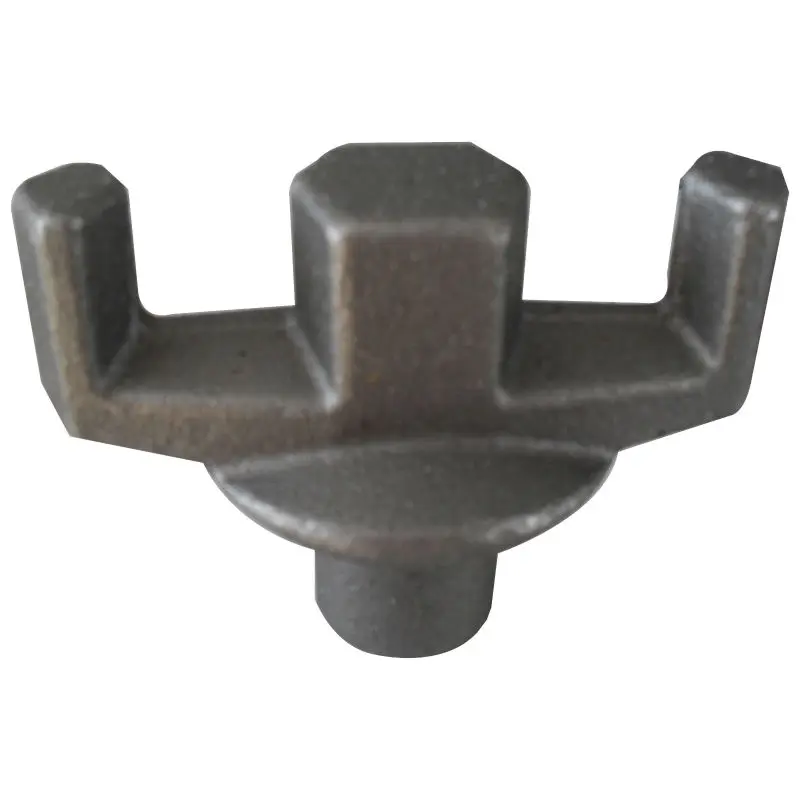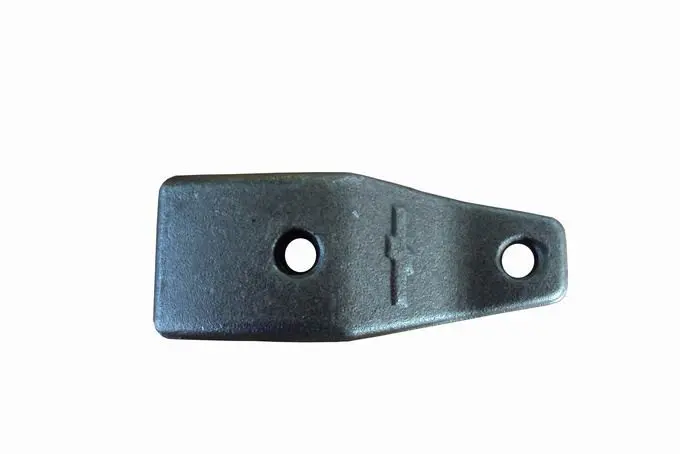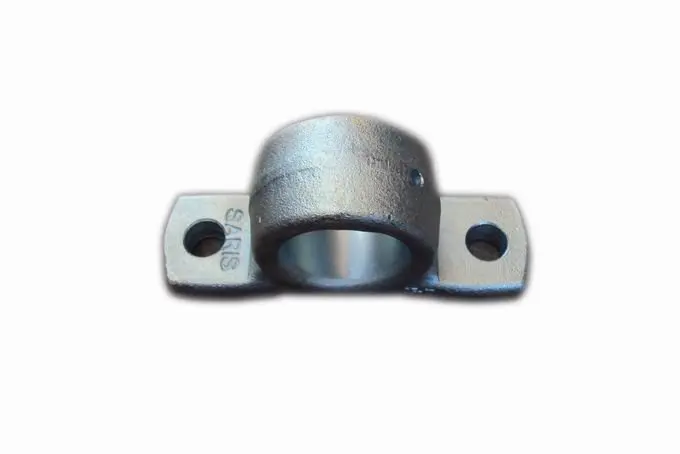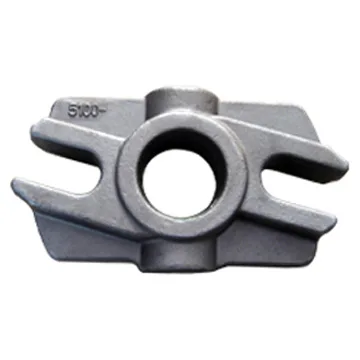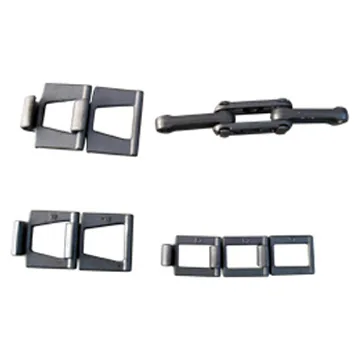
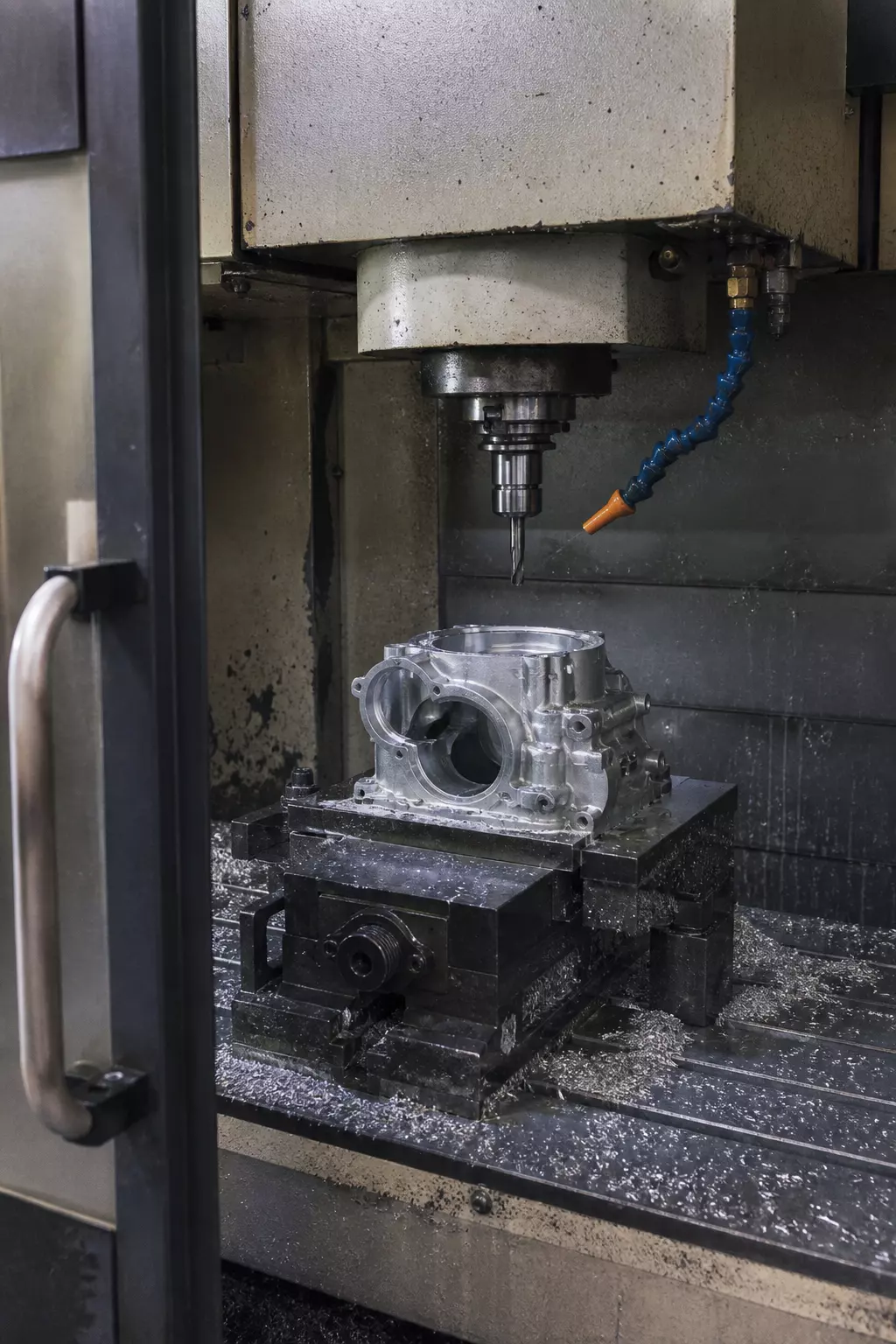
Die Forging is the process of plastically deforming solid metal (never molten) from one shape into another shape, between two dies, under very high pressure. During this process, the aluminum is forced to conform to the configuration of the cavity in the dies. The advantages of a forging over other methods of manufacturing include optimum grain structure and fatigue life, superior stress and inter-granular corrosion resistance, and the ability to efficiently achieve net and near-net configurations.
Forging is a superior to casting or machining bar stock since the metal’s natural grain flow is made to conform to the shape of the product. Castings have an isotropic grain structure and, for a given part, may be as strong in compression loads, but forgings are superior in tensile and shear loads due to the utilization of the grain flow.
Relia Forge and Machine typically uses specialty bar stock as our incoming raw material. As these metal bars are rolled, the grain structure within the material is forced to flow along the centerline of the bar. When a forging is produced from the bar, this inherent grain flow follows the contour of the forged shape. Any machined part, whether produced from bars or plate, will by definition cut through part of the grain flow. Castings essentially have no grain direction. This is one of the primary reasons forging produces a superior part.
The structural reliability of forgings allows designers to trust the material to adhere to the safety factors of the design. It also can provide more uniform response to heat treatment and machining operations.
The forging process uses high pressure and temperature to change the non-directional, or one-directional grain structure of the aluminum starting material, into the high integrity multi-directional grain structure of forgings. The aluminum remains solid throughout the process as the forging dies come together and changes the shape of the starting stock.
The resulting directional orientation of the grain structure places the highest material strength in the same direction as the highest operating loads. The result is “premium strength”. The world’s leading aircraft and aerospace manufacturers use one-piece forgings for precisely this reason: superior performance in critical structural applications.
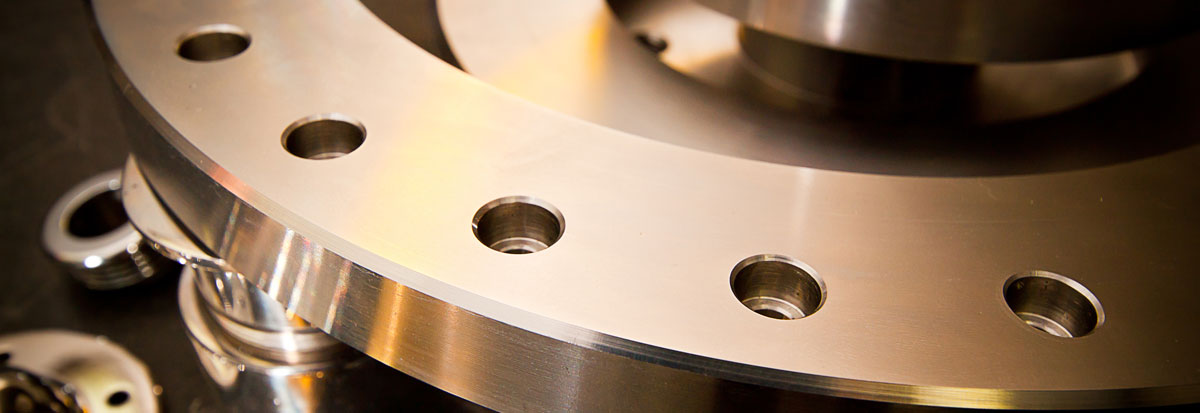
All of the forgings produced by Performance Forge have the additional benefit, when requested, of a polished mirror finish. This can be achieved because of the high integrity of the metallic structure produced by the forging process.
Forgings are the most wear-resistant and heat-resistant option available.
In many cases, forgings also offer a cost-savings over other methods of manufacture. Forgings can be made near-net or net in shape, therefore reducing machine time and/or scrap.