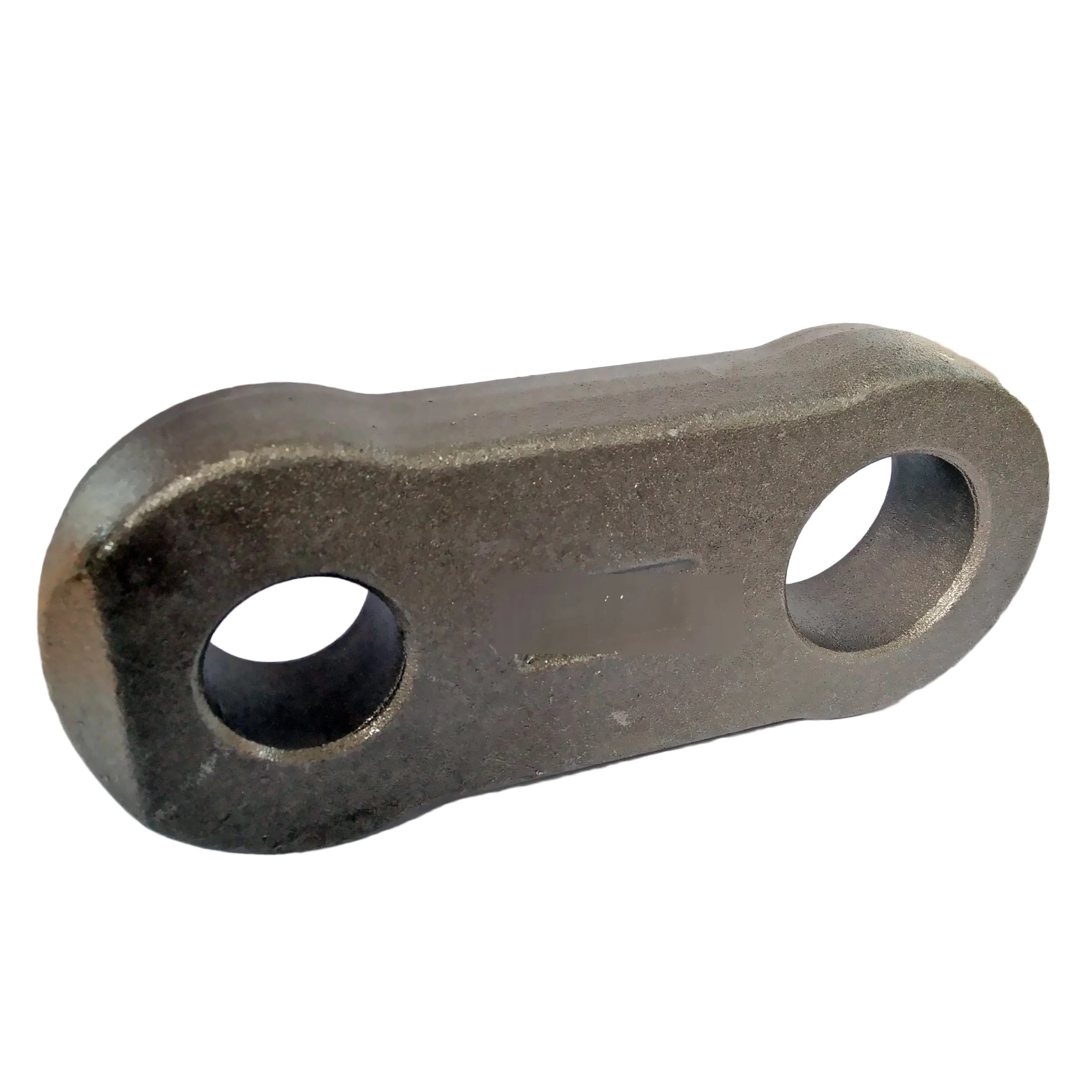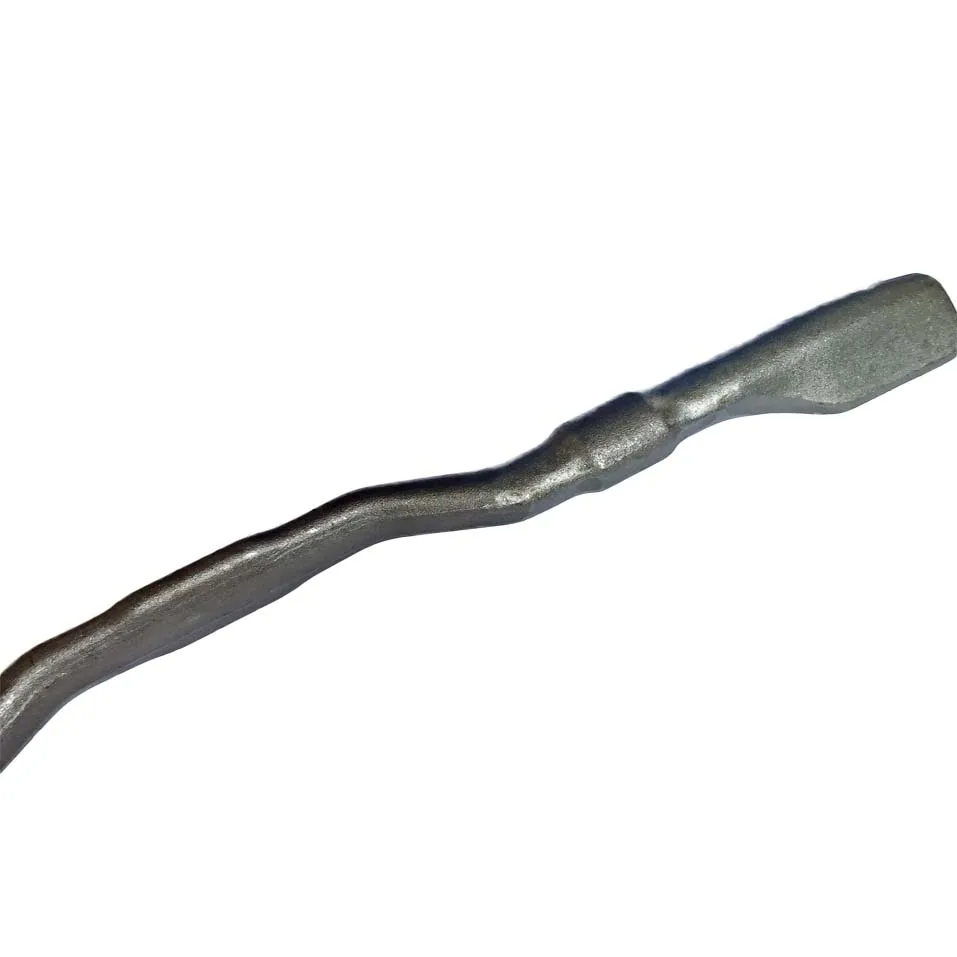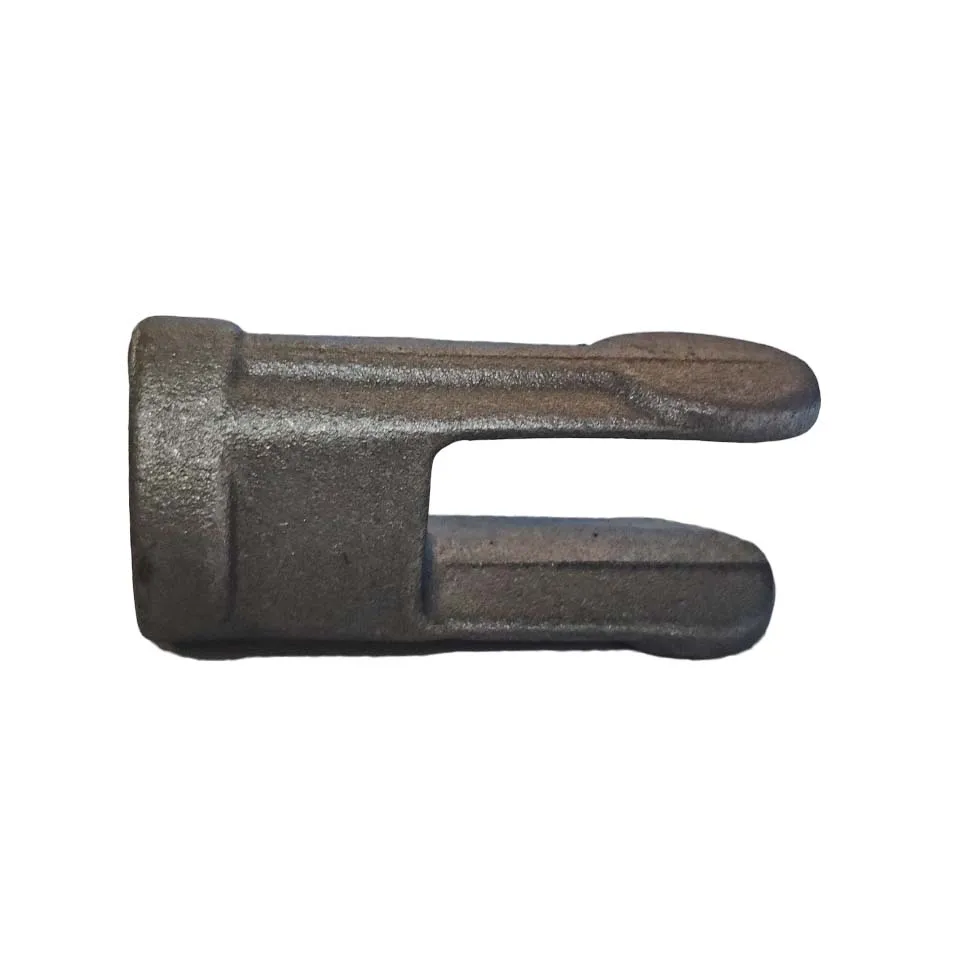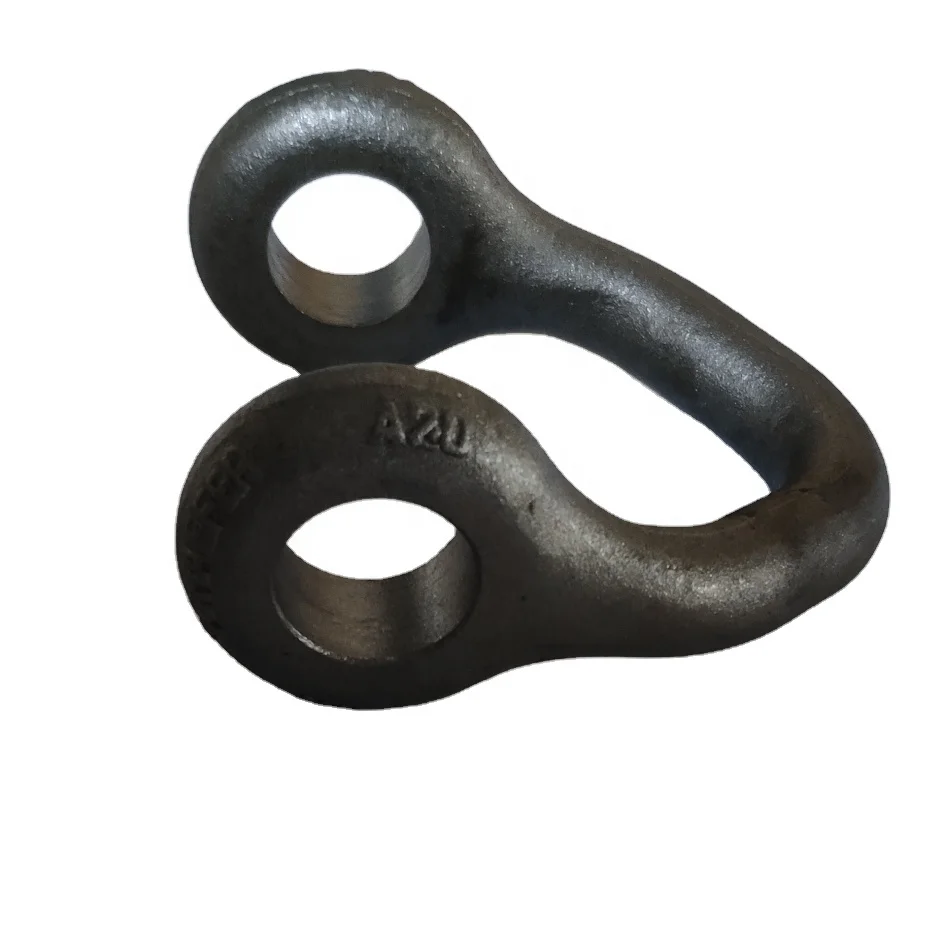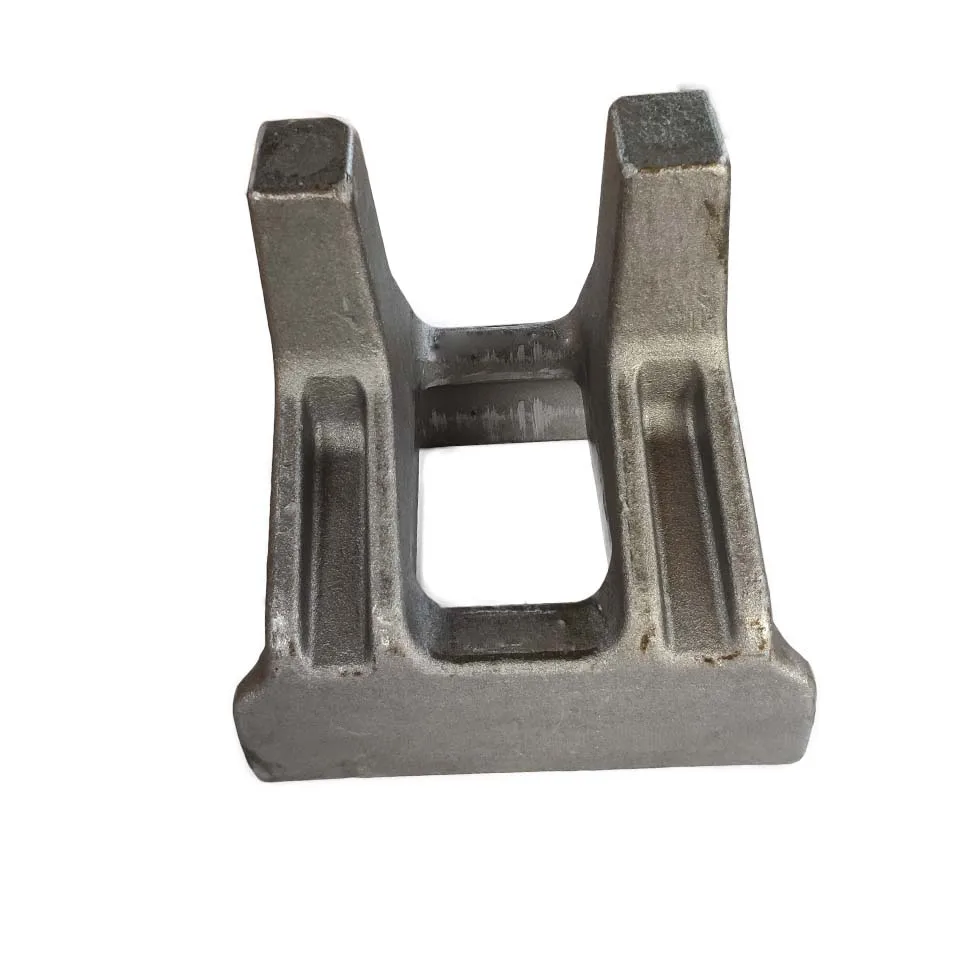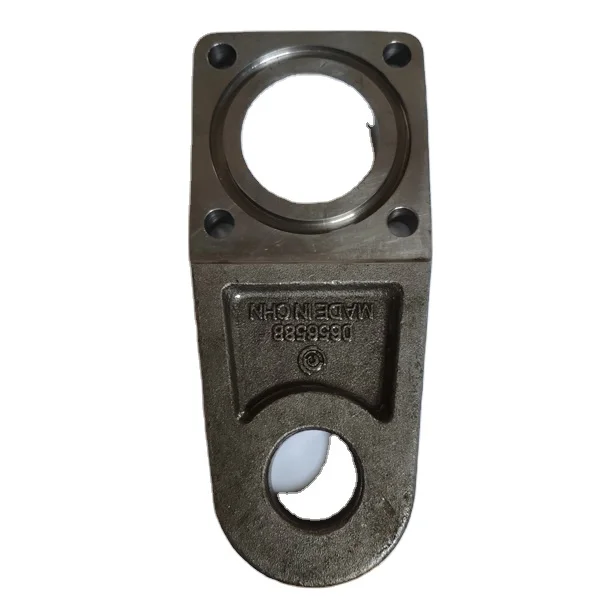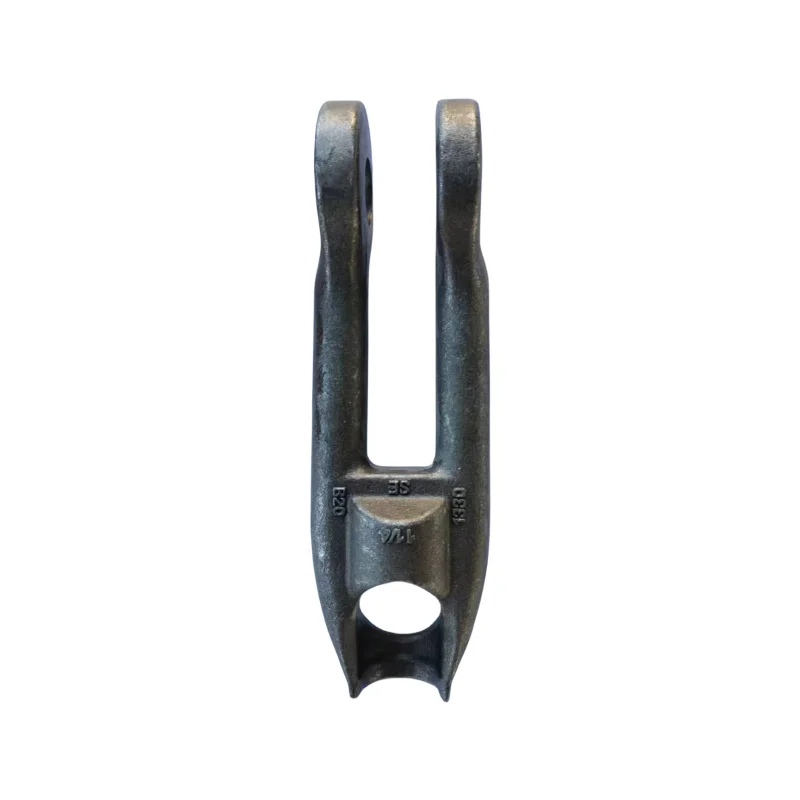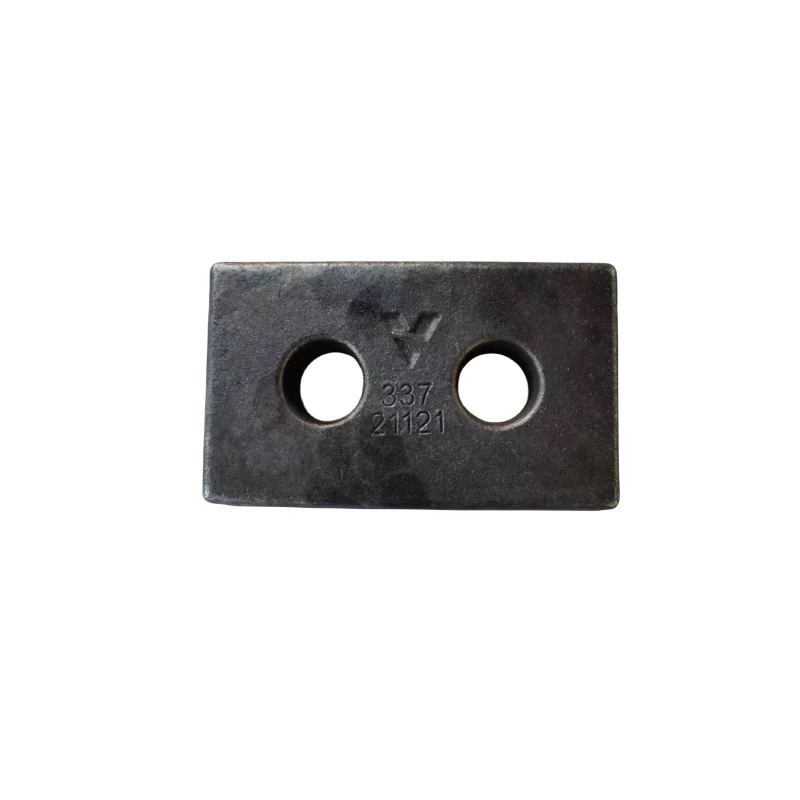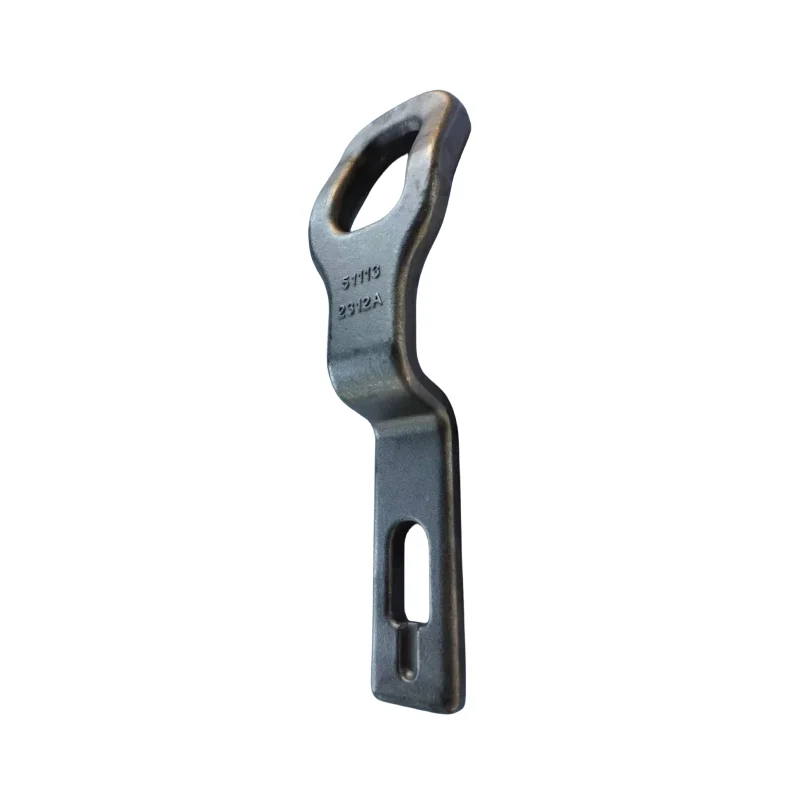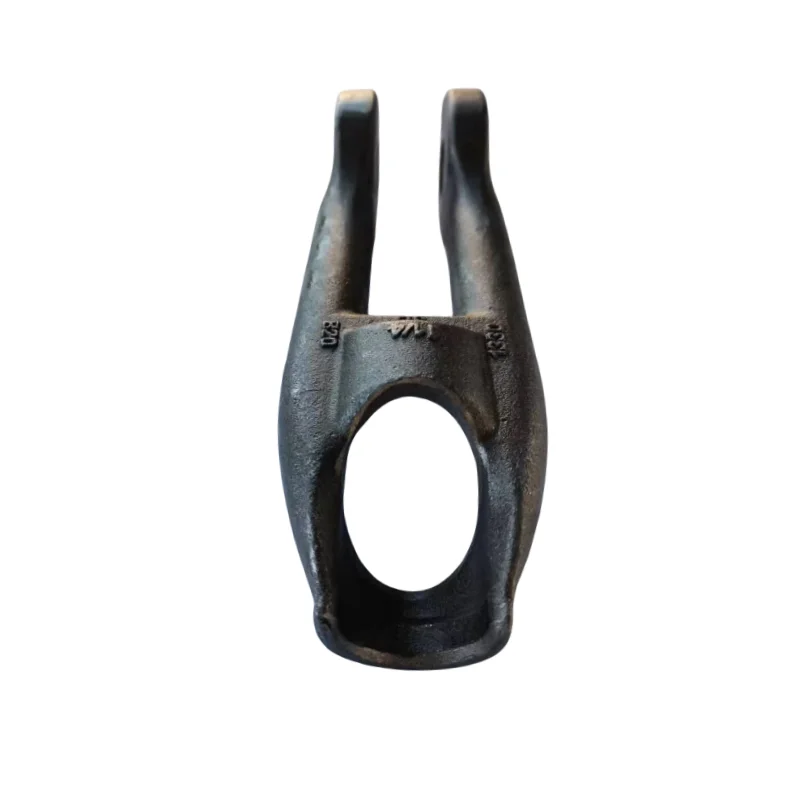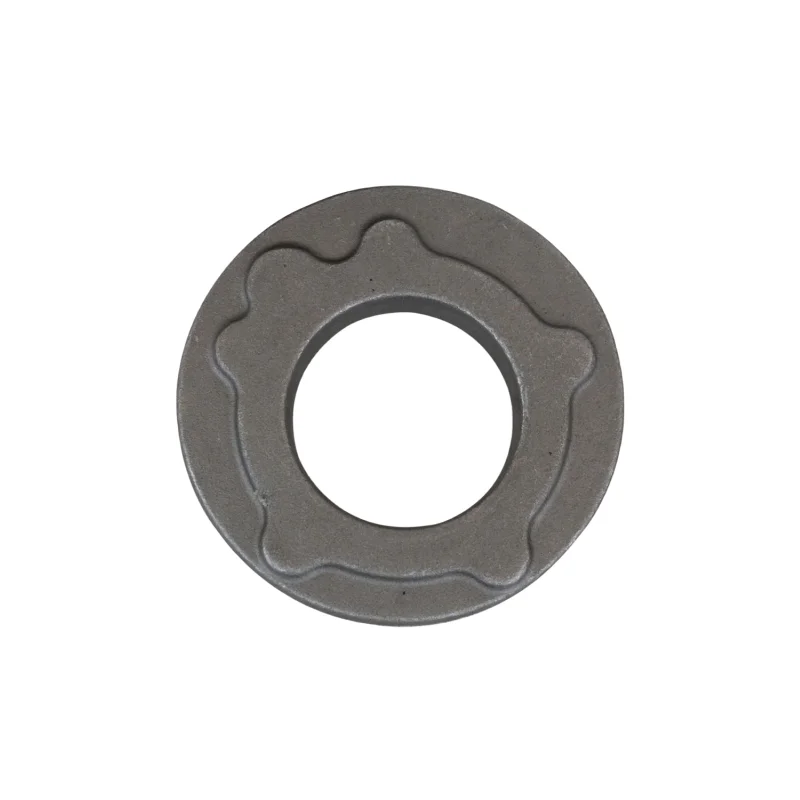
OEM factory direct sales forging parts are precision-engineered components produced directly by manufacturers. These parts play a critical role in industries by ensuring durability and performance. You benefit from their ability to withstand extreme conditions, making them ideal for demanding applications.
The global automotive forging market, valued at USD 49.11 billion in 2023, is projected to grow to USD 75.57 billion by 2032. This growth highlights the increasing demand for reliable forging parts like the OEM Factory Direct Sales Forging Part Torsion Arm for Customized Wooden Box Steel Null Iron Color Su. These components enhance industrial efficiency by reducing downtime and improving reliability.
Key Takeaways
-
OEM factory direct forging parts are made by manufacturers. This ensures they are high quality and precise.
-
These parts cost less because there are no middlemen. This also means faster delivery and lower prices.
-
Forging makes parts stronger and longer-lasting. They are great for tough industries like cars and airplanes.
-
You can customize these parts by choosing materials and designs. This helps meet your exact needs.
-
Using OEM forging parts can make work faster and reduce delays.
What Are OEM Factory Direct Sales Forging Parts?
Definition and Key Features
OEM factory direct sales forging parts are components manufactured directly by the original equipment manufacturer (OEM) without intermediaries. These parts are created using forging, a process that shapes metal through compressive forces. This method enhances the strength and durability of the material, making it suitable for demanding applications.
Key features of these parts include:
-
High Precision: OEM manufacturers use advanced techniques to ensure accurate dimensions.
-
Customizability: You can request parts tailored to specific requirements, such as size, material, and surface treatment.
-
Consistency: Direct production ensures uniform quality across all parts.
These parts often meet strict industry standards, such as IATF16949:2016 certification, ensuring reliability and performance.
Benefits of OEM Factory Direct Sales
Choosing OEM factory direct sales forging parts offers several advantages:
-
Cost Savings: By eliminating intermediaries, you reduce costs associated with distribution and markups.
-
Faster Lead Times: Direct communication with the manufacturer speeds up production and delivery.
-
Enhanced Quality Control: OEMs maintain strict oversight during production, ensuring high-quality output.
-
Access to Expertise: Manufacturers often provide technical support and customization services to meet your needs.
These benefits make OEM factory direct sales forging parts a preferred choice for industries requiring durable and precise components.
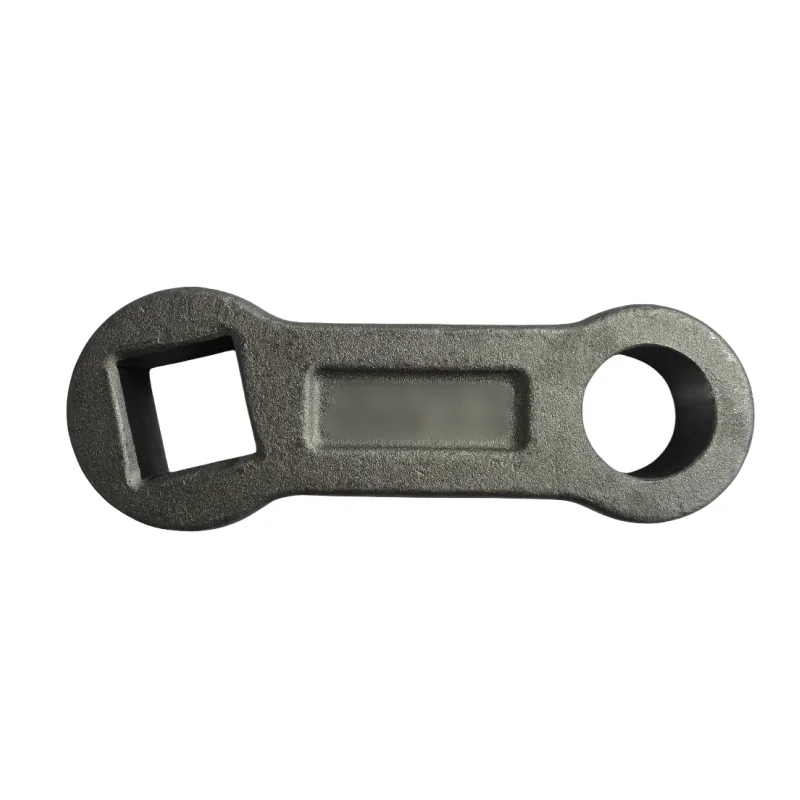
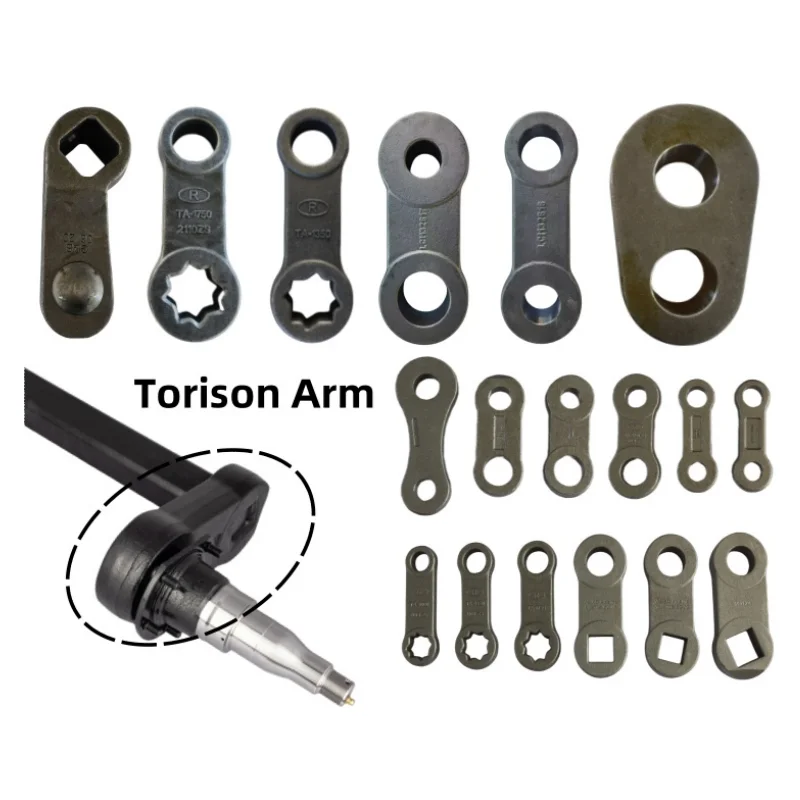
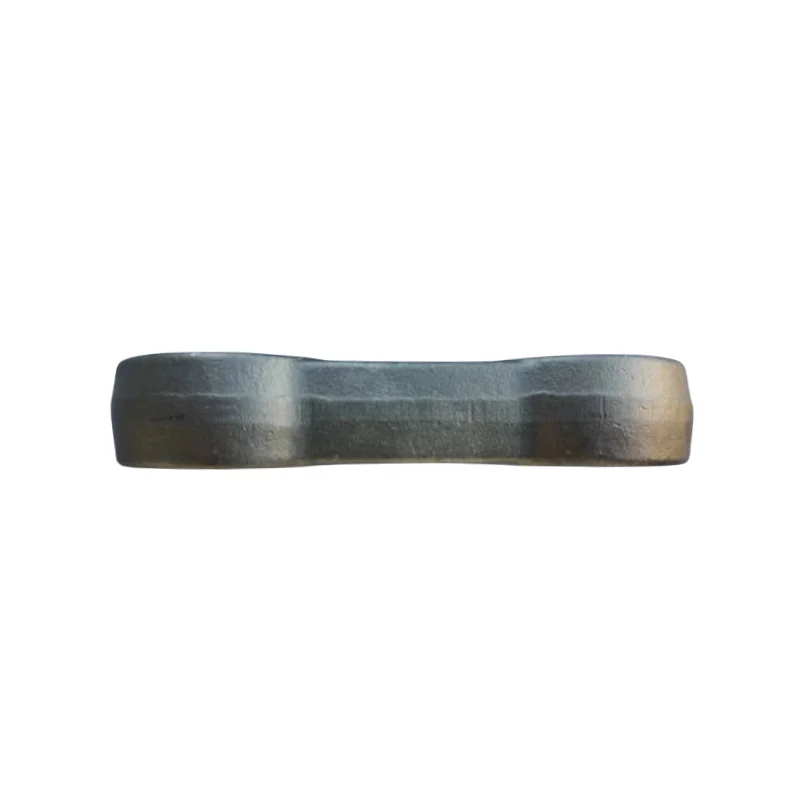
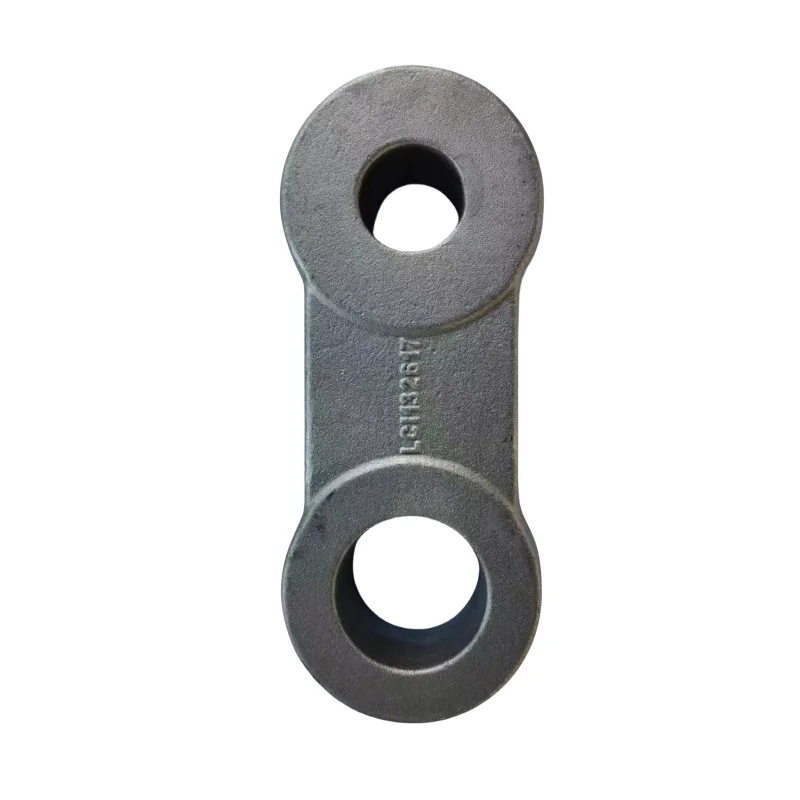
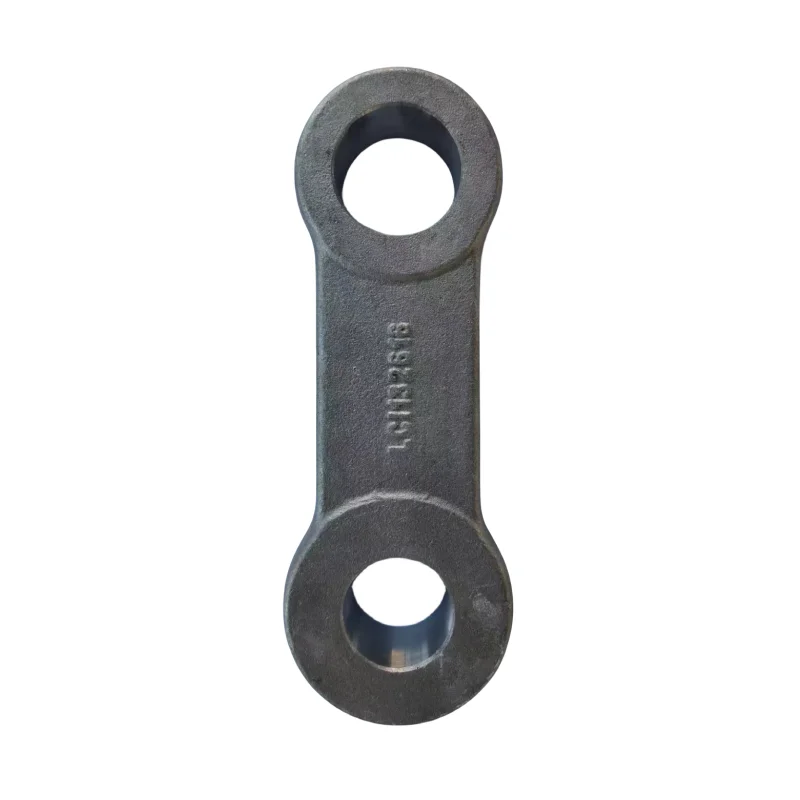
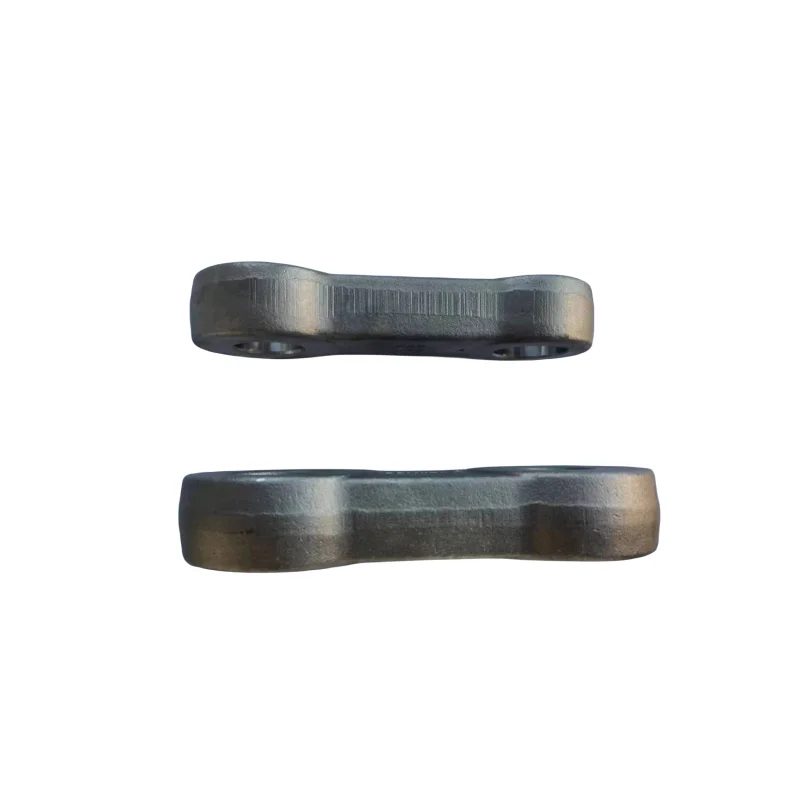
Example: OEM Factory Direct Sales Forging Part Torsion Arm for Customized Wooden Box Steel Null Iron Color Su
The OEM Factory Direct Sales Forging Part Torsion Arm for Customized Wooden Box Steel Null Iron Color Su exemplifies the versatility of these components. This torsion arm is widely used in industries such as automotive, machinery, and hardware. Below is a detailed breakdown of its attributes:
|
Attribute |
Details |
|---|---|
|
Application |
Fastener, Auto and Motorcycle Accessory, Hardware Tool, Machinery Accessory |
|
Standard |
GB |
|
Surface Treatment |
Spray Paint |
|
Production Type |
Mass Production |
|
Machining Method |
Forging |
|
Material |
Nylon, Steel, Plastic, Brass, Alloy, Copper, Aluminum, Iron |
|
Transport Package |
Pallet/Carton |
|
Specification |
50g-60kg |
|
Trademark |
OEM |
|
Origin |
China |
|
Company Profile |
Ningbo Forte Metal Products Co., Ltd. - Manufacturer/Factory & Trading Company - Main Products: Auto Parts, Machinery Parts, CNC Machining Parts, Forging Parts, Casting Parts - Number of Employees: 4 - Year of Establishment: 2023-10-11 - Management System Certification: ISO 9000, IATF16949 - Average Lead Time: Peak Season Lead Time: one month, Off Season Lead Time: one month. |
This torsion arm demonstrates the benefits of OEM factory direct sales forging parts, including customizability, durability, and cost-effectiveness.
How Are Forging Parts Manufactured?
Forging parts undergo a meticulous manufacturing process to ensure durability and precision. You’ll find that this process involves shaping metal under intense pressure and heat, followed by secondary procedures to refine the final product.
The Forging Process
The forging process transforms raw metal into robust components. Here’s how it works:
-
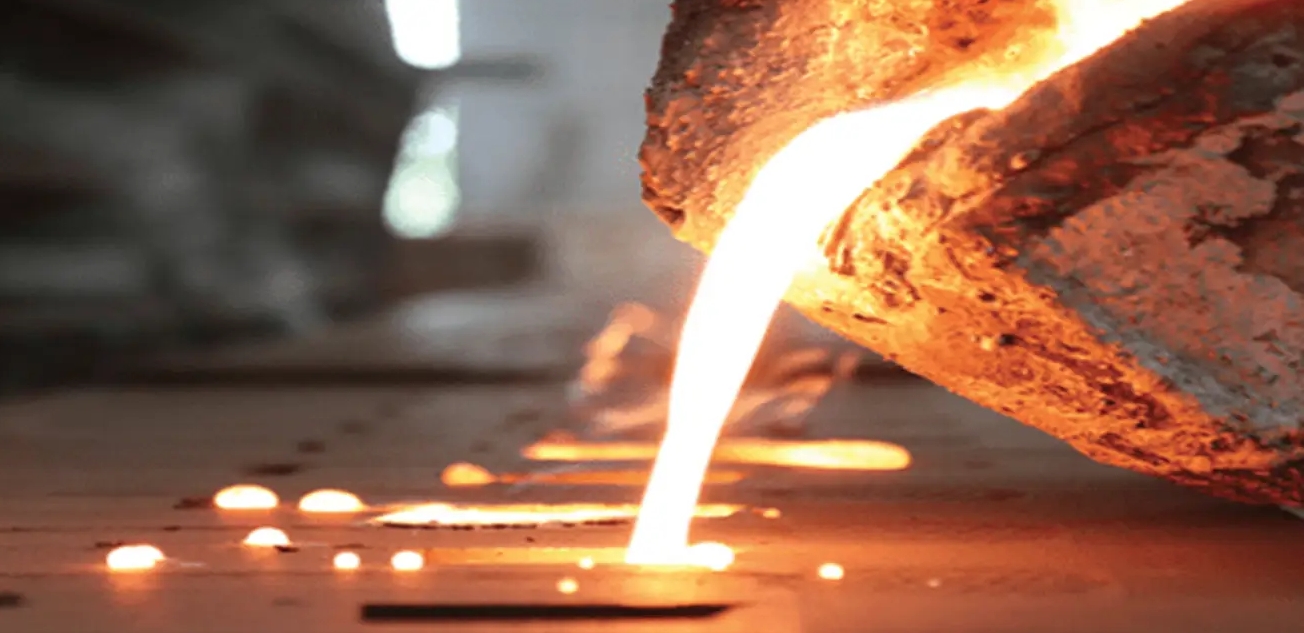
Heating: The metal ingots are heated to a near-molten state to make them malleable.
-
Preforming: The heated metal is shaped using edging and blocking techniques.
-
Finish Forging: The preformed metal is forced into dies to achieve the desired shape.
-
Cooling: The cooling process is controlled to enhance the metal’s strength.
-
Finishing: Final adjustments, such as trimming, are made to perfect the part.
Open Die Forging
Open die forging, or free forging, involves shaping metal between dies that don’t completely enclose it. This method is ideal for creating large components with excellent structural integrity. You’ll often see this used for massive parts weighing up to 150 tons.
Closed Die Forging
Closed die forging uses two or more dies to fully enclose the metal. This process produces highly precise and complex shapes. It’s perfect for smaller components requiring tight tolerances.
Seamless Rolled Ring Forging
Seamless rolled ring forging starts with a circular preform that’s pierced to create a hollow shape. The ring is then heated and rotated to adjust its dimensions. This method produces components that are strong, reliable, and cost-effective, especially for applications involving temperature fluctuations.
Secondary Manufacturing Processes
After forging, secondary processes refine the parts to meet specific requirements.
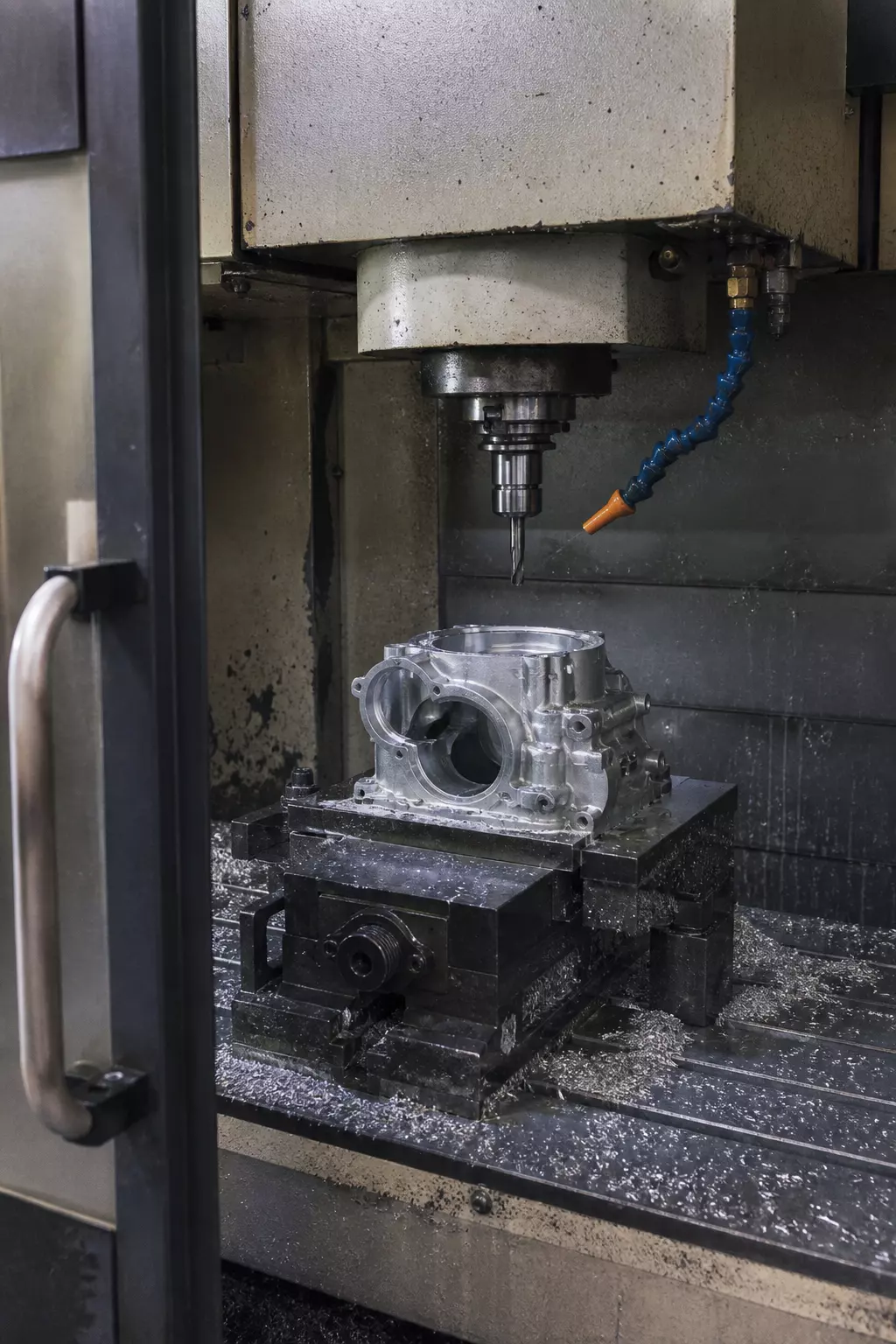
CNC Machining
CNC machining enhances precision by removing excess material. This step ensures the part meets exact specifications.
Heat Treatment
Heat treatment strengthens the forged part. For example, heating tool steel to a specific temperature and cooling it slowly transforms its structure, reducing stiffness and improving durability.
Surface Finishing Techniques
Surface finishing techniques, such as spray painting or polishing, improve the part’s appearance and resistance to wear. These methods also ensure the part meets industry standards.
By combining these processes, manufacturers create high-quality components like the OEM Factory Direct Sales Forging Part Torsion Arm for Customized Wooden Box Steel Null Iron Color Su. These parts are tailored to meet your needs, offering durability and precision for demanding applications.
What Materials Are Used in Forging Parts?
Forging parts rely on high-quality materials to ensure strength, durability, and performance. The choice of material directly impacts the part's ability to withstand stress, temperature, and environmental conditions. Below, you’ll find the most commonly used materials and the criteria for selecting them.
Commonly Used Materials
Steel (Carbon Steel, Alloy Steel, Stainless Steel)
Steel is the most widely used material in forging due to its strength and versatility. Carbon steel stands out for its toughness and wear resistance, making it ideal for automotive components like suspension systems. Alloy steels perform exceptionally well in high-temperature environments, thanks to their alloying elements. Stainless steel offers superior corrosion resistance, making it suitable for marine and food processing applications.
Aluminum and Aluminum Alloys
Aluminum is lightweight and corrosion-resistant, making it a popular choice in aerospace and automotive industries. Its excellent strength-to-weight ratio allows you to create components that are both durable and efficient. Aluminum alloys also provide design flexibility, enabling the production of complex shapes.
Titanium and Specialty Alloys
Titanium is known for its high strength-to-weight ratio and exceptional corrosion resistance. These properties make it ideal for aerospace and biomedical applications. Specialty alloys, such as those containing nickel or cobalt, enhance performance in extreme environments, including high heat or corrosive conditions.
Material Selection Criteria
Strength and Durability
You should prioritize materials with high tensile strength and impact resistance. These properties ensure the part can handle heavy loads and shock without failure.
Corrosion Resistance
For parts exposed to harsh environments, corrosion resistance is crucial. Stainless steel and titanium excel in resisting rust and chemical damage, extending the part’s lifespan.
Cost-Effectiveness
While some materials like titanium may have higher initial costs, their durability and low maintenance requirements often make them more cost-effective in the long run. Balancing performance and budget is key when selecting materials.
By understanding these materials and criteria, you can choose the right option for your application. For example, the OEM Factory Direct Sales Forging Part Torsion Arm for Customized Wooden Box Steel Null Iron Color Su uses steel for its strength and durability, ensuring reliable performance in demanding conditions.
Applications of Forging Parts Across Industries
Forging parts play a vital role in various industries, offering unmatched strength, durability, and precision. Their applications span from automotive systems to aerospace and defense, ensuring reliable performance in demanding environments.
Automotive Industry
Engine Components
Forged parts are essential in engine construction due to their ability to withstand high stress and heat. You’ll find components like crankshafts, connecting rods, and camshafts forged to ensure durability and precision. These parts improve engine efficiency and reduce the risk of failure under extreme conditions.
Transmission Parts
Transmission systems rely on forged gears, shafts, and clutch components for smooth and reliable operation. Forging enhances the strength of these parts, allowing them to handle the constant torque and pressure in vehicles. This ensures a longer lifespan and better performance.
Suspension Systems
Suspension systems use forged control arms, steering knuckles, and tie rods to maintain stability and safety. These components endure significant stress from road conditions, making forging the ideal manufacturing process. The result is a safer and more comfortable driving experience.
|
Component Type |
Examples |
|---|---|
|
Engine Components |
Crankshafts, Connecting Rods, Camshafts |
|
Transmission Systems |
Gears, Shafts, Clutch Components |
|
Suspension and Steering Systems |
Control Arms, Knuckles, Steering Linkages |
Machinery and Equipment
Heavy Machinery Components
Forged parts are indispensable in heavy machinery due to their ability to handle extreme loads and harsh environments. Components like gears, axles, and sprockets are commonly forged to ensure durability. These parts reduce the risk of failure, saving you time and maintenance costs.
Agricultural Equipment
In agriculture, forged parts like combine fingers, grain augers, and flanges enhance the performance of equipment. Tractors, plows, and seeders rely on these components for efficient operation. Forging ensures these parts can withstand the wear and tear of daily use in demanding conditions.
-
Examples of forged parts in machinery and agriculture:
-
Chain links
-
Combine fingers
-
Grain augers
-
Flanges
-
Sprockets
-
Yokes
-
Aerospace and Defense
Aircraft Structural Components
The aerospace industry demands components with exceptional strength and precision. Forged parts like landing gear, engine components, and structural elements meet these requirements. By aligning the metal’s grain structure, forging enhances the durability and stress resistance of these parts, ensuring safety in flight.
Forging significantly improves the strength and durability of aerospace rings by aligning the metal’s internal grain structure, resulting in a more robust and uniform material capable of withstanding higher stress and strain.
Military Equipment
In defense, forged parts are used in artillery shells, tanks, and aircraft components. These parts must endure extreme conditions and high stress. Forging enhances their mechanical properties, such as damage tolerance and corrosion resistance, making them reliable in critical applications.
-
Examples of forged parts in aerospace and defense:
-
Landing gear
-
Engine parts
-
Artillery shells
-
Structural elements
-
Forging parts provide the strength and reliability needed across industries, ensuring optimal performance and safety in every application.
Energy and Power Generation
Forging parts play a critical role in the energy and power generation industries. These components ensure reliability and efficiency in systems that operate under extreme conditions. You’ll find them in turbines, oil and gas equipment, and other essential applications where durability is non-negotiable.
Turbine Components
Turbines rely on forged parts to maintain performance and safety. These components endure high temperatures, pressure, and rotational forces. Forged shafts, discs, and blades are common in turbines. For example, turbine blades crafted through forging offer superior strength and resistance to wear. This ensures they can handle the intense stress of energy production.
Other forged parts include rings, such as diaphragms and spacers, which enhance the structural integrity of turbines. Shafts, like rotors and valve stems, provide stability and precision. Discs and hubs, including impellers and covers, contribute to the turbine’s efficiency. These parts work together to optimize energy output while minimizing downtime.
Forged turbine components are essential in various sectors, including nuclear, wind, and hydro energy. They support offshore wind operations, improve power distribution, and enhance renewable energy systems.
Oil and Gas Equipment
In the oil and gas industry, forged parts are indispensable. They withstand harsh environments, including high pressure and corrosive conditions. You’ll see them in drilling tools, mud motors, and downhole tools. These components ensure the safe and efficient extraction of resources.
Pipeline segments and valves are also forged to prevent leaks and maintain flow control. Complex shapes, such as casings and bearing blocks, are used in critical equipment. Forged hollows, like reactor pressure vessels, and shafts, such as generators and turbines, further demonstrate their versatility.
Forged parts in oil and gas equipment protect the environment by ensuring safe operations. They also reduce maintenance costs by offering long-lasting performance.
By using forged components, you can enhance the reliability and efficiency of energy systems. These parts are vital for meeting the demands of modern power generation and resource extraction.
OEM factory direct sales forging parts are essential for industries that demand strength, precision, and reliability. These components improve your operations by reducing downtime and ensuring consistent performance.
By choosing OEM factory direct sales, you gain access to cost-effective solutions without compromising quality.
Their ability to handle extreme conditions makes them a smart choice for enhancing industrial efficiency. Whether you need custom designs or certified materials like steel, these parts deliver unmatched value. Investing in them ensures long-term savings and improved productivity for your business.
FAQ
What does "OEM factory direct sales" mean?
OEM factory direct sales mean you purchase parts directly from the original equipment manufacturer. This eliminates intermediaries, reducing costs and ensuring faster delivery. You also gain access to customized solutions and strict quality control.
Can OEM forging parts be customized?
Yes, OEM forging parts can be customized. You can specify details like material, size, heat treatment, and surface finishing. For example, you can request steel parts with surface hardening, packed in wooden boxes, and certified under IATF16949:2016.
What industries benefit most from forging parts?
Industries like automotive, aerospace, energy, and heavy machinery benefit the most. Forging parts provide strength, durability, and precision, making them ideal for demanding applications such as engine components, turbine blades, and structural elements.
How do I ensure the quality of OEM forging parts?
Look for certifications like IATF16949:2016. These ensure the parts meet strict industry standards. You can also request samples, review the manufacturer’s profile, and verify their expertise in customized OEM services.
Why is steel a popular material for forging parts?
Steel offers unmatched strength, durability, and versatility. It withstands high stress and extreme conditions, making it ideal for automotive, aerospace, and energy applications. Options like carbon steel and stainless steel provide additional benefits like wear resistance and corrosion protection.