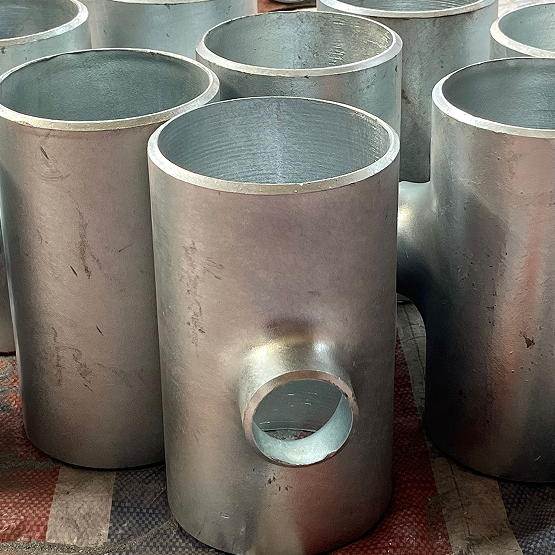
Carbon Steel Y-Type Tee for Oil and Gas Branch Piping
For industrial sourcing
Prepare a clearer RFQ
Include the details below so RELIA can understand the part and discuss the next step with you.
- Drawing, sample, or reference standard
- Material grade and preferred process
- Dimensions, tolerances, and surface finish
- Application, target quantity, and destination
Production timing, packing, and shipping terms are confirmed for each project after specifications and trade terms are agreed.
-
warranty1 Yearcustomized supportOEM
-
TechnicFORGEDConnectivityWelding
-
shapeEqualhead codeHexagon
-
Overall LengthCustomized SizeHeightCustomized Size
-
Surface TreatmentPaintingPressureHigh Pressure
-
System of MeasurementMetricMounting hole diameterCustomized Size
-
Pipe FeaturesOtherPipe ClassOther
-
ApplicationOtherThread TypesCustomized Size
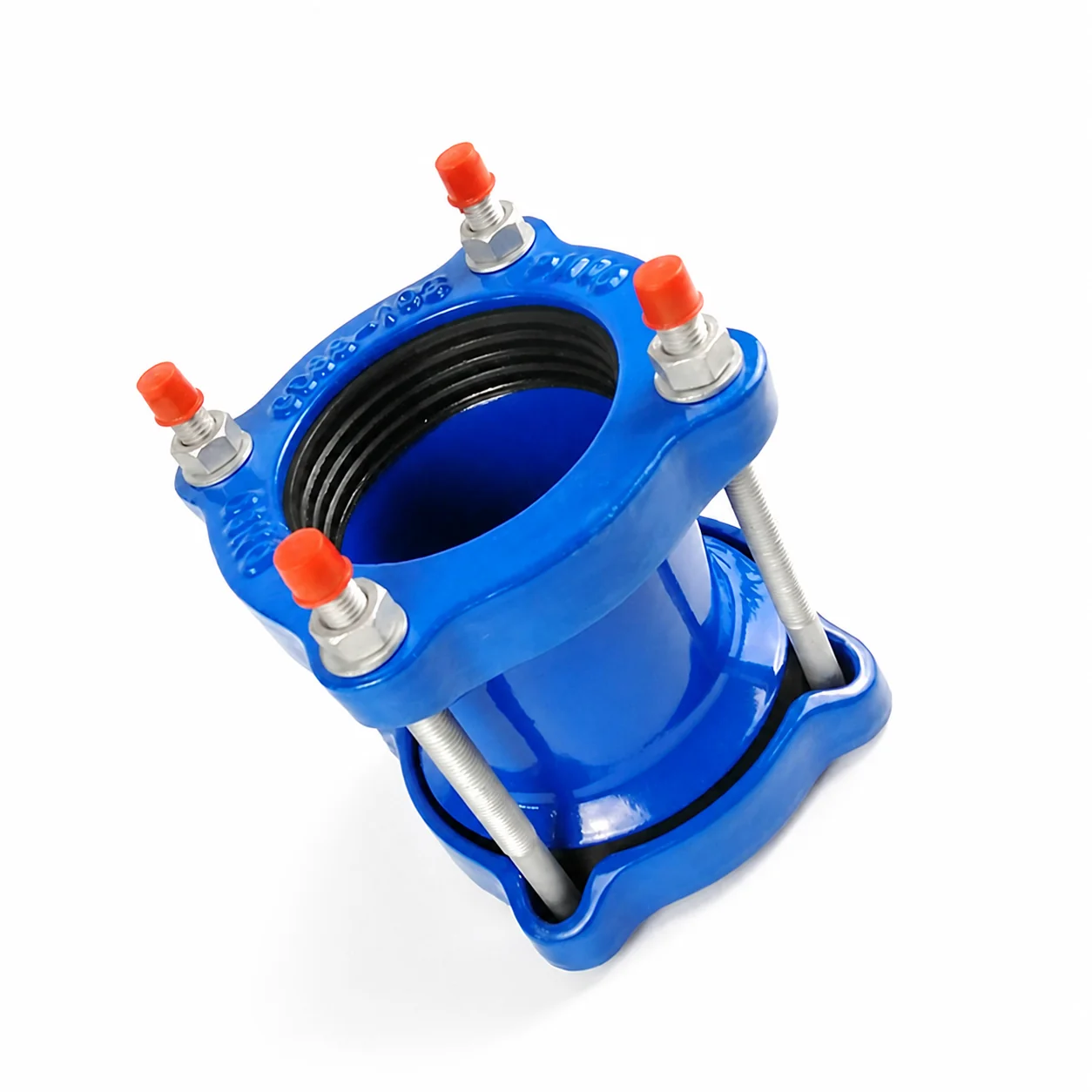
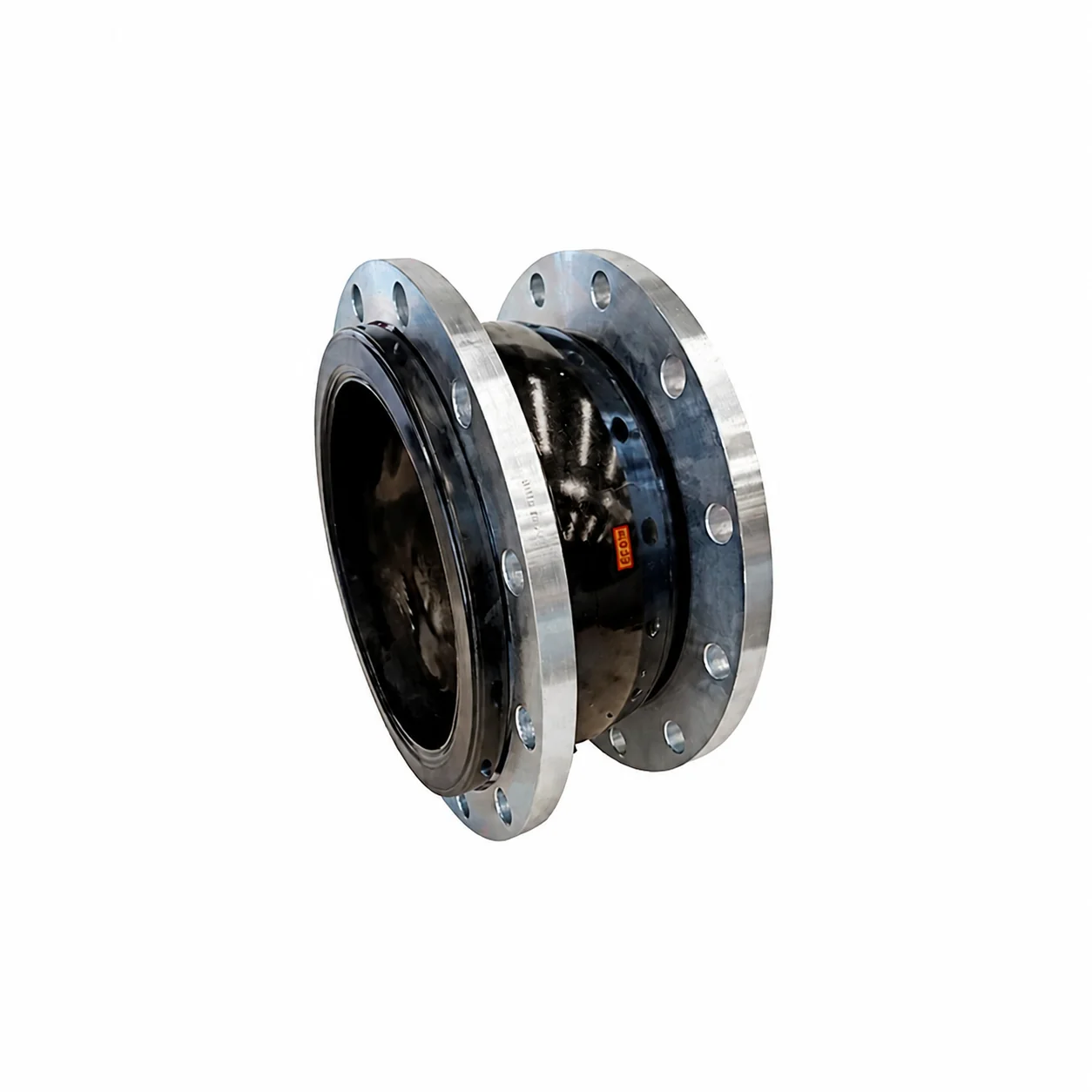
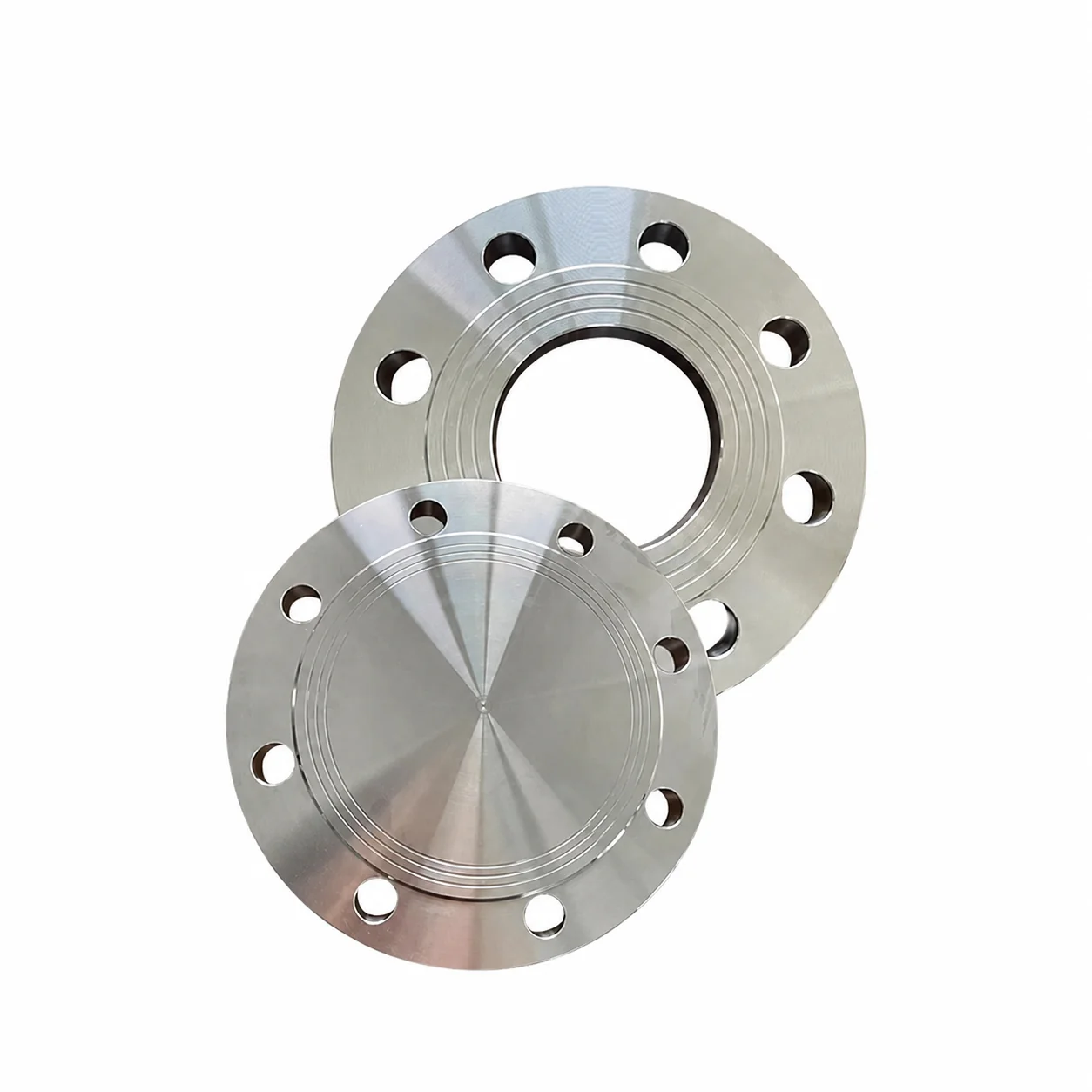
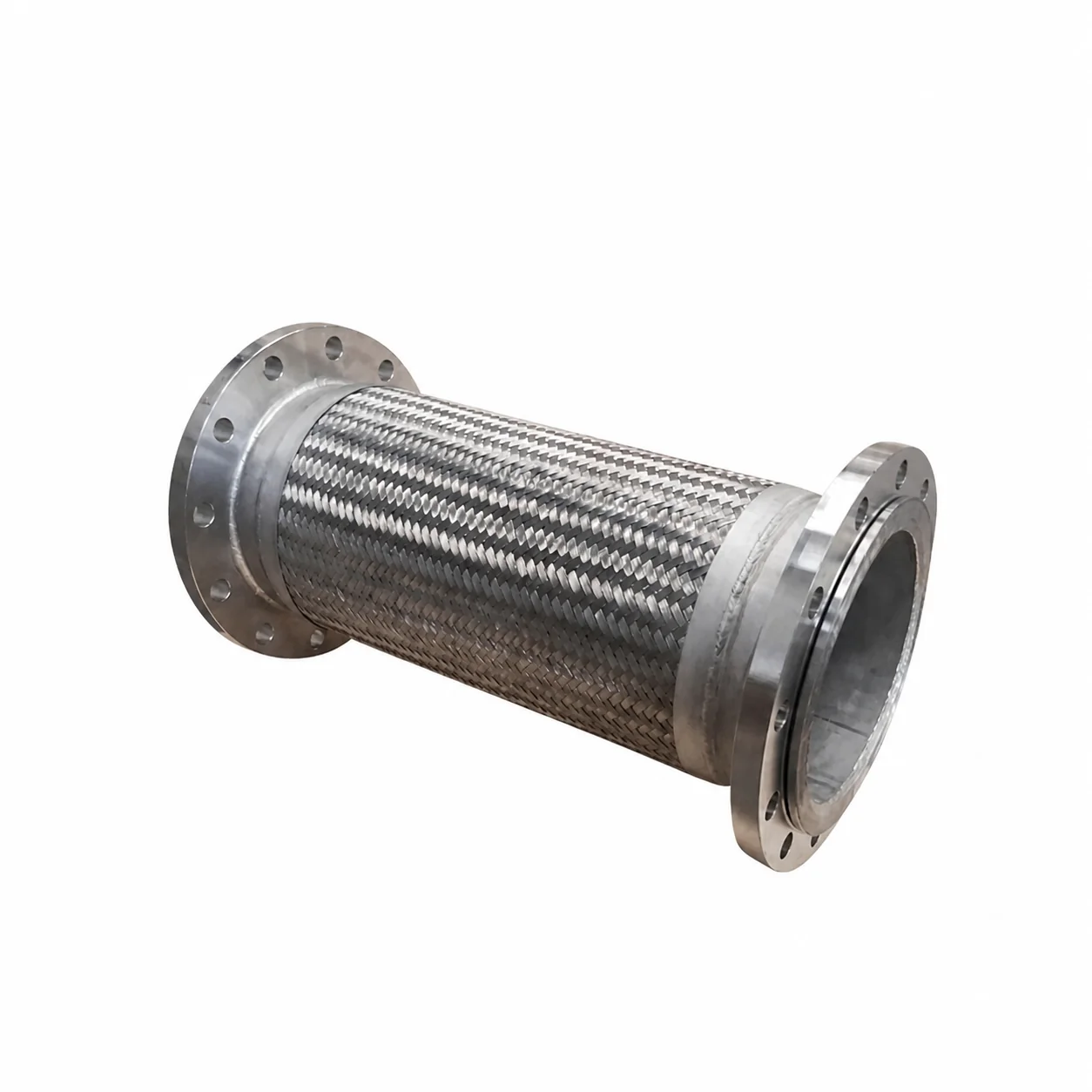
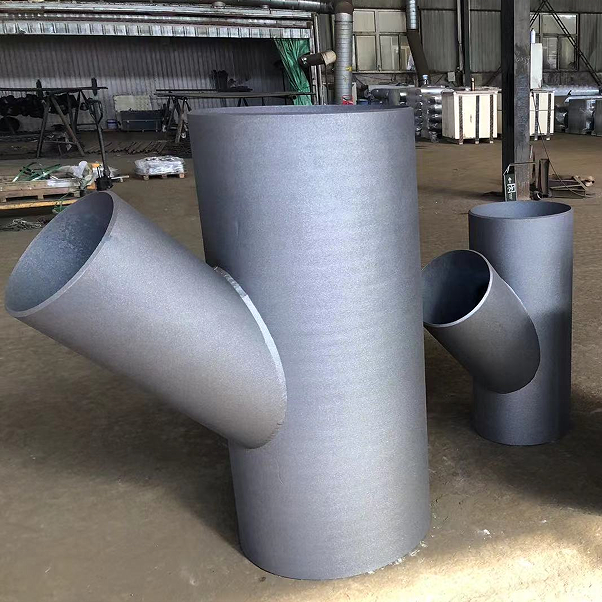
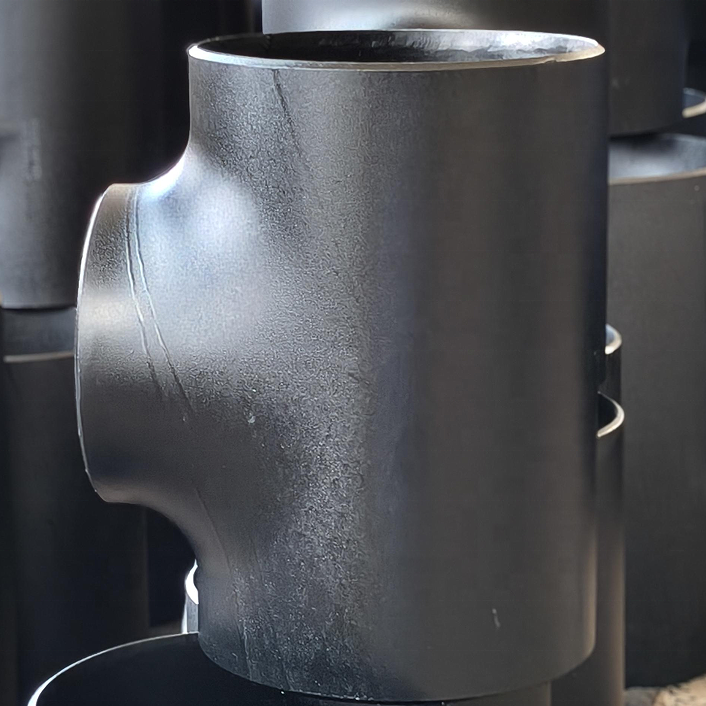
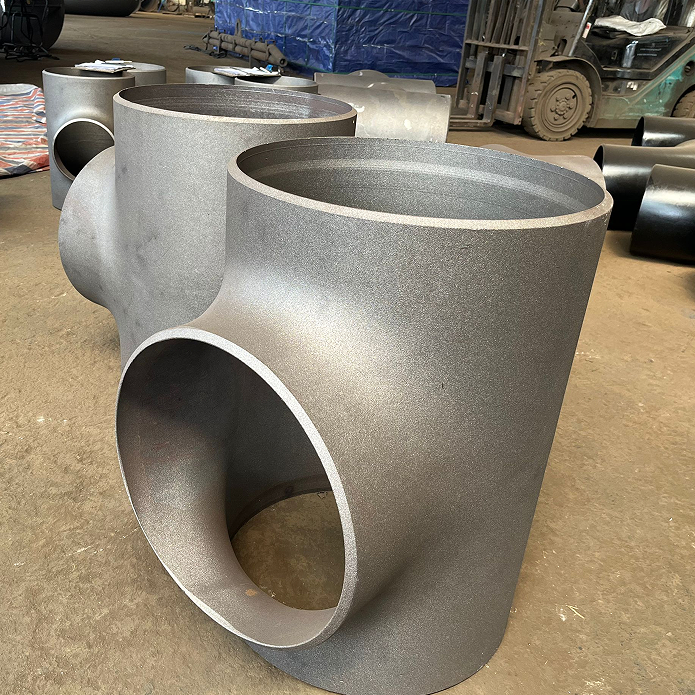
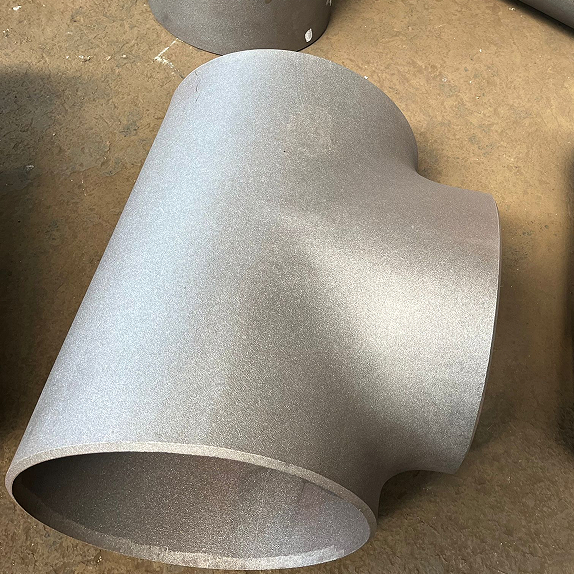
This carbon steel Y-type tee listing targets oil and gas branch pipelines and includes an ASME B16.9 reference. The original image shows angled branch forms, while the selectable type reads Reducer. Confirm the selected fitting and approved drawing before assigning branch dimensions or accepting the stated low-resistance performance.
Define actual Y-branch geometry and welding ends
Request the branch-axis arrangement and numerical angle on the approved drawing, with run and branch sizes, bore, wall and center-to-end dimensions. The Y Type name and image do not establish measured geometry. Confirm how the component maps to the selected option and define actual welding ends.
Agree mating-pipe details, tolerances and dimensional inspection criteria using explicit units. Equal, Hexagon, Customized Size and Metric entries do not supply a complete configuration. Clarify Welded connection versus production scope and obtain manufacturing evidence supporting Forged for the supplied fitting rather than assuming a route from appearance.
Evaluate the low-resistance reference with evidence
Low Fluid Resistance is a performance reference that needs actual hydraulic criteria for the selected component. Define the flow conditions and acceptance evidence required by the project. Do not assume a pressure-loss value or guaranteed improvement from the branch shape without data for the approved geometry and duty.
Identify the applicable ASME B16.9 edition and component scope, then request conformity and material records. Confirm supplied grade, condition and traceability; Carbon Steel and a234wpb options are not certificates. Specify Painting treatment, covered surfaces, surface acceptance and inspection criteria independently of hydraulic performance.
Set the oil and gas branch-line requirements
Provide composition, contaminants, flow requirements, pressure, temperature, cycles, transients and external loads. High Pressure and Other class leave numerical limits unspecified. Evaluate material, geometry and joints against the actual pipeline duty, then agree branch and end inspections, hydraulic documentation where required, marking, preservation and delivery before approval.
Technical information for every product inquiry
Prepare the requirement before final product confirmation.
The product page is a starting point. Drawings, samples, interfaces, materials, quantities and acceptance requirements are reviewed before stock matching or custom production is confirmed.
Discuss this product in your project context.
Share the available drawing, sample, reference, target quantity and application information. Unknown items can remain open for review.