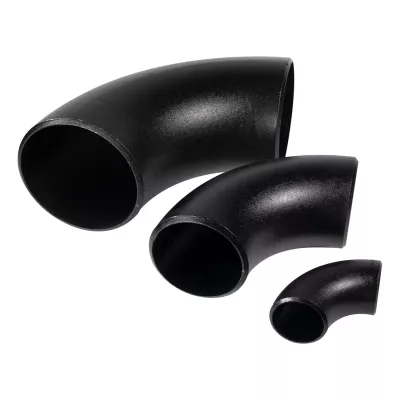
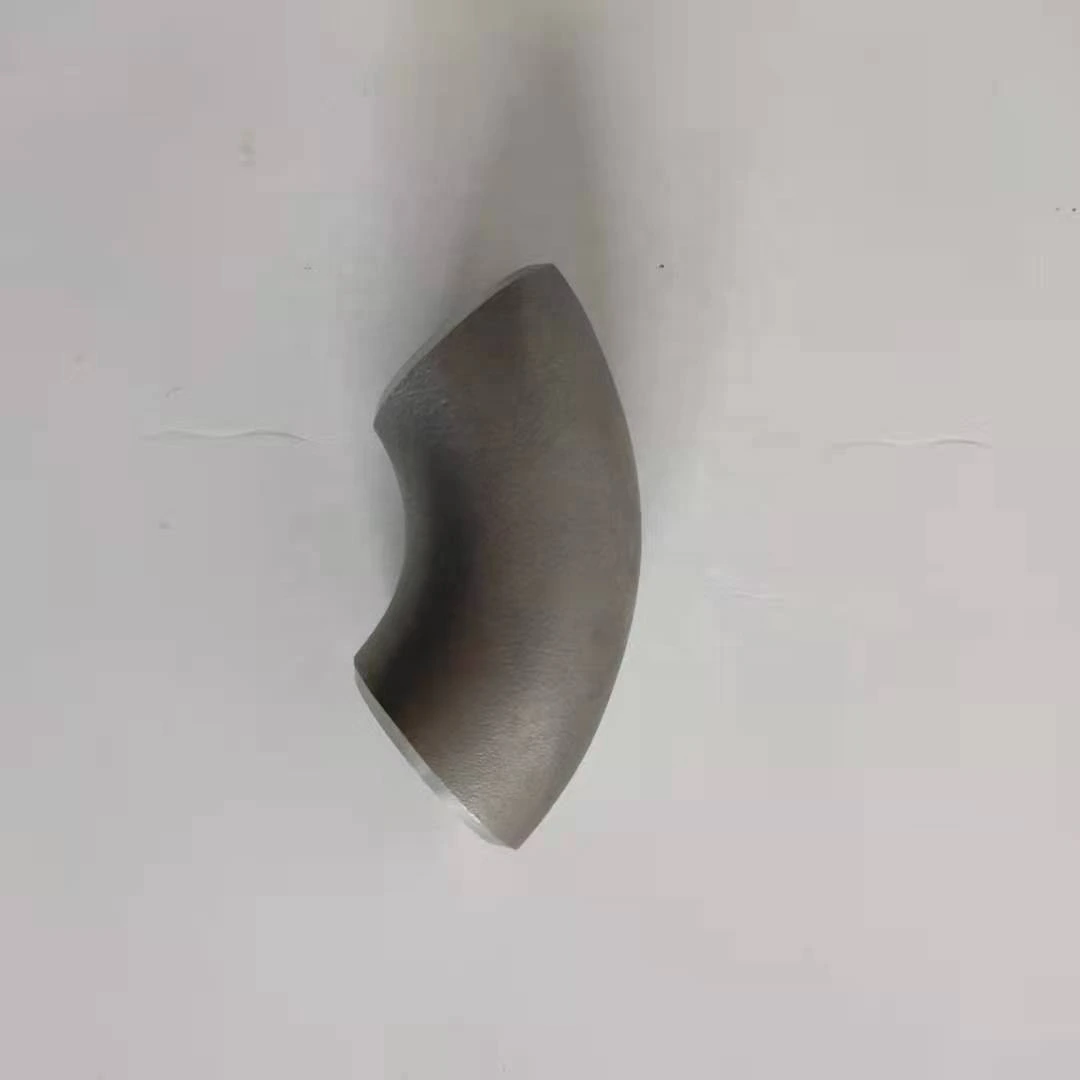
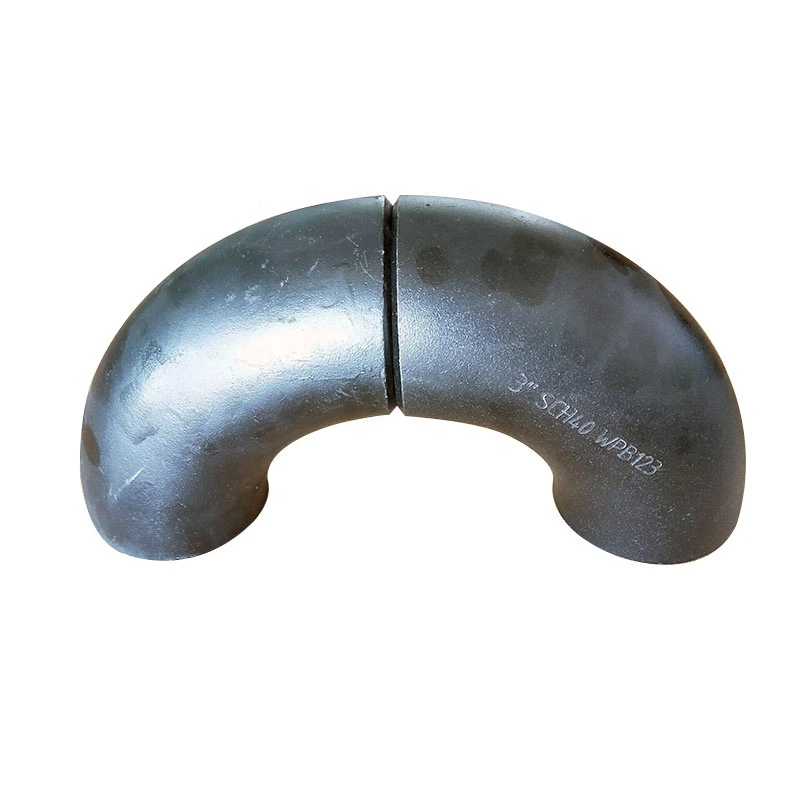
ASME B16.9 Carbon Steel Short-Radius 45° Butt-Weld Elbow
For industrial sourcing
Prepare a clearer RFQ
Include the details below so RELIA can understand the part and discuss the next step with you.
- Drawing, sample, or reference standard
- Material grade and preferred process
- Dimensions, tolerances, and surface finish
- Application, target quantity, and destination
Production timing, packing, and shipping terms are confirmed for each project after specifications and trade terms are agreed.
-
warranty1 Yearcustomized supportOEM, ODM
-
model numberelbow 3623TechnicCasting
-
ConnectivityFemale/MaleshapeReducing
-
head codeRoundSurface TreatmentPainting
-
Mounting hole diameter0.17 inPipe Class150
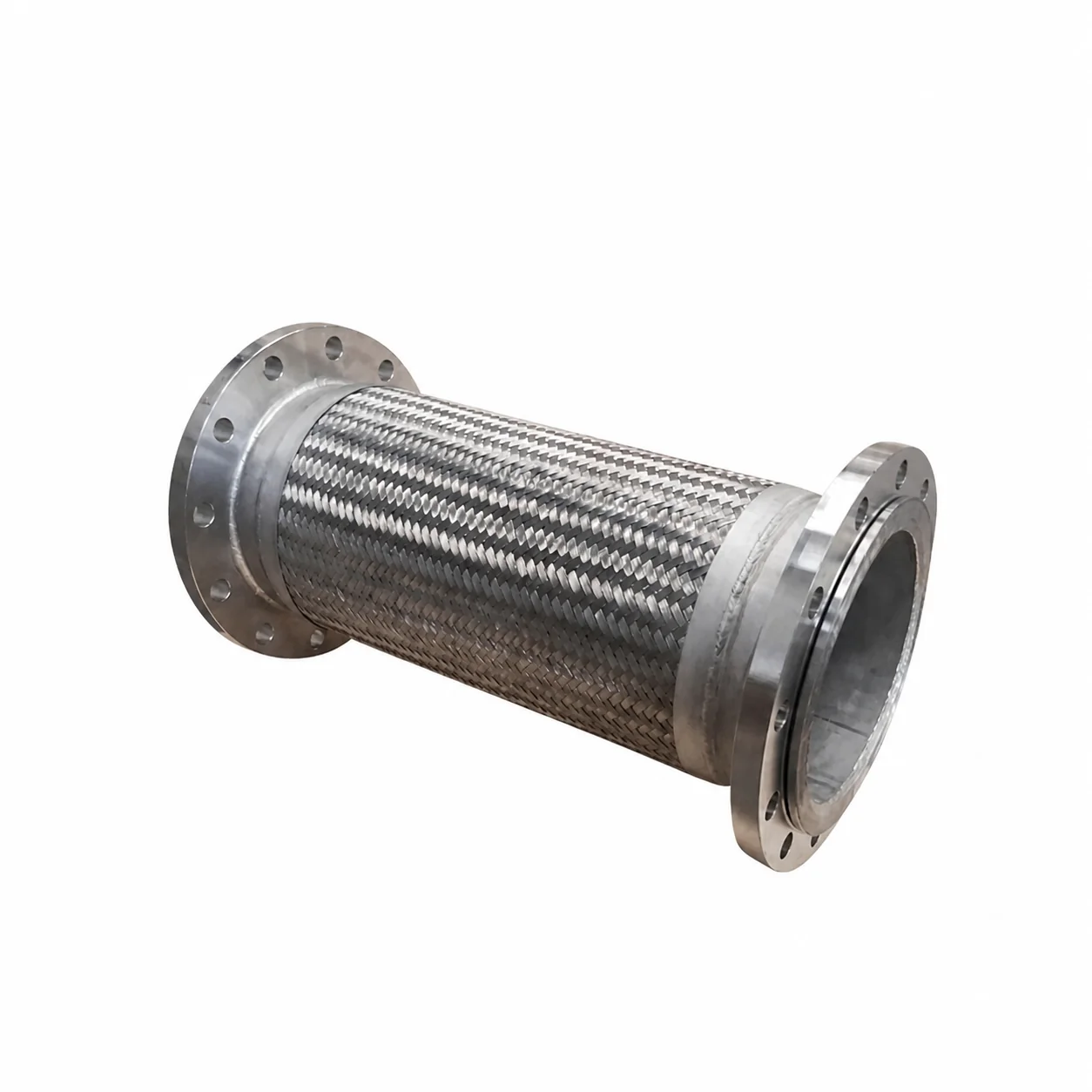
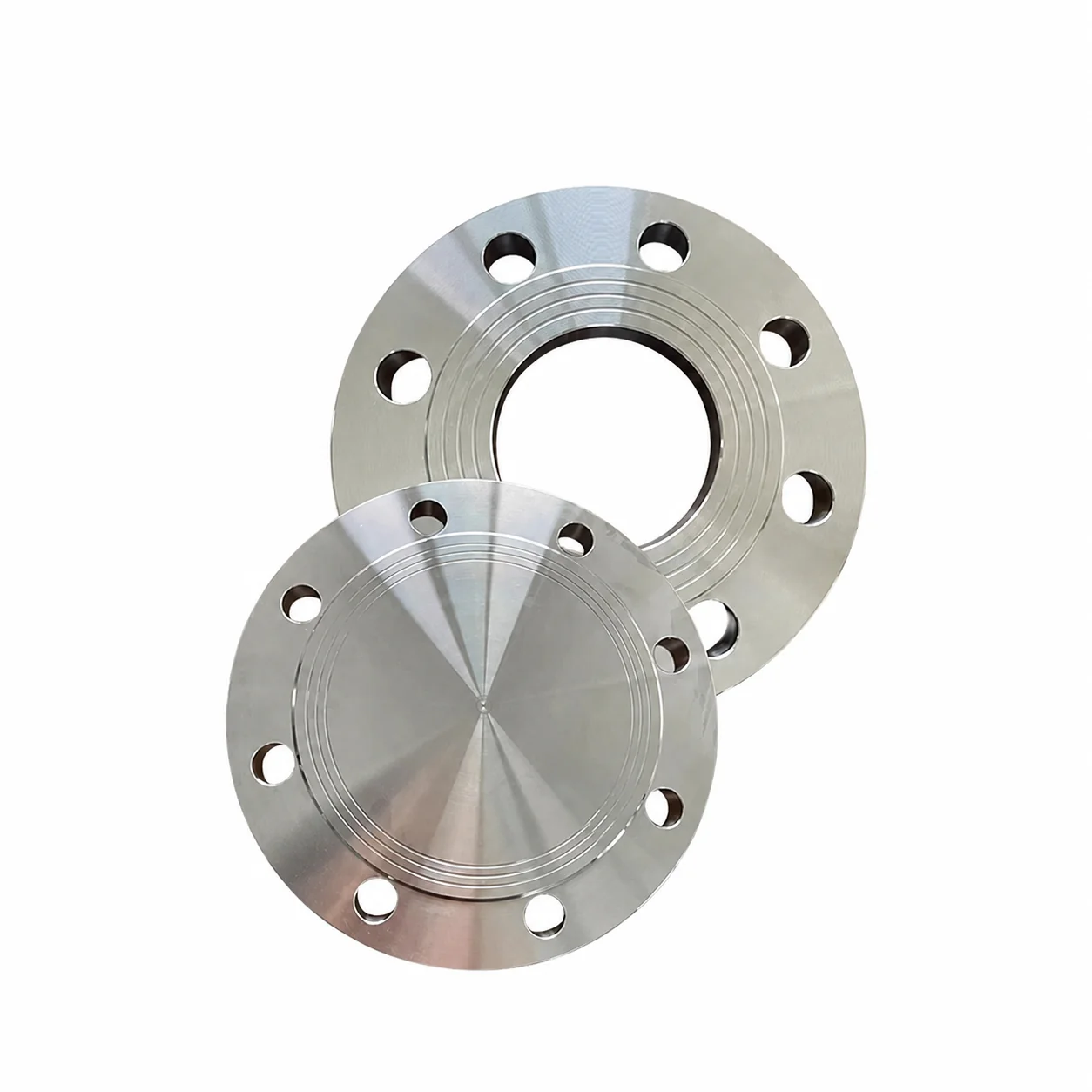
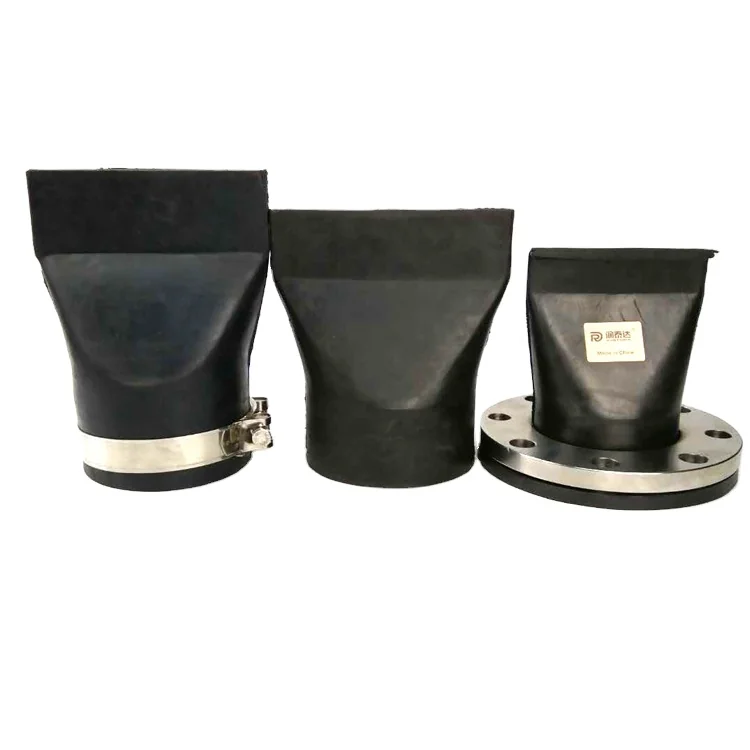
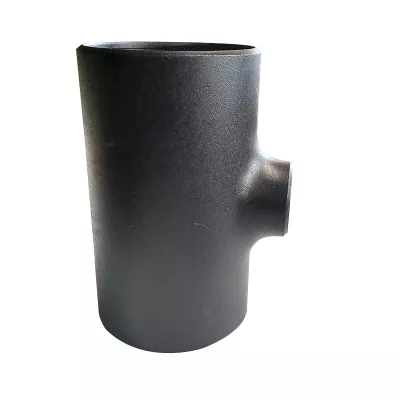
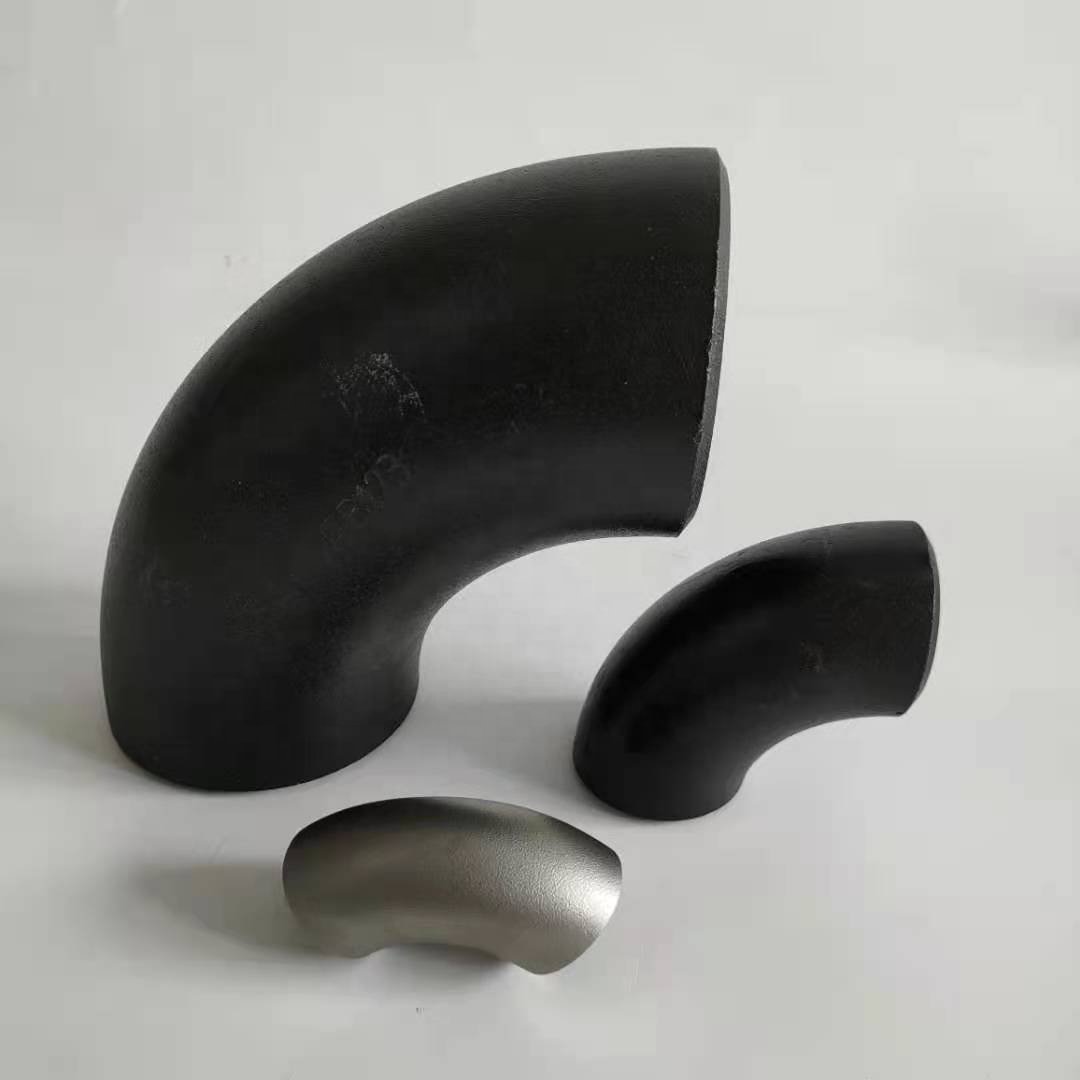
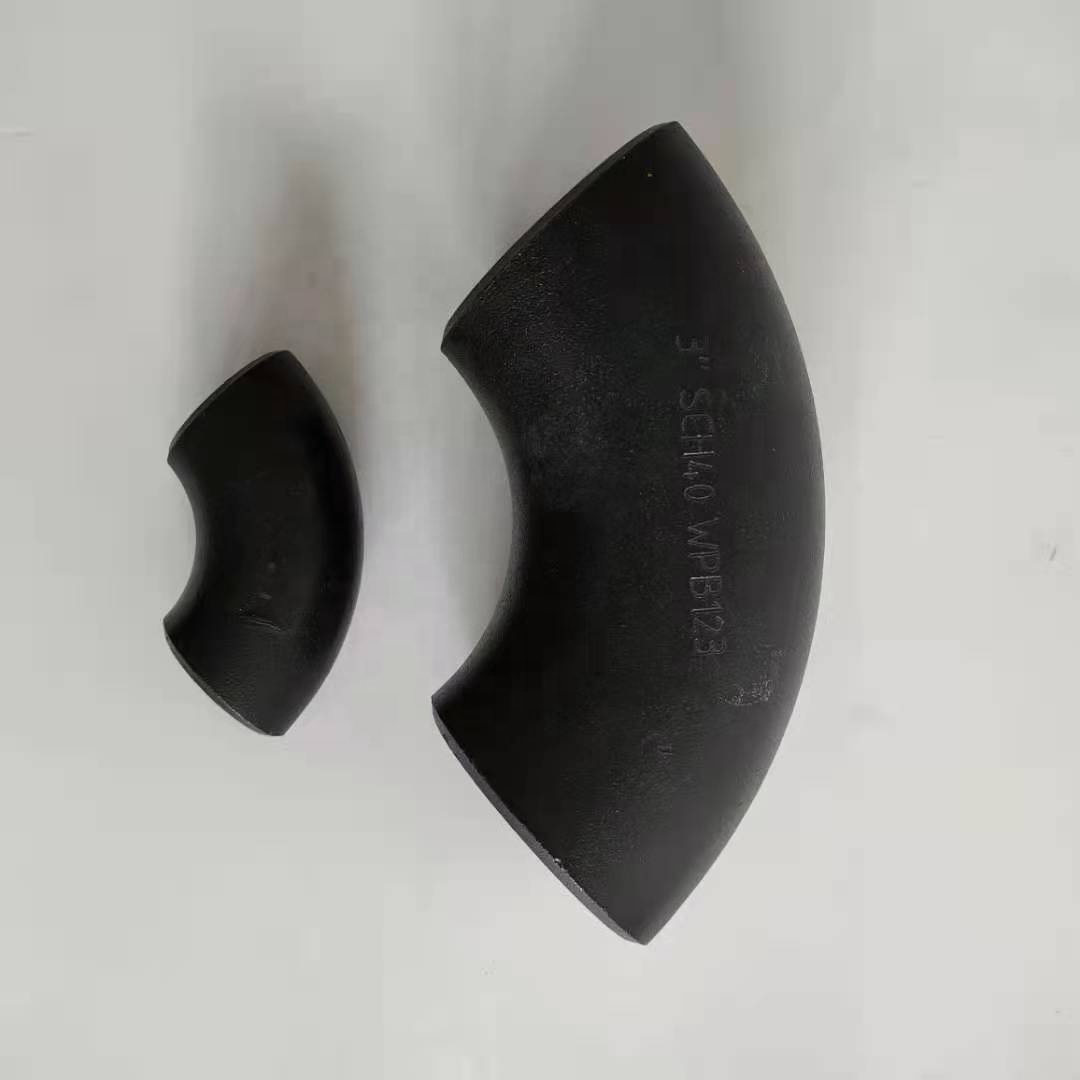
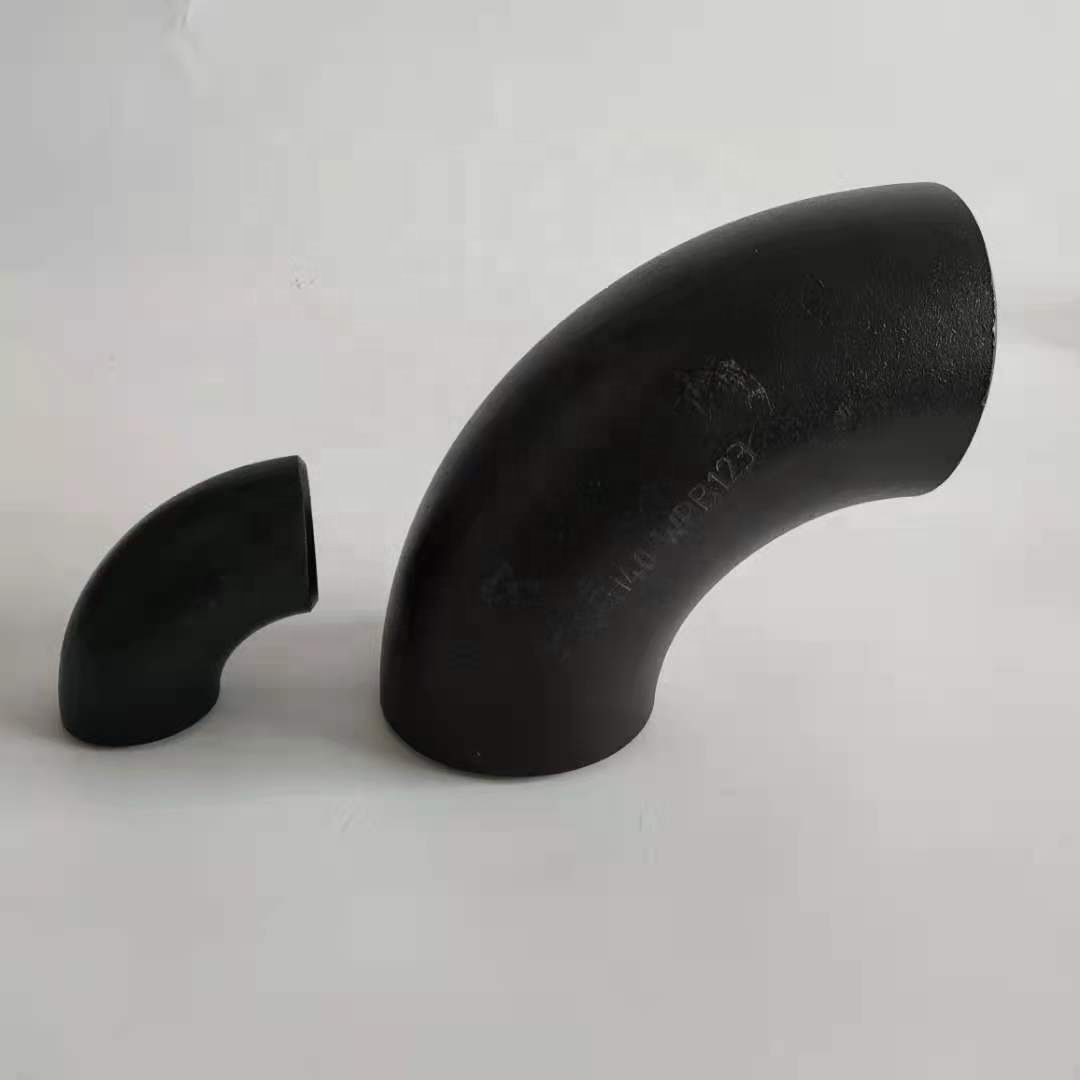
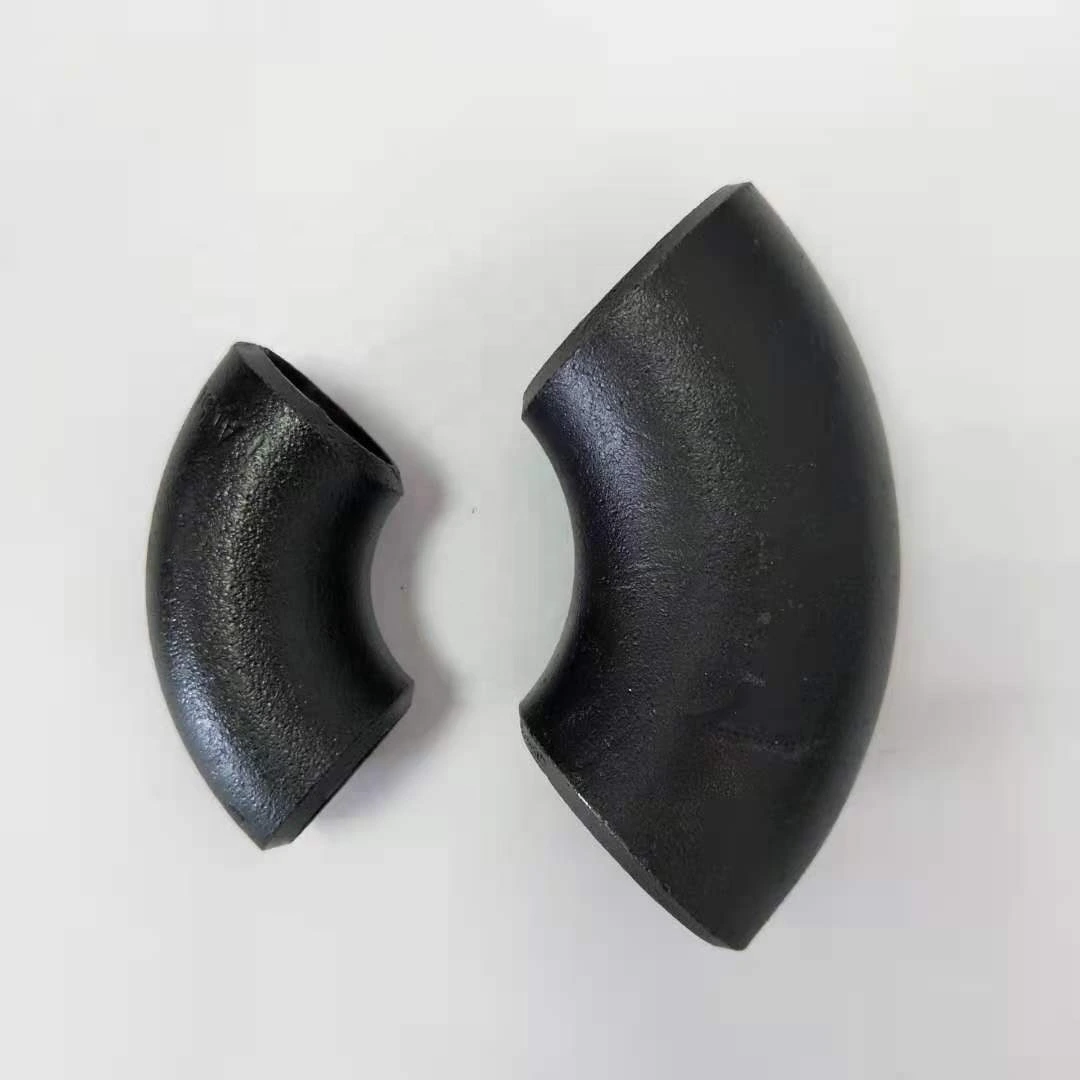
This pipe elbow enquiry centres on a carbon-steel short-radius bend with a 45-degree butt-weld requirement under ASME B16.9. A selected-item drawing is essential when comparing the available size and material choices. The photographs include different curved arrangements, so establish the actual angle and radius before using the images to plan a compact pipe direction change.
Specify the bend envelope
State the required deflection angle and centreline radius as separate dimensions. Request end-to-centre measurements, nominal sizes, outside diameters and wall thickness for the selected elbow. Explain what the millimetre size option measures and whether both ends have the same bore or a reducing arrangement. The required short radius should be checked against the governing dimensional specification and available installation space, including access for welding and inspection.
Match the butt-weld interface
Define bevel angle, land and end-wall requirements together with the mating pipe dimensions. The Female/Male field does not establish thread geometry or replace a weld-preparation drawing. Choose the carbon-steel variant and specify its exact grade and material standard; stainless-steel alternatives require a separate designation. Link material and production records to that selected item before accepting its construction, since the generic Casting field alone does not establish the manufacturing route.
Set dimensional and service acceptance
Provide the B16.9 edition, dimensional tolerances and agreed inspection requirements. State the fluid, operating pressure and temperature, corrosion conditions and fabrication constraints so engineering assessment covers the complete welded joint. A Pipe Class 150 field is not a pressure-temperature qualification for this elbow, and the Painting or mounting-hole labels do not demonstrate coating performance or measured bend dimensions. A useful enquiry combines the required angle and radius with one end-detail drawing, exact grade and traceable acceptance records.
Technical information for every product inquiry
Prepare the requirement before final product confirmation.
The product page is a starting point. Drawings, samples, interfaces, materials, quantities and acceptance requirements are reviewed before stock matching or custom production is confirmed.
Discuss this product in your project context.
Share the available drawing, sample, reference, target quantity and application information. Unknown items can remain open for review.