

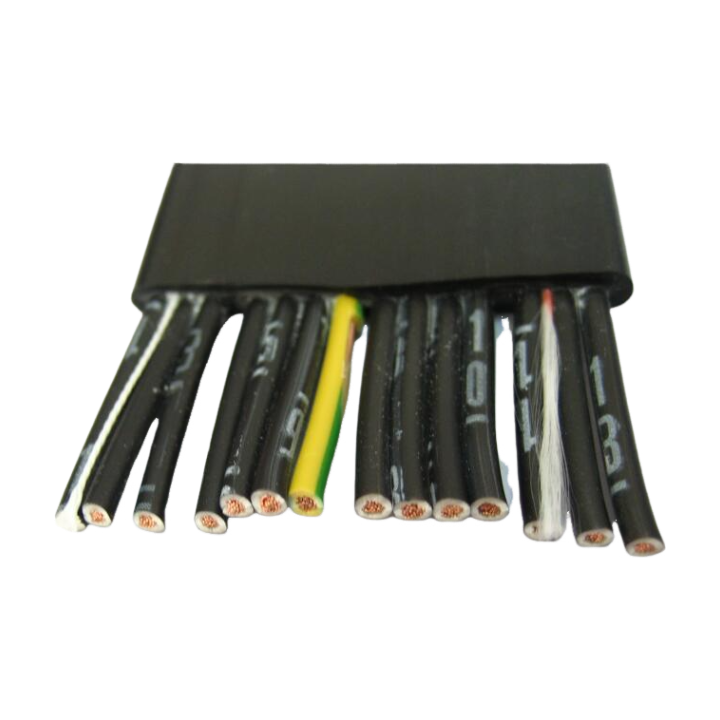
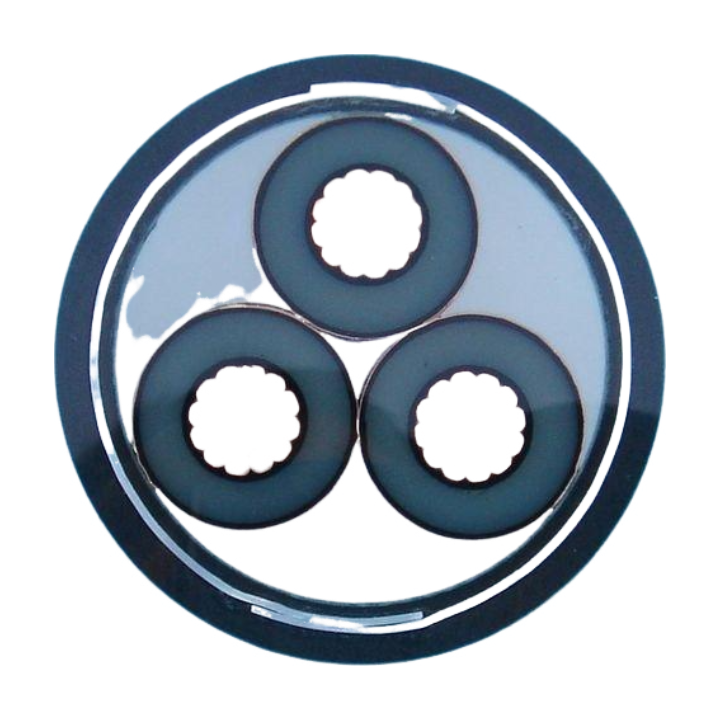
Marine Cables
For industrial sourcing
Prepare a clearer RFQ
Include the details below so RELIA can understand the part and discuss the next step with you.
- Drawing, sample, or reference standard
- Material grade and preferred process
- Dimensions, tolerances, and surface finish
- Application, target quantity, and destination
Production timing, packing, and shipping terms are confirmed for each project after specifications and trade terms are agreed.
Marine Cable Specifications
1. Description
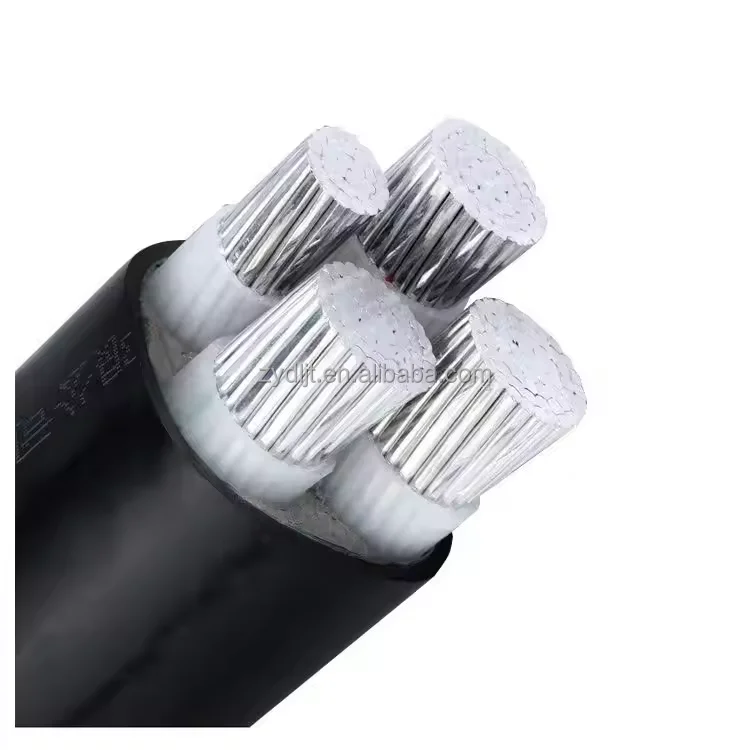
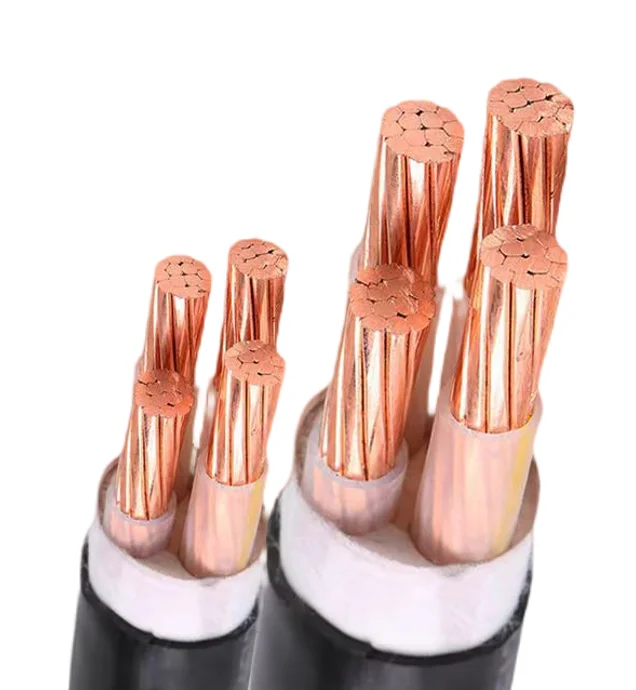
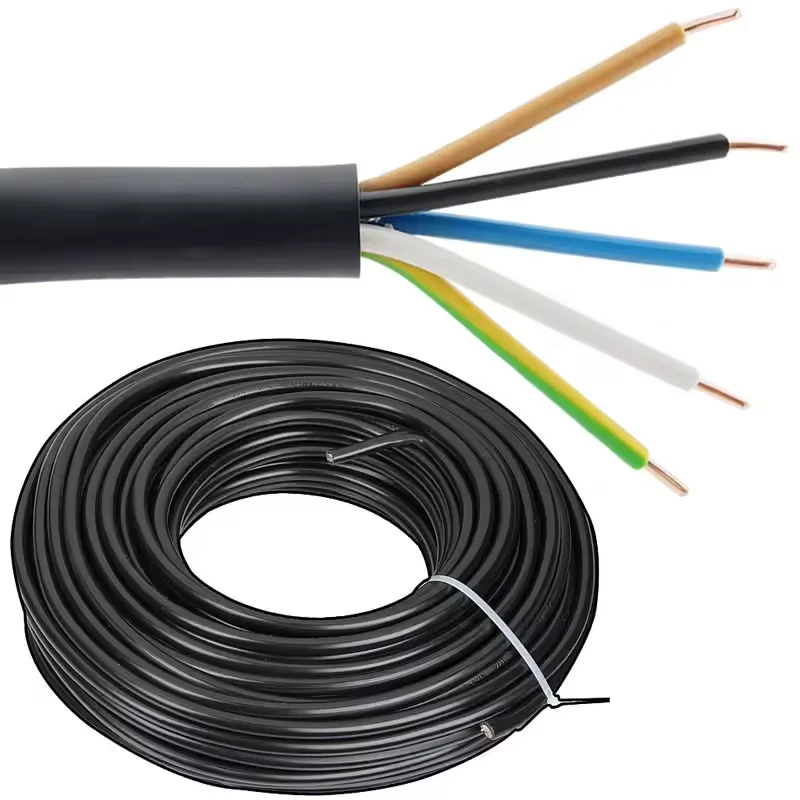
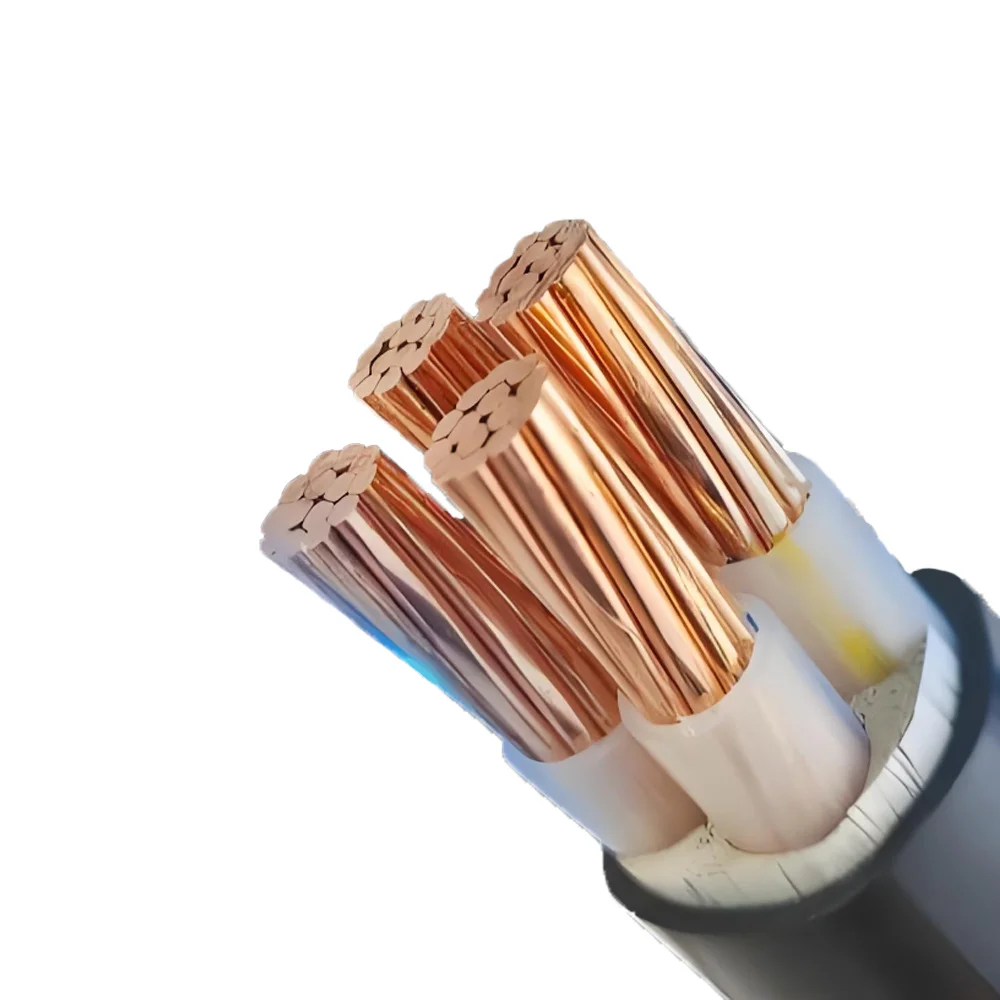
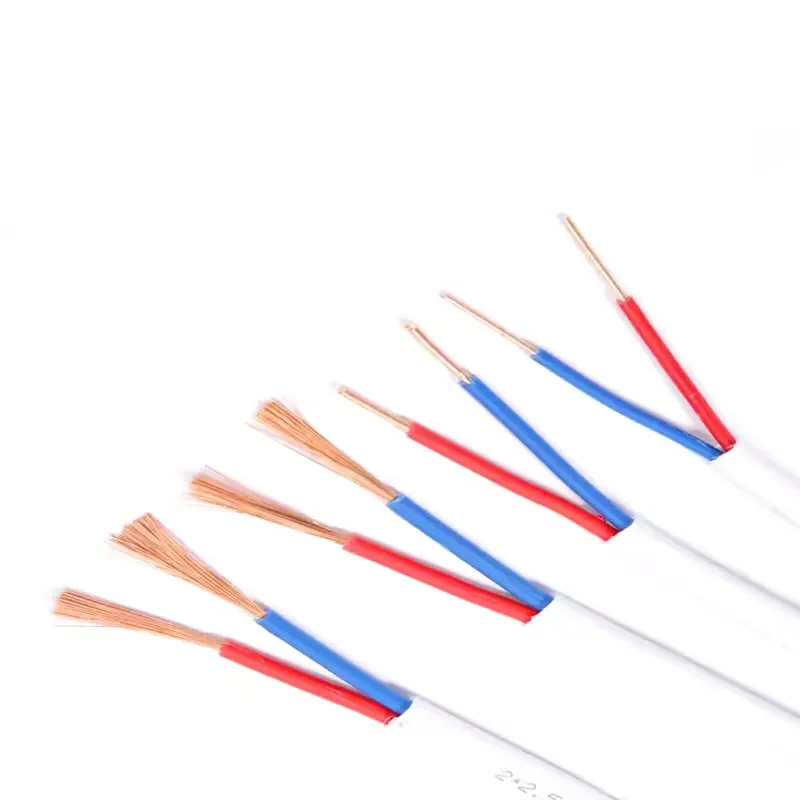
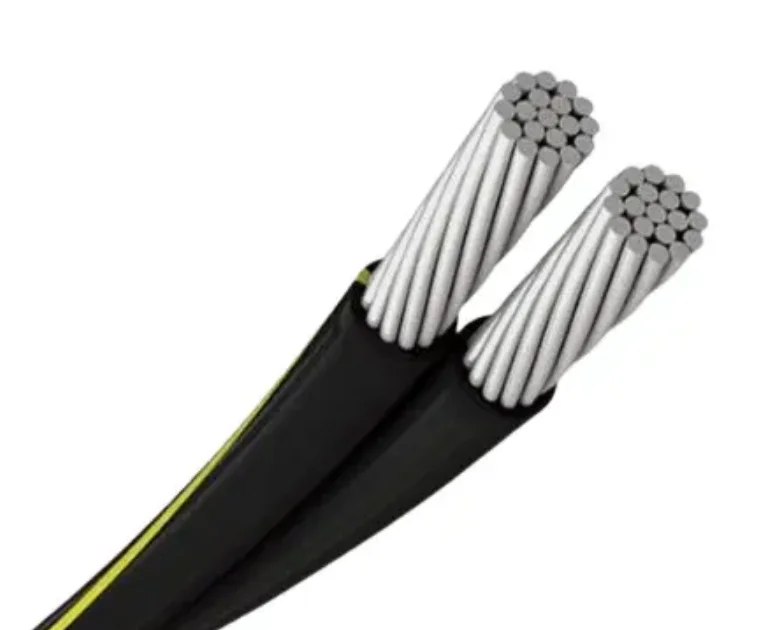
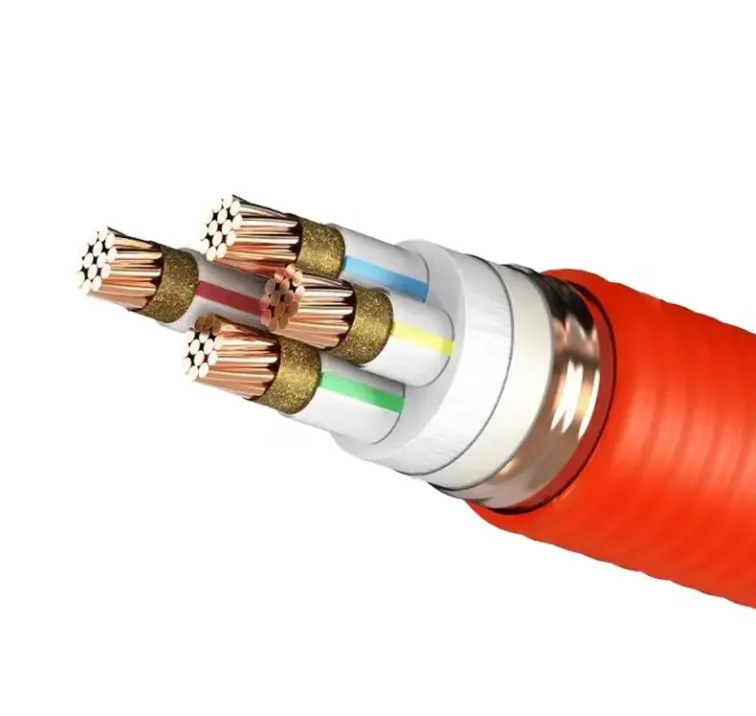
Marine cables are designed for shipboard and offshore applications, built to withstand harsh environmental conditions such as saltwater, oil, heat, and humidity.
2. Conductor Material
- Tinned Copper: Preferred due to corrosion resistance.
- Bare Copper: Sometimes used in low-corrosion environments.
3. Insulation
- Cross-Linked Polyethylene (XLPE), Ethylene Propylene Rubber (EPR), or PVC:
- Provides protection against moisture, oil, and temperature variations.
4. Jacket
- Thermoplasticor Thermoset Rubber.
- Highly resistant to oil, heat, flame, and abrasion.
- Color-coded for easy identification (varies depending on usage).
5. Voltage Rating
- Typically rated for 600V, 1kV, 6kV, or 15kV, depending on the application.
6. Temperature Rating
- -40°C to +90°Cin most cases.
- Some marine cables are rated for +105°Cor 125°C for higher heat environments.
7. Flame Retardancy
- IEC 60332-1, IEC 60332-3: Complies with flame retardant and low-smoke emission standards.
- Low-Smoke Zero Halogen (LSZH): Often required for safety in confined spaces.
8. Standard Compliance
- IEC 60092(Marine Electrical Installations).
- IEEE 45, NEK 606(Offshore standards).
- ABS, DNV-GL, Lloyd’s Registerfor shipboard and offshore certifications.
9. Shielding Options
- Unshielded: Basic protection for low-interference environments.
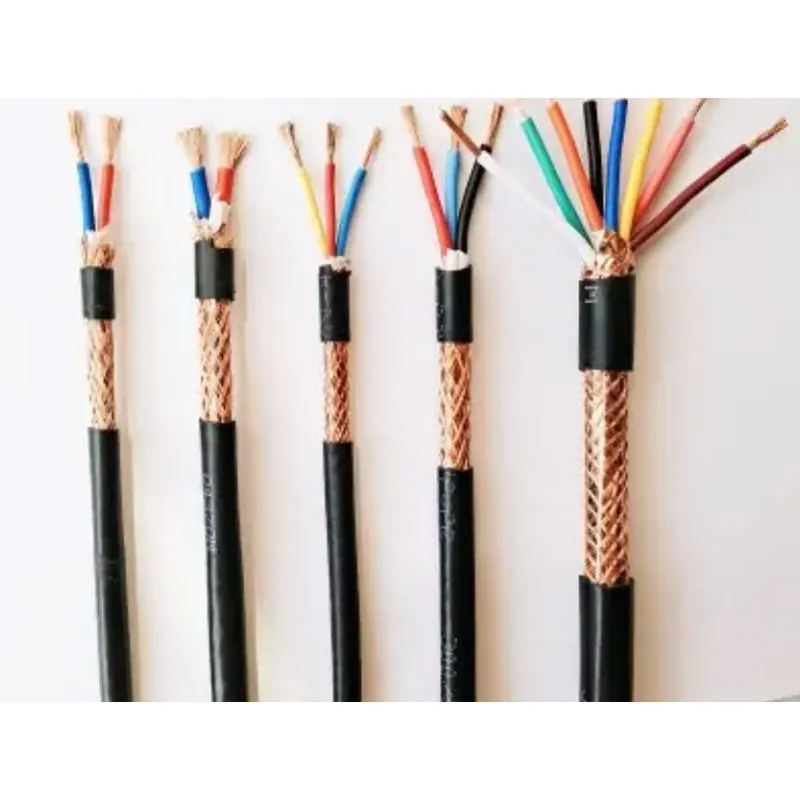
- Shielded: For environments requiring protection from electrical interference (e.g., instrumentation cables).
10. Available Sizes (AWG or mm²)
- Range from 18 AWG(0.75 mm²) to 1000 kcmil (500 mm²) or larger, depending on the application.
11. Applications
- Power cables: Supplying power to onboard systems.
- Control cables: Signal transmission and control systems.
- Instrumentation cables: Sensitive data transmission with shielding options.
- Communication cables: For telecommunications and onboard networking.
12. Ampacity (based on typical NEC values)
- 18 AWG: 14 amps.
- 16 AWG: 18 amps.
- 14 AWG: 25 amps.
- 12 AWG: 30 amps.
- 10 AWG: 40 amps.
- 8 AWG: 55 amps.
13. Armor Options
- Armored: For protection in rugged environments, with steel wire armor or braid.
- Unarmored: For lighter-duty or protected environments.
14. Environmental Resistance
- UV Resistant: Able to withstand sunlight exposure.
- Oil and Chemical Resistant: Suitable for use in oil-immersed environments.
- Waterproof: Suitable for both wet and dry locations, often rated for submersion.
15. Typical Marine Cable Types
- Type P Cable: Power, control, and instrumentation for offshore and marine use.
- Marine Grade Flexible Cable: For flexible and demanding applications, often with tinned copper conductors.
Technical information for every product inquiry
Prepare the requirement before final product confirmation.
The product page is a starting point. Drawings, samples, interfaces, materials, quantities and acceptance requirements are reviewed before stock matching or custom production is confirmed.
Discuss this product in your project context.
Share the available drawing, sample, reference, target quantity and application information. Unknown items can remain open for review.