


Carbon Steel / Stainless Steel Flanged Ball Valve Enquiry
For industrial sourcing
Prepare a clearer RFQ
Include the details below so RELIA can understand the part and discuss the next step with you.
- Drawing, sample, or reference standard
- Material grade and preferred process
- Dimensions, tolerances, and surface finish
- Application, target quantity, and destination
Production timing, packing, and shipping terms are confirmed for each project after specifications and trade terms are agreed.
-
applicationGeneralBall MaterialSTAINLESS STEEL
-
Connection TypeflangemediaBASE
-
Port Size1/4in - 4instructureBall
-
model numberball valveConnection Size1/4in - 4in
-
customized supportOEM, odmFlow Rate0-100L/min
-
For Maximum Pipe Size4in(10.16cm)Operating PressureLow Pressure
-
Operating Temp. Range0~150 Celsiuspowermanual
-
Sealing MaterialPTFEtemperature of mediaMedium Temperature
-
warranty1 year
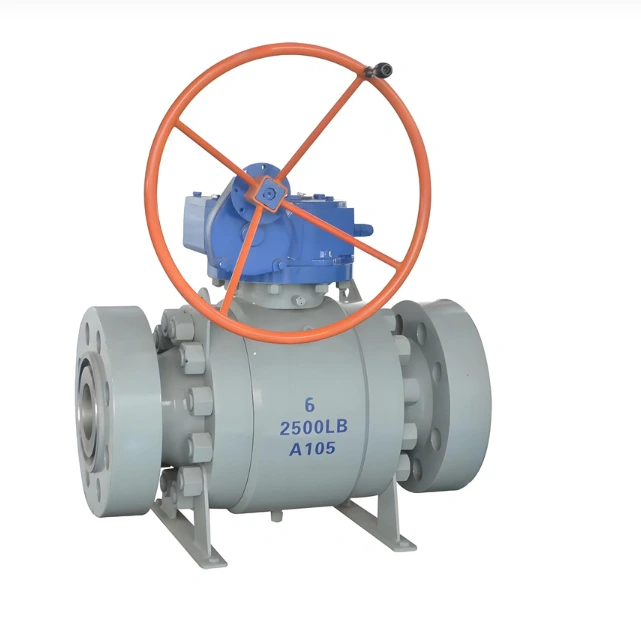
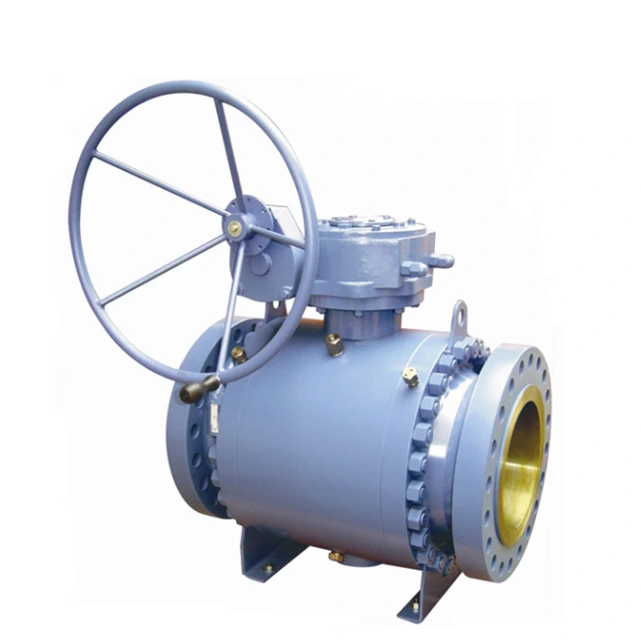
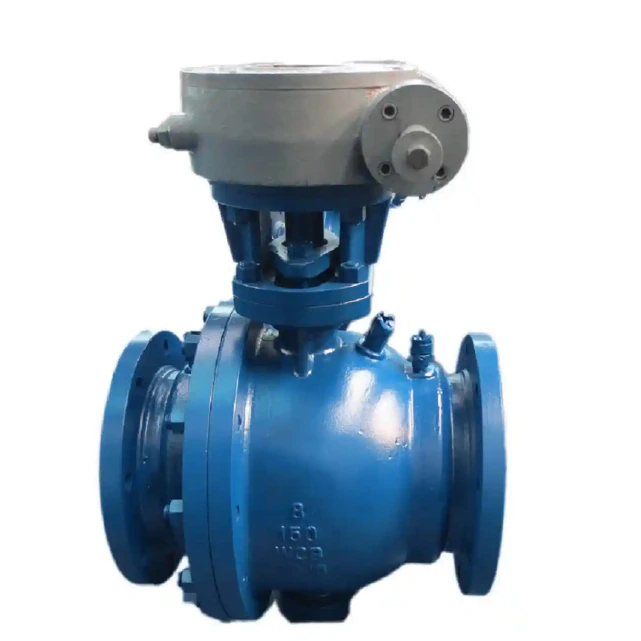
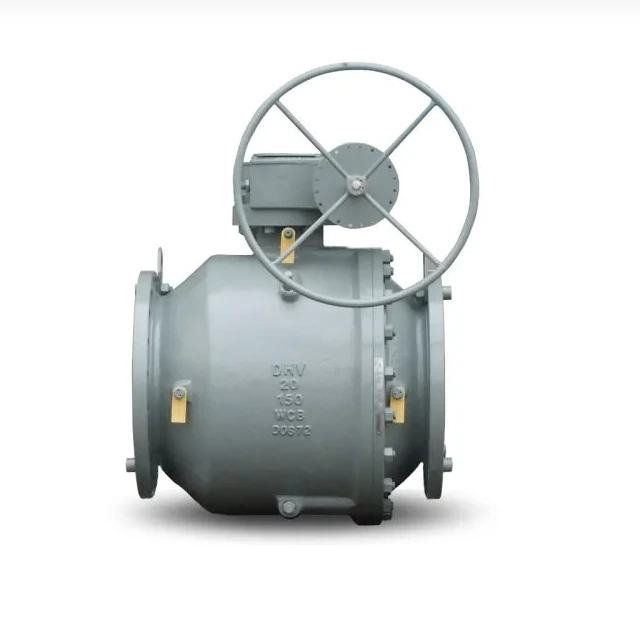
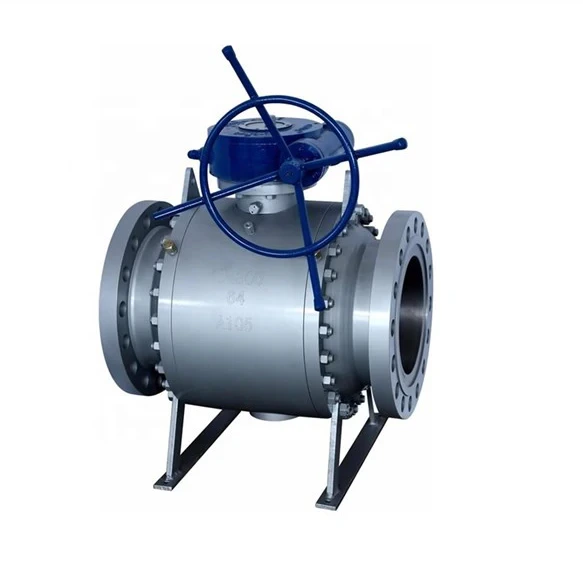
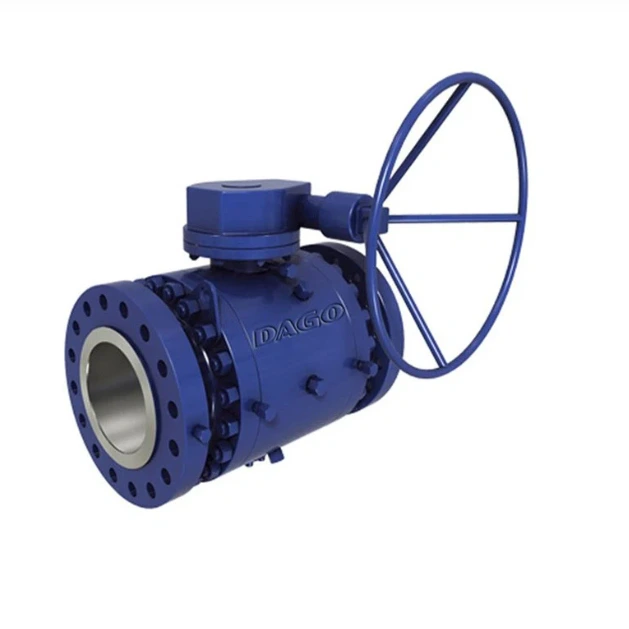
A flanged ball valve enquiry should identify the required flow passage and the construction supporting the ball. Select the intended bore and support arrangement before comparing materials or operating labels. The useful specification connects those choices to one valve model, its pipe interfaces and the documented conditions under which it will be assessed.
Specify the Flow Bore and Ball-Support Arrangement
Give the nominal connection size and required actual bore separately. State whether the project requires a full- or reduced-bore configuration, and request the dimensions establishing that requirement. Obtain a section drawing showing floating or trunnion support, body construction, stem and seats. The presence of both construction terms does not establish every combination for every size. Link the selected internals to the same model shown in the quotation and dimensional records.
Separate Component Materials from Interface Details
Specify body, ball and sealing materials independently and request traceable records for each required component. A broad steel label or casting description does not define every wetted material. Give the flange standard, facing, drilling and face-to-face requirements, then compare the complete mating pipe interface. Define the manual operator arrangement and available installation access so the proposed assembly can be checked against the intended operating position.
Qualify the Combined Pressure, Temperature and Flow Duty
Name the fluid composition and state operating pressure, temperature and intended flow conditions together. Include the differential-pressure conditions relevant to the flow assessment. Request a qualified operating envelope covering the selected body, seats and assembly, with model-specific test evidence. Standalone temperature or flow figures and qualitative pressure labels cannot define that combined scope. Complete the enquiry with the selected bore/support drawing, component materials, flange and operator interfaces and documented duty limits.
Technical information for every product inquiry
Prepare the requirement before final product confirmation.
The product page is a starting point. Drawings, samples, interfaces, materials, quantities and acceptance requirements are reviewed before stock matching or custom production is confirmed.
Discuss this product in your project context.
Share the available drawing, sample, reference, target quantity and application information. Unknown items can remain open for review.
