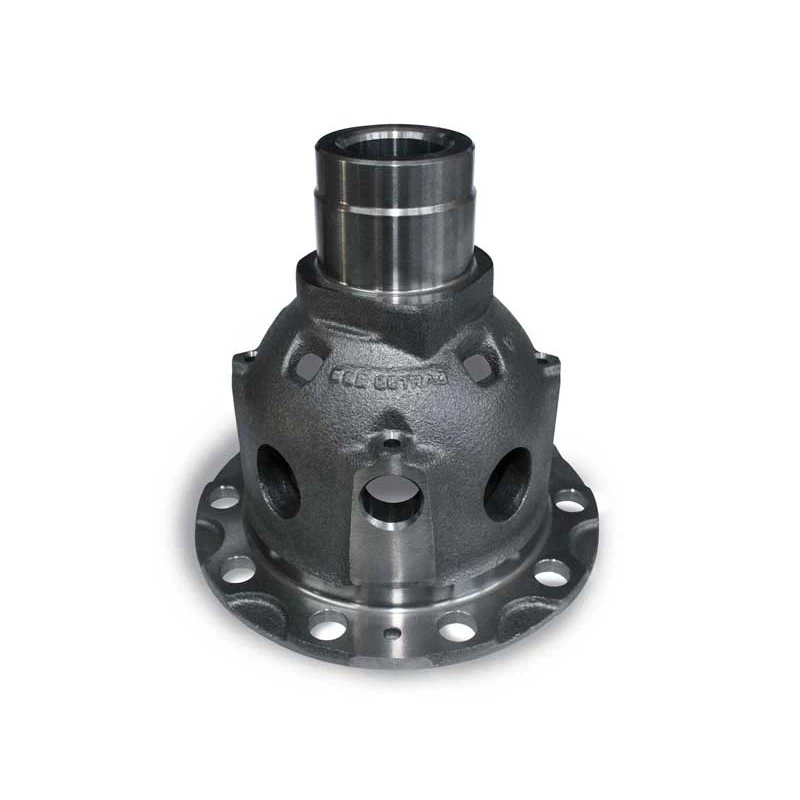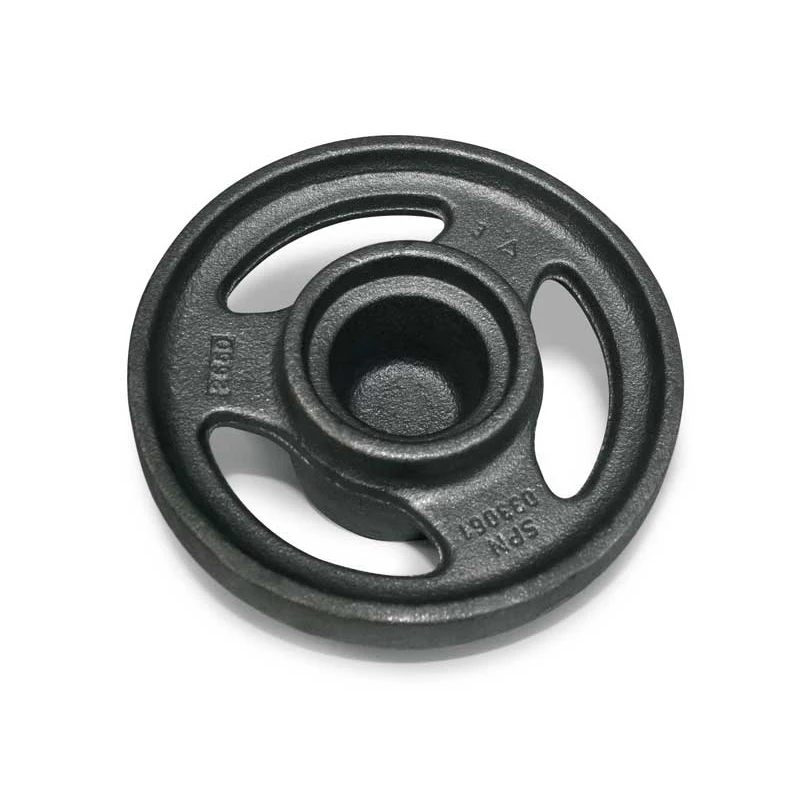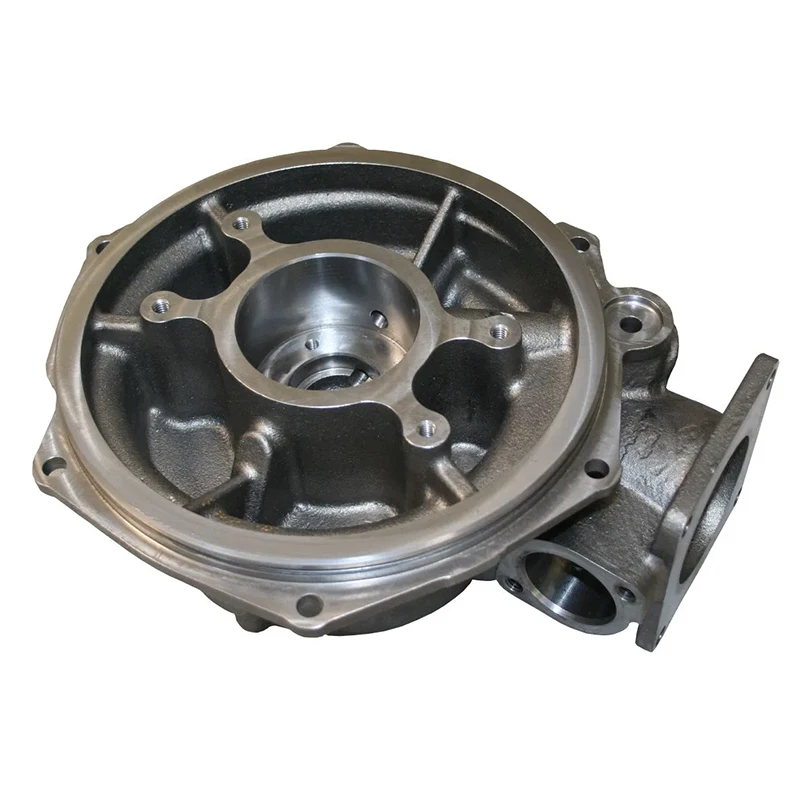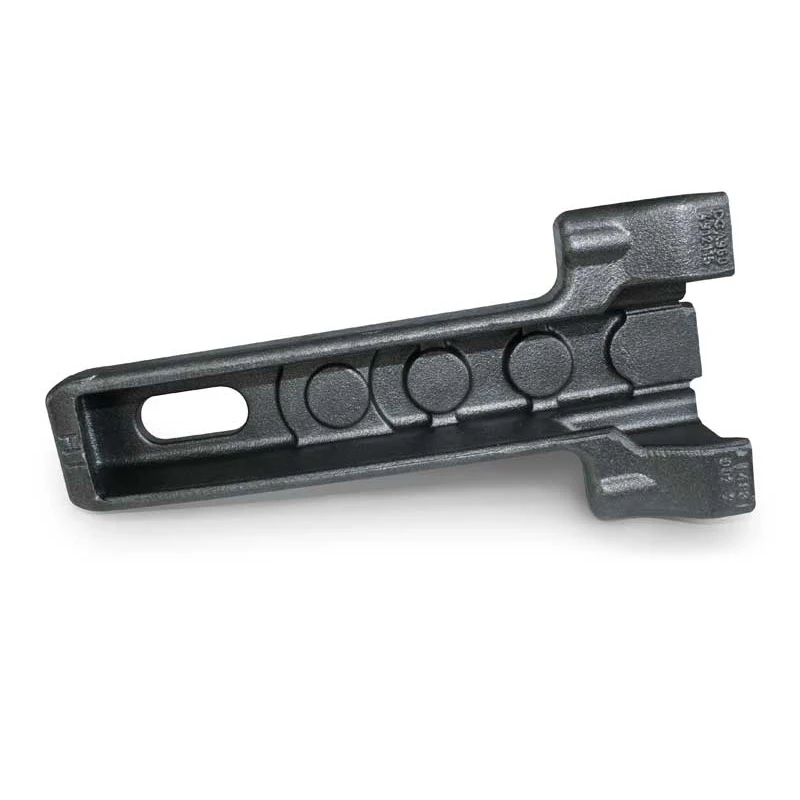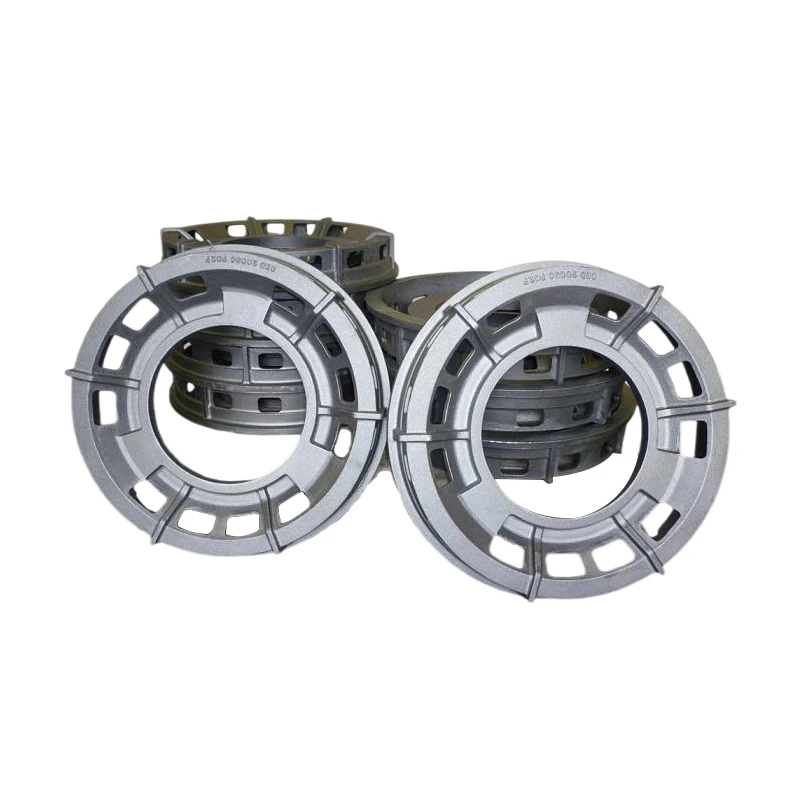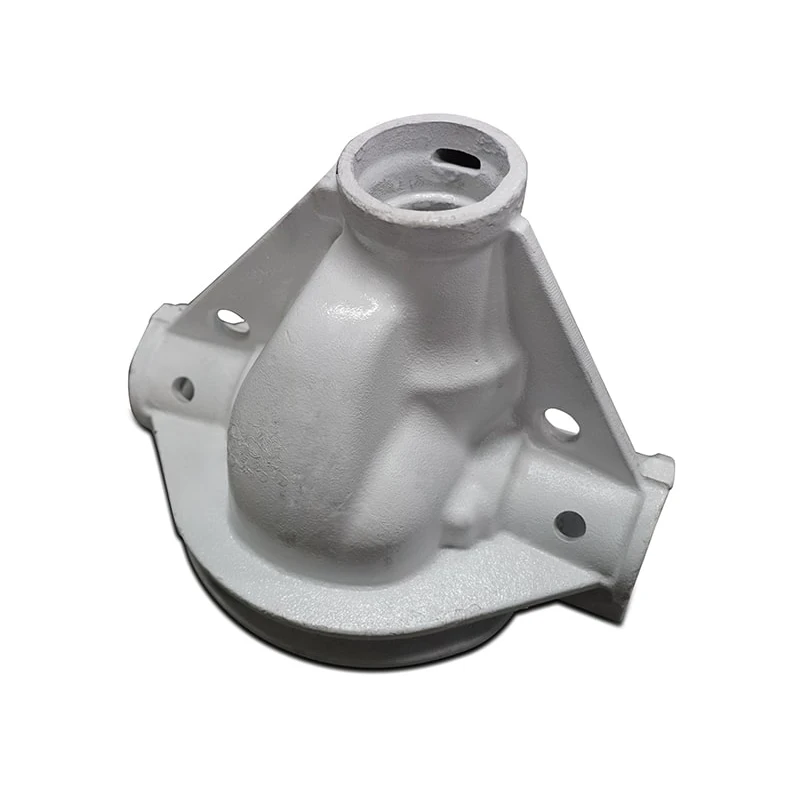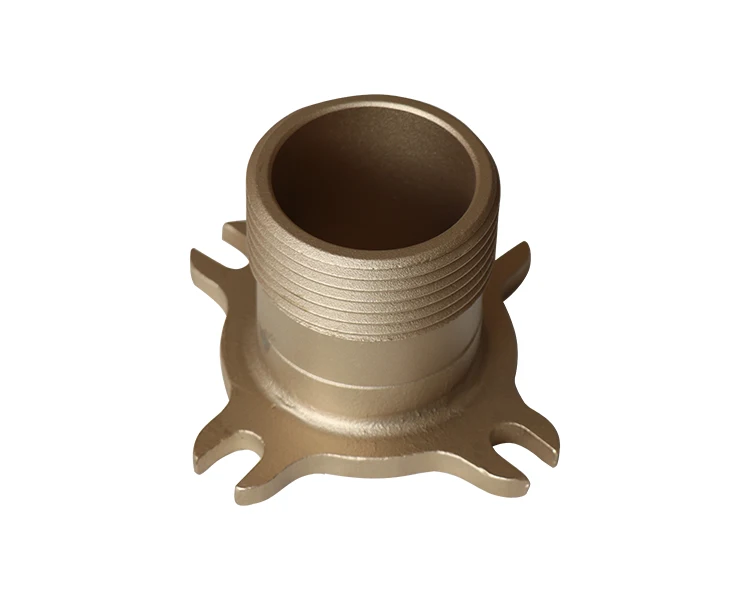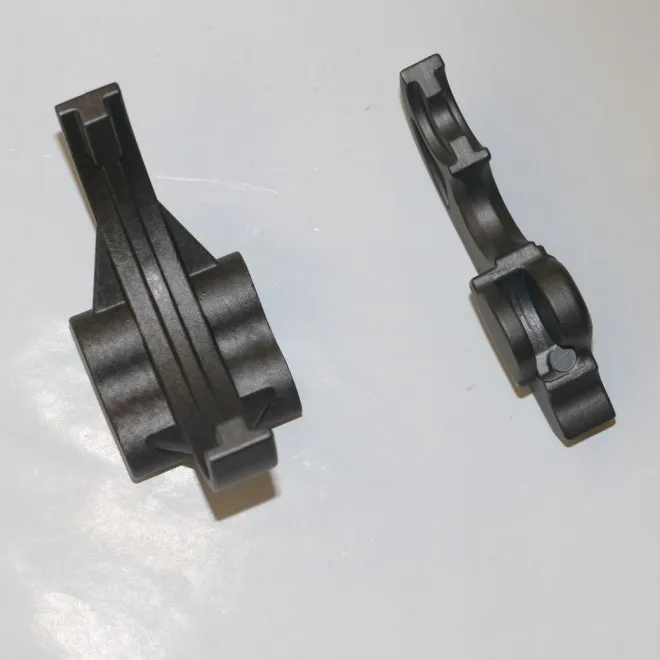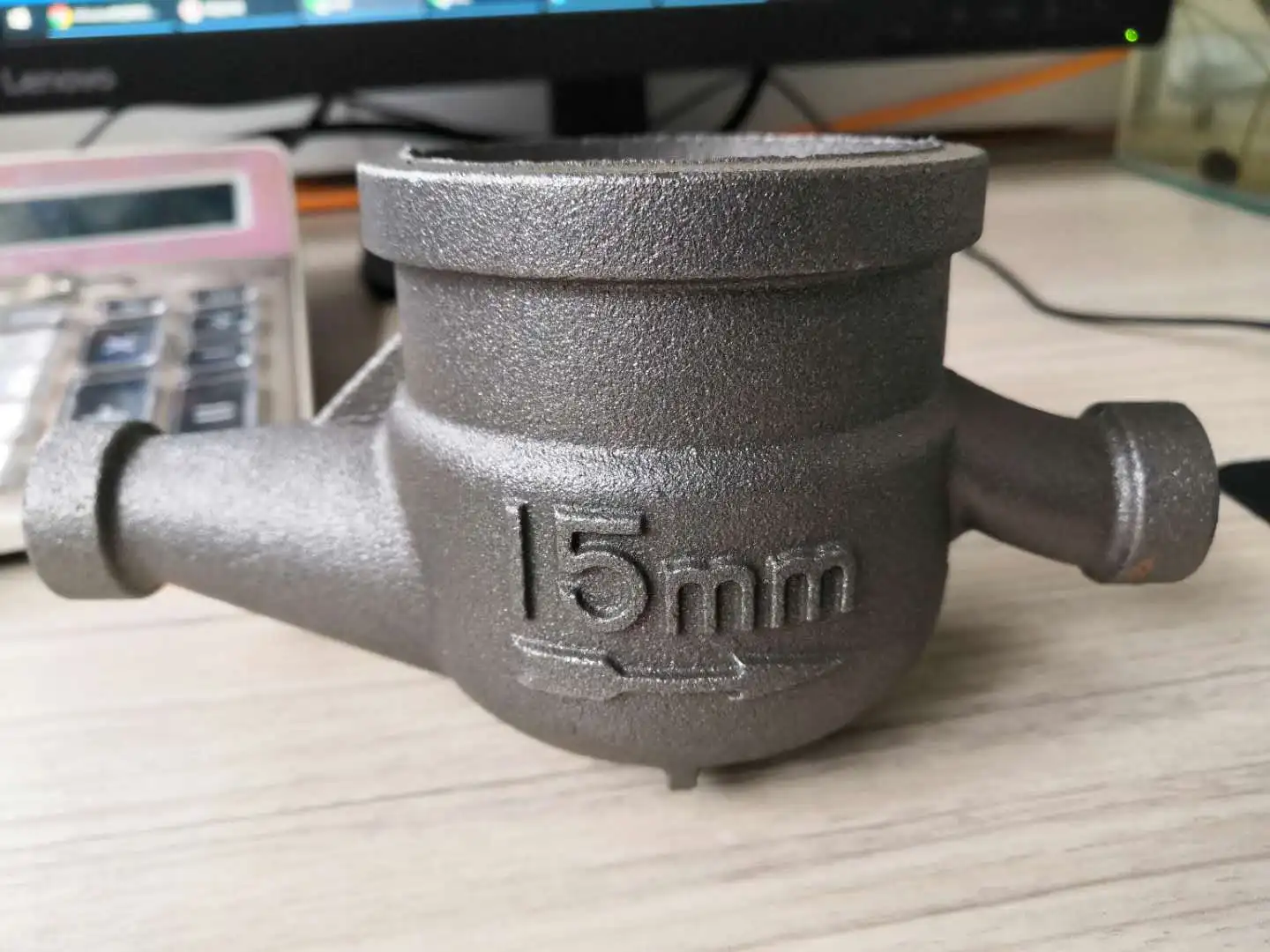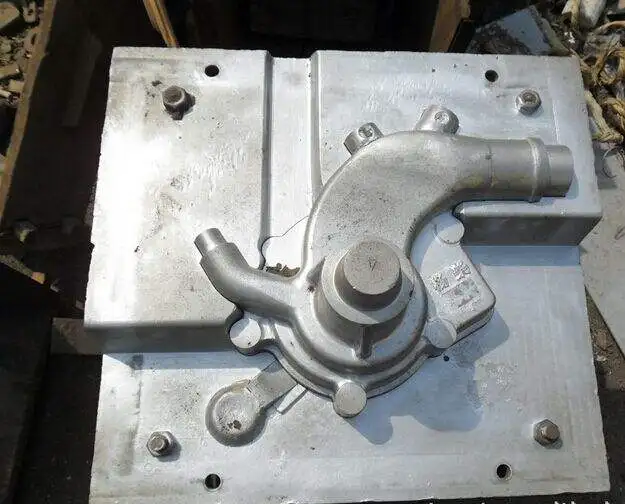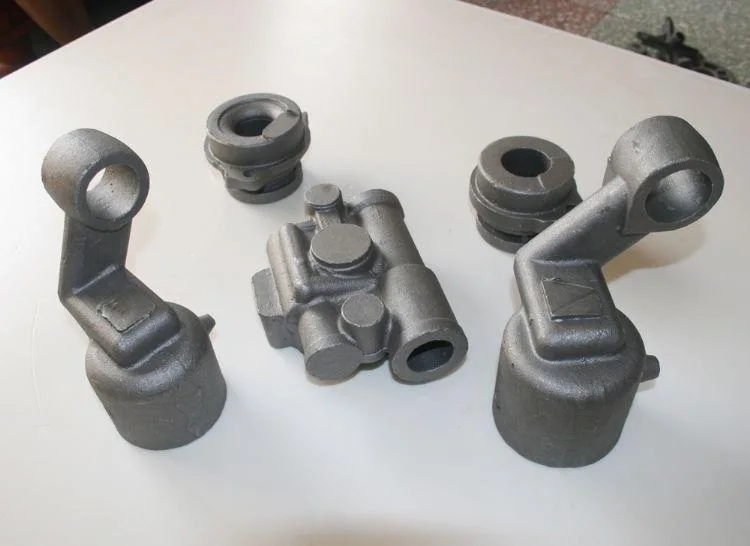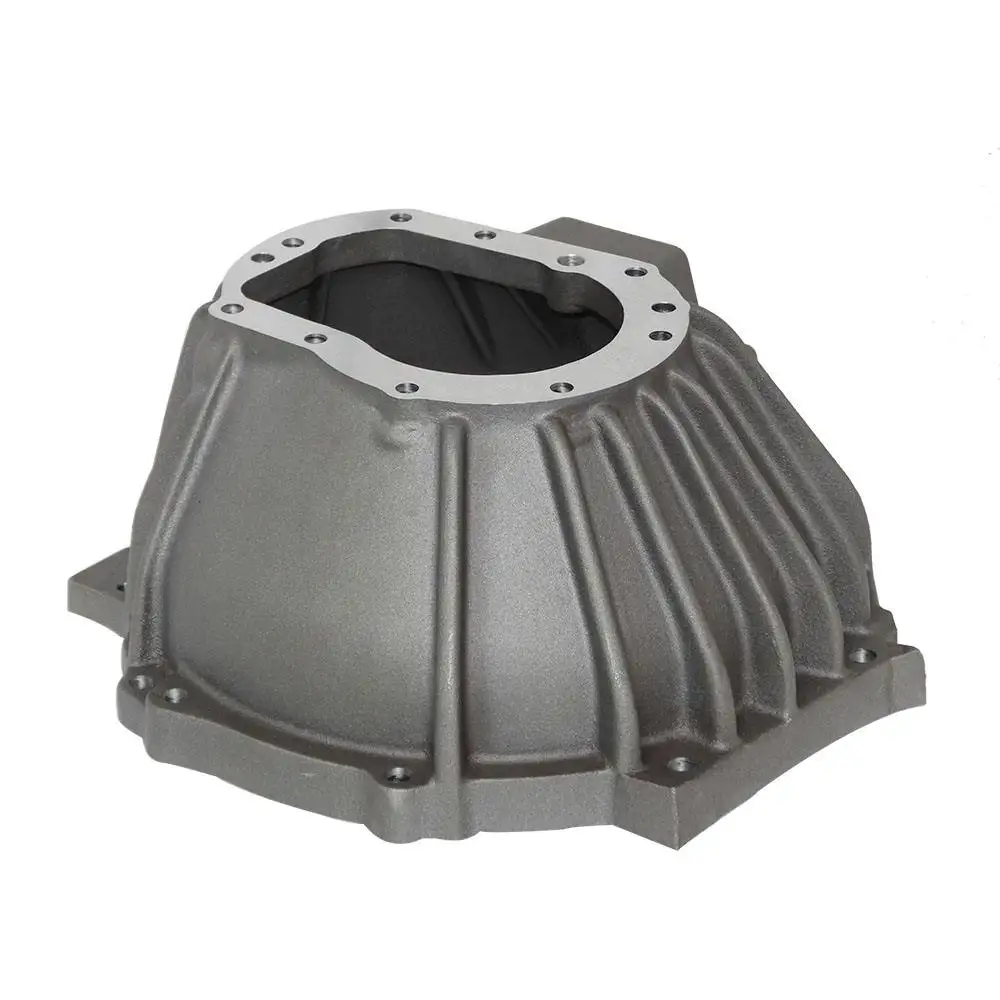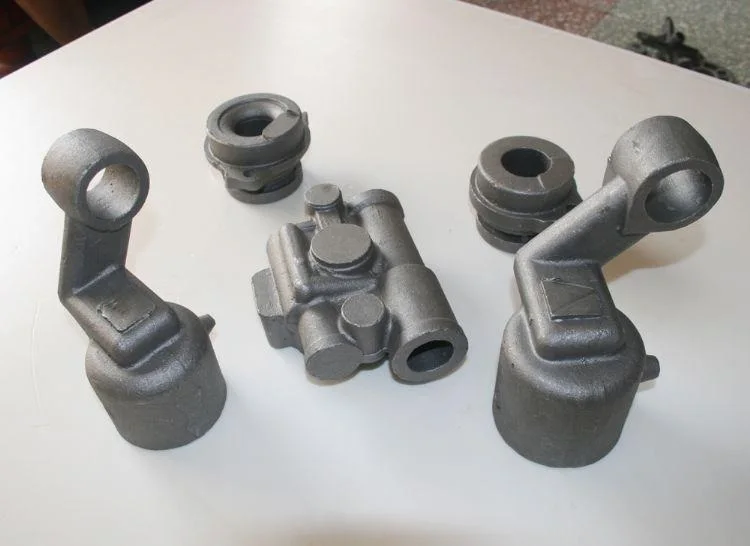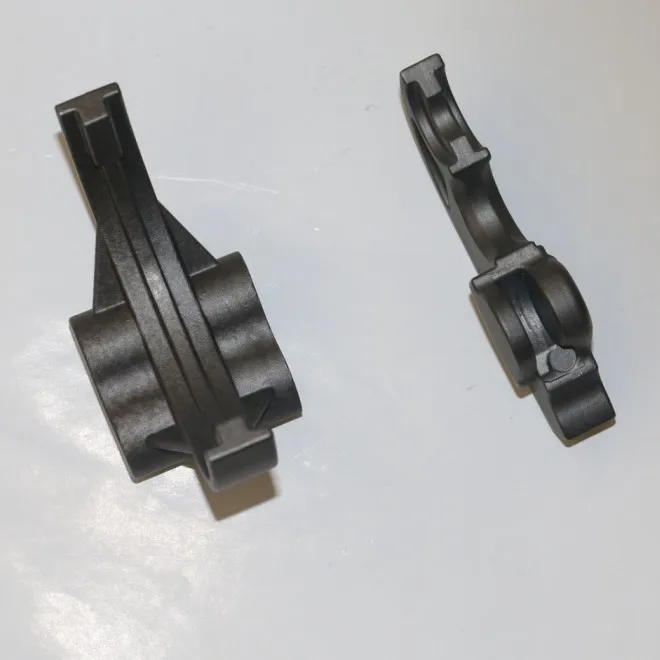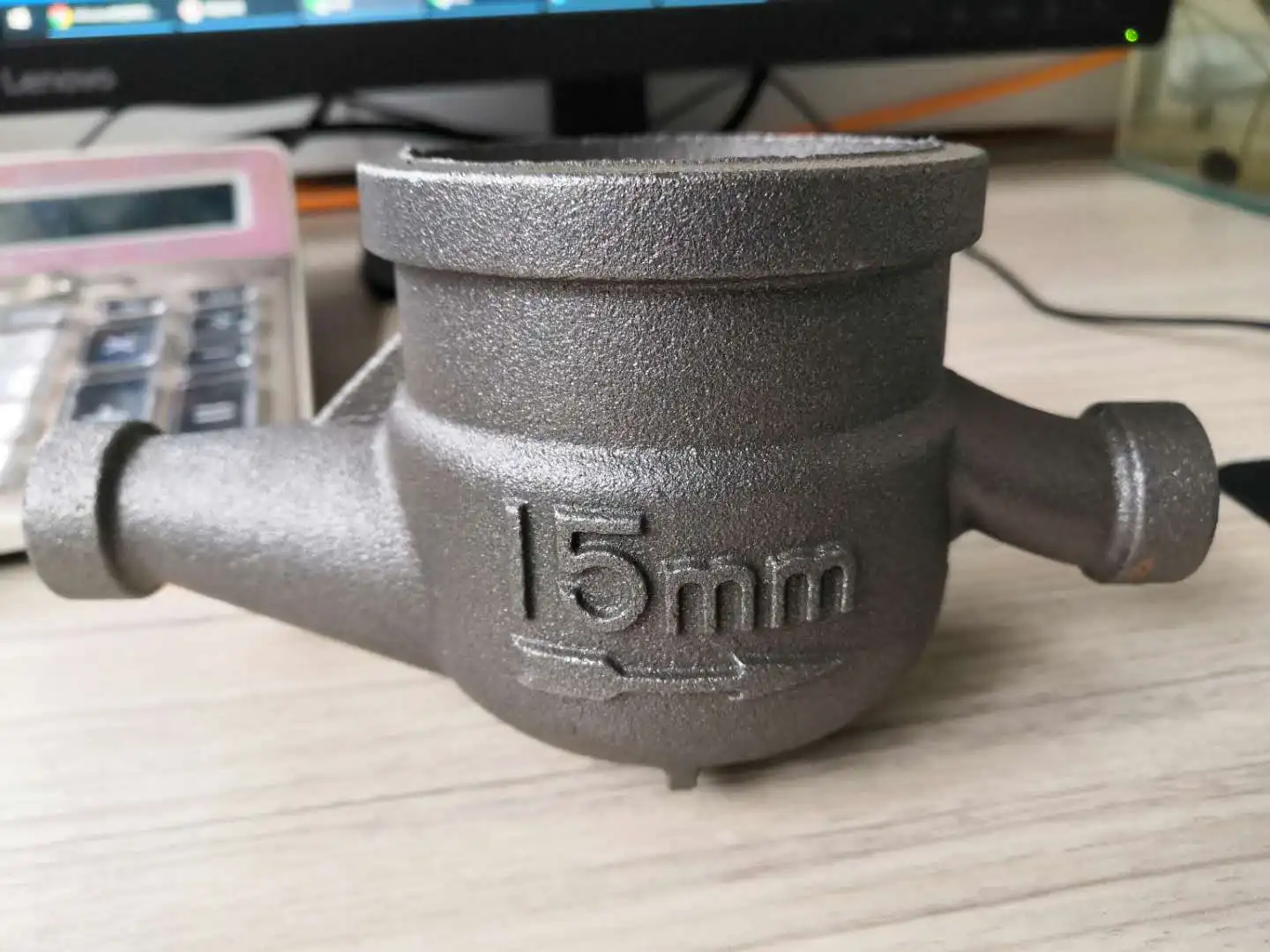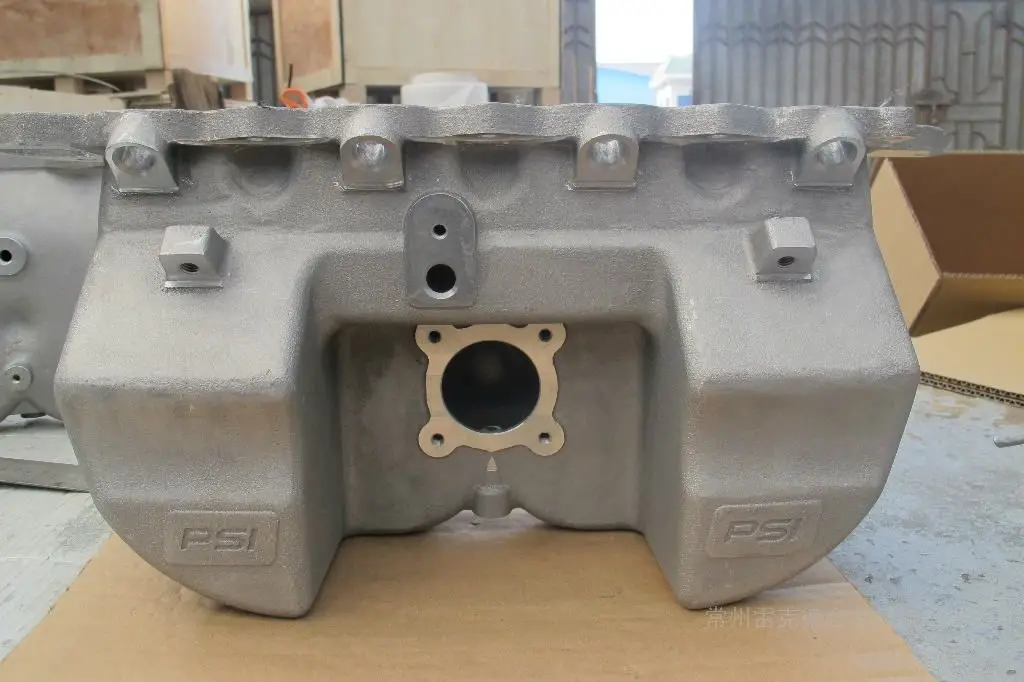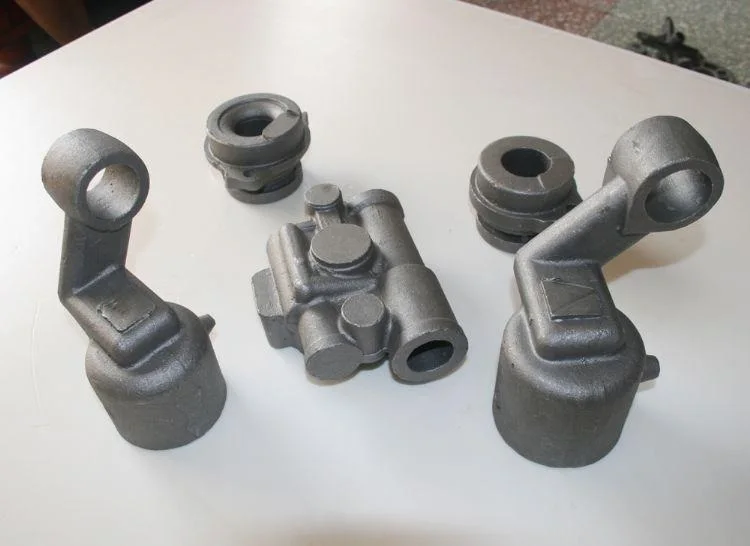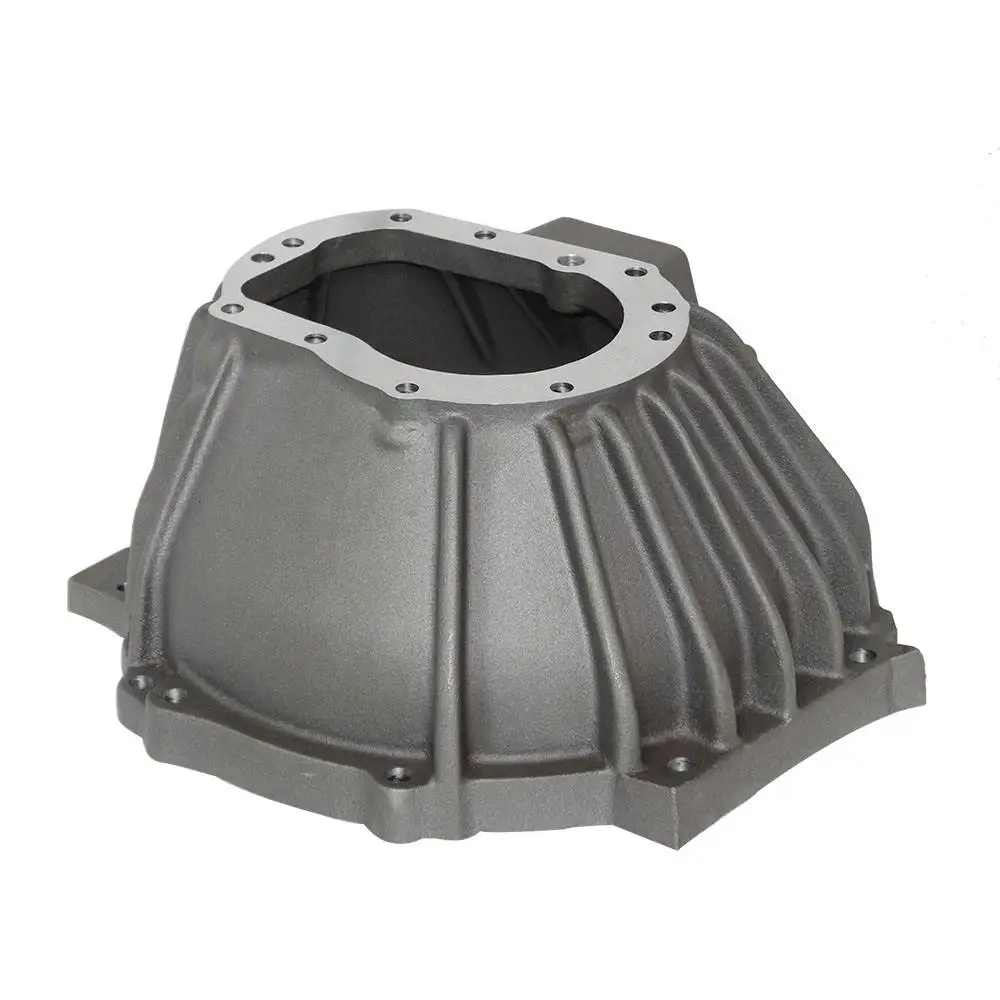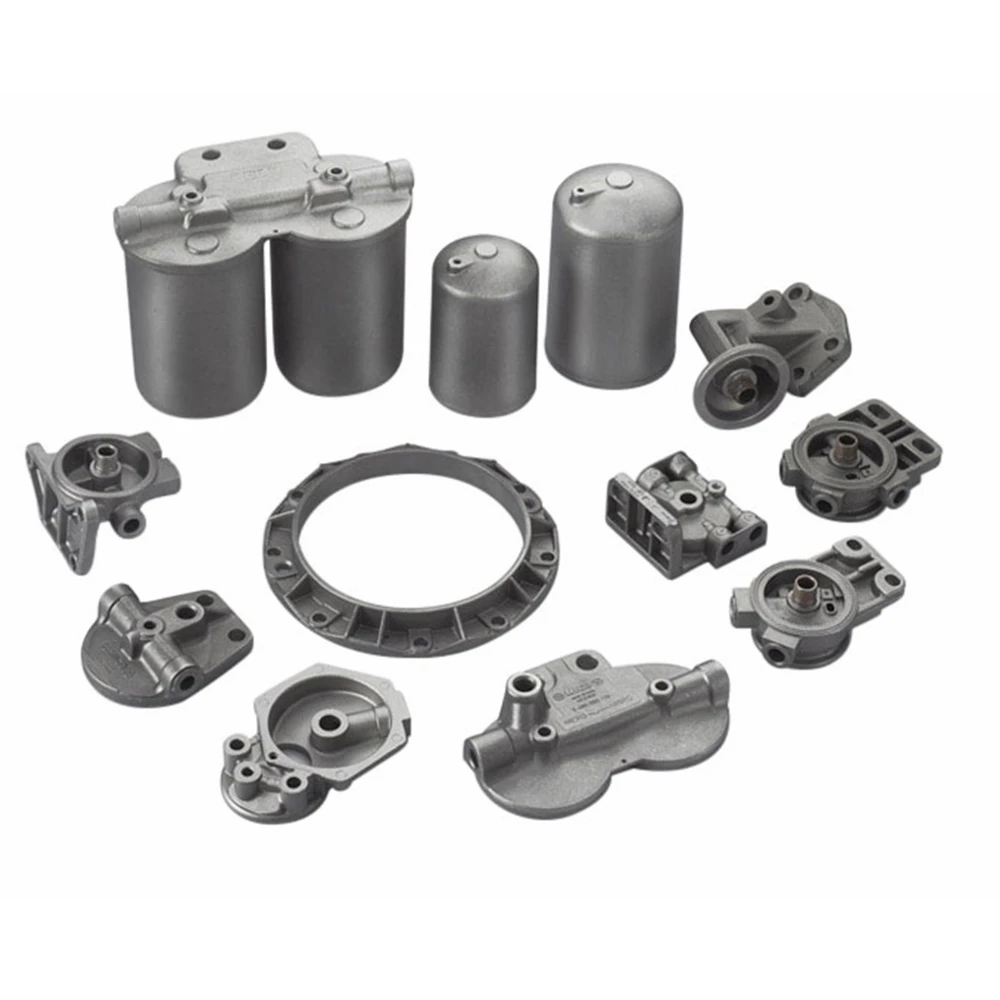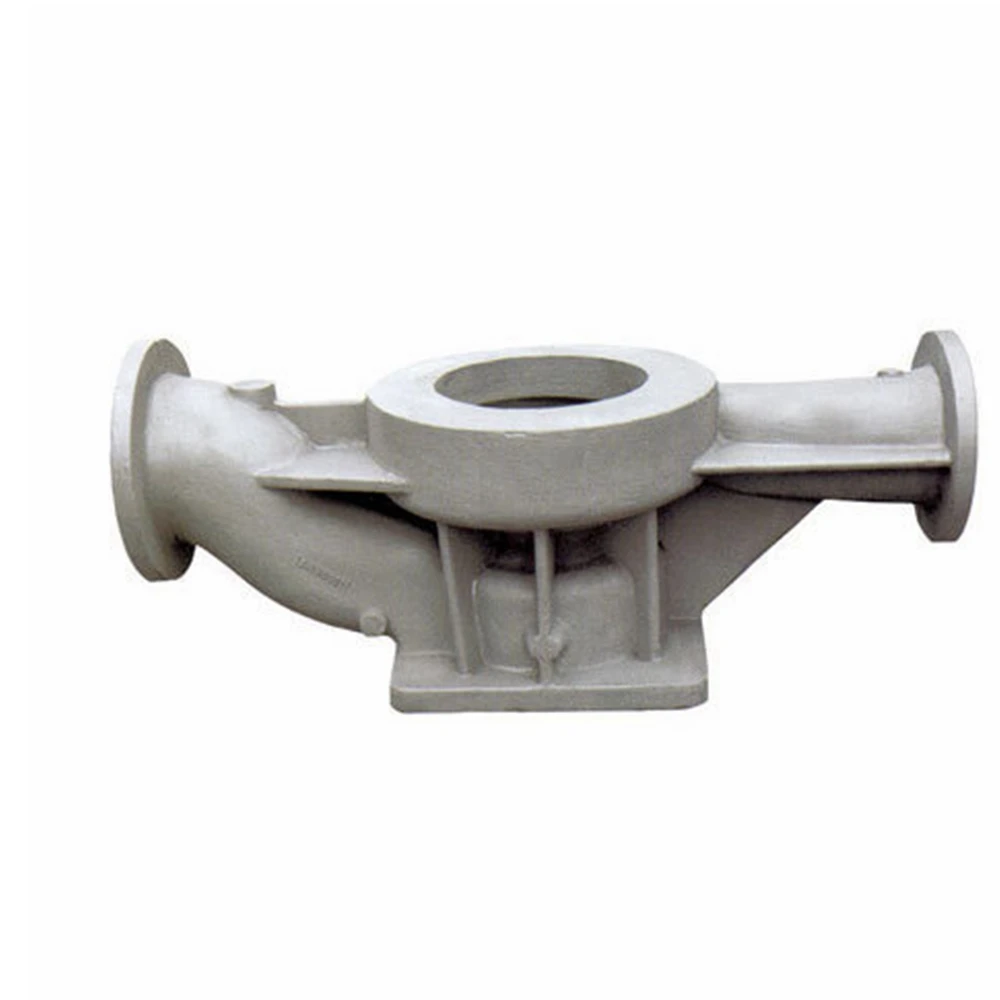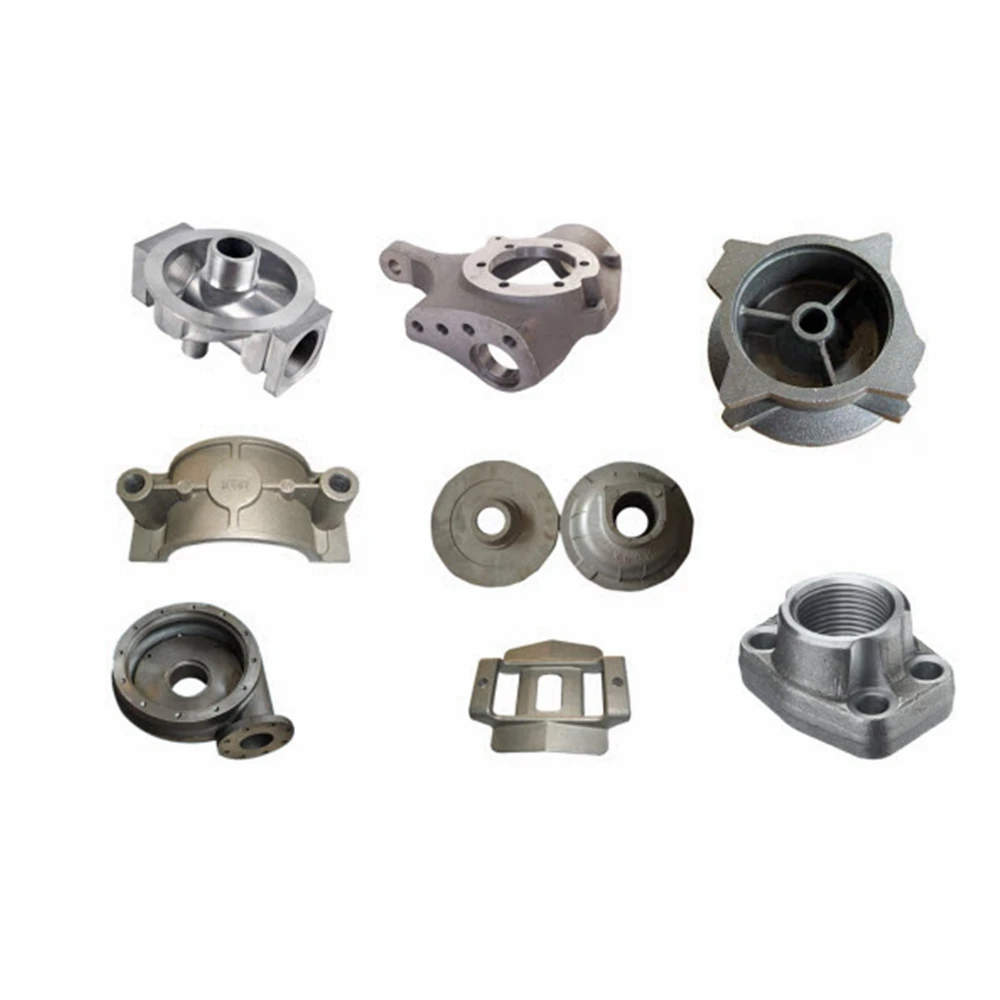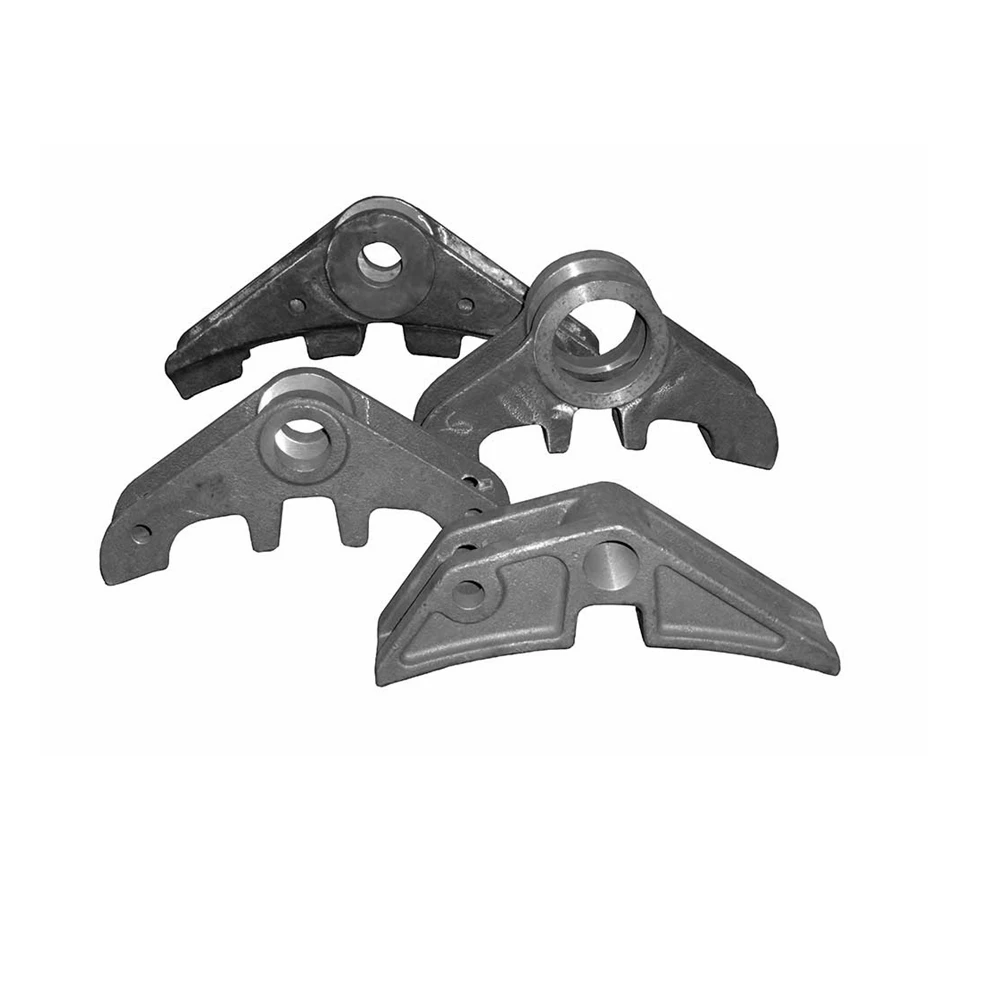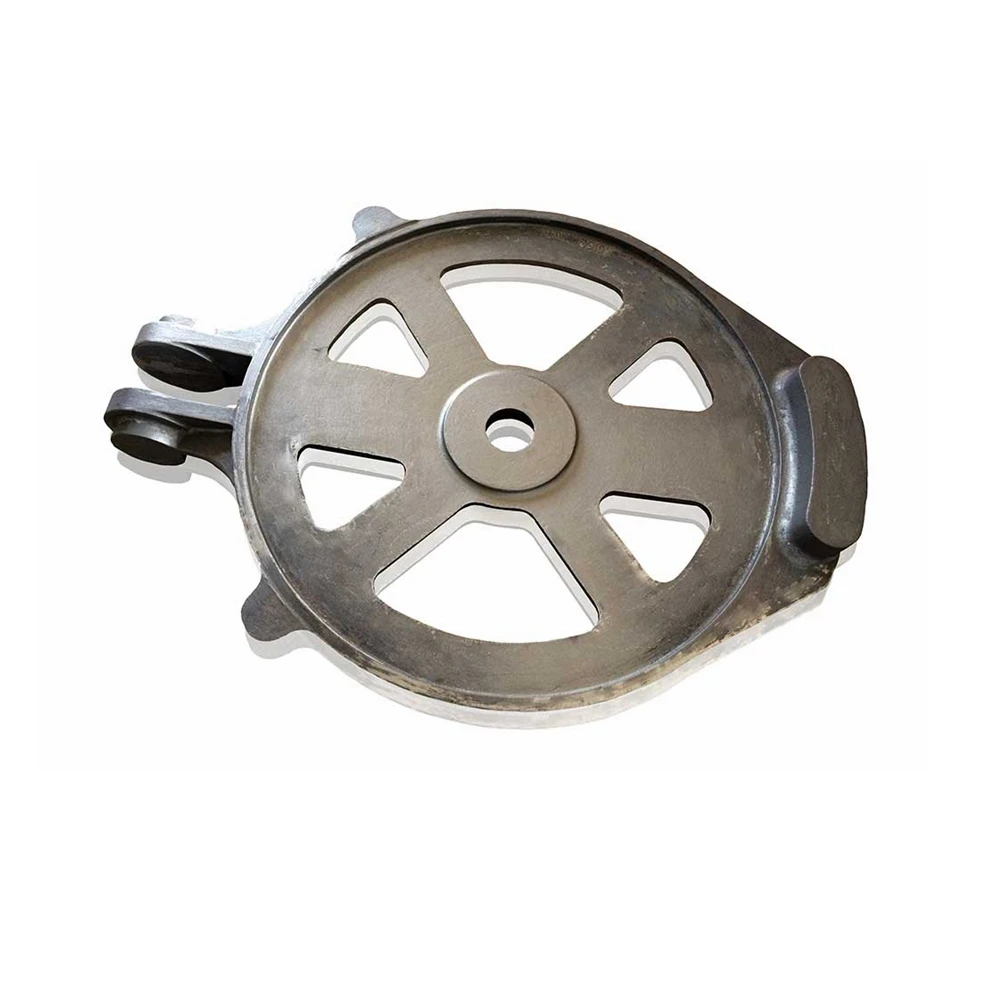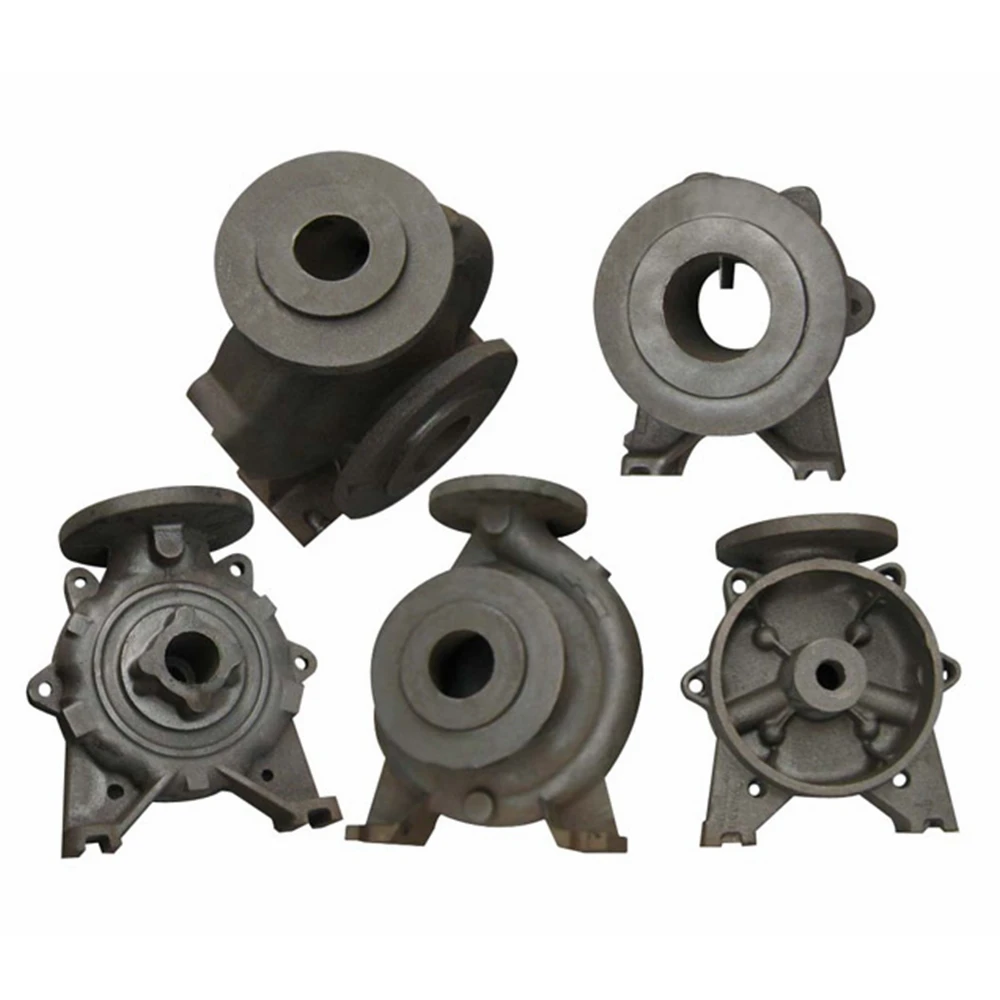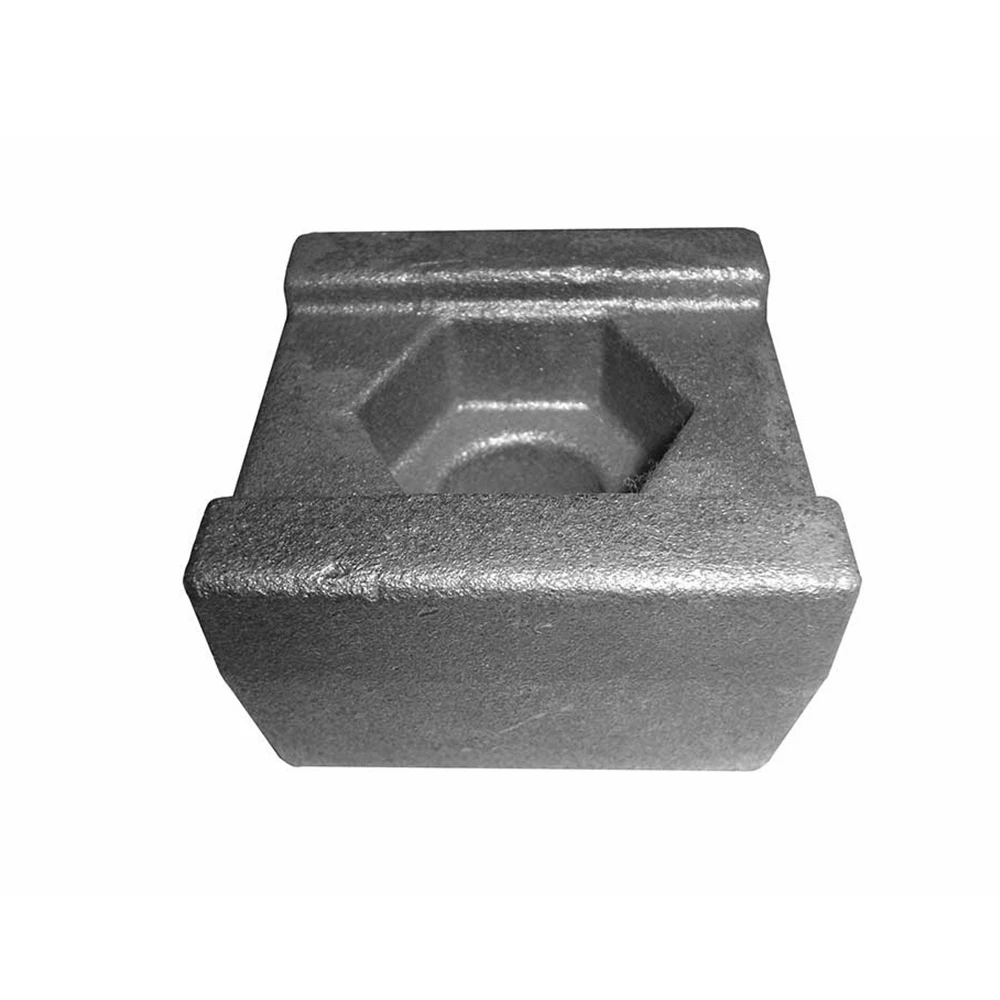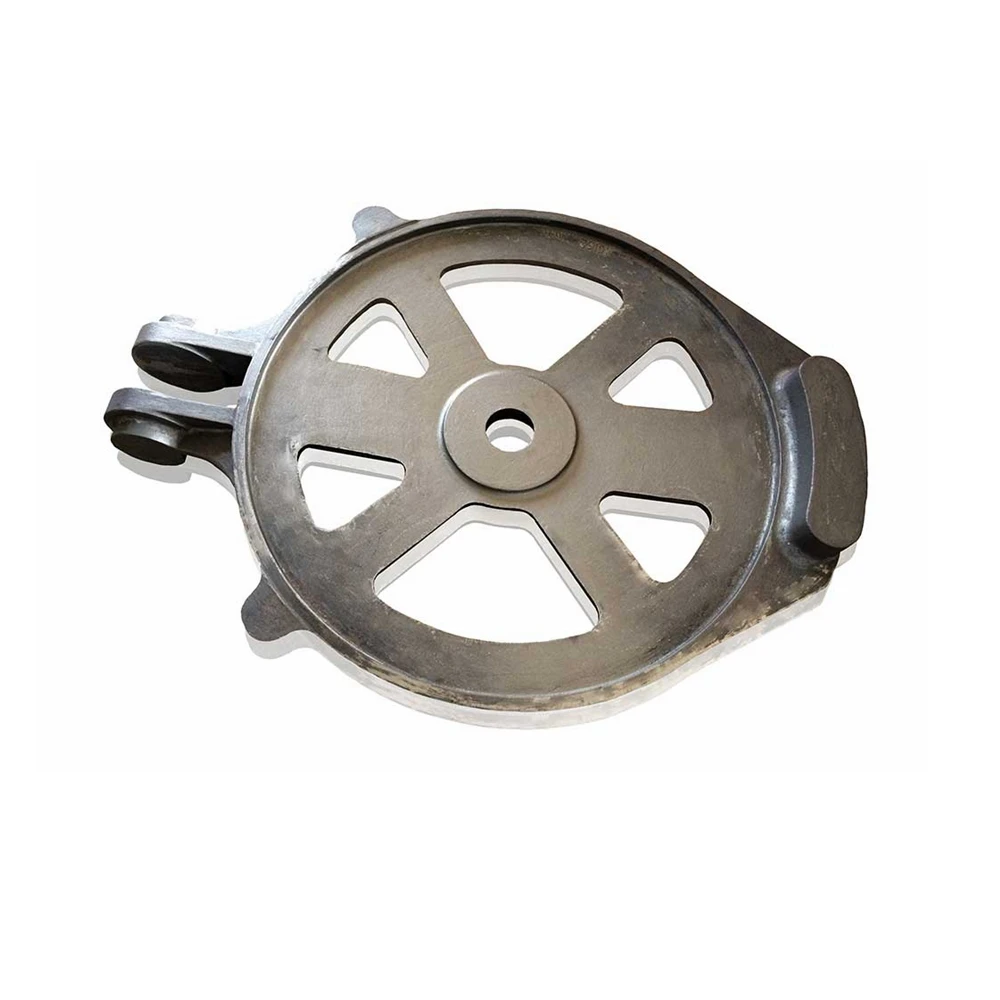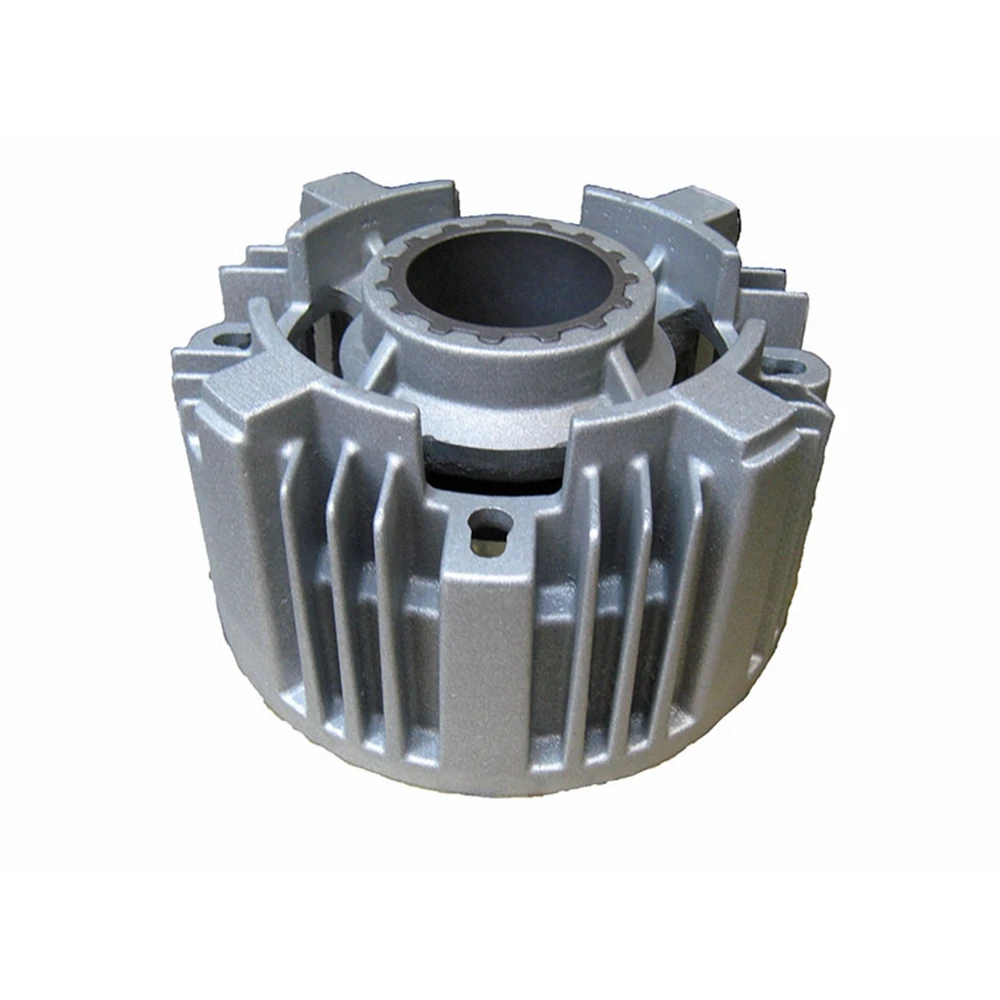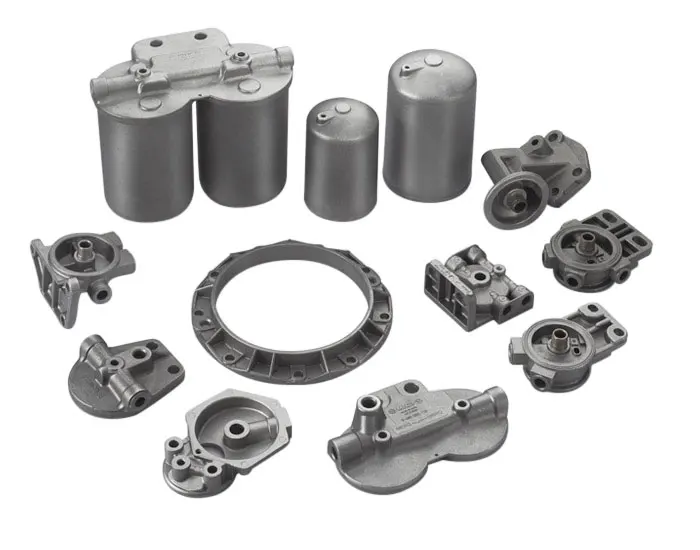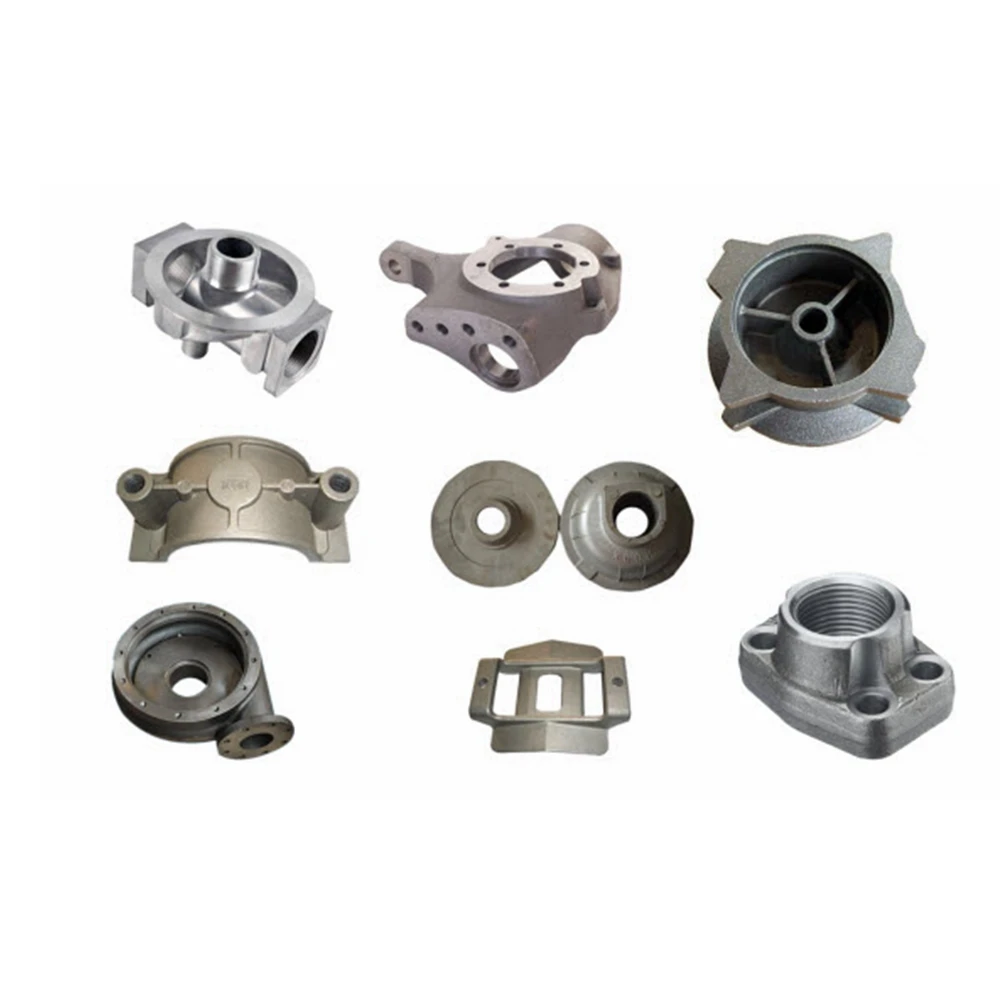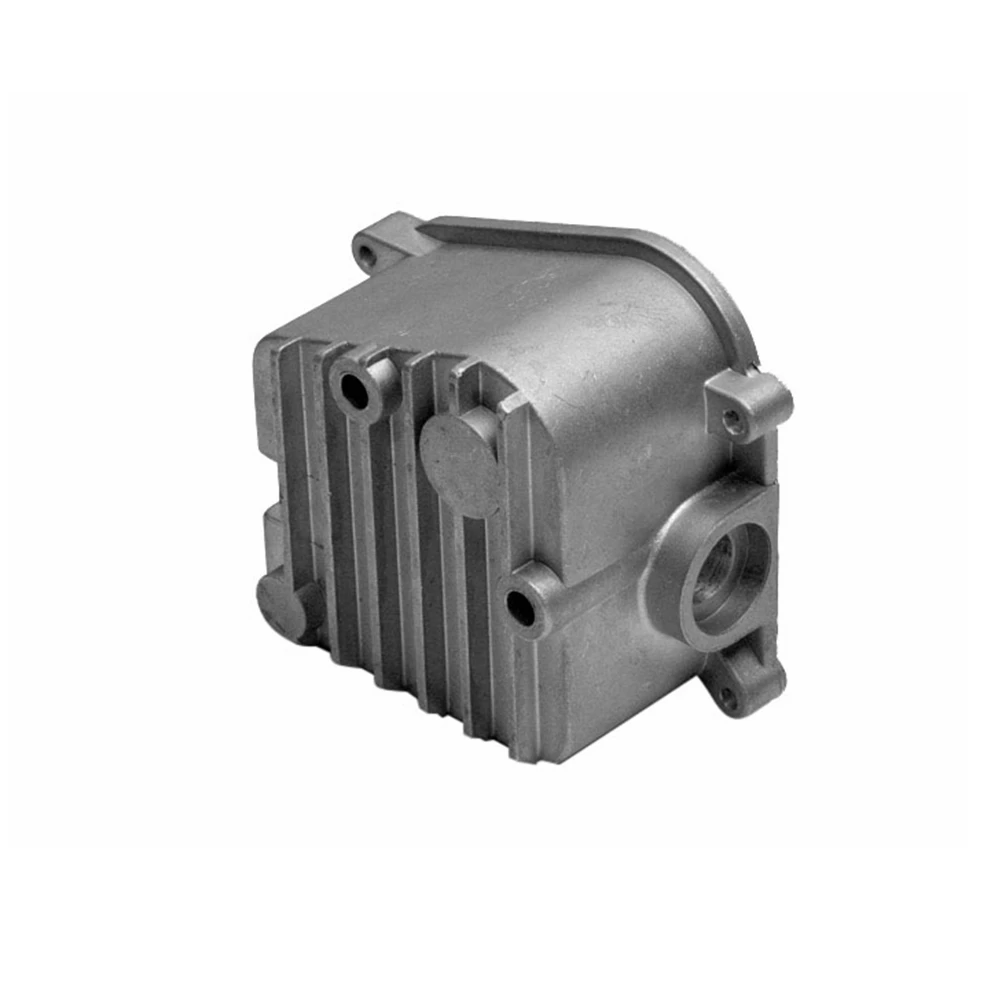
Deciding between investment casting and sand casting means knowing their differences. Investment casting gives better accuracy, smoother surfaces, and detailed designs. Sand casting is cheaper for bigger parts and simpler shapes.
For example, the cost per kilogram for materials like aluminum is $0.40 to $1.25. This makes cost an important part of your choice. Accuracy and how well it fits your project also matter. These methods are used in industries like aerospace, cars, and factories.
Knowing these differences helps you pick the best and cheapest casting method for your project.
Key Takeaways
- Investment casting gives very accurate shapes and smooth surfaces. It is great for making detailed designs.
- Sand casting costs less and is good for bigger, simpler parts. It is a cheaper option.
- Think about all project costs, like setup and finishing, not just starting costs, when picking a casting method.
- Investment casting works best for fields like airplanes and healthcare, where high quality and exact shapes matter most.
- For making many simple parts, sand casting is usually better because it costs less and sets up faster.
Overview of Investment Casting and Sand Casting
Investment Casting Process
Investment casting is also called lost-wax casting. It starts with a wax model of the part you want. This wax model is covered in ceramic to make a mold. Once the ceramic hardens, the wax is melted and removed. The empty space is filled with molten metal to form the part. This method is great for making detailed and precise designs.
Here are some facts about investment casting:
- Production times depend on the industry:
- Aerospace parts: 7 to 10 days
- Medical parts: 12 to 14 days
- Accuracy rates are over 99%.
- Defects are usually less than 5%.
This process gives very accurate sizes and smooth surfaces. Often, no extra machining is needed.
Sand Casting Process
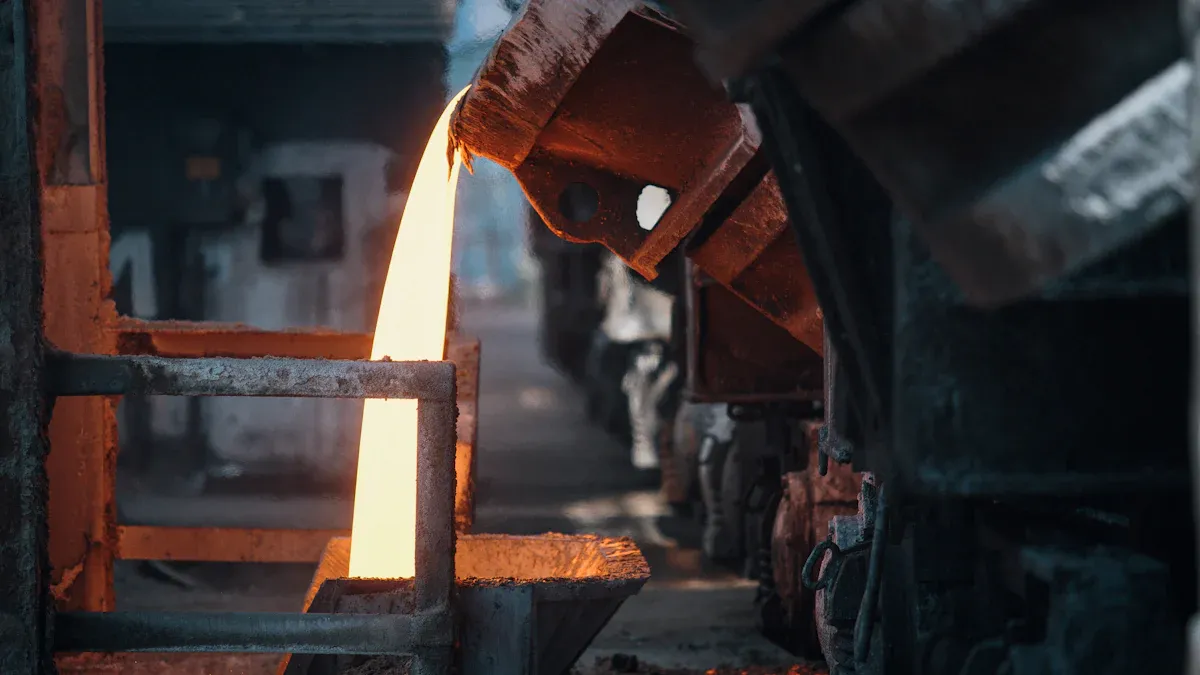
Sand casting uses sand molds to shape metal parts. First, sand is packed around a pattern to make the mold. After the pattern is removed, molten metal is poured into the mold. When the metal cools, the mold is broken to get the part.
This method is flexible and affordable, especially for big or simple parts. Key details about sand casting include:
| Metric | What It Means |
|---|---|
| Cycle Times | Time to finish one casting. |
| Lead Times | Total time from start to delivery. |
| Defect Rates | Percent of parts that fail quality checks. |
| Resource Use | How well resources are used during production. |
| Uptime Rate | Time the production line is running, usually 98.94%. |
Sand molds can be reused, making this method good for small to medium production amounts.
Key Process Differences
Investment casting and sand casting are different in cost, precision, and complexity. The table below shows these differences:
| Feature | Sand Casting | Investment Casting |
|---|---|---|
| Precision | Less accurate, may need machining | Very accurate, no machining needed |
| Surface Quality | Rough, may need extra work | Smooth, little extra work needed |
| Cost | Cheaper to start | More expensive to start |
| Part Complexity | Simple shapes only | Can handle detailed designs |
| Production Amount | Best for small to medium batches | Best for medium to large batches |
| Material Options | Works with many metals | Also works with many metals |
Investment casting is best for detailed, precise parts. Sand casting is better for simple, low-cost designs. Choose based on your project’s needs.
Cost Comparison
Initial Tooling and Setup Costs
Starting a casting project needs money for tools and setup. These costs include making molds, setting up machines, and training workers. Investment casting costs more at first because of its complex wax patterns and ceramic molds. Sand casting is cheaper to start since sand molds are simpler and less expensive.
Here’s a comparison of tooling and setup costs for different methods:
| Investment Casting | Sand Casting | Centrifugal Casting | |
|---|---|---|---|
| Upfront Tooling Cost | Medium to High | Medium | Zero to Low |
| Tooling Maintenance Cost | Low | Low to Medium | Typically None |
| Cost to Change Tooling Design | High | Low to Medium | Zero to Low |
| Post-Cast Machining Costs | Low | Low to Medium | Medium to High |
For investment casting, the mold’s quality affects the final product. Maintenance is needed to keep things running smoothly. Setup costs, like installing machines, can range from $50,000 to $100,000. Sand casting costs less upfront but may need more frequent tool changes, adding to the total cost.
Production Costs per Unit
The cost for each part depends on its size and detail. Investment casting costs more per piece because of its detailed process. But it gives better precision and smooth surfaces, reducing extra work. Sand casting is cheaper for simple or large parts.
Here’s a breakdown of production costs per unit:
| Casting Method | Cost Range per Piece |
|---|---|
| Investment Casting | |
| Small, Simple Parts | $10 to $100 |
| Medium Complexity Parts | $100 to $500 |
| High Complexity, Large Parts | $500 and above |
| Sand Casting | |
| Small, Simple Parts | $5 to $50 |
| Medium Complexity Parts | $50 to $200 |
| Large, Complex Parts | $200 and above |
For small, simple parts, sand casting is cheaper. For detailed or precise parts, investment casting is worth the higher cost because of its quality.
Long-Term Cost Considerations
Long-term costs include maintenance, tool updates, and extra treatments. Sand casting often needs more maintenance and tool storage. Changing tool designs is cheaper compared to investment casting. However, investment casting saves money in the long run by reducing extra machining and giving smooth finishes.
Think about costs for treatments like heat or surface finishing. These are extra charges and depend on the method and material. While sand casting seems cheaper at first, extra costs for finishing can add up over time.
Tip: Look at the total project costs, not just starting costs. This helps you pick the best casting method for your budget.
Precision Comparison
Surface Finish and Dimensional Accuracy
Investment casting makes parts with smooth surfaces and few flaws. The ceramic molds give a fine texture, so extra finishing is rarely needed. Sand casting, however, creates rougher surfaces because of the sand molds. Extra machining is often required to make them smooth.
For accuracy, investment casting is better. It works well for detailed designs and tight measurements. Sand casting is flexible but less precise. If your project needs exact sizes, investment casting is the best choice.
Tolerances and Complexity
Tolerances show how much a part's size can differ from the design. Investment casting offers tighter tolerances, as shown below:
| Nominal Dimension (mm) | Tolerance (± mm) |
|---|---|
| 0 – 10 | ± 0.15 |
| 10 – 25 | ± 0.20 |
| 25 – 50 | ± 0.25 |
| 50 – 75 | ± 0.30 |
| 75 – 100 | ± 0.35 |
| 100 – 150 | ± 0.40 |
| 150 – 200 | ± 0.45 |
| 200 – 300 | ± 0.50 |
| 300 – 400 | ± 0.60 |
| 400 – 500 | ± 0.70 |
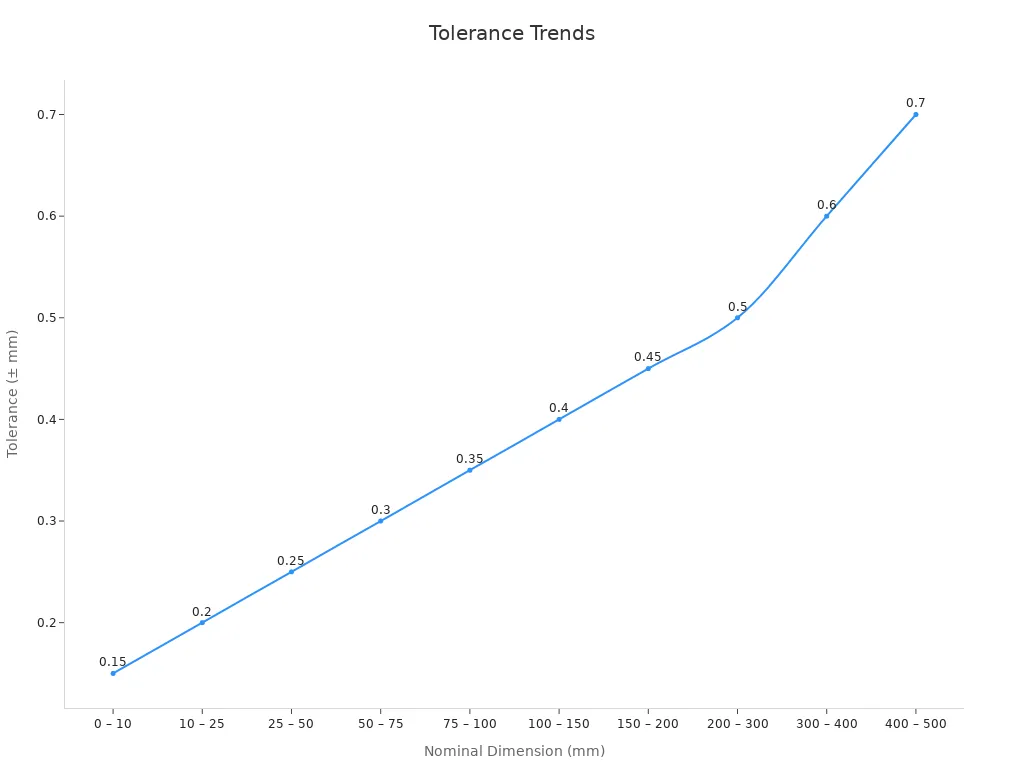
Investment casting is also better for complex shapes. Wax patterns allow for fine details that sand casting cannot match. For detailed designs, investment casting is the smarter option.
Machining and Post-Processing Requirements
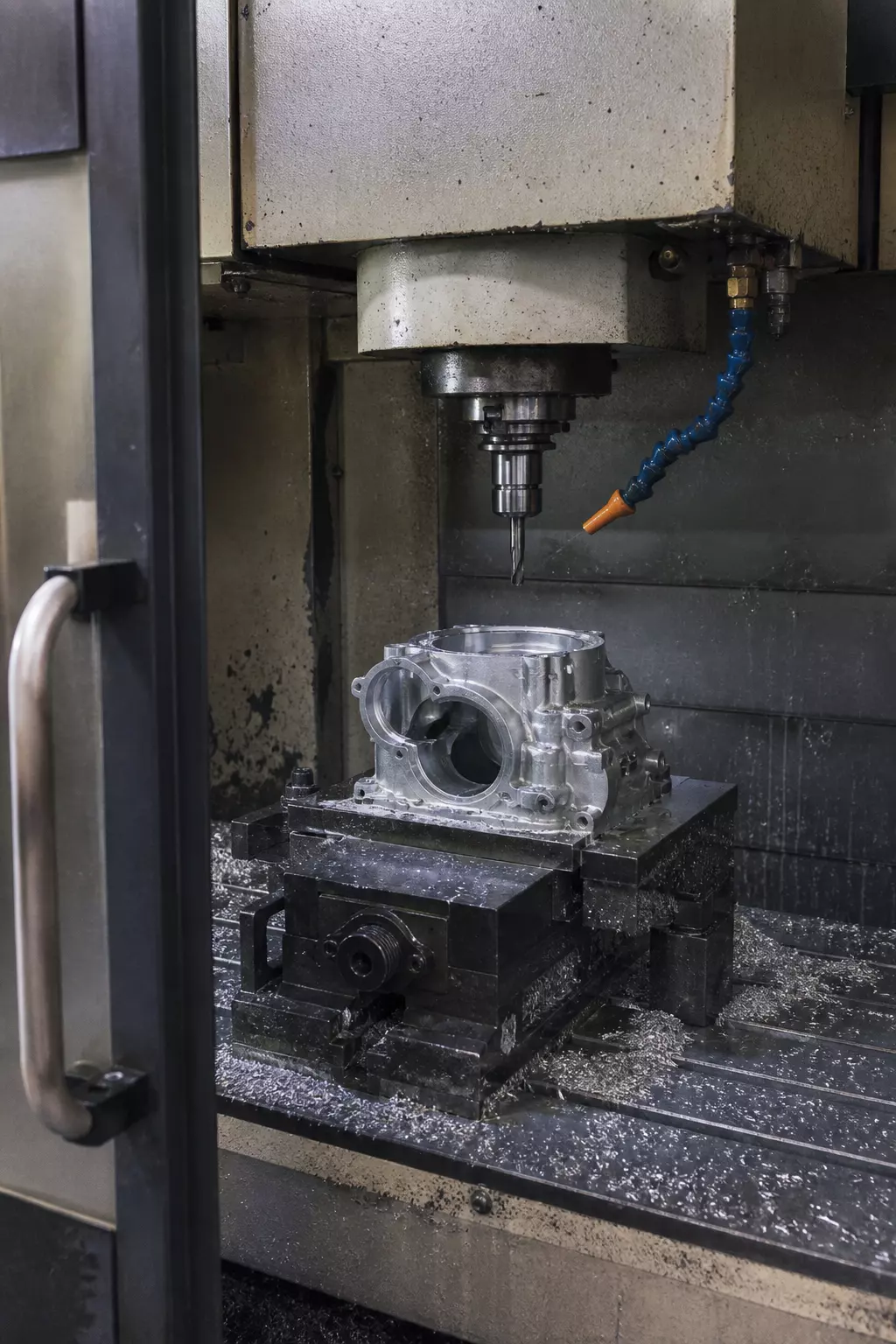
Machining and finishing depend on the casting method. Sand casting often needs machining to smooth rough surfaces, especially for large parts. Post-processing can take longer, but faster methods may reduce this to 2-3 days. Sand and ceramic are common materials for molds.
Investment casting reduces the need for machining. Its smooth surfaces and accurate sizes save time and money. This makes it a great choice for projects needing high precision.
Applications of Investment Casting and Sand Casting
Common Uses of Investment Casting
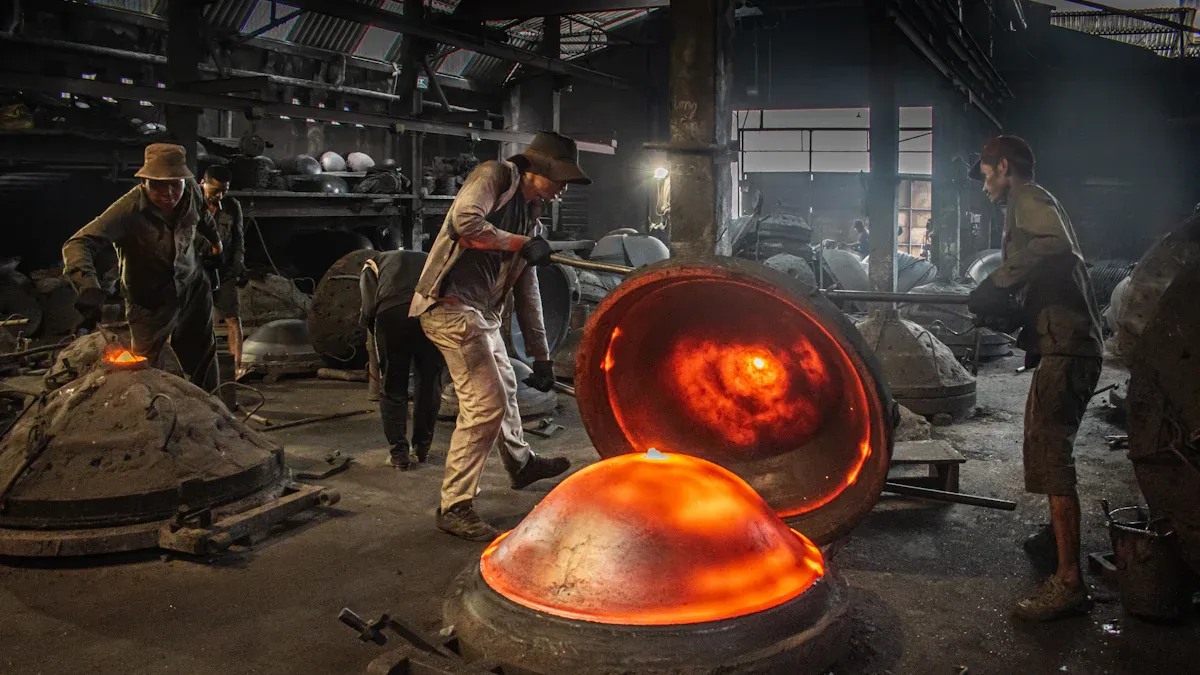
Investment casting is used for parts needing precision and strength. It makes detailed designs with little extra work. This method is great for industries needing high-quality parts. Here are some examples:
| Industry | Applications |
|---|---|
| Industrial Machinery | Strong parts like pumps, valves, and cutting tools. |
| Medical Devices | Tools, implants, and dental items needing exact sizes. |
| Aerospace | Lightweight, strong parts for planes and systems. |
| Automotive | Replacement parts to keep vehicles safe and working well. |
| Energy | Parts for turbines and power equipment. |
| Defense | Tough parts for weapons and military vehicles. |
| Consumer Goods | Jewelry and items needing fine details and smooth finishes. |
In aerospace, investment casting makes light but strong parts for planes. In medicine, it creates tools and implants that meet strict safety rules.
Did you know? Special computer tools help find and fix problems in designs. This makes investment casting more efficient and reduces waste.
Common Uses of Sand Casting
Sand casting is good for making big, simple, or tough parts. It’s affordable and works for many industries. Here are some examples:
| Industry | Application Examples | Efficiency Highlights |
|---|---|---|
| Construction | Using leftover sand for building projects. | Reusing sand saves money and resources. |
| Manufacturing | Recycling sand to make cement. | Michigan recycles 75,000 tons of sand yearly. |
| Automotive | Making engine blocks and brake parts. | Strong and reliable parts for cars. |
| Agricultural | Parts for farm machines like pickers and spreaders. | Durable for tough farm work. |
| Medical | Making accurate parts for medical tools. | Safe and reliable for health needs. |
| Energy & Marine | Parts for ships and offshore equipment. | Strong for harsh conditions. |
| Mining | Tough parts for mining machines. | Built to last under heavy use. |
| Artistic | Detailed sculptures and creative designs. | Great for making complex art pieces. |
For example, sand casting is perfect for engine blocks in cars. It handles large amounts of metal easily. In construction, reusing sand saves money and helps the environment.
Tip: If you need big, simple parts or want to save money, sand casting is a smart choice.
Choosing the Right Casting Method for Specific Applications
Picking the right casting method depends on your project. Think about precision, cost, and design complexity. Here’s a quick guide:
- Precision and Complexity: For detailed designs or exact sizes, choose investment casting. It’s best for aerospace, medical, and defense projects.
- Cost and Volume: For big, simple parts or tight budgets, go with sand casting. It’s also good for making many parts at once, like in car manufacturing.
- Material and Durability: Both methods work with many metals. Investment casting is better for smooth, strong parts. Sand casting is great for heavy-duty items.
Pro Tip: Look at all costs, including finishing and maintenance, before deciding. This helps you pick the most efficient and affordable method.
Decision-Making Guide
Key Factors to Evaluate
When picking between investment casting and sand casting, think about key factors. These include cost, production size, mold difficulty, and machining needs. Each factor affects how well the method fits your project.
| Factor | What It Means |
|---|---|
| Cost-effectiveness | Making many parts lowers the cost per piece. |
| Production volume | Bigger orders reduce costs due to bulk production. |
| Mold complexity | Harder molds cost more because they need extra work. |
| Ability to produce | Casting can make shapes that other methods cannot. |
| Energy costs | Casting uses a lot of energy, especially for hot metals. |
| Labor costs | Costs depend on worker skills and where the foundry is. |
| Machining requirements | More machining after casting raises the total cost. |
| Finishing processes | Extra steps like painting or polishing add to expenses. |
Using tools like the certainty pairwise comparison (CPC) method helps you decide. This method ranks things like accuracy, finish, and cost. It compares data to give a clear view of your choices.
Balancing Cost and Precision
Balancing cost and precision is important when choosing a casting method. Investment casting gives smooth, precise parts but costs more upfront. Sand casting is cheaper, especially for big parts, but needs more finishing work.
Think about your design and how exact it needs to be. For tight sizes and detailed designs, investment casting is worth the cost. For simpler shapes and saving money, sand casting works better.
Tip: Add up all costs, including finishing and maintenance. This helps you avoid surprises and pick the best method for your budget.
Practical Advice for Selecting the Best Casting Method
The best casting method depends on your project’s needs. Start by deciding what matters most—precision, cost, or production size. If you need detailed parts with little extra work, go with investment casting. For big, simple parts or saving money, choose sand casting.
Follow these steps:
- List Your Needs: Write down what your part must have, like size and finish.
- Compare Costs: Look at setup, production, and long-term costs for both methods.
- Check Production Size: Decide if you need a few parts or many.
- Match Materials: Make sure the method works with your chosen metal.
Pro Tip: Use tools like CPC to compare options. This helps you pick the best method for your goals and budget.
Picking between investment casting and sand casting depends on your project. Investment casting is great for small, detailed parts with smooth surfaces. Sand casting is cheaper and works well for bigger, simpler parts.
| Investment Casting | Sand Casting | |
|---|---|---|
| Material | Stainless steel, brass, aluminum | Iron, steel, bronze, aluminum |
| Size | Small, detailed parts | Large, strong parts |
| Finish | Smooth, precise | Rough, needs extra work |
| Cost | Higher to start | More affordable |
Think about your budget, quality needs, and part design. Use investment casting for detailed, precise parts. Choose sand casting for larger, cost-friendly designs. Match your choice to your project’s goals.
FAQ
1. What is the main difference between investment casting and sand casting?
Investment casting makes small, detailed parts with smooth surfaces. Sand casting works better for big, simple parts and costs less. Pick based on your project’s size, detail, and budget.
2. Which method is cheaper for small production runs?
Sand casting is cheaper for small production runs. It has lower setup costs, making it good for fewer parts. Investment casting is better for medium to large batches because it needs less finishing.
3. Can both methods work with all metals?
Yes, both methods can use many types of metals. Investment casting is great for stainless steel, brass, and aluminum. Sand casting works well with iron, steel, bronze, and aluminum. Choose based on your material and project needs.
4. How do I choose the right casting method?
Think about your project’s needs. Use investment casting for detailed, precise designs. Use sand casting for bigger, simpler parts or if you have a smaller budget. Look at cost, size, and material before deciding.
5. Does investment casting always avoid machining?
Not always. Investment casting is very precise, so it needs less machining. But some parts might still need small adjustments. This depends on the design and how exact the part needs to be.