

Custom Gaskets for Chemical Equipment
Your custom gasket starts with the equipment joint and the actual exposure. We review the drawing, sealing surfaces and material requirements before a sample is defined. That keeps the conversation focused on the seal your equipment needs, rather than recommending one material family for every chemical service.
Send your project details
The process and cleaning cycle are both included
Tell us the medium, concentration, operating temperature and cleaning exposure that your design uses. We retain those conditions with the material review. A general family name such as PTFE or elastomer is a starting description, not evidence that every formulation suits the same application.
- ProcessMedium and concentration
- OperationApproved temperature and pressure
- CleaningMedia and exposure cycle
The joint geometry gives the gasket its shape
Your drawing should identify the opening, bolt holes, sealing lands and clamping arrangement. We review the geometry as a complete interface, keeping the thickness requirement and units explicit. This makes a custom sample more useful than a shape estimated from the outside diameter.
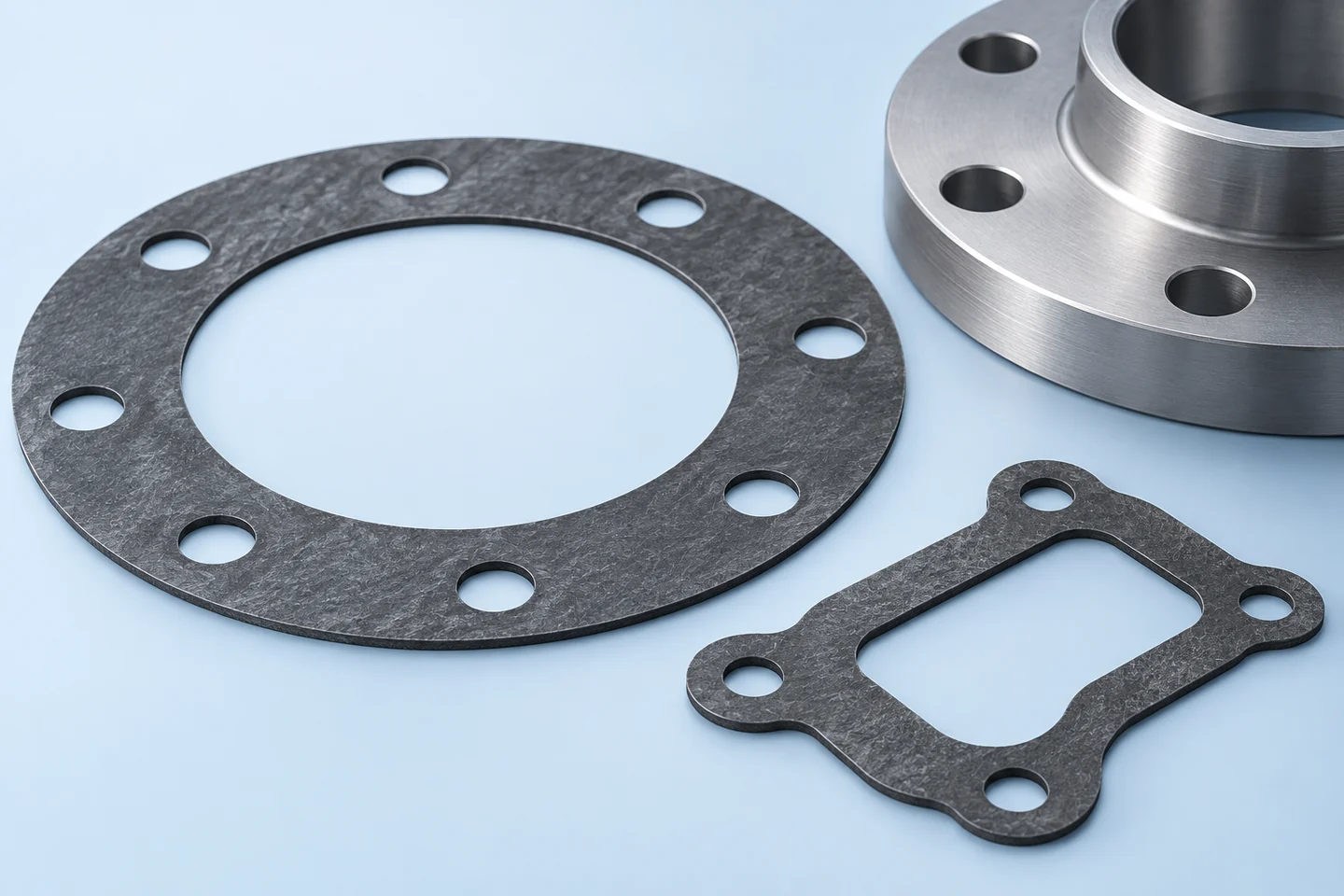
A material specification beyond the family name
Non-asbestos sheet, PTFE-based material and elastomers describe different candidate routes. We keep the actual grade or formulation requirement visible and review it against your approved conditions. Conflicting catalogue material fields are clarified before they become part of the accepted supply definition.
Catalogue reference. The approved specification defines the supplied configuration.The supply review separates clear and open points
We review the requested shape, material and finishing scope against the proposed configuration. Any missing material identity or unresolved application condition remains visible in the enquiry. You can then approve the supply basis without an uncertain catalogue description being presented as a confirmed capability.
- ReviewDrawing and material inputs
- ClarifyUnresolved requirements
- AgreeSample and supply scope
A sample with specific acceptance tasks
A sample can demonstrate dimensions while functional suitability requires its own agreed verification. We keep those tasks distinct. Your acceptance plan identifies the conditions, method and results needed before the gasket configuration is approved for the intended equipment joint.
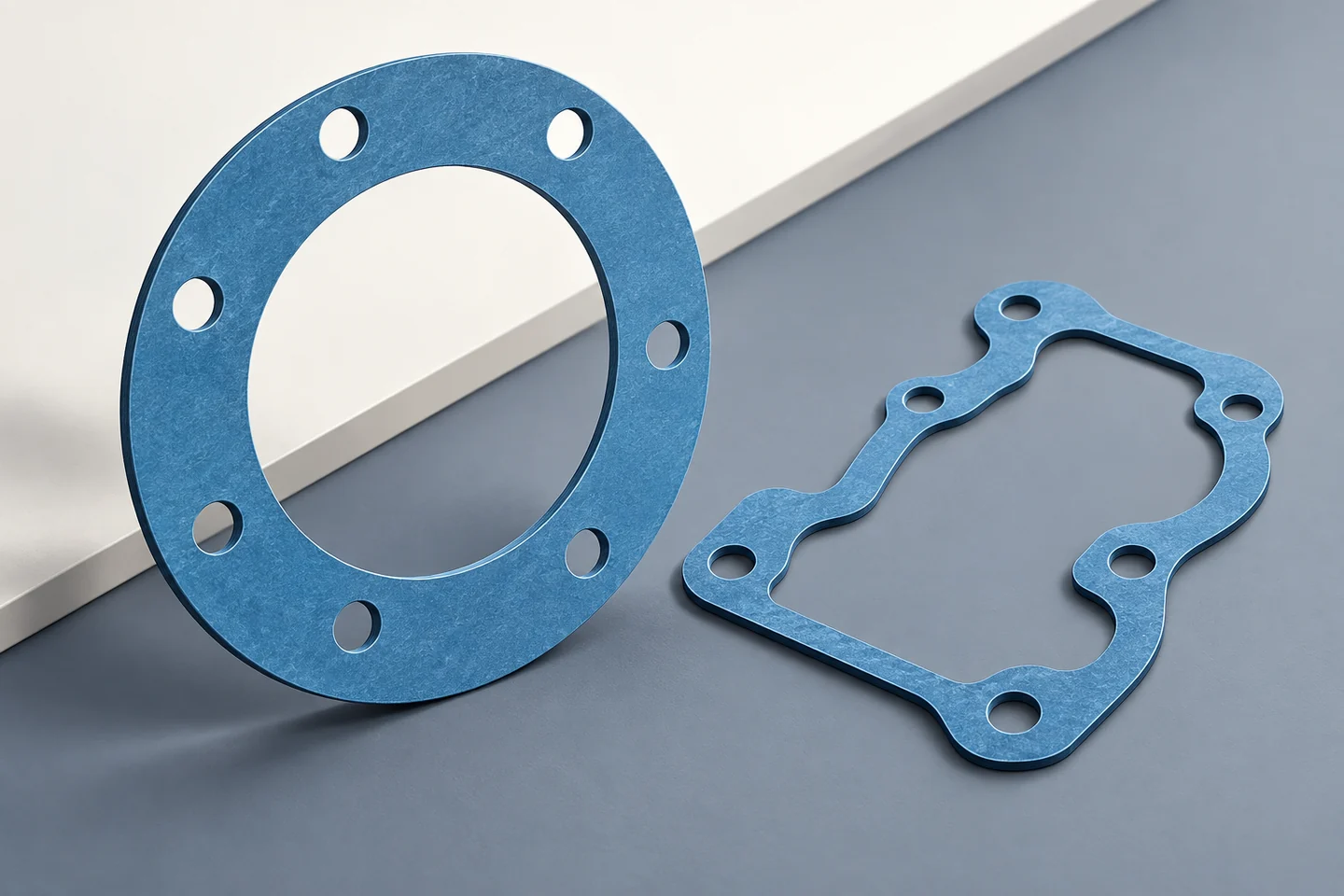
Evidence that retains the test conditions
A useful result states the material, sample configuration and conditions under which it was obtained. We agree the required record scope with your team. This keeps a successful check from being turned into a general promise about every medium, temperature or clamping arrangement.
- SampleIdentified configuration
- MethodAgreed verification approach
- ConditionsExposure and assembly inputs
- ResultRecorded acceptance basis
A joint approval built together
You define the equipment requirements and suitability criteria. We clarify the proposed supply configuration and sample scope. Together, we retain the accepted drawing and material baseline, making later production discussions easier and keeping design validation responsibilities visible.
- YouApprove the sealing requirements
- WeClarify sample and supply scope
- TogetherRetain the accepted baseline
Material changes reviewed before repeat supply
Your approved shape is only one part of the repeat-order reference. Material identity, thickness and agreed handling requirements remain attached to it. We bring proposed material or formulation changes back for review rather than treating a similar family name as an automatic substitute.
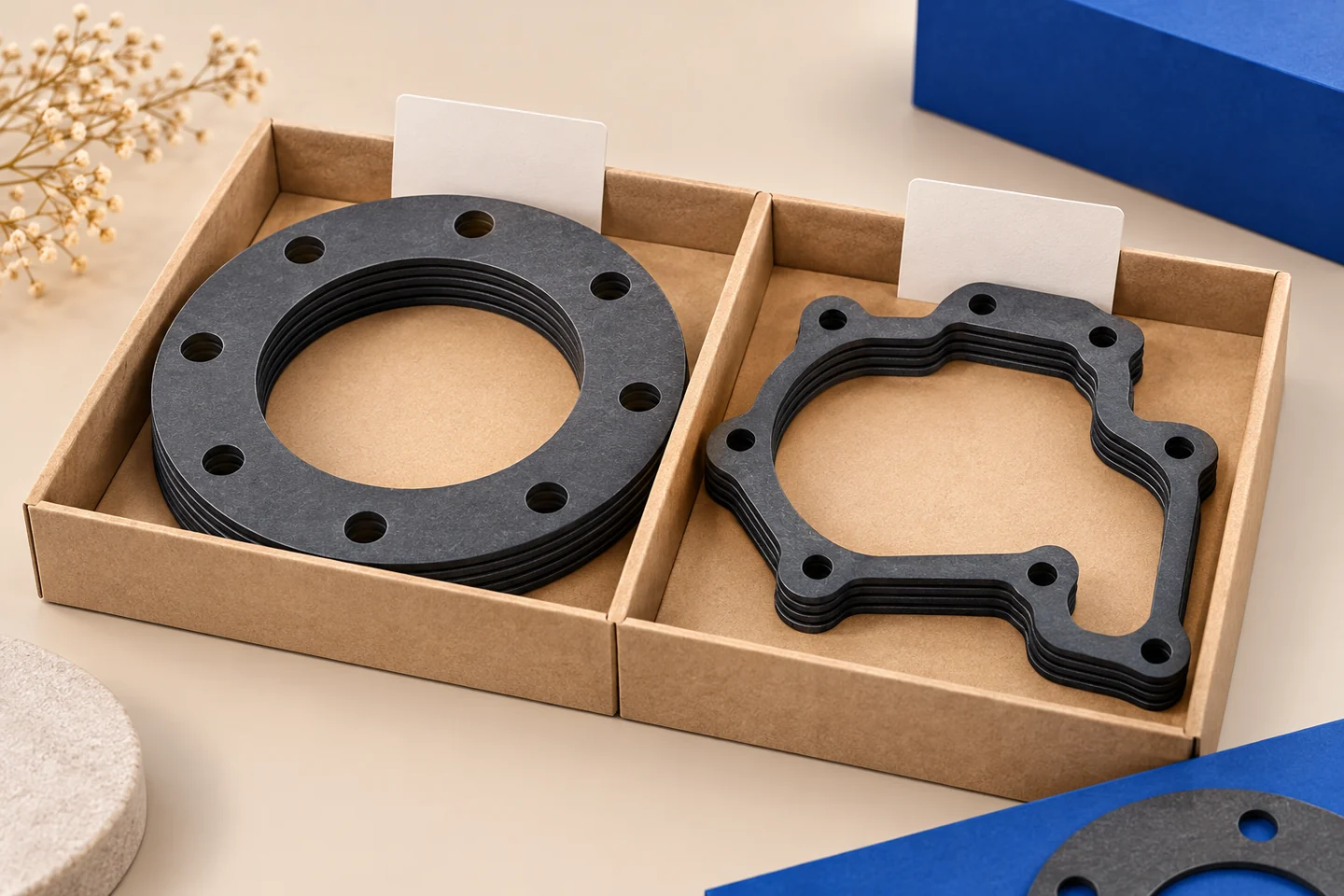
A clear start for your quotation
Send the joint drawing, clamping arrangement, medium and concentration, operating and cleaning conditions, material requirement, thickness and quantities. Include the sample and functional verification needs so we can review a defined gasket configuration.
Send your project details- SendDrawing, item list and requirements
- ReviewConfiguration, open points and records
- AgreeTechnical scope and commercial basis
