

Carbon and Alloy Steel Pipe for Boiler Projects
Your boiler or refinery piping purchase starts with the material specification selected by your design team. We review carbon and alloy steel pipe requirements as defined items, keeping the grade and delivery condition separate from the application label. That makes the quotation easier to assess against the actual project duty.
Send your project details
The application label leads to a material specification
Boiler pipe and refinery pipe are useful application descriptions, while the purchase item needs an exact product specification and grade. We work from your approved designation and edition. This prevents a broad high-temperature description from becoming an unsupported promise about a particular material.
- ApplicationApproved system duty
- SpecificationExact product standard
- GradeFull material designation
Delivery condition belongs with the grade
Heat treatment and delivery condition can change the accepted supply definition. We retain the specified condition with each line item and clarify missing requirements before quotation. A similar alloy designation alone does not settle the condition required by your engineering specification.
A dimensional schedule with useful boundaries
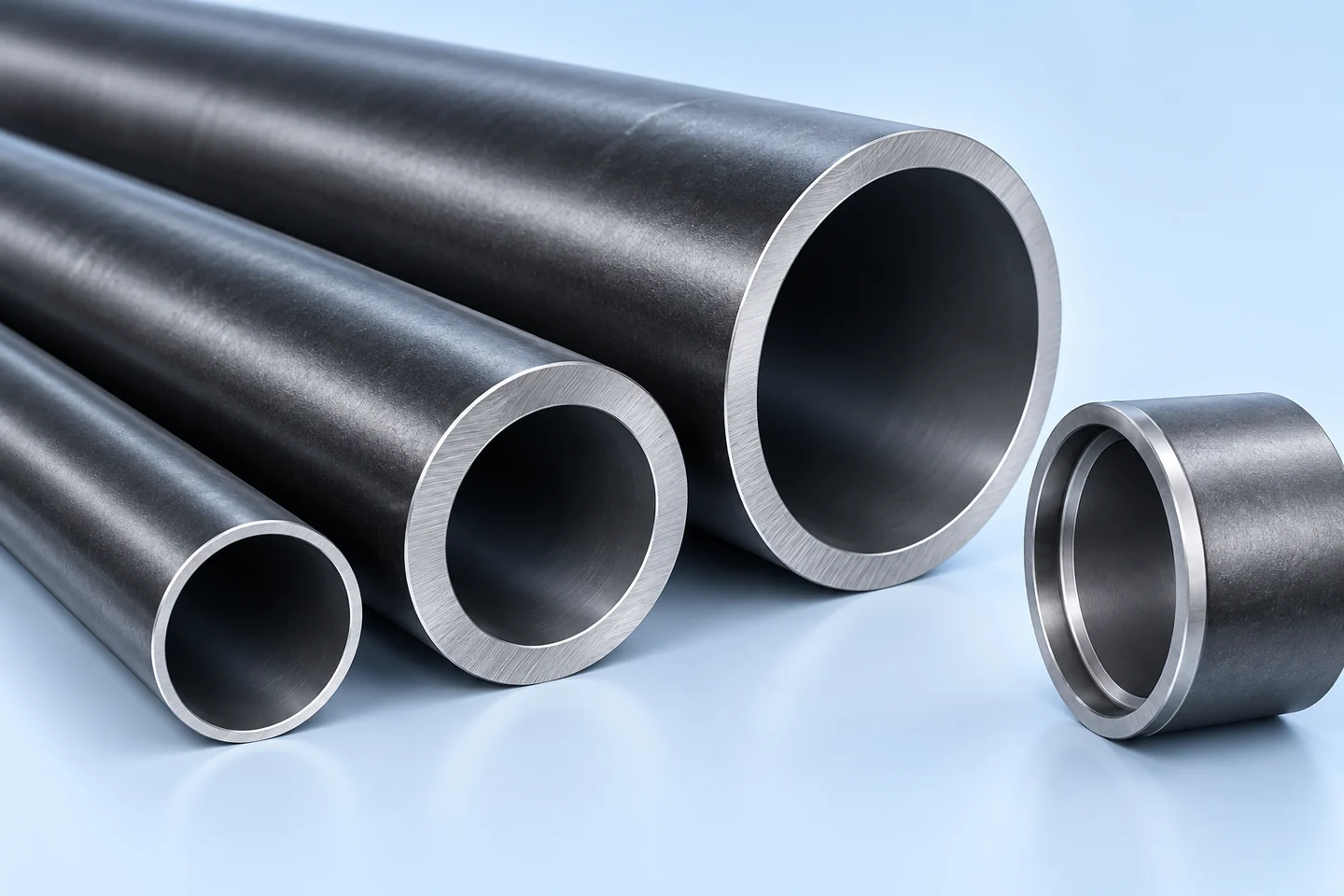
Your pipe schedule should state outside diameter, wall thickness, length and tolerances. Add end preparation and dimensional checks that affect fabrication. We keep those requirements explicit so the offer can be reviewed against your welding and fit-up needs without inferring limits from a catalogue size.
Catalogue reference. The approved specification defines the supplied configuration.The material selection stays with the design basis
Temperature, pressure, corrosion allowance and code requirements belong in the engineering decision. We use the approved material requirement for the supply review and identify departures clearly. We do not turn the presence of carbon or alloy steel products in the catalogue into a universal service recommendation.
- DesignApproved operating basis
- SelectionSpecified material and condition
- ReviewSupply departures identified
Inspection is planned around the order
Agree the required examinations, sampling, test coverage and acceptance criteria before release. We connect those tasks to the specified product form and delivery condition. The resulting scope gives your inspector a practical checklist for the actual order rather than an unspecified promise of complete testing.
Documents retain the material identity
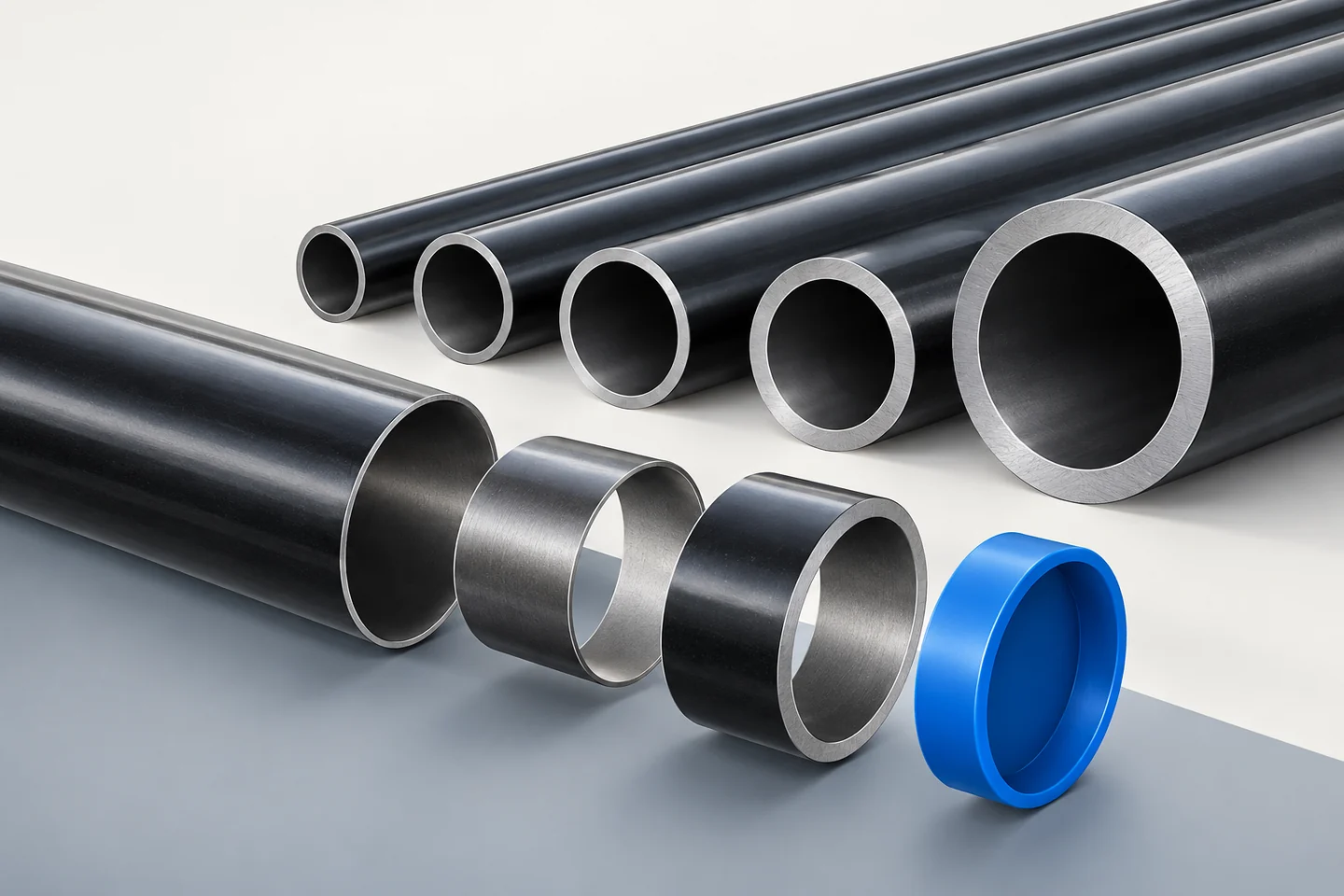
Your receiving team needs records that can be reconciled with the supplied pipe markings. We confirm the material documentation and traceability requirements in the order. Dimensions, test results and any supplementary records stay tied to the accepted supply definition and the identified batch.
- MarkingItem and material identity
- MaterialRequired record scope
- InspectionTraceable results
- ReceiptOrder reconciliation
Project changes are reviewed before substitution
A revised grade, wall or condition can affect more than the purchase price. You approve the design change and we clarify its effect on the proposed supply. Together, we revise the accepted baseline before an alternative enters the order, keeping fabrication and inspection teams aligned.
- YouApprove design changes
- WeReview the supply impact
- TogetherRevise the accepted baseline
Preservation supports fabrication readiness
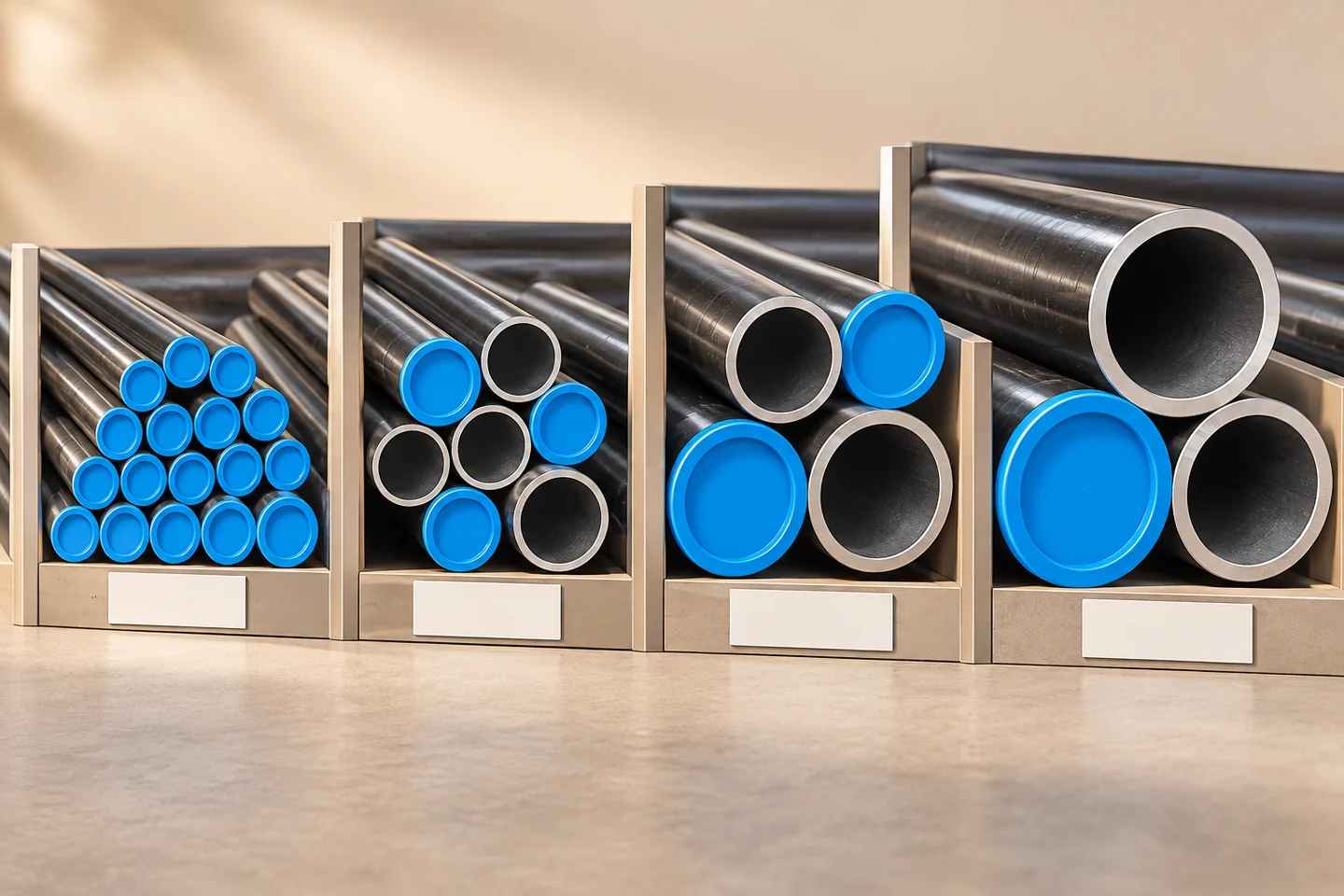
Agree the required end protection, surface condition and storage provisions for your delivery route. We retain those requirements with the packing scope. Your site can then check condition and identity before fabrication, with damaged or uncertain items separated for review.
A clear start for your quotation
Send the product specification and edition, grade, delivery condition, pipe dimensions, end preparation and quantities. Add the project code requirements, inspection plan, documentation and preservation needs so we can review the defined boiler or refinery pipe package.
Send your project details- SendDrawing, item list and requirements
- ReviewConfiguration, open points and records
- AgreeTechnical scope and commercial basis
