
Fixations
Demande de devis pour fixations et pièces CNC sur mesure
Transformez un concept, un échantillon ou un plan en un dossier de consultation maîtrisé pour une fabrication sur mesure.
Dossier d’exigences
Distinguer les exigences faisant foi des références utiles
Pour une demande de devis de fixations et pièces CNC sur mesure, transmettez des valeurs confirmées avec leurs unités et leur source. Indiquez « à confirmer » pour toute inconnue au lieu d’en faire une exigence de production supposée.
L’examen peut commencer avec le PDF 2D et le modèle 3D, si disponibles, l’indice de révision du plan et le matériau. RELIA peut ensuite distinguer les informations permettant un rapprochement avec la gamme de produits des décisions nécessitant une fabrication sur mesure ou une confirmation technique supplémentaire.
Carte des décisions
Transformer la définition de la pièce en un dossier de fabrication chiffrable
Commencez par « Le plan 2D fait foi pour les dimensions et les tolérances » et rattachez les autres conditions à la même exigence.
| Décision | Pourquoi elle modifie l’examen | Information utile de l’acheteur |
|---|---|---|
| Le plan 2D fait foi pour les dimensions et les tolérances | Mesurez depuis des surfaces de référence stables et précisez les unités, la direction de référence et l’état de l’échantillon. Pour un échantillon usé ou déformé, identifiez les surfaces encore fiables et les dimensions nécessitant une référence non usée ou une confirmation du bureau d’études. | Indice de révision du plan |
| Le modèle 3D décrit la géométrie, mais pas toutes les exigences | Mesurez depuis des surfaces de référence stables et précisez les unités, la direction de référence et l’état de l’échantillon. Pour un échantillon usé ou déformé, identifiez les surfaces encore fiables et les dimensions nécessitant une référence non usée ou une confirmation du bureau d’études. | Indice de révision du plan |
| Les caractéristiques critiques exigent des critères d’acceptation explicites | Reliez les preuves demandées à une caractéristique, une méthode, un périmètre d’échantillonnage et un critère d’acceptation. Convenez de l’enregistrement avant le devis s’il modifie l’approvisionnement matière, la planification du procédé, le temps de contrôle ou les documents de libération. | Indice de révision du plan |
| Matériau, traitement thermique et finition forment une même chaîne de procédés | Précisez les conditions continues, les écarts et le point auquel la valeur s’applique. La température peut modifier le comportement du matériau, l’étanchéité, la résistance, les performances du revêtement et le mouvement admissible ; elle doit donc être examinée avec l’ensemble du parcours d’utilisation ou de fabrication. | Traitement thermique/finition |
| La révision, la quantité et le périmètre de contrôle influent sur le devis | Reliez les preuves demandées à une caractéristique, une méthode, un périmètre d’échantillonnage et un critère d’acceptation. Convenez de l’enregistrement avant le devis s’il modifie l’approvisionnement matière, la planification du procédé, le temps de contrôle ou les documents de libération. | Indice de révision du plan |
Séquence d’examen
Maîtriser le parcours de la revue du plan à l’approbation des échantillons
Cette séquence permet d’aborder tôt la demande de devis pour fixations et pièces CNC sur mesure sans masquer les informations manquantes. Elle rend visibles, pour l’acheteur comme pour le fournisseur, les données confirmées, les hypothèses de chiffrage et les décisions restantes.
Définir l’objectif de la demande de devis de pièces sur mesure
Précisez ce que doit accomplir la demande de devis pour fixations et pièces CNC sur mesure et son lien avec le système environnant.
Séparer les données confirmées des points en suspens
Consignez le PDF 2D et le modèle 3D, si disponibles, l’indice de révision du plan et le matériau, et signalez clairement les valeurs restant à confirmer.
Examiner les facteurs déterminants de la demande de devis de pièces sur mesure
Rattachez aux plans, échantillons ou notes d’acceptation les principes suivants : le plan 2D fait foi pour les dimensions et tolérances, le modèle 3D décrit la géométrie mais pas toutes les exigences, et les caractéristiques critiques nécessitent des critères d’acceptation explicites.
Diffuser une exigence unique et maîtrisée pour la demande de devis de pièces sur mesure
Conservez la même révision approuvée et les mêmes hypothèses de la demande de devis pour fixations et pièces CNC sur mesure lors du chiffrage, de la revue des échantillons, de la production et du contrôle.
Questions des acheteurs
Questions sur les demandes de devis de fixations et pièces CNC sur mesure
Ces réponses aident à préparer et comparer les exigences d’une demande de devis pour fixations et pièces CNC sur mesure. Les caractéristiques nominales, dimensions et critères d’acceptation finaux restent liés aux données réelles du projet soumises à l’examen.
Que doit contenir un plan de fixation sur mesure ?
Incluez la géométrie, les références, les dimensions, les tolérances, les indications de filetage, le matériau, le traitement thermique, la finition, les caractéristiques critiques, la révision, les unités et tout contrôle ou marquage requis. Un modèle 3D seul communique rarement toutes les exigences d’acceptation. Pour le prochain examen, joignez ou indiquez l’indice de révision du plan.
Comment distinguer les cotes critiques des cotes de référence ?
Les cotes critiques influent directement sur la fonction, l’assemblage ou la sécurité et nécessitent des tolérances et une vérification explicites. Les cotes de référence sont informatives mais ne déterminent pas, à elles seules, l’acceptation ; marquez clairement cette distinction sur le plan. Pour le prochain examen, joignez ou indiquez l’indice de révision du plan.
Quand un échantillon physique est-il utile en complément d’un plan ?
Un échantillon aide à expliquer la géométrie, l’assemblage, la finition, l’usure ou une pièce ancienne non documentée. Il doit compléter, et non remplacer implicitement, une définition maîtrisée des dimensions finales et des critères d’acceptation. Pour le prochain examen, joignez ou indiquez le PDF 2D et le modèle 3D, si disponibles.
Comment spécifier la matière première, le traitement thermique, le revêtement et le contrôle ?
Définissez toute la chaîne de procédés : nuance et état, traitement thermique ou dureté, revêtement ou finition, zones masquées, état dimensionnel après traitement et enregistrements requis. Les notes contradictoires doivent être résolues avant le devis. Pour le prochain examen, joignez ou indiquez le traitement thermique/la finition.
Quelles tolérances ne doivent pas être appliquées uniformément à chaque caractéristique ?
N’appliquez pas une tolérance générale serrée à chaque caractéristique lorsque seules quelques interfaces déterminent la fonction. Identifiez les références et caractéristiques critiques, utilisez des tolérances adaptées à l’usage et conservez une tolérance générale appropriée pour la géométrie non critique. Pour le prochain examen, joignez ou indiquez l’indice de révision du plan.
Limites de décision
Points restant ouverts jusqu’à l’approbation du plan et de l’échantillon
Cette page sur les demandes de devis de fixations et pièces CNC sur mesure offre un point de départ rigoureux, sans remplacer l’autorité de conception de l’acheteur, le code applicable ni l’approbation finale du projet.
Utiliser ce guide pour préparer l’examen de la demande de devis de pièces sur mesure
- Organiser les PDF 2D et modèles 3D connus, si disponibles, ainsi que l’indice de révision du plan
- Comparer les propositions selon les mêmes hypothèses
- Identifier les dimensions, conditions de service ou enregistrements encore manquants
- Choisir entre l’examen de la gamme de produits et celui d’une fabrication sur mesure
L’approbation finale de la demande de devis de pièces sur mesure reste régie par la spécification du projet
- Dimensions, matériau, caractéristiques nominales, procédé ou configuration définitifs
- Compatibilité avec l’ensemble de l’environnement d’exploitation et d’installation
- Code applicable et approbation de l’utilisateur final ou de l’autorité de conception
- Échantillonnage, essais, documents, emballage et conditions de livraison propres à la commande
Contexte industriel de ce guide technique
Une demande de devis maîtrisée relie le plan aux preuves sur échantillons et lots
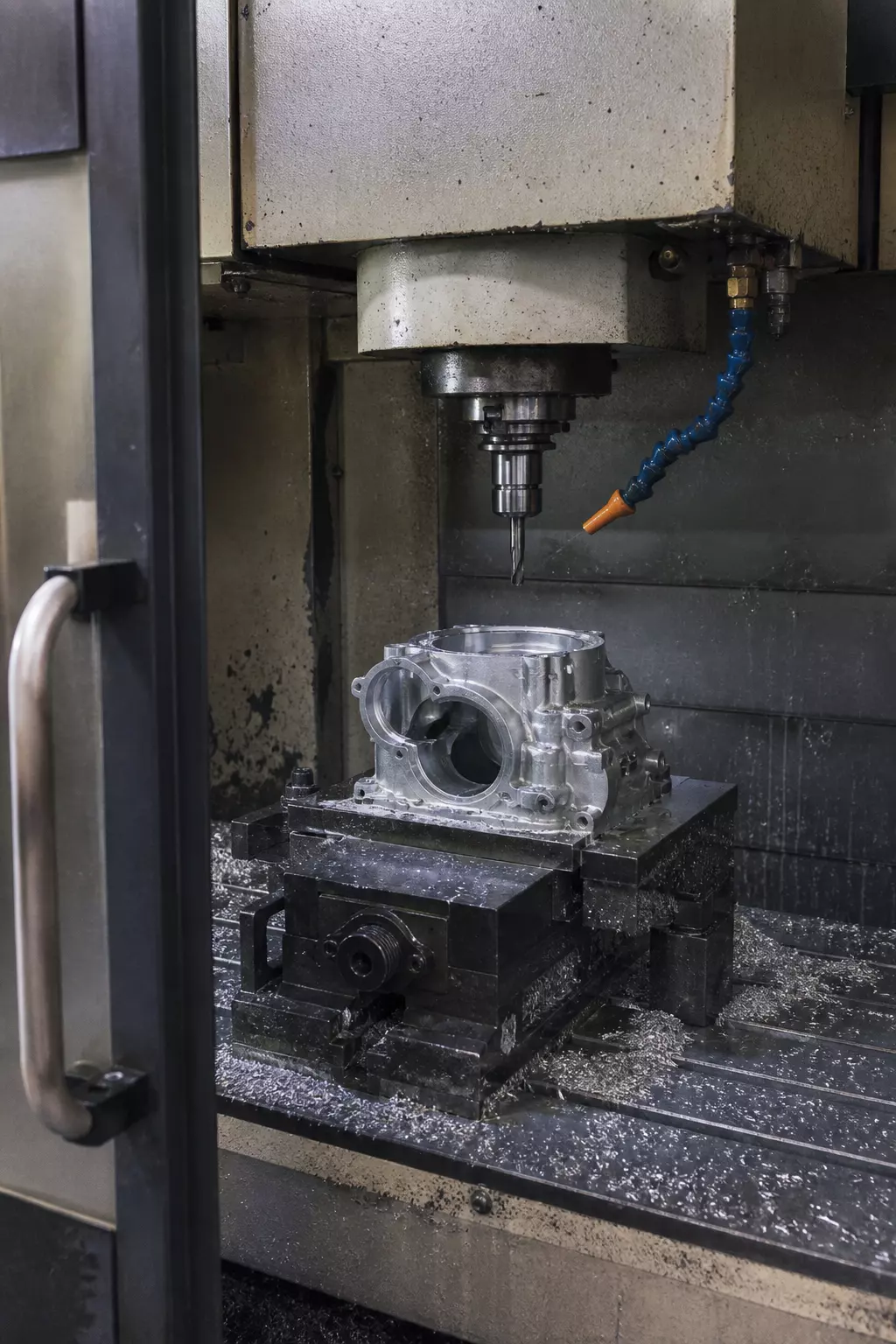
RELIA fabrique des fixations et pièces CNC sur mesure dans sa propre usine. La demande de devis maintient le plan, le matériau, le procédé, le contrôle et le périmètre commercial au même indice de révision.
Les dimensions, filetages, duretés et propriétés en traction ont été contrôlés, et le résultat du revêtement a été corrigé avant approbation. La commande a ensuite progressé sur la base du plan et des modalités de contrôle acceptés.
Examen propre au projet
Envoyez les informations disponibles pour la demande de devis de fixations et pièces CNC sur mesure.
RELIA peut organiser le PDF 2D et le modèle 3D, si disponibles, ainsi que l’indice de révision du plan, transmettre une liste des points en suspens et examiner si la demande doit être traitée via une gamme existante ou une fabrication sur mesure.
Pour une demande de devis de fixations et pièces CNC sur mesure, les documents applicables ISO 9001, ISO 14001 et autres justificatifs de qualification fournisseur peuvent être discutés, et des copies à jour fournies sur demande. Ces documents de système de management ne remplacent pas l’acceptation du produit propre à la commande.